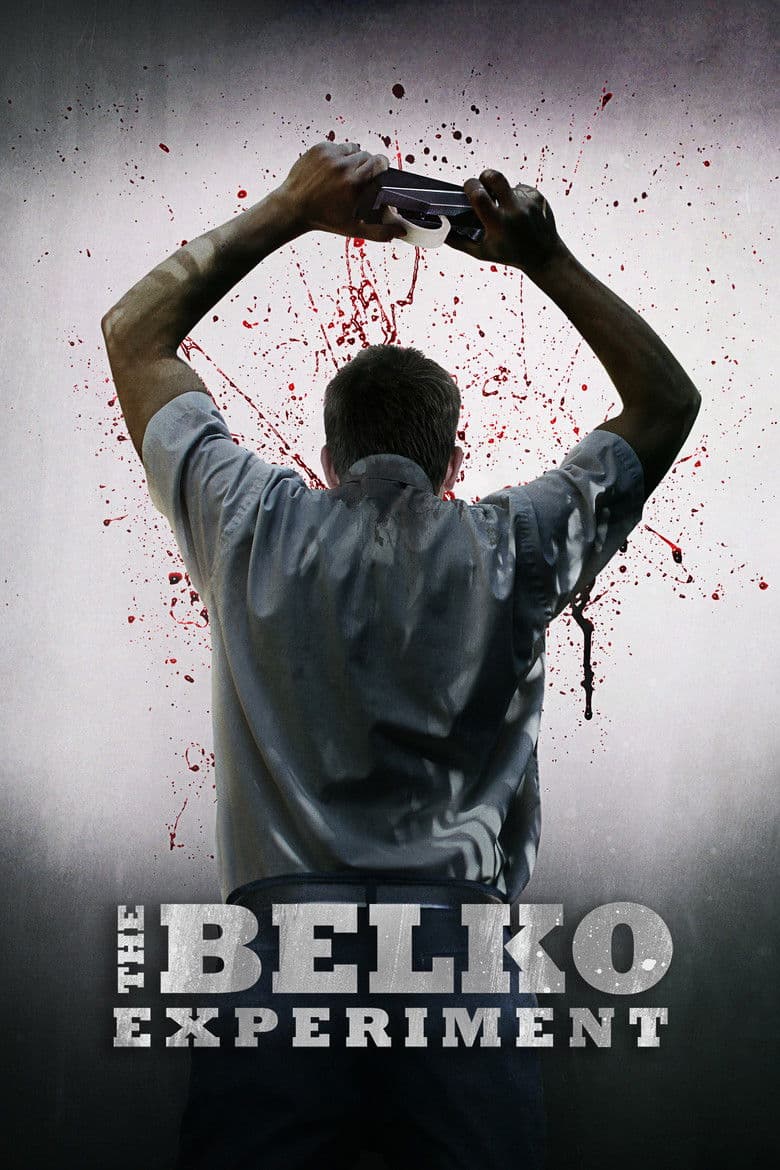
Eighty mostly American workers at Belko Industries in Bogotá, Colombia, get locked inside their office after local staff are kept out. A voice on the intercom orders them to kill co-workers on a rising schedule. If they refuse, bombs in their implanted trackers will explode. People split into camps around Mike Milch, who tries to hold the moral line, and COO Barry Norris, who takes a hard practical path. The building becomes a workplace slaughterhouse until the last survivors learn they are subjects in a larger behavioral experiment.
Woke identity politics barely drive what audiences see on screen. The main story is a kill game about fear, power, and moral compromise under force. A clear side beat shows executive Wendell preying on Leandra and her later violent payback. The film also carries anti-corporate satire about workplace competition pushed to a deadly extreme. Casting includes Latina and other workers that fit a modern Bogotá office more than a diversity sales pitch. For most viewers it plays as brutal office horror with dark humor, not as identity-politics cinema.
Community feedback
Was our 26% Woke rating accurate?
Breakdown
These are the editorial factors and ratings behind our score for The Belko Experiment.
Woke representation / casting
The cast includes Latina co-leads, a black security guard, a hijabi assistant, and a wheelchair user in a modern Bogotá office. Those choices fit the setting more than a diversity sales pitch. The main moral fight still runs between two white men, Mike and Barry. Marketing did not sell the film as representation-first casting.
10%
Woke political dialogue
Not present. Dialogue centers on survival orders, kill quotas, faction strategy, and panic, not identity politics or activist slogans.
0%
Identity-driven story themes
The core plot is a death game about authority, fear, and moral compromise under force. A secondary beat is Wendell’s harassment of Leandra and her later revenge. Some later essays frame toxic masculinity and marginalized victims, but identity is not the main engine of the story.
18%
Western institutional / cultural critique
Anti-corporate satire is clear on screen and backed by the creators. McLean and Gunn link the premise to corporate ideology and cutthroat workplace competition taken to a lethal extreme. Barry’s hardline pragmatism versus Mike’s refuse-to-kill stance tracks a right-versus-liberal survival split McLean has described. Wendell stands for male entitlement at work in a classic corporate black-comedy critique, not modern DEI politics.
28%
Woke character or canon changes
Not relevant. This is an original screenplay, not an adaptation of established characters or historical figures.
0%
Anti-woke backlash and complaints
Not present. No meaningful anti-woke campaign treated the film as DEI or identity propaganda. Mixed reviews focused on violence, thin characters, and weak satire.
0%
Creator track record context
Writer-producer James Gunn had full creative control and is the main elevated signal. Director Greg McLean is genre-horror focused with no activist profile. Casting director Mary Vernieu has discussed industry representation in general, not this film’s messaging. Gunn’s later progressive franchise patterns are background only for this earlier gore satire.
32%
Production
Movie · 2016
A deaf woman is stalked by a psychotic killer in her secluded home.

Movie · 2022
Finney Blake, a shy but clever 13-year-old boy, is abducted by a sadistic killer and trapped in a soundproof basement where screaming is of little use.
Movie · 2019
When a huge hurricane hits her hometown in Florida, Haley ignores evacuation orders to look for her father. After finding him badly wounded, both are trapped by the flood.
Movie · 2024
After raising an unnervingly talented spider in secret, 12-year-old Charlotte must face the truth about her pet and fight for her family's survival.
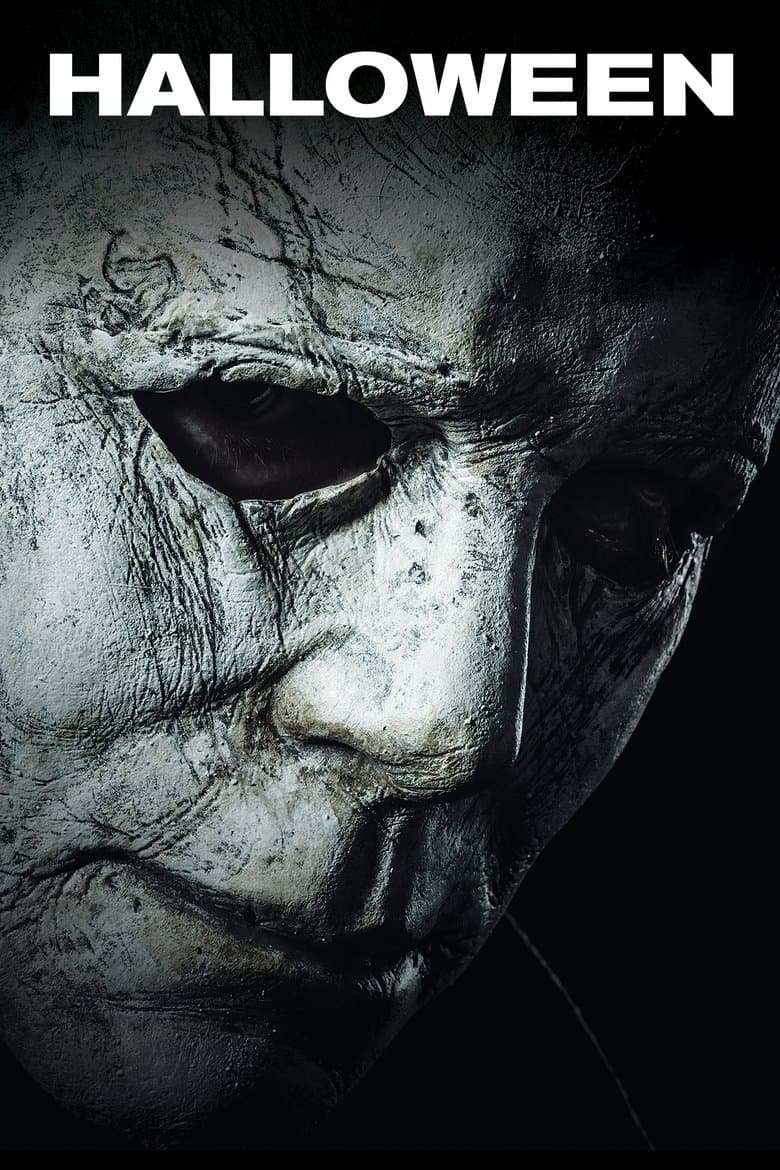
Movie · 2018
Laurie Strode comes to her final confrontation with Michael Myers, the masked figure who has haunted her since she narrowly escaped his killing spree on Halloween night four…
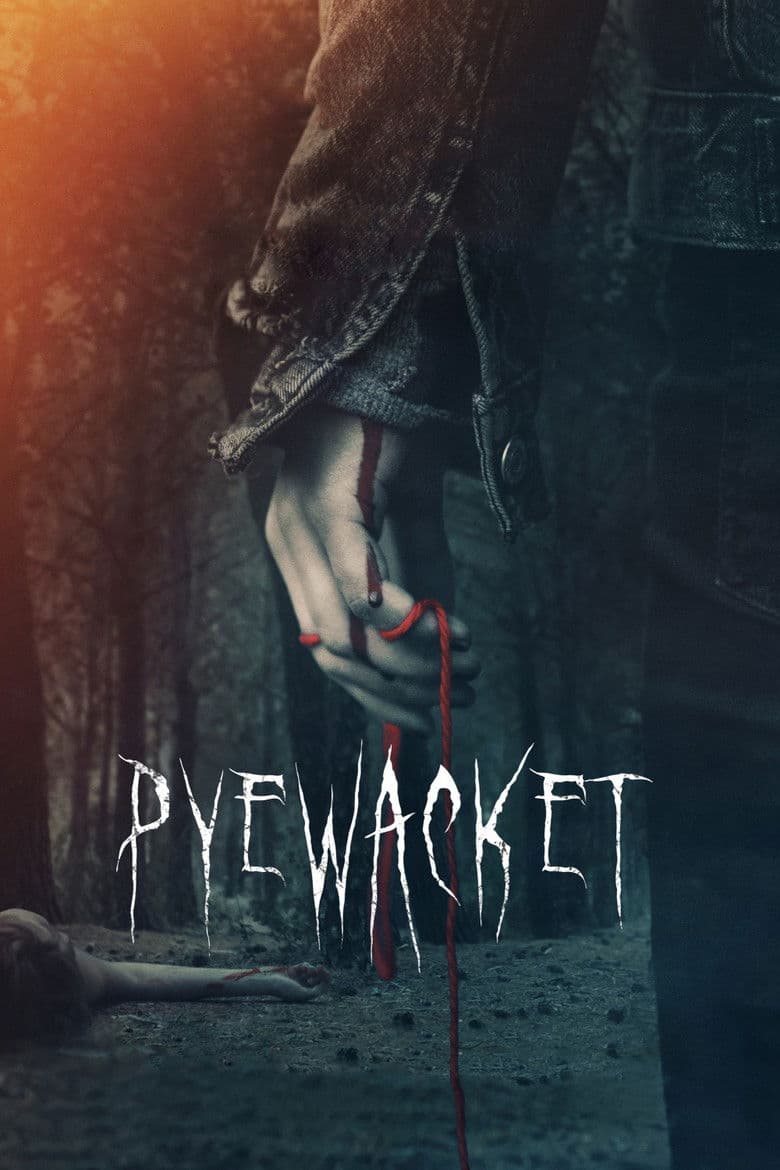
Movie · 2017
A frustrated, angry teenage girl awakens something in the woods when she naively performs an occult ritual to invoke a witch to kill her mother.
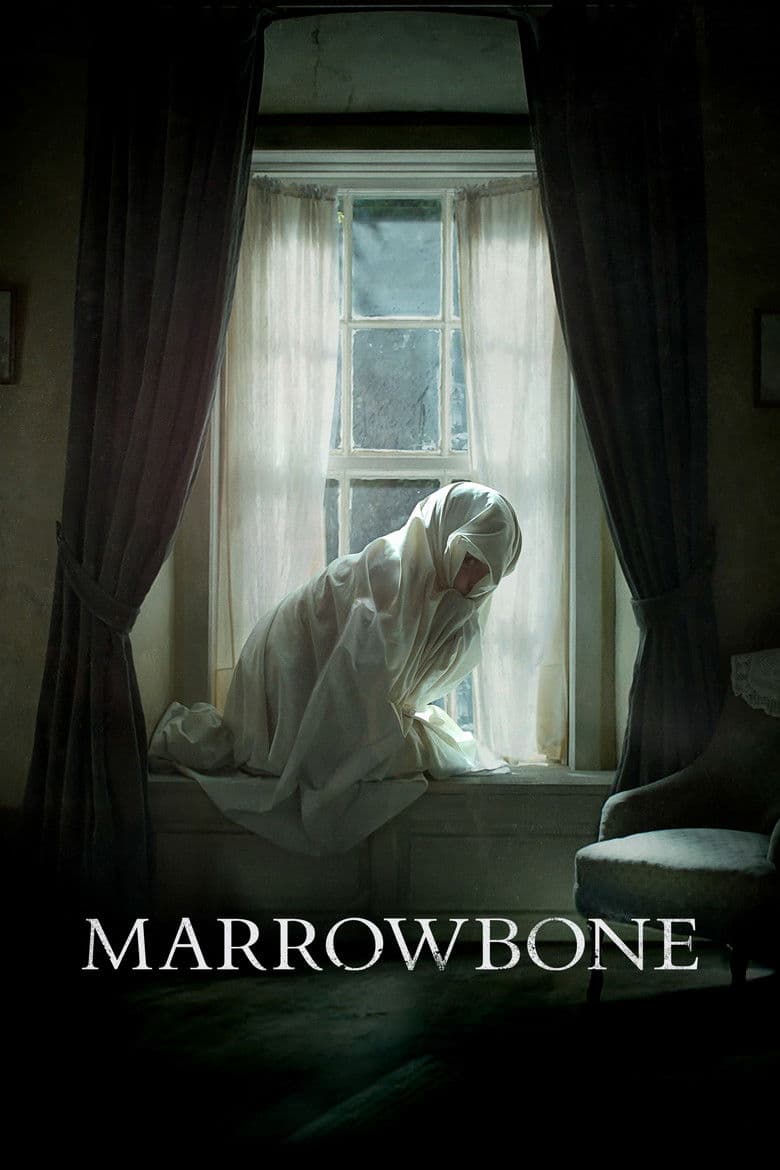
Movie · 2017
A young man and his three younger siblings are plagued by a sinister presence in the sprawling manor in which they live.
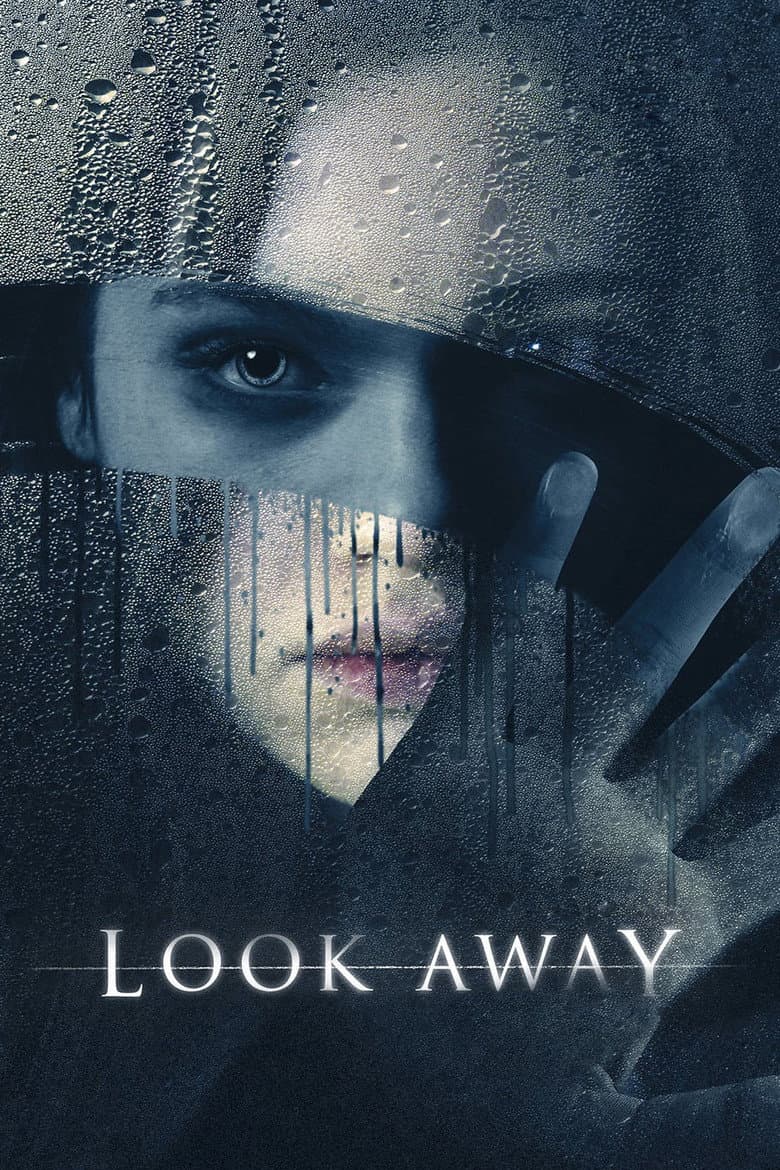
Movie · 2018
A timid and socially alienated 17-year-old high school student's life is turned upside down when she switches places with her sinister mirror image.
