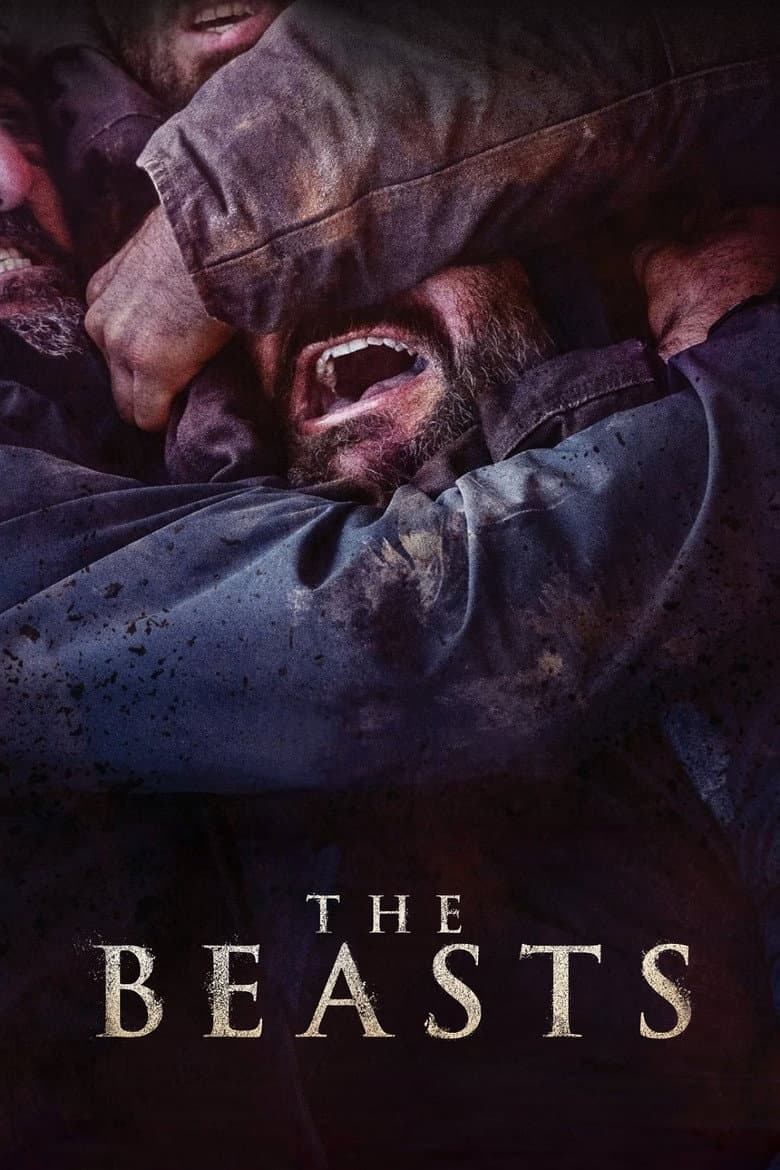
Antoine and Olga are a French couple who have moved to a poor, quiet village in Galicia, Spain. They grow organic vegetables and repair empty houses because they want to build a new life and bring people back to the area. Their plan clashes with two local brothers who want to sell land for a wind farm and leave the village. The brothers turn their anger at the couple into threats, stalking, and deadly violence, giving the film a slow, grim, and frightening tone.
The film treats the fight as more than a dispute about money or wind power. It repeatedly shows hatred of foreigners, class division, rural decline, and weak public protection as causes of the conflict. The first half centers on Antoine and the men's violent struggle, while the second half gives Olga the main role as she searches for truth and refuses to leave. The story presents her patience and emotional strength as a better answer than male pride, threats, and revenge, while still letting the local brothers explain their poverty and hope for a better life.
Community feedback
Was our 58% Woke rating accurate?
Breakdown
These are the editorial factors and ratings behind our score for The Beasts.
Woke representation / casting
Not present. The main characters are French or Galician, matching the story's place. The film does not show a diversity-first mix of races, religions, or queer identities.
0%
Woke political dialogue
The brothers repeatedly call Antoine an outsider and use the insult “Frenchy.” They argue that the couple has no right to block the wind farm or claim a place in the village. The film also shows arguments about fear, justice, and weak public protection. These lines make hatred of foreigners and local identity visible, but the film has no long DEI speech or modern party politics.
24%
Identity-driven story themes
The story makes the outsider and local divide central to the feud. It presents hatred of foreigners, class difference, empty villages, and land ownership as lasting social problems. After Antoine is killed, Olga becomes the main character and keeps seeking answers even when the village closes ranks. The film presents her calm strength and refusal to take revenge as better than the men's pride and violence. The story still gives the brothers real economic reasons and asks viewers to understand both sides.
58%
Western institutional / cultural critique
The film shows men using pride, insults, threats, guns, and group silence to control the conflict. It presents this male culture of force as destructive and gives Olga a different way to face it. The police fail to protect the couple and treat the feud as a problem between equal sides. The wind company also benefits from poor villagers who see the deal as their only escape. The film does not attack Christianity or all of Western society.
50%
Woke character or canon changes
The film is loosely based on a real Galician killing involving a Dutch couple, but it changes the couple's nationality to French. That change creates the France-Spain outsider conflict that drives the film. It is a plot-based adaptation choice, not a race, gender, or sexuality swap in an established fictional canon.
10%
Anti-woke backlash and complaints
Not present. The available coverage shows praise and debate about hatred of foreigners, rural life, and the film's picture of Galicia, not a sustained anti-woke complaint. X research found no anti-woke complaints, and one isolated claim about government support had no wider pickup.
0%
Creator track record context
Director Rodrigo Sorogoyen and writer Isabel Peña often tell stories about corruption, abuse of power, gender violence, and social exclusion. Their work often shifts attention toward women and questions male violence. Those patterns fit this film's focus on Olga, hatred of foreigners, and failed protection. The wider production team has mainly professional public records, so it adds little activist context.
55%
Production
Movie · 2024
While serving as a juror in a high profile murder trial, family man Justin Kemp finds himself struggling with a serious moral dilemma…one he could use to sway the jury verdict and…
Movie · 2024
A middle-class bank clerk who longs to trade stability for adventure gets more than he bargained for when he unexpectedly becomes a wealthy man.
Movie · 2019
After a mass shooting at a police funeral, reclusive ex-cop Gannon finds himself unwittingly forced out of retirement when he realizes that the killer belongs to the same militia…
Movie · 2017
A middle-aged Irish farmer, who still lives at home with his mother, sets off on a mission of revenge when the old lady is murdered.
Movie · 2016
A young man washes ashore, his memory gone - but his past comes back to haunt him after he is nursed back to health and his killing ability is needed when he takes on a powerful…

Movie · 2024
During the 1972 Munich Olympics, an American sports broadcasting crew finds itself thrust into covering the hostage crisis involving Israeli athletes.
Movie · 2021
Inspired by the life of Captain Vikram Batra (PVC), the film celebrates his bravery, valiant spirit and honors his invaluable sacrifice during the Kargil War of 1999, at the age…
Movie · 2017
The story of the kidnapping of 16-year-old John Paul Getty III and the desperate attempt by his devoted mother to convince his billionaire grandfather Jean Paul Getty to pay the…
