Movie review
July 12, 2019 · 104 min · R · Comedy · Mystery · Thriller · Drama
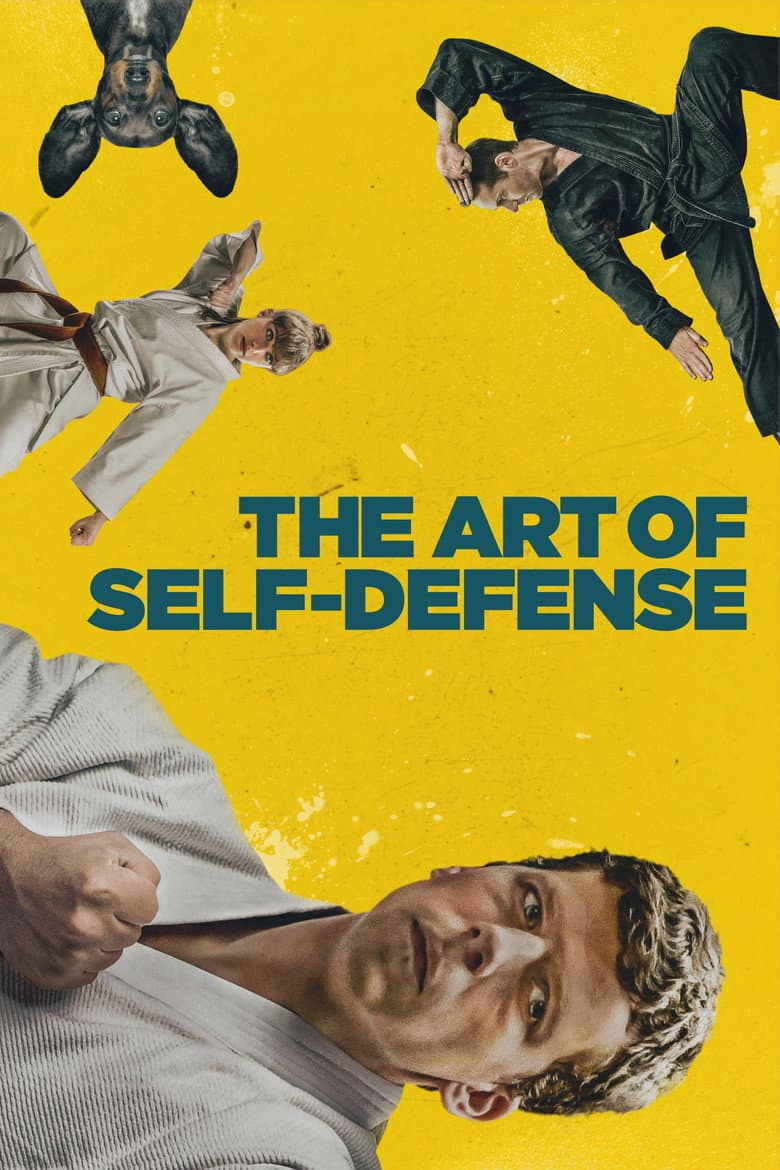
Casey Davies is a quiet accountant who is beaten by a motorcycle gang while walking home. He joins a karate dojo run by the calm but cruel Sensei because he wants to protect himself and feel strong. The dojo soon looks less like a sports club and more like a secret brotherhood built on strict rules, fear, and violence. The film uses dry, strange comedy before it turns into a dark thriller about control, revenge, and the search for confidence.
The film puts toxic masculinity at the center of Casey’s change. Sensei teaches that real men must like guns, angry music, violence, and certain manly tastes, while Casey copies him and becomes worse. Anna is the dojo’s only female student, its best fighter, and a teacher, but Sensei blocks her path to a black belt because she is a woman. The ending gives Anna control of the dojo and replaces its violent lessons with more caring, defensive teaching, so the film clearly rejects the old male power system.
Community feedback
Was our 68% Woke rating accurate?
Breakdown
These are the editorial factors and ratings behind our score for The Art of Self-Defense.
Woke representation / casting
Anna is the only female student in the dojo, and the film shows her as one of its best fighters and as a teacher. The story makes her blocked promotion a clear gender issue. The trailer highlights Anna as a hardcore brown belt, and press coverage quotes Stearns saying he wanted the coolest character to be a woman. The main cast does not show a broad diversity pattern, and the all-white lead cast fits the film’s unnamed American setting.
34%
Woke political dialogue
Sensei repeatedly tells Casey what men and women should like and how they should act. The dialogue labels music, languages, names, and dog breeds as masculine or feminine. Casey repeats those rules as he tries to change himself. Anna later supports a kinder and more defensive view of strength. These ideas return throughout the dojo scenes, but the film delivers them through absurd jokes and a fictional cult.
48%
Identity-driven story themes
The film’s main subject is how a violent group teaches men to prove their worth through control and harm. Casey becomes more cruel when he copies Sensei, so the story treats this version of masculinity as dangerous. Anna is denied a black belt because she is a woman, even though she is a skilled fighter and teacher. The ending puts Anna in charge and changes the dojo toward compassion and defense. These gender and power ideas shape the main plot from the opening attack to the final lesson.
67%
Western institutional / cultural critique
The dojo is shown as a male power system with ranks, rules, secret meetings, and punishment. Sensei mocks weaker men and treats women as unfit for authority. The film links traditional manhood with bullying, sexual violence, revenge, and group control. Casey first accepts that system and later replaces its rules with a less violent form of teaching. The critique stays inside a fictional dojo, so it does not attack many wider Western institutions.
58%
Woke character or canon changes
Not relevant. The film is an original story with no established characters, source material, or historical figures being changed.
0%
Anti-woke backlash and complaints
A few fringe reviews called the film politically correct, feminist, or progressive propaganda and objected to its attack on male power. One review described its message as hostile to men. The X research pass found no anti-woke complaints, boycott drive, or review-bomb campaign. The backlash evidence is real but fringe and much smaller than the ordinary film discussion.
15%
Creator track record context
Riley Stearns is the main creator signal because he wrote and directed the film. His interviews describe a plan to take apart ideas about manhood and expose toxic masculinity through satire. His earlier work also explores fragile male identity and cult-like control. The listed producers have mostly low or moderate activist signals, with a few socially focused credits. The overall creator context is noticeable but not a strong movement-based profile.
30%
Production
Movie · 2016
In 1967, four undercover CIA agents were sent to NASA posing as a documentary film crew. What they discovered led to one of the biggest conspiracies in American history.
Movie · 2016
A financial schemer finds himself in the middle of an international scandal after he becomes a political adviser to the new Prime Minister of Israel.
Movie · 2020
A once-celebrated kid detective, now 31, continues to solve the same trivial mysteries between hangovers and bouts of self-pity.

Movie · 2019
The quiet life of Baker Dill, a fishing boat captain who lives on the isolated Plymouth Island, where he spends his days obsessed with capturing an elusive tuna while fighting his…
Movie · 2019
Los Angeles, 1969. TV star Rick Dalton, a struggling actor specializing in westerns, and stuntman Cliff Booth, his best friend, try to survive in a constantly changing movie…
Movie · 2017
Dr. Steven Murphy is a renowned cardiovascular surgeon who presides over a spotless household with his wife and two children.
Movie · 2016
Maureen, mid-20s, is a personal shopper for a media celebrity. The job pays for her stay in Paris, a city she refuses to leave until she makes contact with her twin brother who…
Movie · 2017
Paul is a down-on-his-luck screenwriter who picks up a drifter and offers him a place to stay. However, when the deranged stranger takes Paul hostage and forces him to write…
