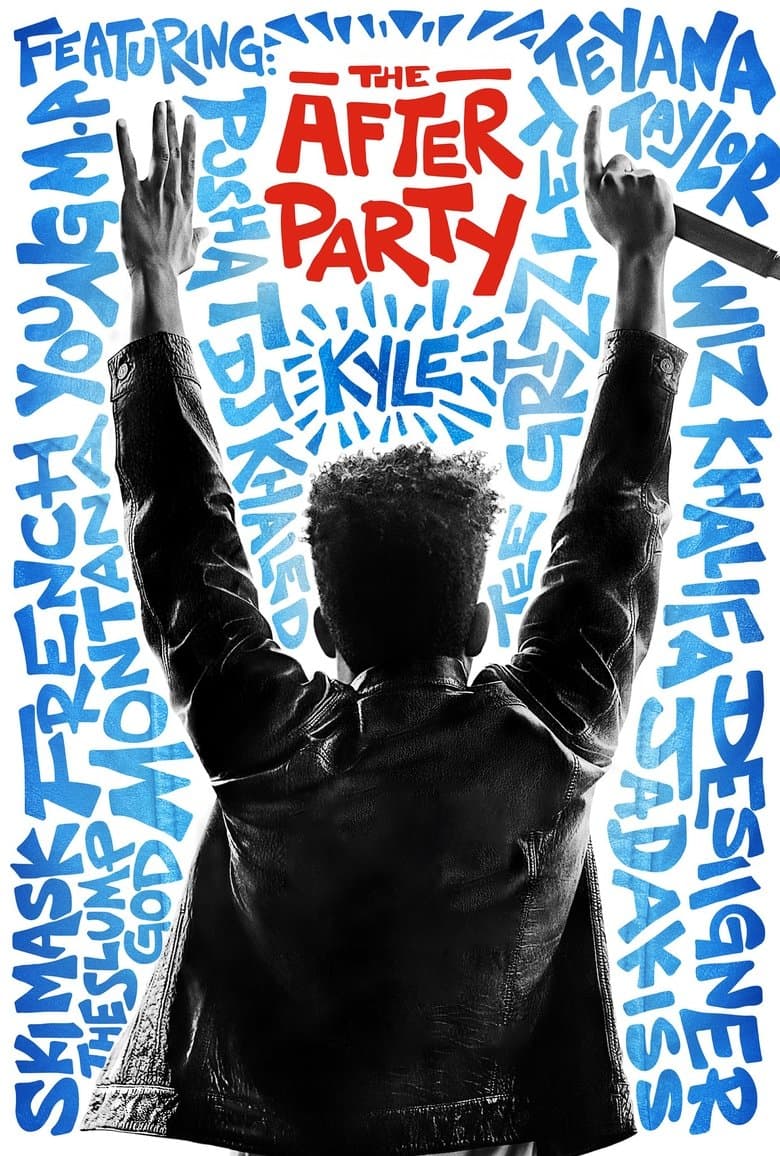
Owen Ellison is a high school student who wants to become a rapper. His best friend Jeff acts as his manager and believes that one record deal can save Owen’s dream. After Owen takes a strong joint before a show, he vomits on Wiz Khalifa and has a seizure. A video of the event spreads online, so the two friends race through New York to reach one last music party. The film has a loud and crude comedy tone.
The story centers on friendship, family pressure, online fame, and public shame. Jeff’s wealthy father cares more about work than his son, while Owen’s father pushes him toward the Marines. Owen chases Alicia in a simple romance plot, while other women help the boys enter the party and are often treated as prizes or jokes. The ending says that talent and loyalty can matter more than one embarrassing mistake.
Community feedback
Was our 7% Woke rating accurate?
Breakdown
These are the editorial factors and ratings behind our score for The After Party.
Woke representation / casting
Not present. Owen is a black rapper and Jeff is a white Jewish friend, with Black and white performers in the New York music scene. These choices fit the film’s setting and hip-hop subject, and the movie does not frame its casting as a diversity statement.
0%
Woke political dialogue
A party host makes a brief joke that white boys are culturally washed and that nobody likes them. A street exchange also includes a quick anti-police line. The remarks are insults inside crude rap comedy. The movie does not build them into a repeated political point.
8%
Identity-driven story themes
Not present. The plot follows Owen’s rap dream, his friendship with Jeff, family pressure, romance, and online embarrassment. Race, gender, sexuality, and activism do not drive the story.
0%
Western institutional / cultural critique
Not present. The film shows one work-focused father and includes a quick anti-police joke, but it does not turn family life, police, religion, or Western social rules into a repeated political target.
0%
Woke character or canon changes
Not relevant. The movie is an original story about young rappers and does not change established characters, source material, or real historical figures.
0%
Anti-woke backlash and complaints
Not present. No anti-woke backlash was located. Public complaints focused on the seizure scene, disability stigma, and the film’s quality rather than woke or DEI messaging.
0%
Creator track record context
The cached profile gives Ian Edelman a low Woke score of 17/100. His credits include Puerto Ricans in Paris, The Vince Staples Show, and How to Make It in America. His profile shows commercial comedy and hip-hop storytelling rather than a clear activist pattern.
17%
Production
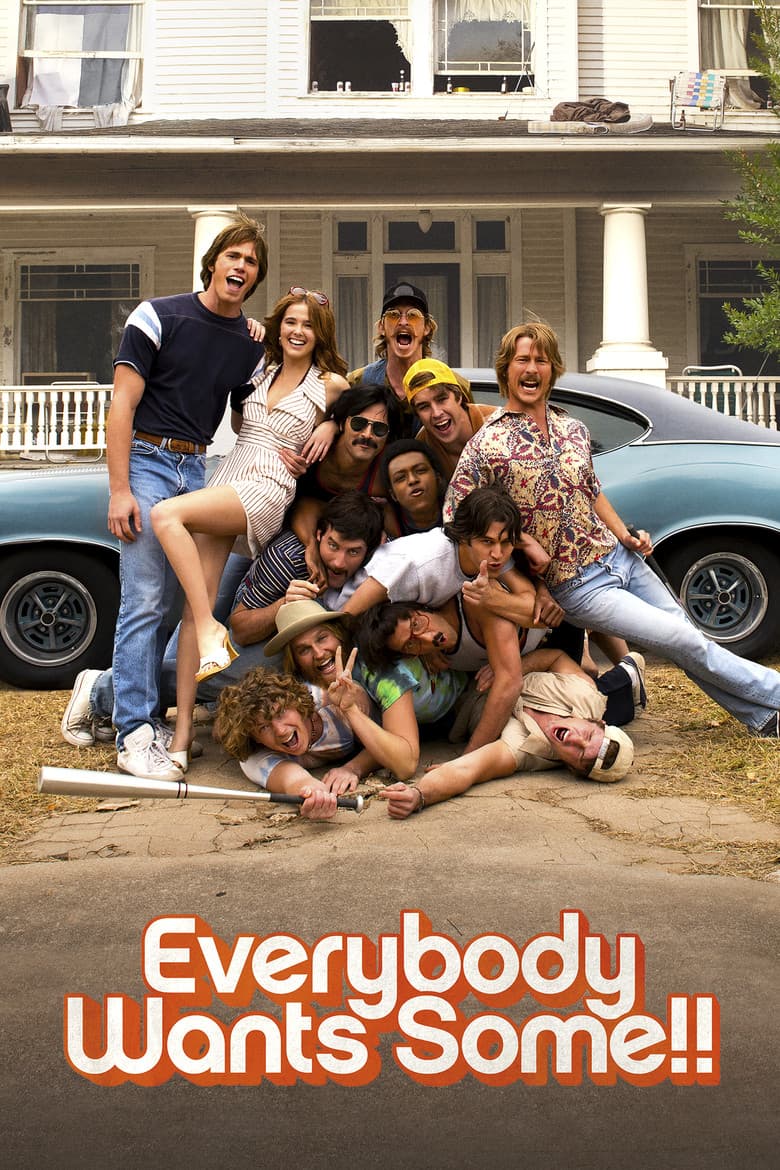
Movie · 2016
A comedy that follows a group of friends as they navigate their way through the freedoms and responsibilities of unsupervised adulthood.
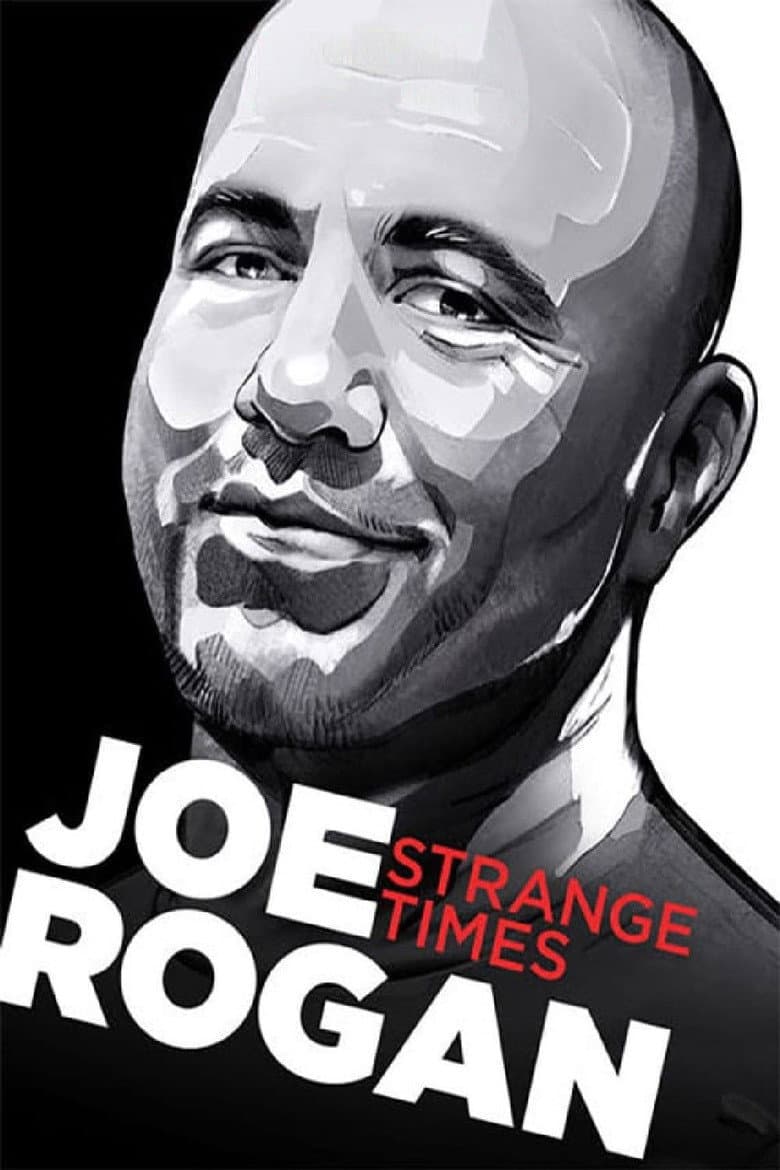
Movie · 2018
Outspoken as ever, comedian Joe Rogan takes on politics, pro wrestling, pot laws, cats, vegans and much more in a stand-up special shot in Boston.
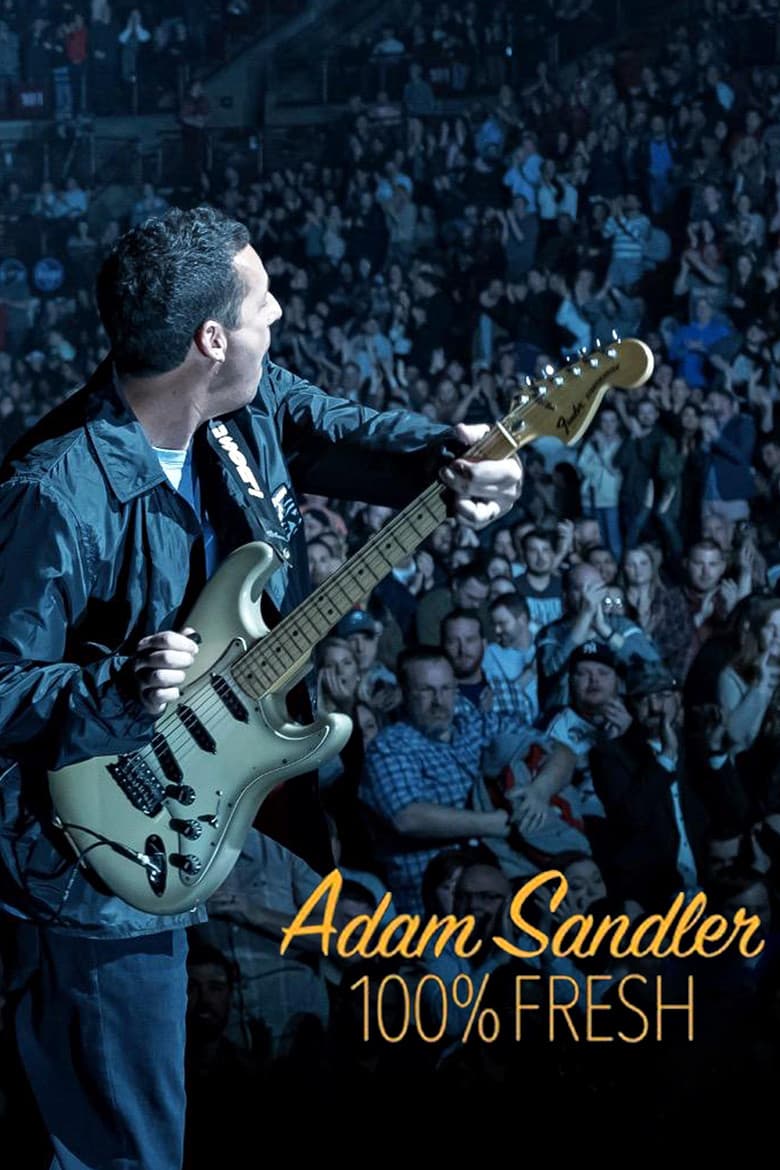
Movie · 2018
Adam Sandler takes his comical musical musings back out on the road, from comedy clubs to concert halls to one very unsuspecting subway station.
Movie · 2016
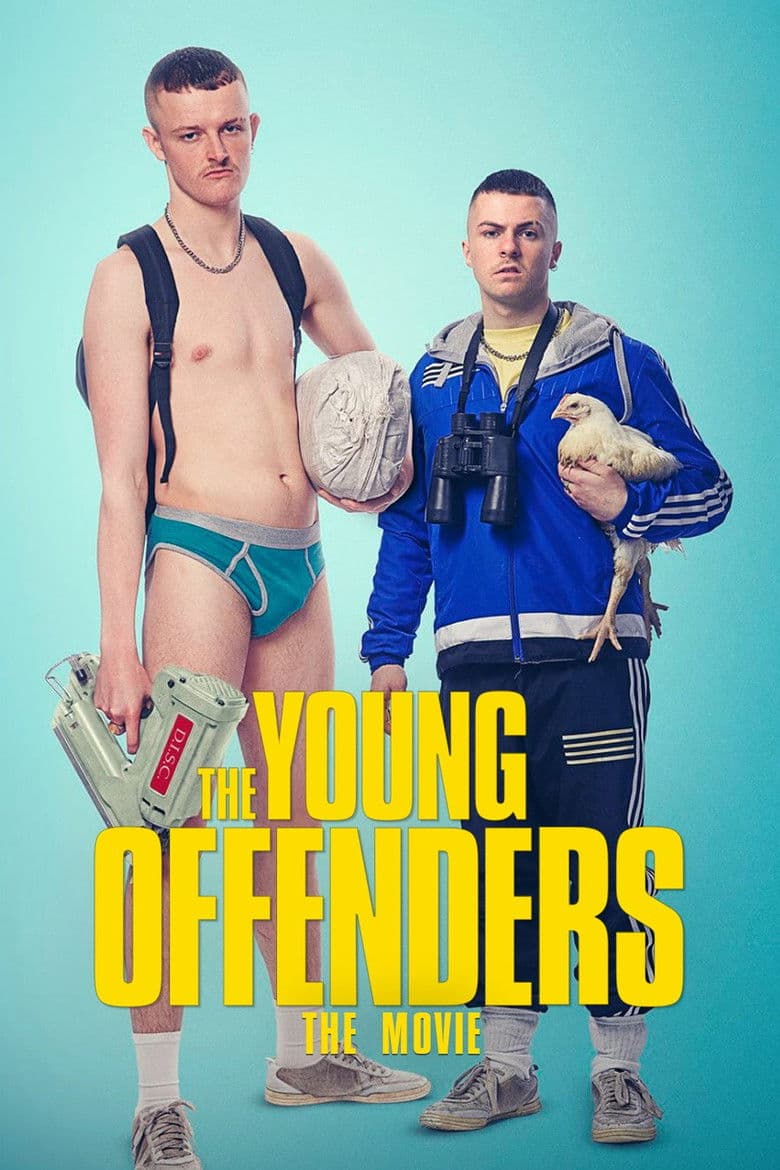
Two teenage boys from inner-city Cork steal bicycles and ride off on a 160km quest to find an unrecovered bale of cocaine worth 7,000,000 euros.
Movie · 2024
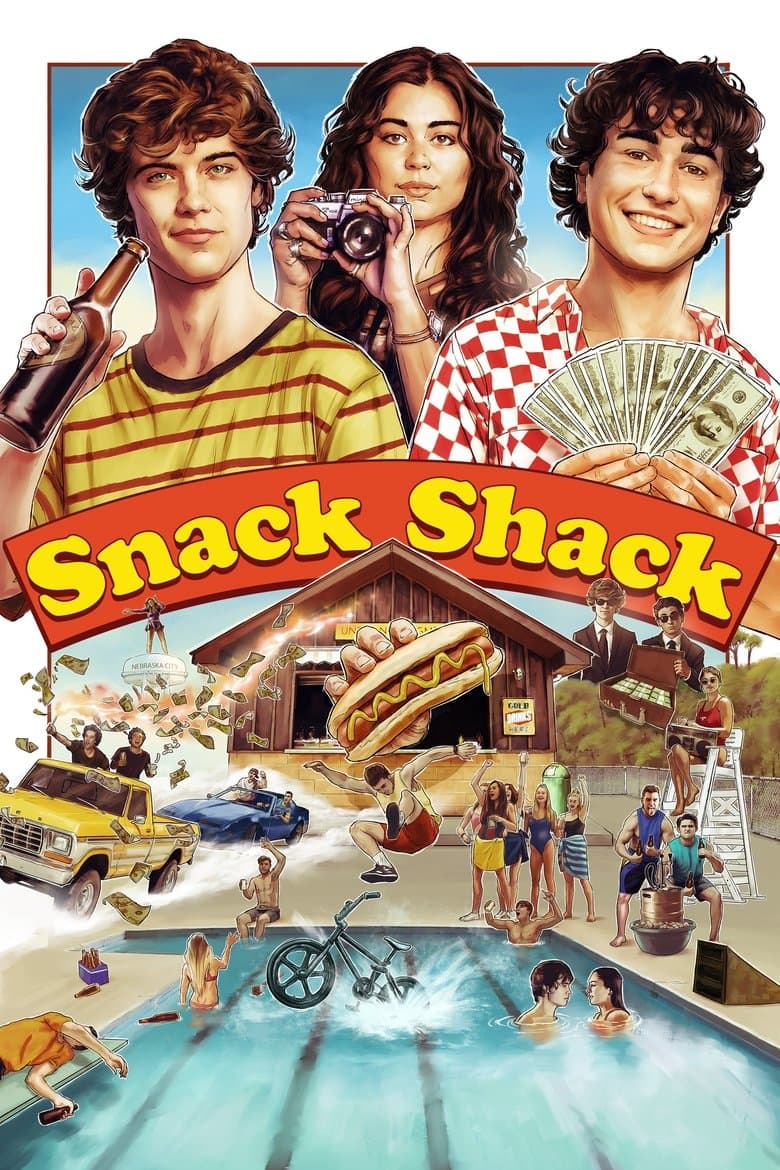
Inseparable best friends AJ and Moose decide to run the local pool's snack shack after their plan to sell home-brewed beer goes down the drain.
Movie · 2023
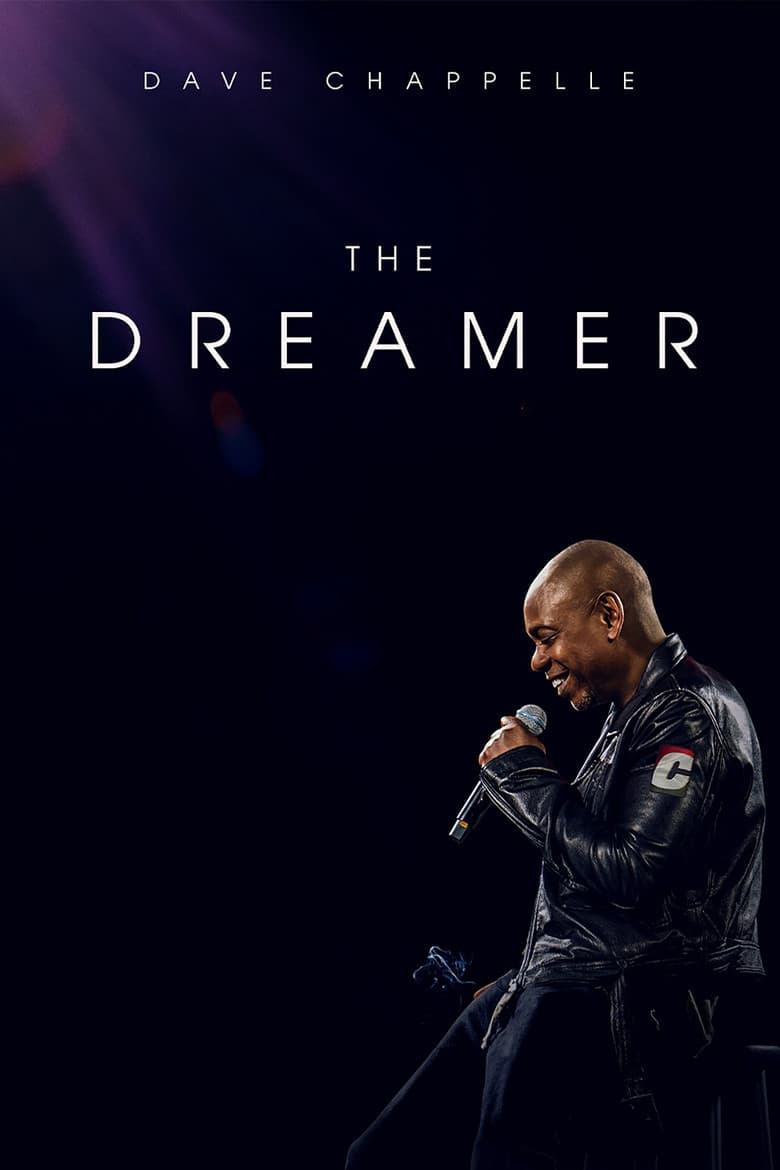
From his onstage tackle to the slap heard round the world, Dave Chappelle lets loose in this freewheeling and unfiltered stand-up comedy special.
Movie · 2023
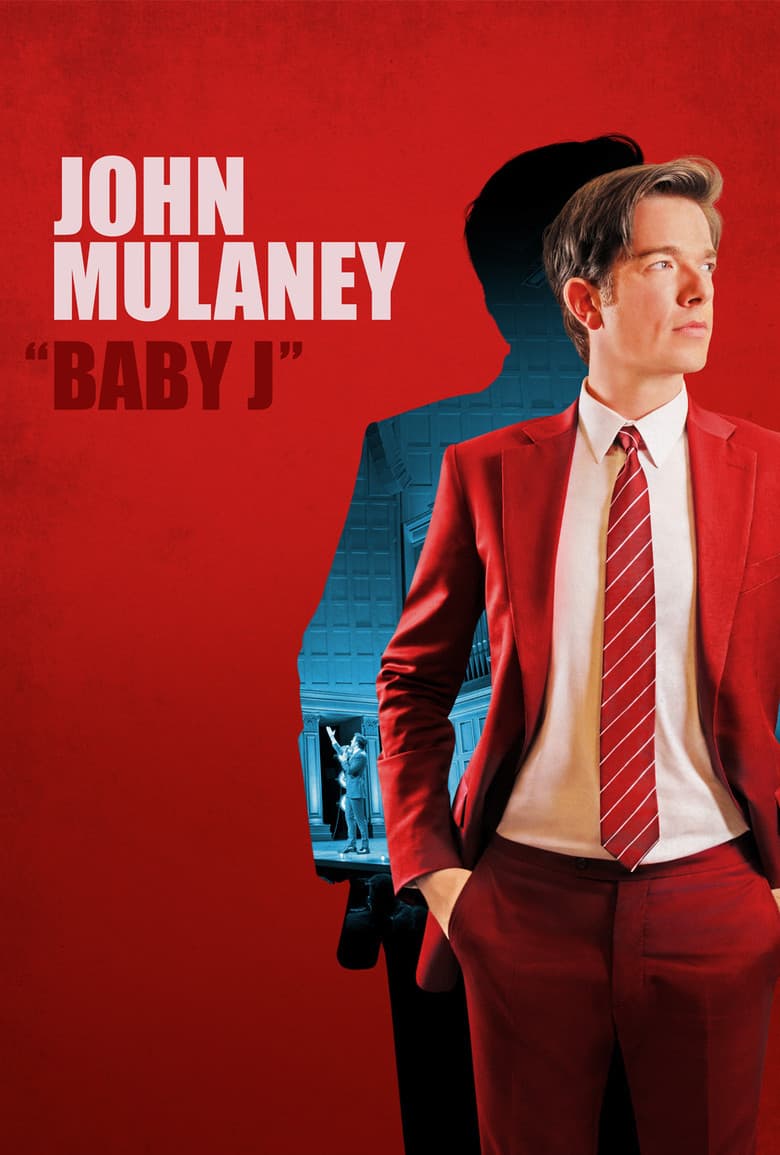
A chaotic intervention. An action-packed stay in rehab. After a weird couple of years, John Mulaney comes out swinging in his return to the stage.
Movie · 2018
Vignettes weaving together the stories of six individuals in the old West at the end of the Civil War. Following the tales of a sharp-shooting songster, a wannabe bank robber, two…
