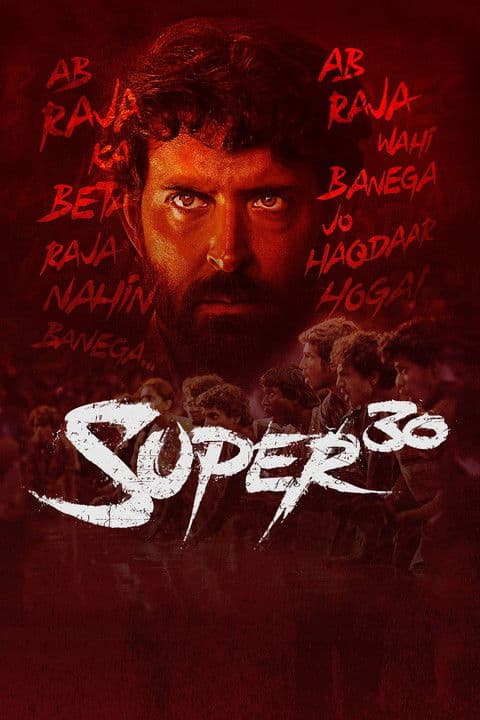
Super 30 follows Anand Kumar, a gifted young man from a poor family in Patna, Bihar. He dreams of studying at Cambridge, but money and an unhelpful minister stop him. Anand later starts a free coaching class for 30 poor students who hope to enter the Indian Institutes of Technology. The drama mixes hardship, humor, romance, classroom energy, and a tense fight with a rival coaching business.
The film puts unequal education at the center of its story. The story says that talent, not family wealth or birth, should decide who rises, and it compares poor students with Eklavya from the Mahabharata. Short speeches attack rich coaching businesses and show how caste and class can block opportunity, while a hospital scene mentions paid seats and merit. These ideas are important and repeat across the film, but the message stays tied to one teacher's effort to help students rather than a broad modern identity campaign.
Community feedback
Was our 45% Woke rating accurate?
Breakdown
These are the editorial factors and ratings behind our score for Super 30.
Woke representation / casting
Hrithik Roshan plays the real Bihari teacher Anand Kumar, but the film uses dark makeup and a forced Bihari accent to make the urban star look poorer and more local. Reviewers and social media users called this a poor fit and criticized the skin-color choice. The other main roles fit the Indian setting, and the film does not make diversity itself part of the casting message.
28%
Woke political dialogue
The film repeats lines about rich people building easy roads for themselves and poor people having to jump over the holes. The Eklavya story links birth, social rank, and blocked talent to the students' struggle. A hospital scene mocks a doctor linked to a paid medical seat, which briefly touches the debate over merit and money. These lines recur around the main conflict, but the movie uses them as short motivational speeches rather than a full political argument.
38%
Identity-driven story themes
The film makes poor students and unequal access to education the heart of its story. Anand gives up a profitable teaching job so students from families without money can prepare for the IIT exam for free. The story says family wealth and birth should not decide who succeeds. Class and social rank return through the Eklavya story, the rich coaching school, and the students' hardships. The message is strong, but it stays inside a personal education story rather than a wider identity campaign.
45%
Western institutional / cultural critique
Not present. The film criticizes Indian coaching businesses, local political corruption, and unequal access to education. It does not attack Western institutions, Christianity, family life, or traditional gender roles.
0%
Woke character or canon changes
Not relevant. The film keeps Anand Kumar as a male Indian teacher and does not recast his identity or the identities of his students. It changes some events for drama, but those changes are not about race, gender, or sexuality.
0%
Anti-woke backlash and complaints
Not present. Public criticism focused on the lead actor's makeup and accent, factual accuracy, and the real program's claims. No sustained complaint that the film pushed woke, DEI, or identity-politics ideas appears in the reviewed coverage, and the separate X pass found none.
0%
Creator track record context
The creative team has a mixed record. Anurag Kashyap and Tanvi Gandhi have stronger links to social, women-centered, or access-focused work. Vikas Bahl and Mukesh Chhabra show some interest in gender or wider access, while Farhad Samji and Vivek Agrawal have less clear activist records. This gives the film moderate creator-context weight, even though its own message is mainly about education and social mobility.
43%
Production
Movie · 2023
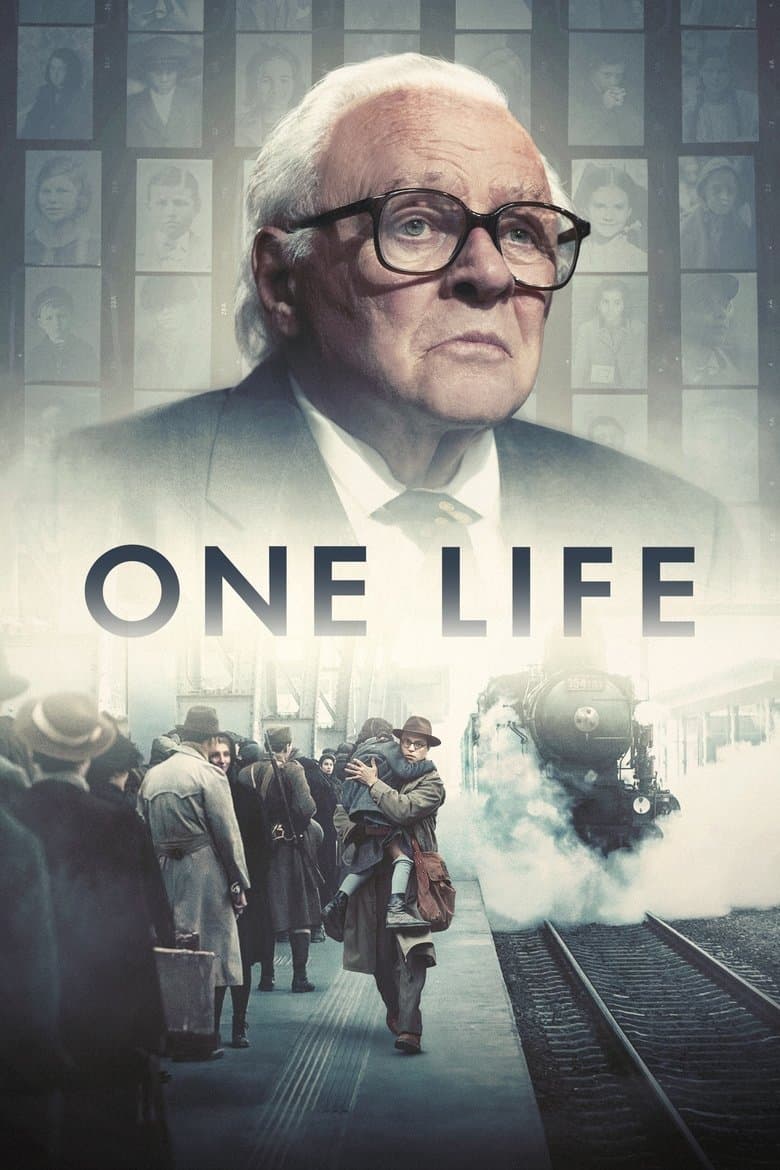
British stockbroker Nicholas Winton visits Czechoslovakia in the 1930s and forms plans to assist in the rescue of Jewish children before the onset of World War II, in an operation…

Movie · 2024
Inspired by the incredible true story of a hairdresser who single-handedly rallies an entire community to help a widowed father save the life of his critically ill young daughter.

Movie · 2023
Hirayama is content with his life as a toilet cleaner in Tokyo. Outside of his structured routine, he cherishes music on cassette tapes, books, and taking photos of trees.
Movie · 2016
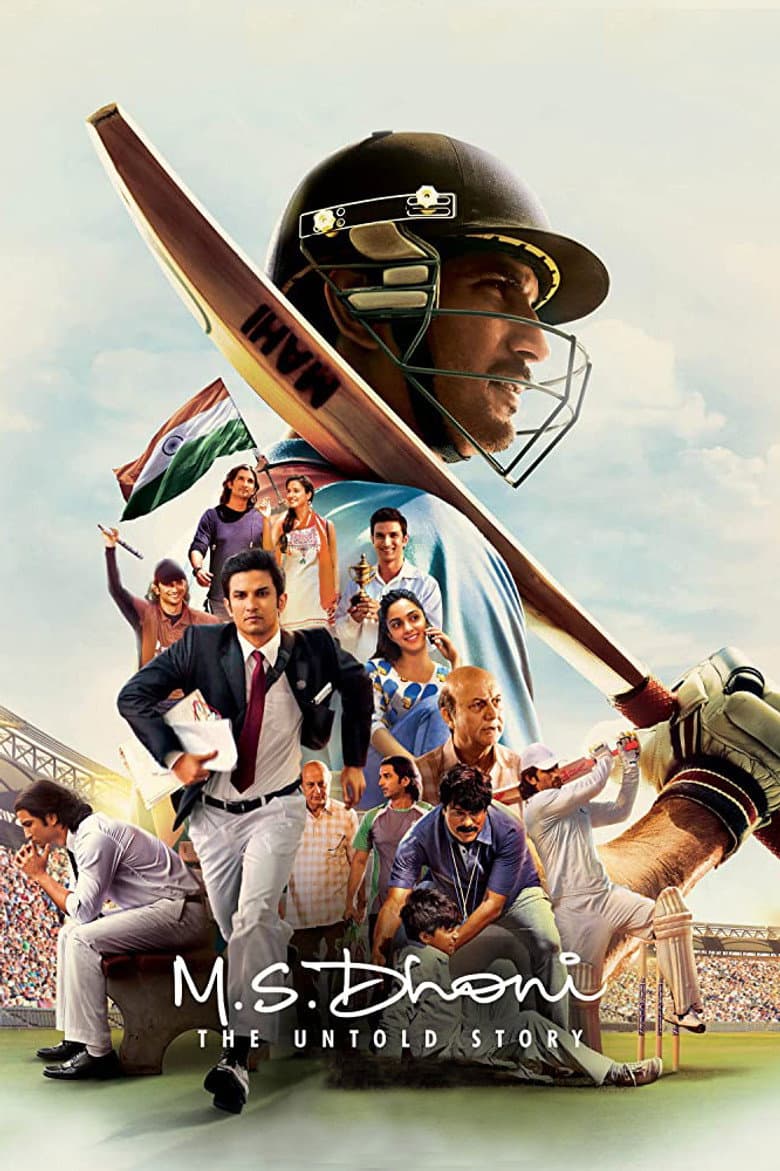
Based on the life story of Mahendra Singh Dhoni, and his journey to being the world cup winning captain of the Indian cricket team.
Movie · 2018
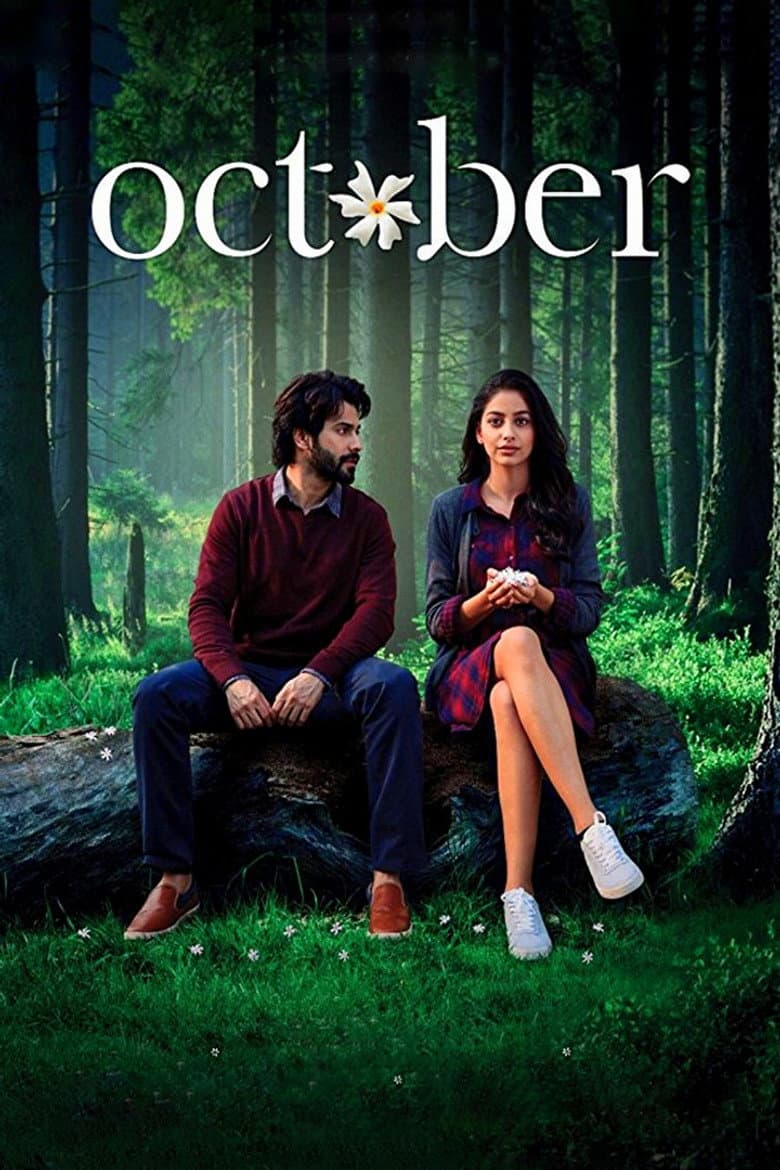
Dan, a 21-year-old carefree boy is always surrounded by a bunch of friends and fellow hotel interns who feed off each other's everyday moments, their ups and downs.

Movie · 2019
A look at the Apollo 11 mission to land on the moon led by commander Neil Armstrong and pilot Buzz Aldrin.

Movie · 2018
A father and daughter live a perfect but mysterious existence in Forest Park, a beautiful nature reserve near Portland, Oregon, rarely making contact with the world.

Movie · 2021
The enthralling, against-all-odds story that transfixed the world in 2018: the daring rescue of twelve boys and their coach from deep inside a flooded cave in Northern Thailand.
