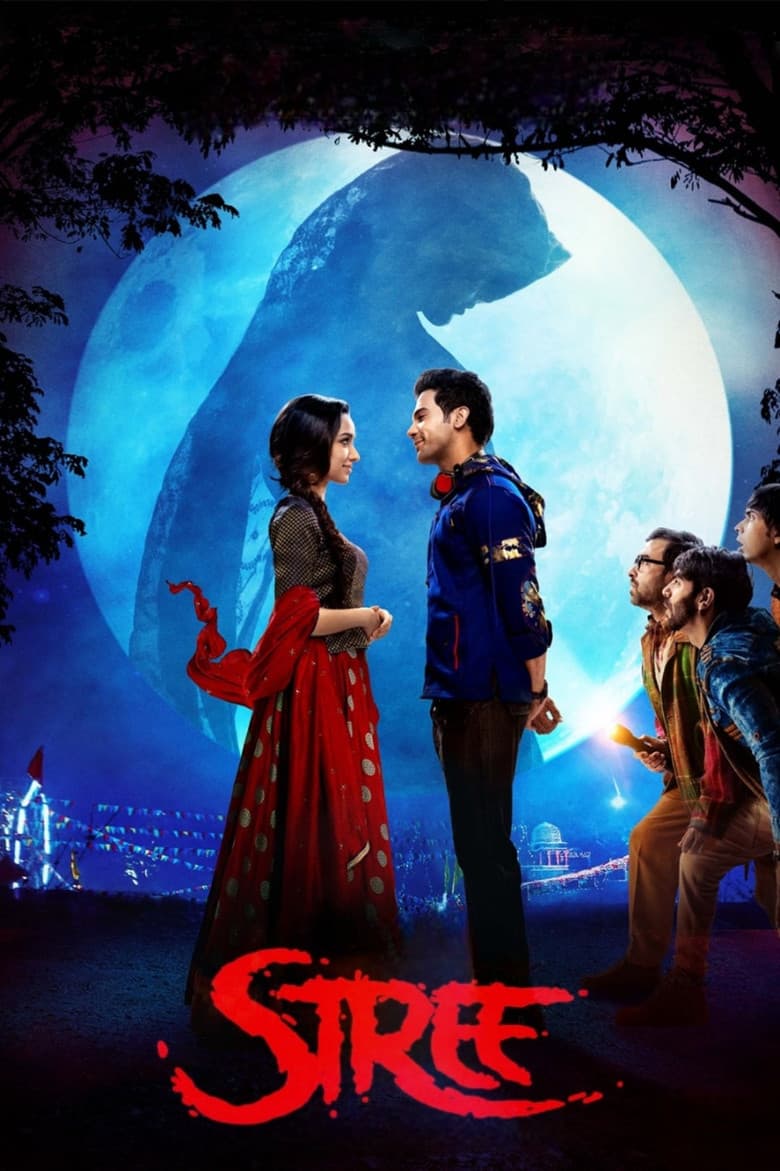
Stree follows Vicky, a young tailor in the small town of Chanderi in central India. During a four-night festival, a female spirit called Stree appears after dark and takes men away, leaving only their clothes behind. Vicky and his friends Bittu, Jana, and Rudra try to learn the rules of the haunting after Jana disappears. Vicky also falls for a quiet woman who visits his shop, so the mystery becomes personal. The film mixes scary scenes, silly jokes, folk magic, and a strange love story.
The film makes a clear gender-role reversal the center of its story. Men hide indoors, wear women’s clothes, and ask their wives to protect them, while women move freely and control the streets. Stree is shown as a woman who was punished after choosing love and who now wants respect and consent. Vicky learns that the town must face its cruel treatment of her instead of simply destroying her. The message about male power, women’s safety, and unfair social rules returns through the fear, jokes, dialogue, and ending, although a sexualized dance number weakens part of the message.
Community feedback
Was our 75% Woke rating accurate?
Breakdown
These are the editorial factors and ratings behind our score for Stree.
Woke representation / casting
Shraddha Kapoor plays the mysterious woman who drives the plot as a powerful supernatural figure. Gayatri also uses her own knowledge and magic to help save the town. The female roles are deliberately more powerful than the men in several important scenes, while the cast otherwise fits a small central Indian town. The film does not present race, ethnicity, or LGBTQ casting as a public identity statement. The gender pattern is important, but it belongs more to the story than to a diversity-focused cast design.
33%
Woke political dialogue
Rudra tells men to travel with a female escort and says Stree will take a man only after he turns back. Vicky calls Stree a modern, educated woman, and the film repeats that she respects consent. Men ask when they will be safe while the town jokes about their fear. Vicky later says the town must stop giving Stree the same cruel treatment. These lines carry a repeated gender message, but they are mostly jokes and short scenes rather than long speeches.
46%
Identity-driven story themes
The story makes gender-role reversal its main engine. A female spirit hunts men, while women stay safe on the streets and protect their husbands. The men hide indoors, wear saris, and ask their wives to come home early. Vicky learns that Stree was punished after choosing love, and the town must give her respect instead of killing her again. This message shapes the fear, the jokes, Vicky’s choice, and the final statue.
72%
Western institutional / cultural critique
The movie repeatedly treats male entitlement and old gender roles as a problem in Chanderi. The festival crowd treats a woman as something to look at, while men expect women to protect them. The story asks men to feel the fear and loss of freedom that women face. The criticism targets local male-dominated customs rather than Western institutions, Christianity, capitalism, or broad party politics. The tone remains a comic lesson inside the ghost story.
42%
Woke character or canon changes
The film is loosely based on the Nale Ba wall-writing legend from southern India. The writers said they took a story about a woman and imagined that she would hunt men, making gender reversal the film’s main change. The film also adds its own Chanderi characters instead of using a fixed franchise cast. No famous historical person or established screen character is rewritten. The source change is important, but it comes from a loose folk adaptation.
30%
Anti-woke backlash and complaints
A few small X accounts later grouped Stree with later films and called it preachy feminism or woke propaganda. One viewer objected that the women seemed pleased that the spirit targeted men. The claims had little reach, and the louder “feminist propaganda” talk was about Stree 2, so no boycott, review-bombing, or major anti-woke news cycle is documented for the 2018 film.
8%
Creator track record context
Amar Kaushik has linked the film to women’s empowerment and social relevance. Raj and DK have described its male-targeting ghost and gender-role play as part of the film’s main idea. Dinesh Vijan’s production record includes several socially themed genre films. The wider team has representation-aware work but no strong partisan activist persona.
51%
Production
Movie · 2019
Columbus, Tallahassee, Wichita, and Little Rock move to the American heartland as they face off against evolved zombies, fellow survivors, and the growing pains of the snarky…
Movie · 2025
When twin brothers find a mysterious wind-up monkey, a series of outrageous deaths tear their family apart. Twenty-five years later, the monkey begins a new killing spree forcing…
Movie · 2024
A family's vacation to a remote getaway takes an unexpected turn when they discover the present-day implications of the island's cannibalistic past.
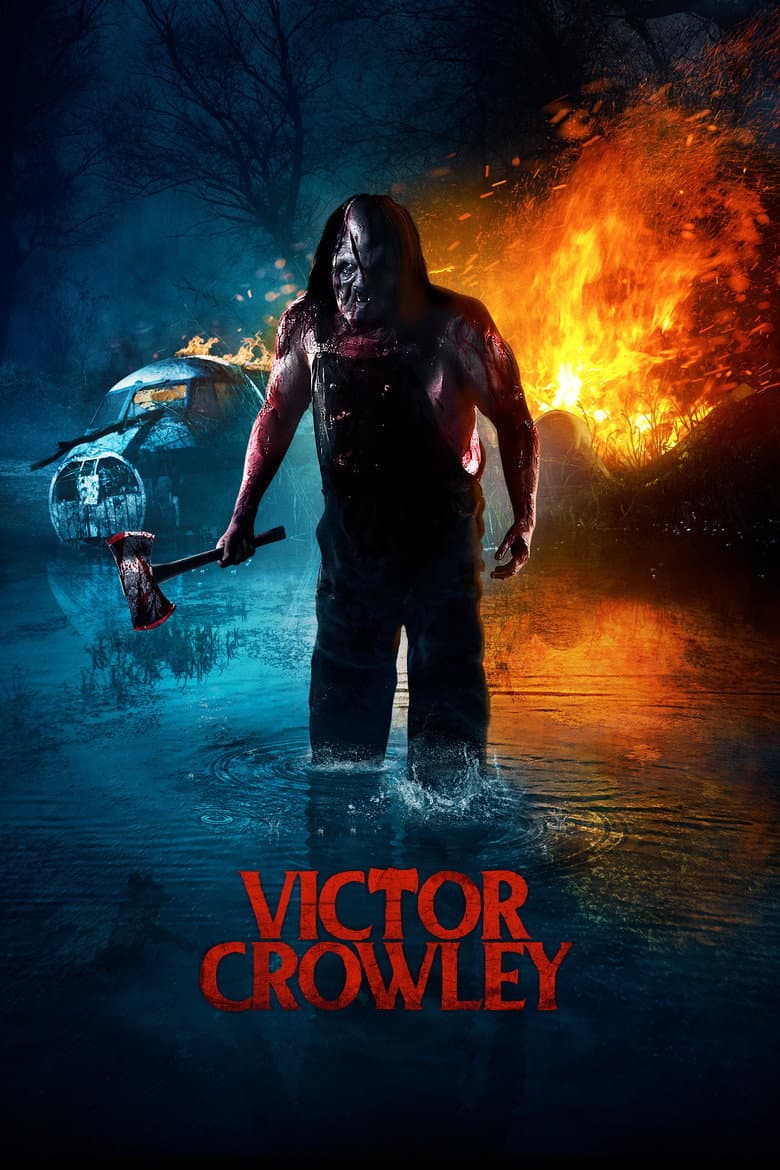
Movie · 2017
Ten years ago, over forty people were brutally torn to pieces in Louisiana’s Honey Island Swamp. Over the past decade, lone survivor Andrew’s claims that local legend Victor…
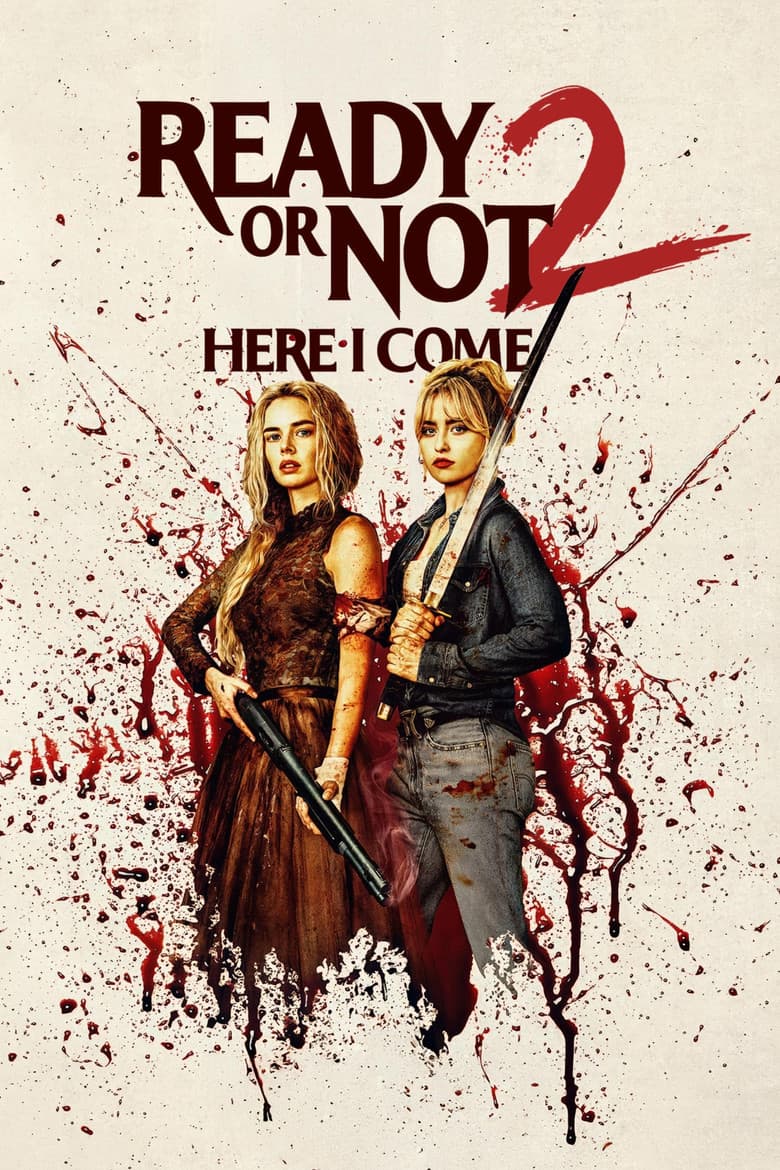
Movie · 2026
Moments after surviving an all-out attack from the Le Domas family, Grace discovers she’s reached the next level of the nightmarish game — and this time with her estranged sister…
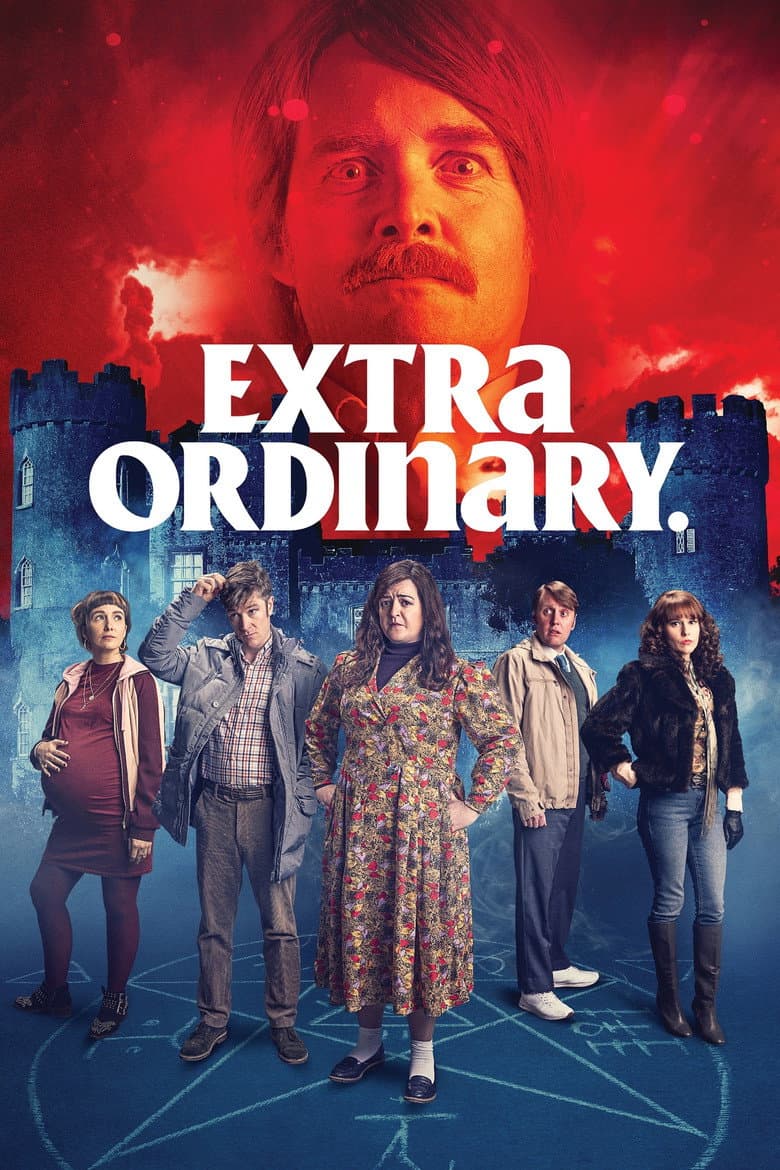
Movie · 2019
A driving instructor must use her other-worldly gifts to save a lonely man’s daughter from a rock star looking to use her for Satanic purposes.
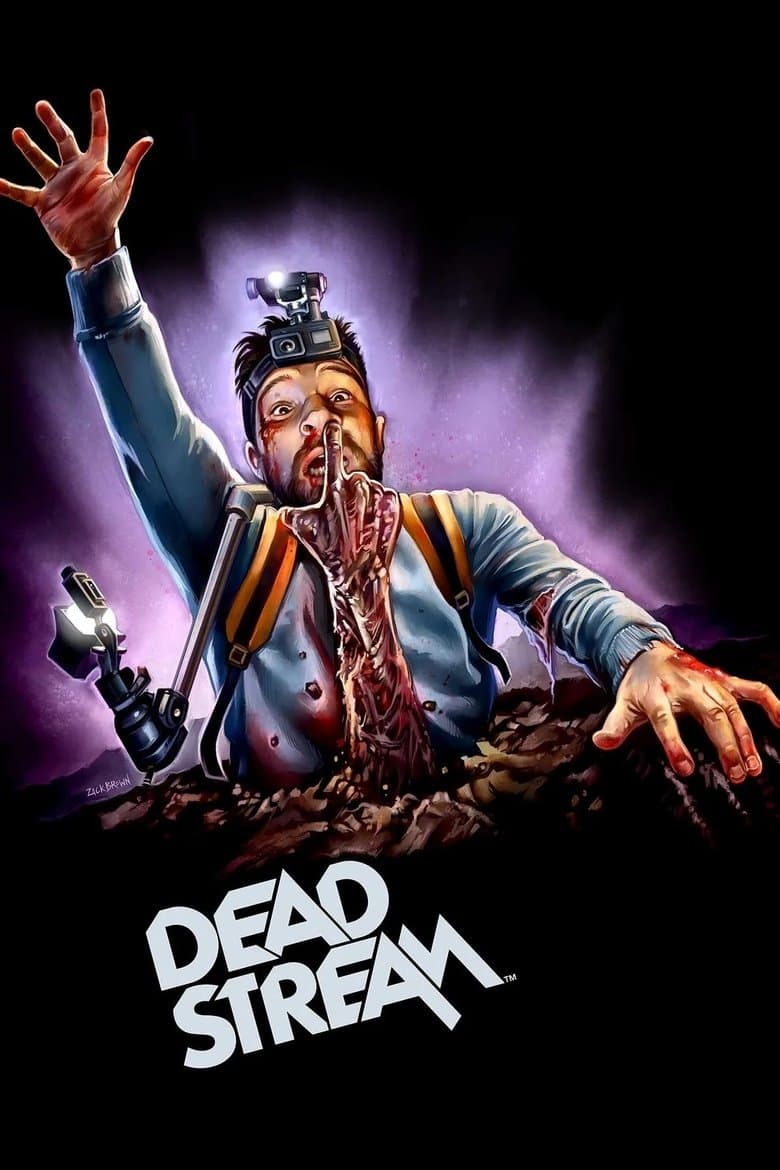
Movie · 2022
A disgraced internet personality attempts to win back his followers by livestreaming one night alone in a haunted house.
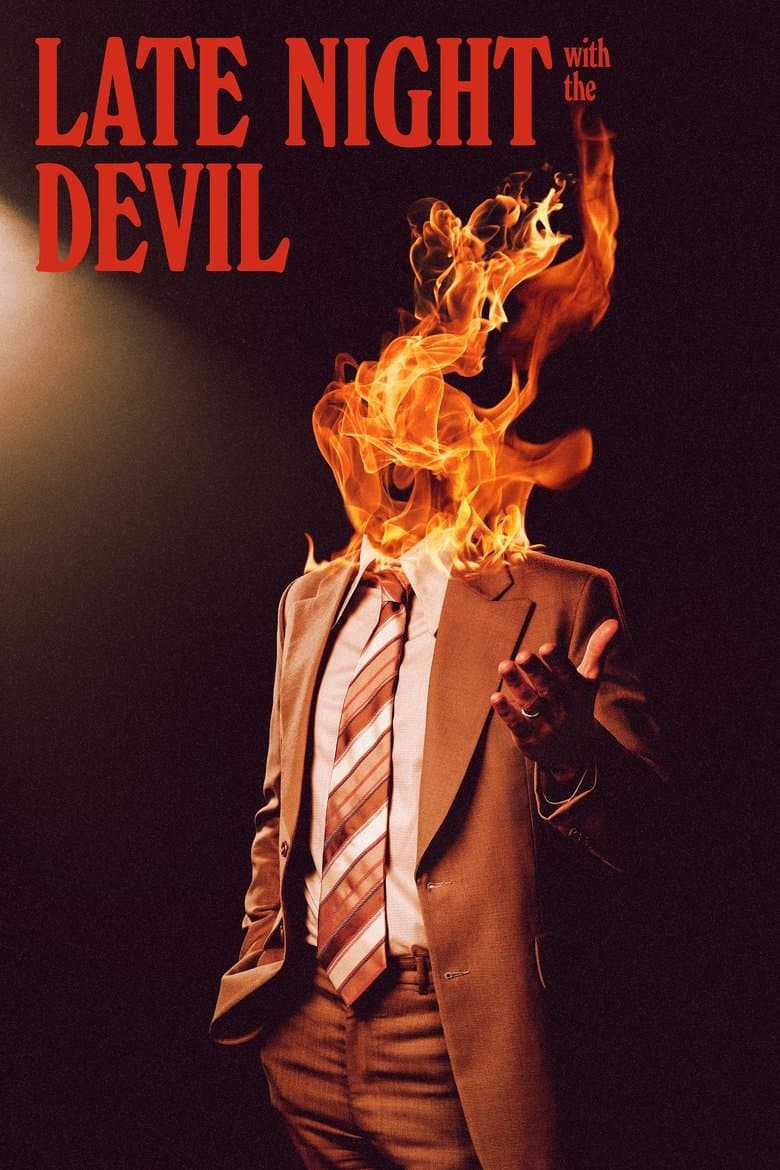
Movie · 2024
A live broadcast of a late-night talk show in 1977 goes horribly wrong, unleashing evil into the nation's living rooms.
