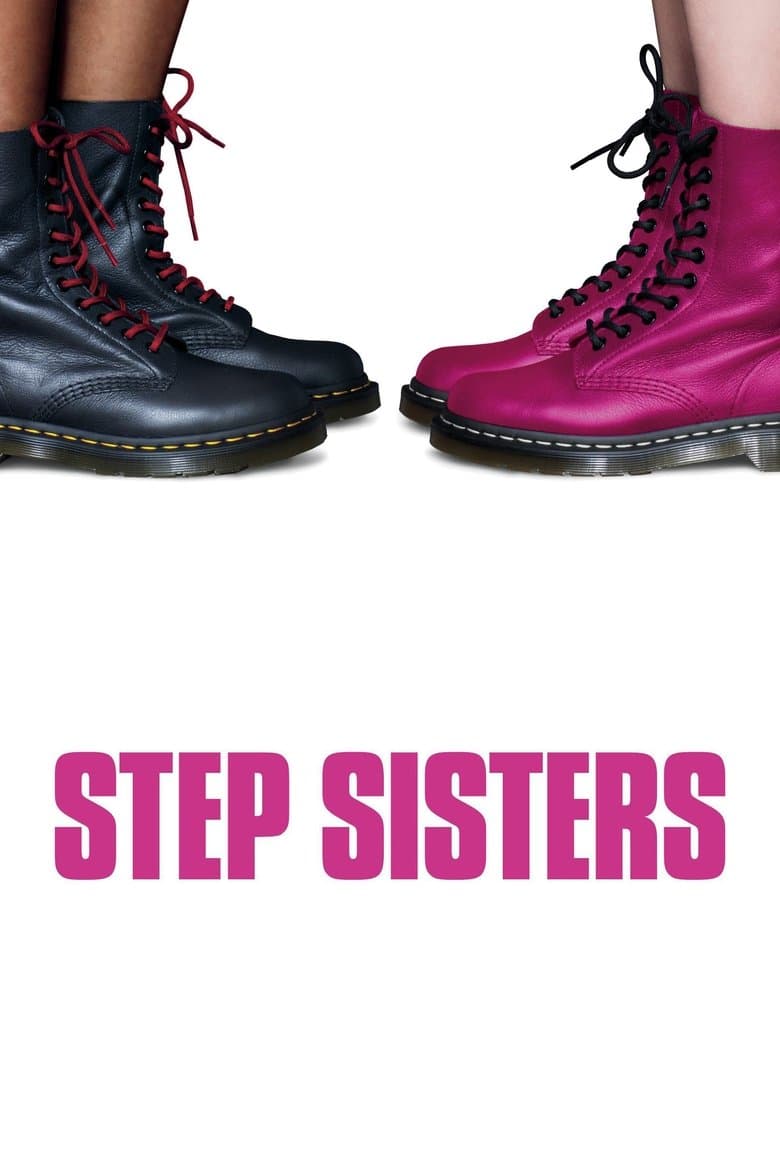
Jamilah Bishop is a high-achieving college senior at fictional Westcott University. She leads a black sorority and its winning step team, and she plans to attend Harvard Law School. When a mostly white sorority embarrasses the school, the dean orders Jamilah to train the girls for a major step contest in return for help with her law school plans. The film is a bright, crude dance comedy about rivalry, romance, pressure, and friendship.
Race and cultural identity sit at the center of the plot. Jamilah must decide whether teaching white students a black college tradition is respectful sharing or cultural appropriation. The groups challenge each other’s stereotypes, and a black student in the white sorority faces rejection for seeming too whitewashed. The movie also puts women in charge, includes an openly gay dean, and shows an interracial romance. These ideas shape the main conflict and return in jokes, arguments, and the final message about sharing culture and building sisterhood.
Community feedback
Was our 64% Woke rating accurate?
Breakdown
These are the editorial factors and ratings behind our score for Step Sisters.
Woke representation / casting
The main cast centers on a black woman who leads a black sorority and teaches an almost all-white sorority. The film also gives prominent roles to an openly gay dean, an interracial couple, and a black student placed inside the white sorority. These choices make race, gender, and sexuality easy to notice. The college setting can support this mix, and most choices serve the story, so the score stays moderate.
42%
Woke political dialogue
The characters repeatedly discuss Black Greek culture and whether white students are taking it. The script jokes about race, hashtags, being a sellout, and a liberal white boyfriend. Dane describes white people as tied to imperialism and other past abuses, and Jamilah says he treats her as proof of his liberal image. These lines appear in several important scenes and support the main conflict.
54%
Identity-driven story themes
Jamilah's main problem is whether teaching a white sorority a black stepping tradition is cultural exchange or cultural appropriation. The sororities argue about who may use the tradition, and a black student is rejected for acting too white. The story also treats interracial dating, racial stereotypes, and personal identity as part of Jamilah's growth. The ending favors shared culture and sisterhood, but identity questions drive the story from beginning to end.
65%
Western institutional / cultural critique
The college dean uses Jamilah's future as a reward for fixing a school public relations problem. The film also mocks sorority gatekeeping, slut-shaming, racial stereotypes, and a white boyfriend who treats Jamilah as proof of his liberal views. These points give the movie some modern social criticism. The story does not spend much time attacking Western institutions or family life.
28%
Woke character or canon changes
Not relevant. The movie is an original story about fictional students and sororities. It does not change an older character or a real historical event.
0%
Anti-woke backlash and complaints
Not present. Reported complaints came from black viewers and writers who said the film risked cultural appropriation. Those complaints opposed the film's handling of race, not woke or left-wing messaging.
0%
Creator track record context
Lena Waithe has a strong record of queer and black representation work. Ben Cory Jones has a strong record of supporting black and LGBTQ storytellers. Charles Stone III and Chuck Hayward have no notable activist record in the available creator context. The mixed team adds a moderate signal, while the film itself supplies most of the visible identity content.
45%
Production
Movie · 2022
Exploring every facet of ‘Weird Al’ Yankovic’s life, from his meteoric rise to fame with early hits like ‘Eat It’ and ‘Like a Surgeon’ to his torrid celebrity love affairs and…
Movie · 2018
Adam Sandler takes his comical musical musings back out on the road, from comedy clubs to concert halls to one very unsuspecting subway station.
Movie · 2016
A comedy that follows a group of friends as they navigate their way through the freedoms and responsibilities of unsupervised adulthood.
Movie · 2016
Two teenage boys from inner-city Cork steal bicycles and ride off on a 160km quest to find an unrecovered bale of cocaine worth 7,000,000 euros.
Movie · 2023
From his onstage tackle to the slap heard round the world, Dave Chappelle lets loose in this freewheeling and unfiltered stand-up comedy special.
Movie · 2022
Maurice Flitcroft, a dreamer and unrelenting optimist, managed to gain entry to The British Open Golf Championship qualifying in 1976 and subsequently shot the worst round in Open…
Movie · 2023
A chaotic intervention. An action-packed stay in rehab. After a weird couple of years, John Mulaney comes out swinging in his return to the stage.
Movie · 2024
Inseparable best friends AJ and Moose decide to run the local pool's snack shack after their plan to sell home-brewed beer goes down the drain.
