Movie review
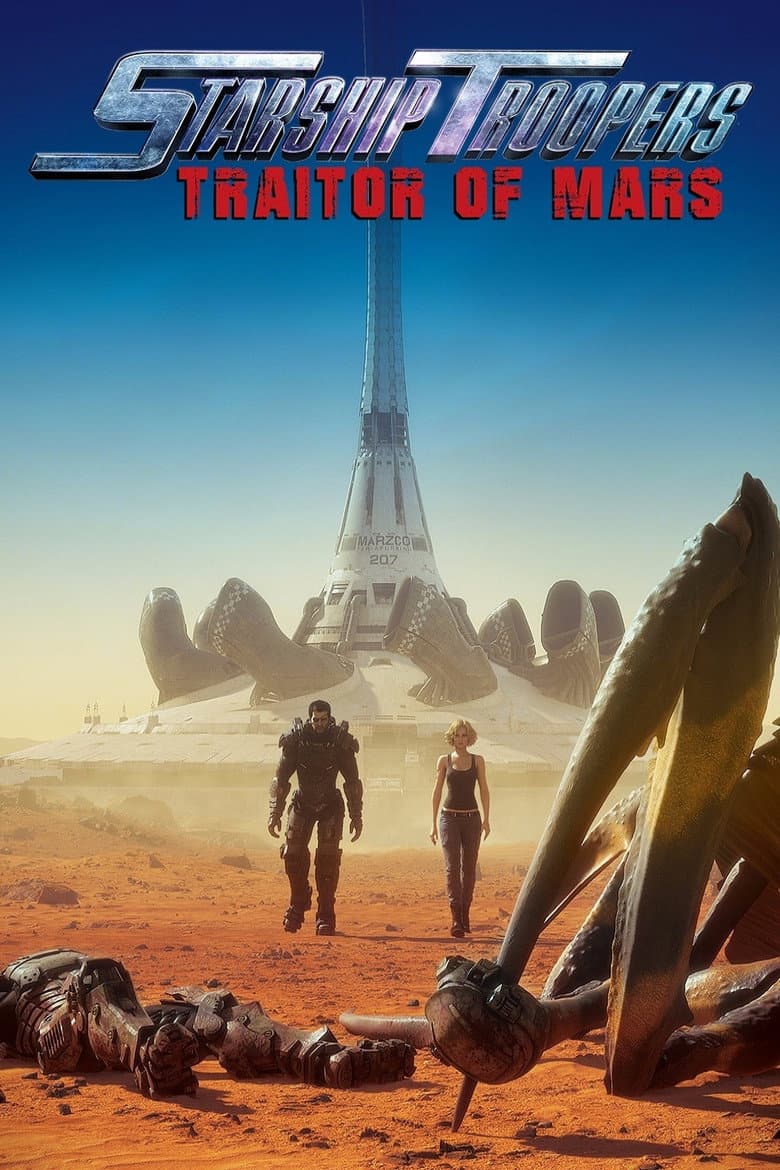
Johnny Rico is a tired Federation soldier who has been demoted after an earlier mission. He is sent to a station near Mars to train a weak group of new troopers. Giant Bugs attack the planet while the Federation fleet fights far away. Rico and his recruits must survive the invasion and stop a plan to destroy Mars. The movie mixes violent space battles, dark jokes, and a rough military adventure.
The film also follows Sky Marshal Amy Snapp, who uses fear, news clips, approval numbers, and staged speeches to win support. She treats the people of Mars as a problem and plans to destroy the planet while blaming another officer. The story presents her plan as corrupt and asks viewers to question leaders, war messages, and fake news. These political ideas return through the story, but the main action still centers on Rico fighting Bugs and saving his team.
Community feedback
Was our 50% Woke rating accurate?
Breakdown
These are the editorial factors and ratings behind our score for Starship Troopers: Traitor of Mars.
Woke representation / casting
Not present. The movie includes women in military and leadership roles, along with a mixed future Federation cast. The story does not present those choices as a diversity campaign or identity message.
0%
Woke political dialogue
FedNet clips repeatedly frame Martian independence as selfish and dangerous. Amy Snapp uses approval numbers, fear of Bugs, and staged applause to sell a planet-killing attack. Other broadcasts treat the Martians as childish or less responsible because of their desire for rights and freedom. The film tells viewers to question leaders, media stories, and military orders.
52%
Identity-driven story themes
The film treats the Martians as a separate population whose wish for local freedom is dismissed by Earth. Amy Snapp turns their home, customs, and political views into reasons to hate them. The story rejects that treatment and makes stopping mass punishment part of the heroes’ mission. This creates a clear outsider and prejudice theme inside the science-fiction conflict.
38%
Western institutional / cultural critique
FedNet shows a Federation leader using staged applause, approval ratings, and fear to shape public opinion. The government calls the Martians childish and plans to destroy their planet to scare other colonies into obedience. The plot treats this use of military power and media as corrupt. Rico and his allies must disobey orders and expose the plan.
58%
Woke character or canon changes
Not relevant. Dizzy returns as a telepathic projection, but the movie does not change her race, gender, sexuality, or established role. Rico’s demotion and the Q-bomb plan are ordinary story changes.
0%
Anti-woke backlash and complaints
Not present. The X research pass found no anti-woke posts or named complaints. Other reviews and fan posts argued about quality and politics, but no clear complaint said the film pushed DEI or identity politics.
0%
Creator track record context
Edward Neumeier mainly writes about war, propaganda, and authority rather than identity politics. His comments about this film focused on government abuse, media popularity, and questioning orders. The directors and producers have no clear public record of DEI activism.
10%
Production
Movie · 2022
After discovering he has powers, 11-year-old Jonathan Kent and assassin-turned-Boy-Wonder Damian Wayne must join forces to rescue their fathers (Superman & Batman) and save the…
Movie · 2016
The magical kingdom of Lucis is home to the world’s last remaining Crystal, and the menacing empire of Niflheim is determined to steal it.

Movie · 2024
Death is coming. Worse than death: oblivion. Not just for our Earth, but for everyone, everywhere, in every universe!
Movie · 2017
Tara Markov is a girl who has power over earth and stone; she is also more than she seems. Is the newest Teen Titan an ally or a threat?
Movie · 2016
After being brutally murdered in a subway station, a teen boy awakens to find himself resurrected by a strange computer named Gantz, and forced to fight a large force of invading…
Movie · 2022
The Red Ribbon Army, an evil organization that was once destroyed by Goku in the past, has been reformed by a group of people who have created new and mightier Androids, Gamma 1…
Movie · 2017
When a fearless enemy out for revenge unleashes a brutal and deadly new virus, BSAA captain Chris Redfield enlists the help of Agent Leon S.

Movie · 2021
In the aftermath of the Fourth Impact, stranded without their Evangelions, Shinji, Asuka and Rei find refuge in one of the rare pockets of humanity that still exist on the ruined…
