
Movie review
March 8, 2021 · 155 min · NR · Japanese · Sci-Fi · Animation · Action · Drama
Shinji Ikari is a withdrawn teenager who helped cause a ruined world through the Evangelion machines. Fourteen years after the last disaster, he travels through red wastelands with Asuka and a Rei clone. The group finds a small farming village where survivors rebuild daily life while NERV prepares another impact. The film moves from quiet village scenes to violent battles and a strange inner world, and its tone shifts from despair toward hope.
The story focuses on grief, broken families, fear of closeness, and the hard work of becoming an adult. Rei learns ordinary human life in the village, but her body cannot survive outside the system that made her. Shinji faces his father and chooses a world without Evangelions, which lets the characters leave their repeating pain behind. Kaworu remains tied to Shinji through grief and a close same-sex bond, while the film places that bond inside a wider story about healing.
Community feedback
Was our 11% Woke rating accurate?
Breakdown
These are the editorial factors and ratings behind our score for Evangelion: 3.0+1.0 Thrice Upon a Time.
Woke representation / casting
Not present. The main pilots and officers are Japanese characters in a Japanese setting. The film does not frame its casting as a diversity or identity campaign.
0%
Woke political dialogue
Not present. Characters talk about war, trauma, family, and the end of the world. The film does not use modern identity, DEI, or activist speech.
0%
Identity-driven story themes
Shinji grieves Kaworu, a boy whose bond with him is shown as emotionally intimate and often read as romantic. The film returns to Kaworu during Shinji’s withdrawal, memories, and inner-world conversation. Rei also struggles to live as a person instead of a tool made by others. The main message remains healing, adulthood, and ordinary life.
22%
Western institutional / cultural critique
Not present. Gendo and NERV control people and use children in a science fiction power struggle. The film does not turn that conflict into a modern attack on Western culture, capitalism, or traditional institutions.
0%
Woke character or canon changes
Not relevant. The film changes its own Rebuild timeline and ending, but those changes serve plot and closure. It does not change a known character’s race, sex, or identity to make a representation point.
0%
Anti-woke backlash and complaints
Not present. A fringe article disputed a CBR claim that Rei’s clone status made her LGBTQ, but it did not show a broad complaint that the film pushes woke or DEI ideas. The X research pass found no anti-woke reaction and no specific complaints.
0%
Creator track record context
Hideaki Anno’s cached creator score is 4/100. Kazuya Tsurumaki, Mahiro Maeda, Katsuichi Nakayama, and Tomoyuki Ogata have cached scores of 0/100. Their documented work centers on animation, science fiction, psychology, and production rather than DEI or activist campaigns.
2%
Production
Movie · 2018
Batman, along with many of his allies and adversaries, finds himself transported to feudal Japan by Gorilla Grodd's time displacement machine.
Movie · 2022
The Red Ribbon Army, an evil organization that was once destroyed by Goku in the past, has been reformed by a group of people who have created new and mightier Androids, Gamma 1…
Movie · 2024
Popular, outgoing Fujino is celebrated by her classmates for her funny comics in the class newspaper. One day, her teacher asks her to share the space with Kyomoto, a truant…
Movie · 2024
Now fully revealed as the ultimate threat to existence, the Anti-Monitor wages an unrelenting attack on the surviving Earths that struggle for survival in a pocket universe.
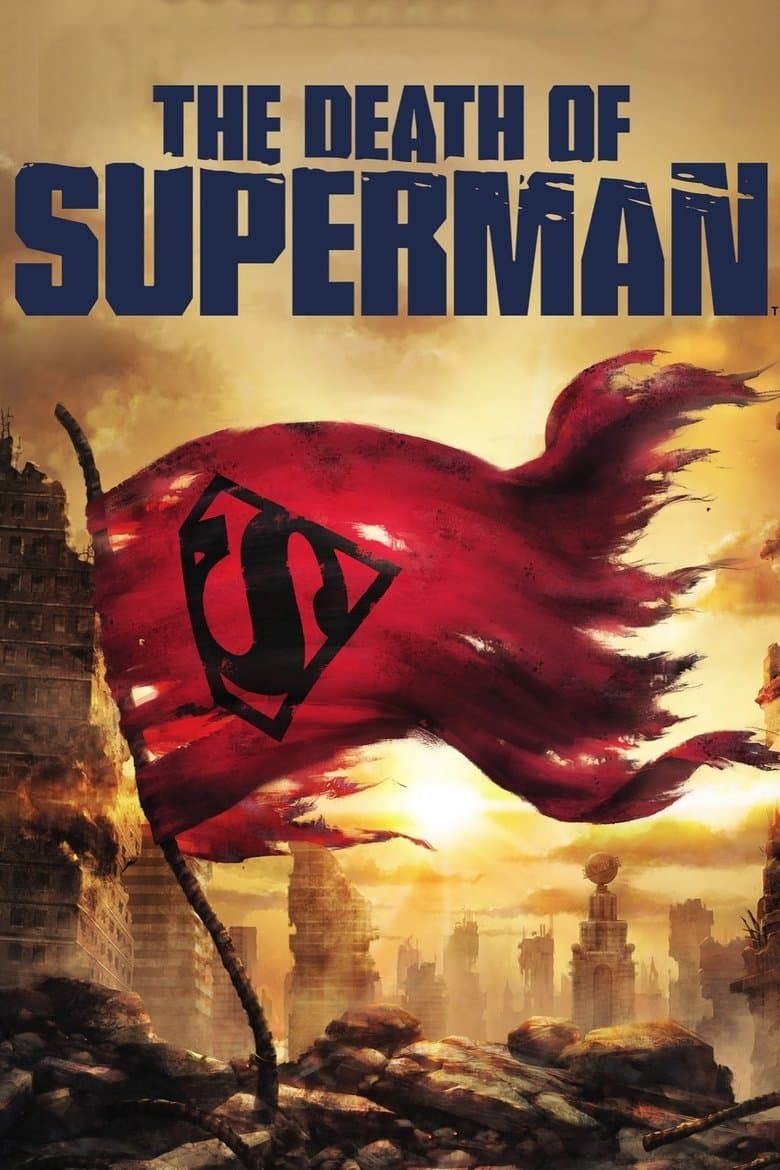
Movie · 2019
When a hulking monster arrives on Earth and begins a mindless rampage, the Justice League is quickly called in to stop it.
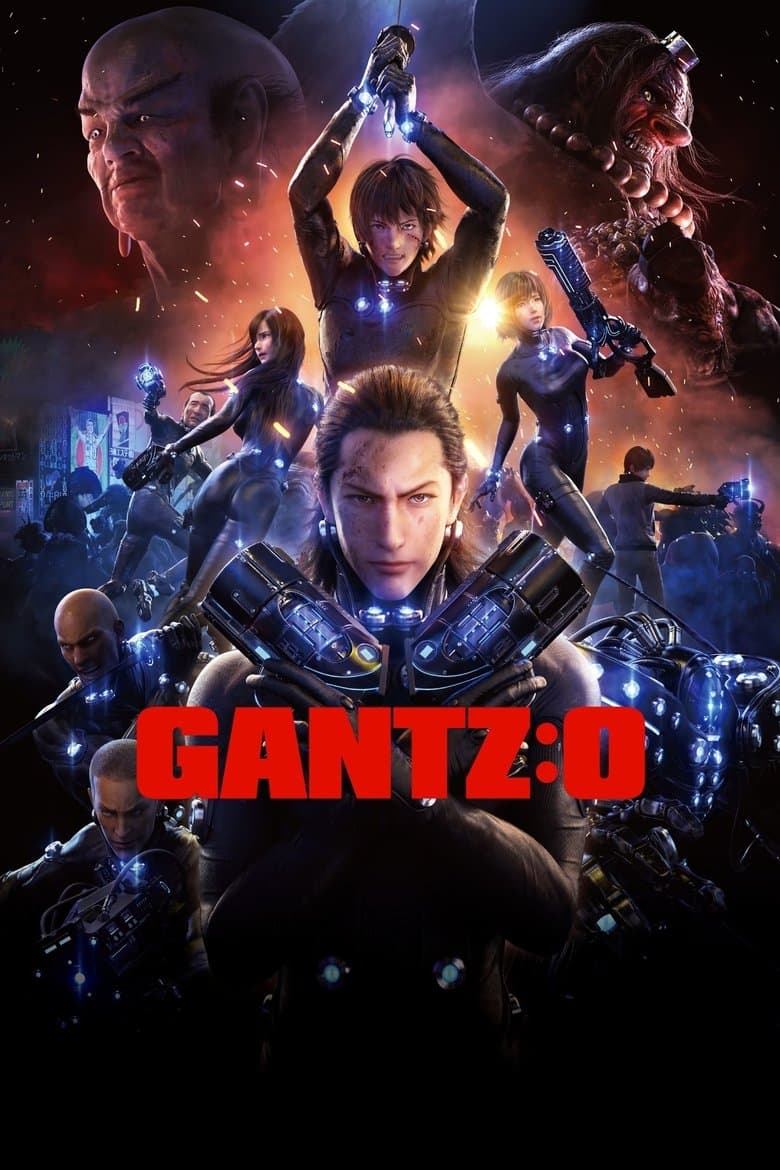
Movie · 2016
After being brutally murdered in a subway station, a teen boy awakens to find himself resurrected by a strange computer named Gantz, and forced to fight a large force of invading…
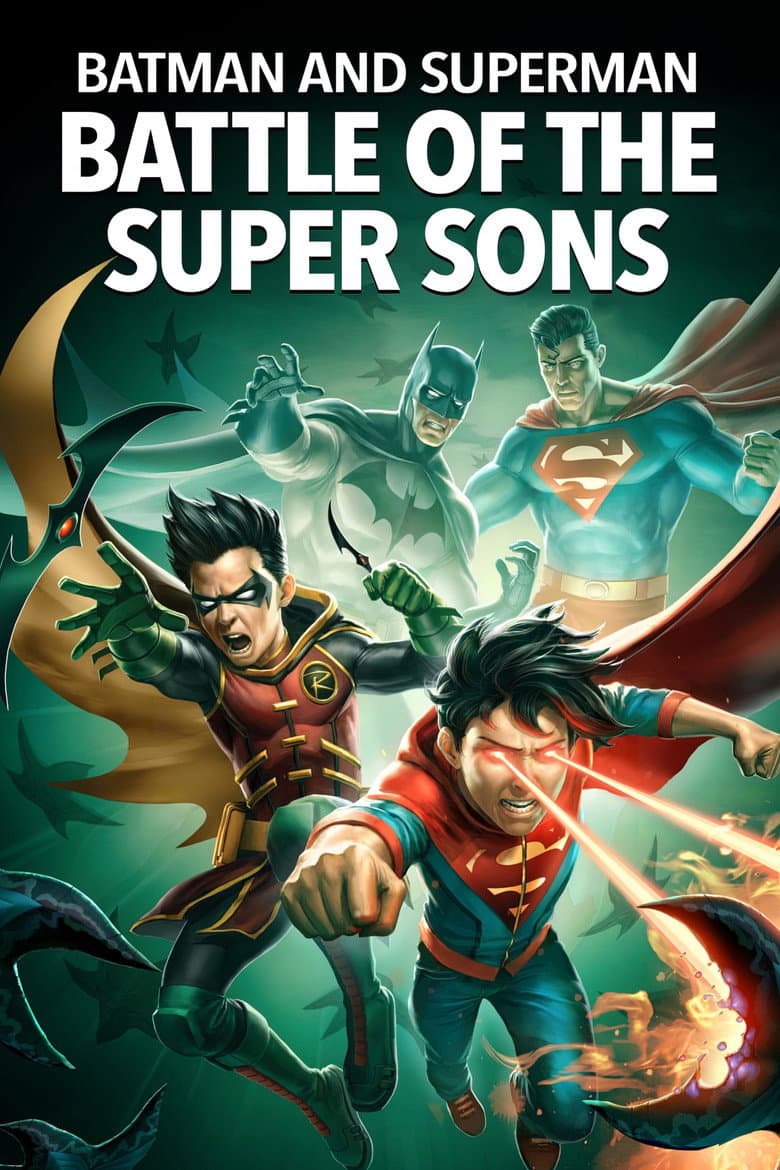
Movie · 2022
After discovering he has powers, 11-year-old Jonathan Kent and assassin-turned-Boy-Wonder Damian Wayne must join forces to rescue their fathers (Superman & Batman) and save the…
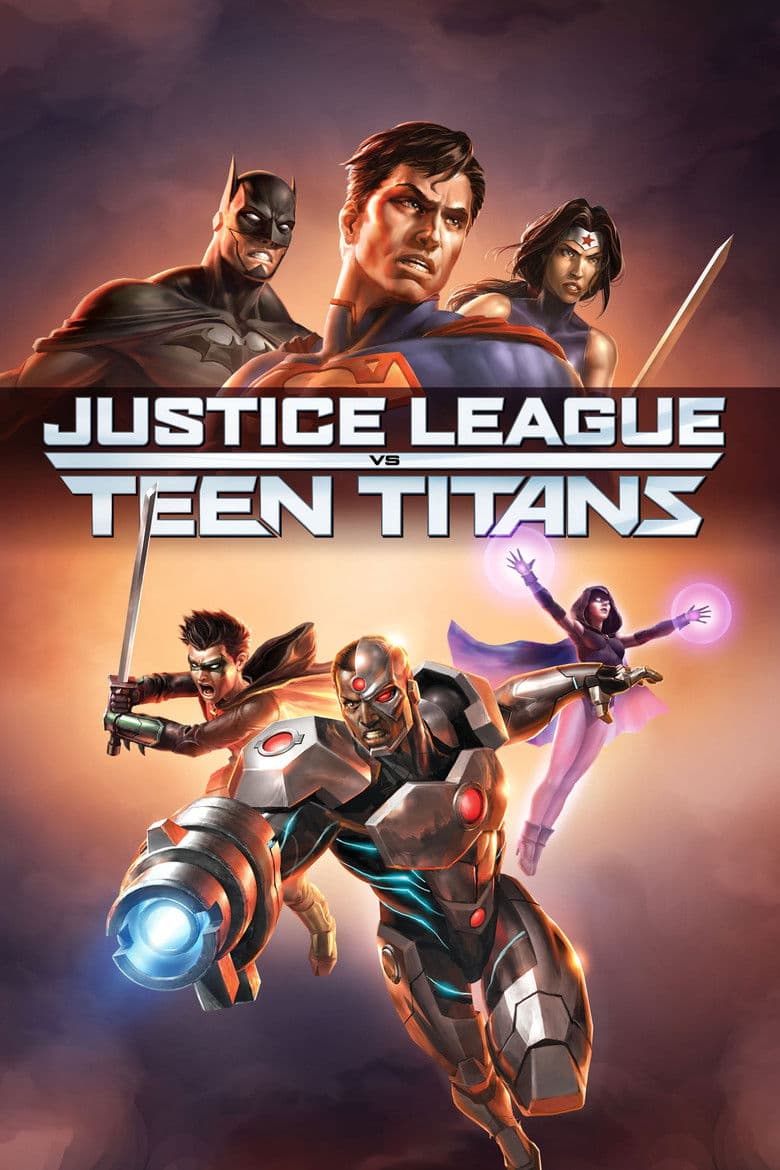
Movie · 2016
Robin is sent by Batman to work with the Teen Titans after his volatile behavior botches up a Justice League mission.
