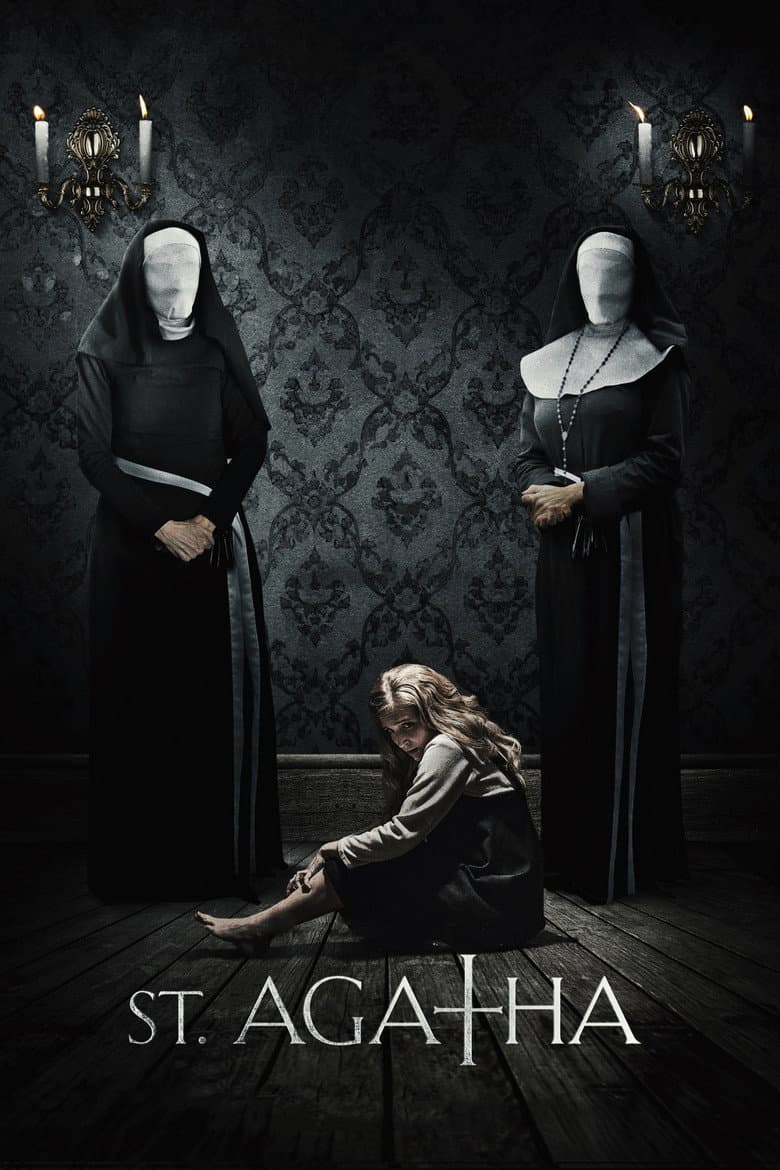
St. Agatha follows Mary, a pregnant con woman who runs from trouble in 1957 Georgia. She enters an isolated convent because she needs a safe place to have her baby. Mother Superior and the nuns soon drug her, lock her away, and hide a cruel plan to take the babies from the young women. The film has a grim horror tone, with torture, fear, blood, and a fight for survival.
The film puts women at the center as victims, guards, and fighters, and its main conflict is about control of female bodies and motherhood. The convent changes Mary's name, forces silence, and treats the girls as property while wealthy donors profit from their children. Mary grows from a frightened runaway into a determined survivor who works with the other women to fight back. The story also presents religious authority as a cover for abuse, although the convent is shown as a rogue group rejected by the Vatican.
Community feedback
Was our 49% Woke rating accurate?
Breakdown
These are the editorial factors and ratings behind our score for St. Agatha.
Woke representation / casting
The convent’s main cast is made up mostly of women, with Mary and Mother Superior in the main roles. The story needs a home for pregnant women, so that gender pattern fits the setting. The distributor still called the film a “female-driven” horror movie with “strong female characters,” which adds a mild identity signal to the casting.
18%
Woke political dialogue
Not present. The film has harsh talk about pregnancy, sin, and obedience, but it does not use modern identity or activist speeches.
0%
Identity-driven story themes
The story repeatedly centers on women losing control of their bodies, pregnancies, names, and children. Mother Superior forces the girls into silence and treats their babies as goods for sale. Mary grows from a frightened runaway into a survivor who helps the other women fight back. The plot becomes a clear story about forced motherhood, female control, and bodily choice, and Bousman linked those ideas to current arguments about Planned Parenthood.
62%
Western institutional / cultural critique
The convent uses Christian language and authority to hide torture, silence, and baby selling. The priest, doctor, sheriff, and donors help the system work, so the criticism reaches beyond one bad nun. The film says the Vatican rejected Mother Superior, which limits the attack on the whole Catholic Church. The story still presents religious power and local institutions as tools that protect abuse. The film does not build a broad attack on all Western religion or modern capitalism.
45%
Woke character or canon changes
Not relevant. The movie is an original story and does not change an established character, source, or real event.
0%
Anti-woke backlash and complaints
Not present. No reliable anti-woke campaign, boycott, review-bomb, or organized complaint was found in the searched coverage. The supplied X pass also found no anti-woke reaction.
0%
Creator track record context
The director is mainly known for horror and has publicly focused on entertainment. The writers and most producers have no reported activist or identity-first pattern. Producer Tara Ansley has a stronger record of supporting women and queer representation. The mixed record gives the film a mild creator-context signal.
18%
Production

Movie · 2023
Recently fired and desperate for work, a troubled young man named Mike agrees to take a position as a night security guard at an abandoned theme restaurant: Freddy Fazbear's…

Movie · 2018
Two sisters are trapped under the fiberglass cover of an Olympic sized public pool and must brave the cold and each other to survive the harrowing night.

Movie · 2022
Finney Blake, a shy but clever 13-year-old boy, is abducted by a sadistic killer and trapped in a soundproof basement where screaming is of little use.
Movie · 2017
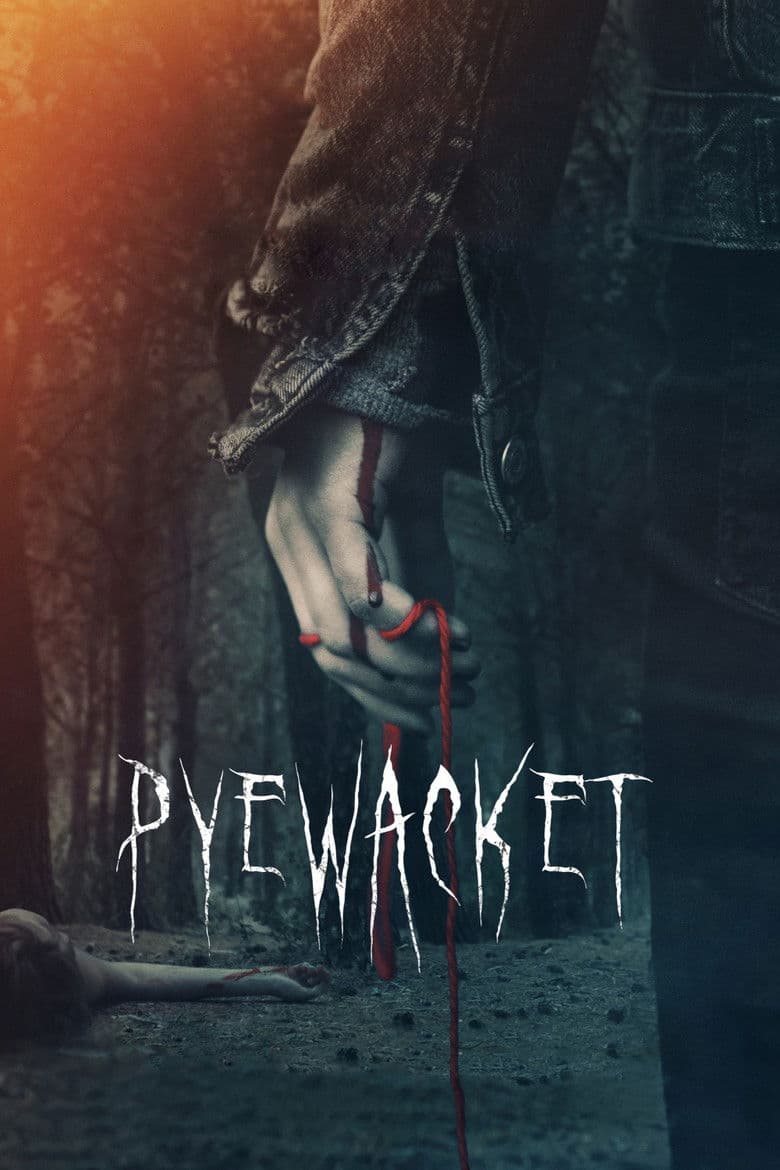
A frustrated, angry teenage girl awakens something in the woods when she naively performs an occult ritual to invoke a witch to kill her mother.
Movie · 2021
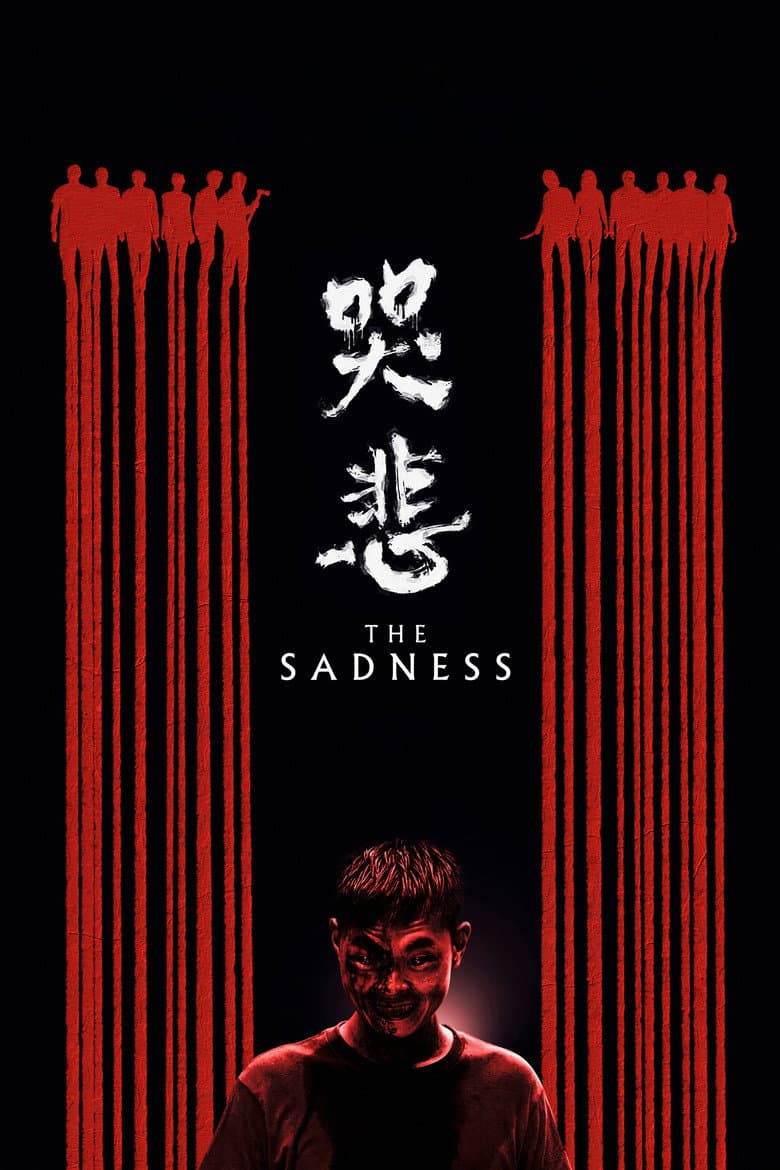
A young couple is pushed to the limits of sanity as they attempt to be reunited amid the chaos of a pandemic outbreak.
Movie · 2024
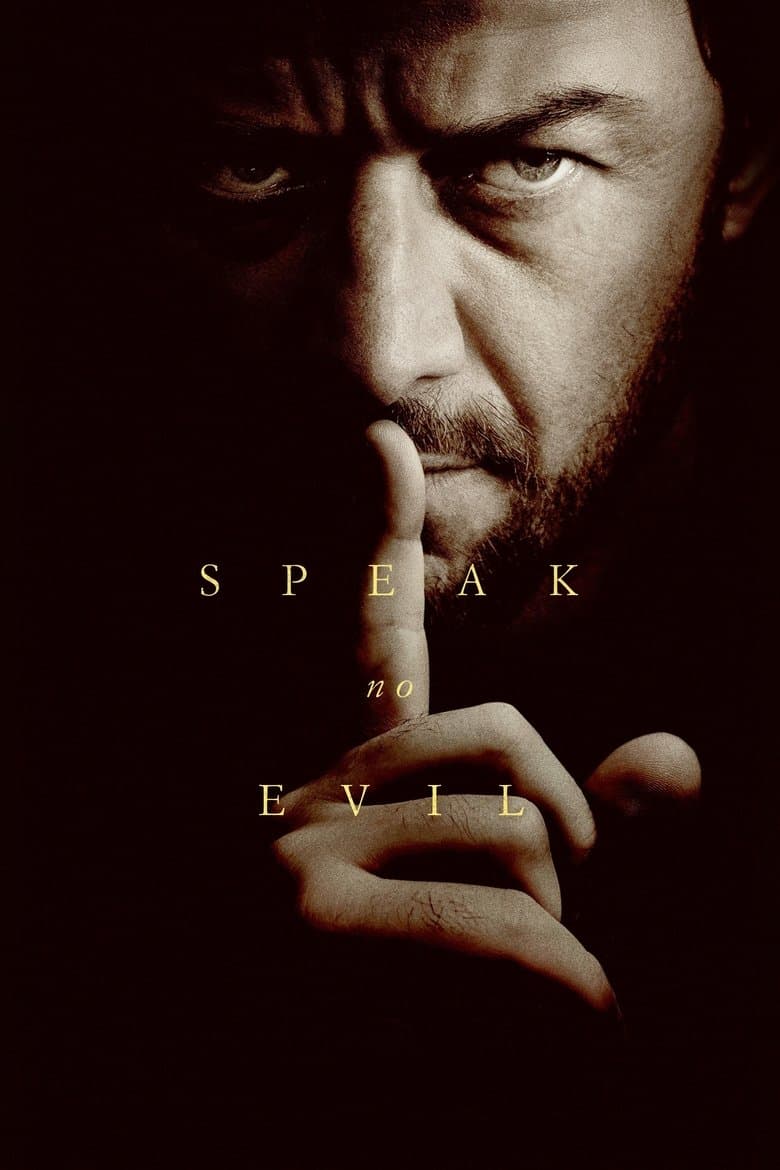
When an American family is invited to spend the weekend at the idyllic country estate of a charming British family they befriended on vacation, what begins as a dream holiday soon…

Movie · 2018
Laurie Strode comes to her final confrontation with Michael Myers, the masked figure who has haunted her since she narrowly escaped his killing spree on Halloween night four…

Movie · 2018
Three teenage thieves infiltrate a mansion dinner party, unaware that it is secretly being hosted by a serial killer cult for the social elite.
