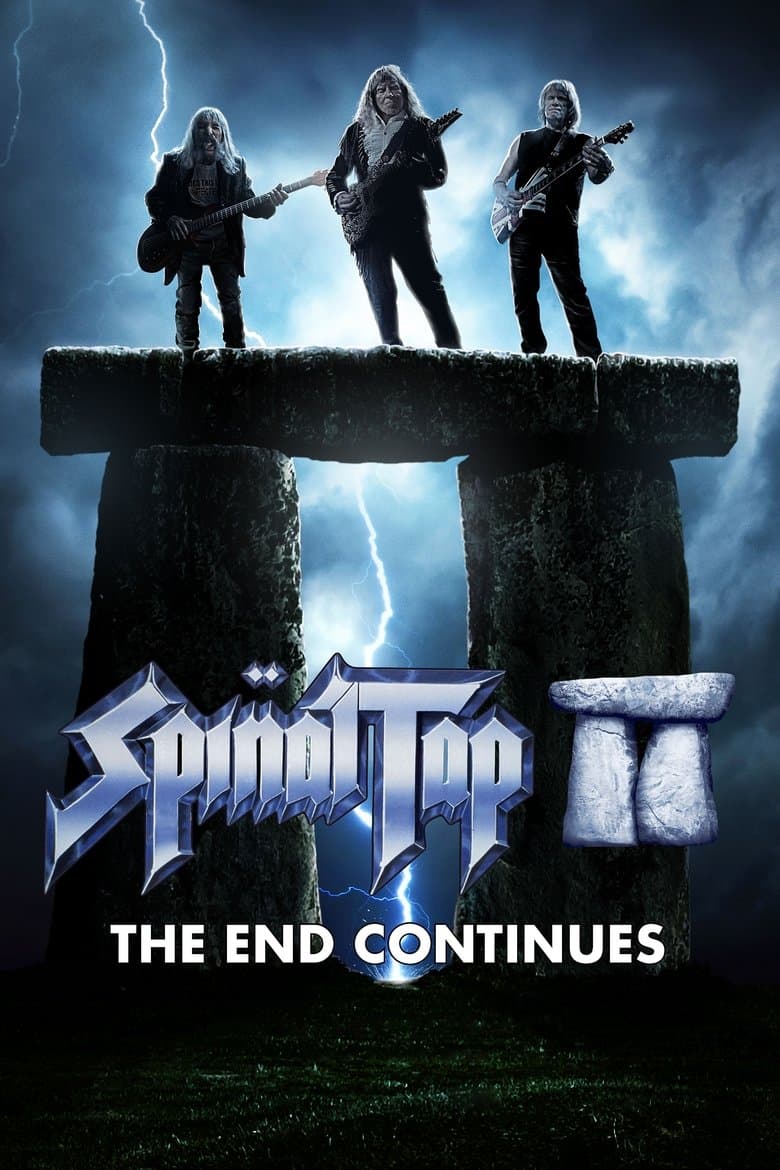
Martin “Marty” DiBergi follows the broken-up members of the fake heavy metal band Spinal Tap. David St. Hubbins, Nigel Tufnel, and Derek Smalls have spent 15 years apart, but a contract forces them to play one last concert in New Orleans. The aging musicians must find a drummer, rehearse, and face old anger before they can reach the stage. The film uses fake documentary jokes, loud music, strange side jobs, and a gentle mood about friendship, age, fame, and death.
The new drummer, Didi Crockett, is a young woman who plays with great skill and becomes the band’s first female drummer. Didi also has a girlfriend, and the film shows her relationship when Derek tries to flirt with her. Those choices give the sequel visible female representation and a same-sex relationship, but the story does not make identity politics its main subject. The main conflict stays with David and Nigel’s feud, the band’s fear of aging, and their wish to make one last good performance.
Community feedback
Was our 42% Woke rating accurate?
Breakdown
These are the editorial factors and ratings behind our score for Spinal Tap II: The End Continues.
Woke representation / casting
The three main band members remain the older white men from the original film. The major new casting choice is Didi Crockett, a young woman who becomes the band’s first female drummer and member. The film shows her as an excellent player and gives her a girlfriend who appears during the band’s work. This is a visible identity choice in an important supporting role, but it does not spread across most of the cast. Reiner said the actress was chosen because she was an excellent drummer, which weakens a diversity-first reading.
38%
Woke political dialogue
Not present. The film has a brief Stormy Daniels joke, but it does not use political dialogue to push identity, DEI, activist, or left-wing ideas.
0%
Identity-driven story themes
Didi’s skill lets her take an important place in the band’s search for a drummer. The film also shows her girlfriend, and the relationship ends Derek’s attempt to flirt with her. The story treats the couple as ordinary and does not make their identity a debate. The main story remains about aging, friendship, fame, death, and the band’s reunion, so the identity-driven material is noticeable but limited.
29%
Western institutional / cultural critique
Not present. The film mocks a promoter, the music business, and old rock vanity. It does not turn those jokes into a modern attack on men, family, religion, capitalism, or Western culture.
0%
Woke character or canon changes
The sequel adds Didi Crockett as Spinal Tap’s first female drummer and member. The film also gives the new member a girlfriend, so the band’s established lineup gains a visible female and queer presence. Didi is new rather than a rewritten version of David, Nigel, Derek, or another returning character. The canon change is limited to this new member and does not remake the original characters.
24%
Anti-woke backlash and complaints
Small X accounts called the sequel “go woke” because Rob Reiner is politically progressive. A few posts mentioned an imagined anti-Trump joke or said the film mocks straight white men, but they gave no detailed examples from the movie. No large right-leaning account, news outlet, boycott, or review campaign focused on the film’s gender or queer content. The reaction is real but fringe.
12%
Creator track record context
Rob Reiner has a strong public record of progressive activism and equality work, and his existing creator score is 62/100. Michele Reiner also has a strong equality and family-policy record, with an existing score of 66/100. Michael McKean, Christopher Guest, Harry Shearer, and most producers are mainly comedy or commercial figures with low scores. Reiner’s interviews about this film focus on aging, friendship, music, and improvisation rather than identity politics. The creator context is meaningful but mixed, so it supports a moderate score.
43%
Production
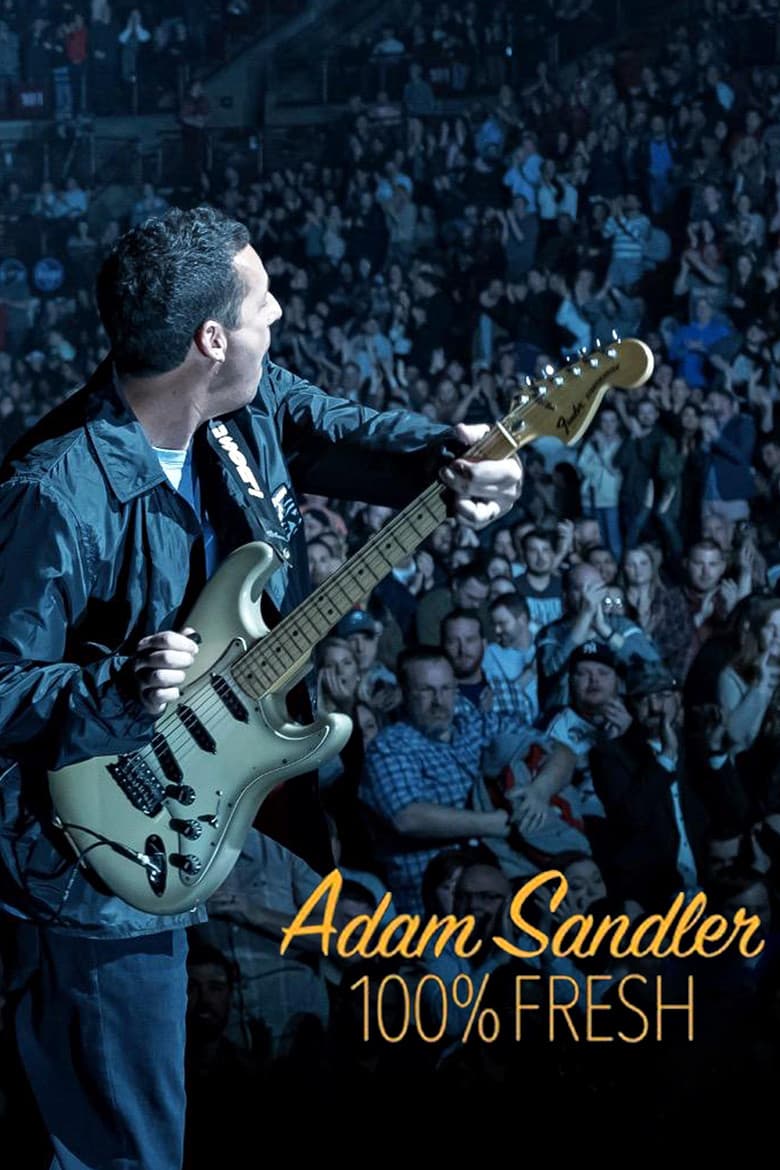
Movie · 2018
Adam Sandler takes his comical musical musings back out on the road, from comedy clubs to concert halls to one very unsuspecting subway station.
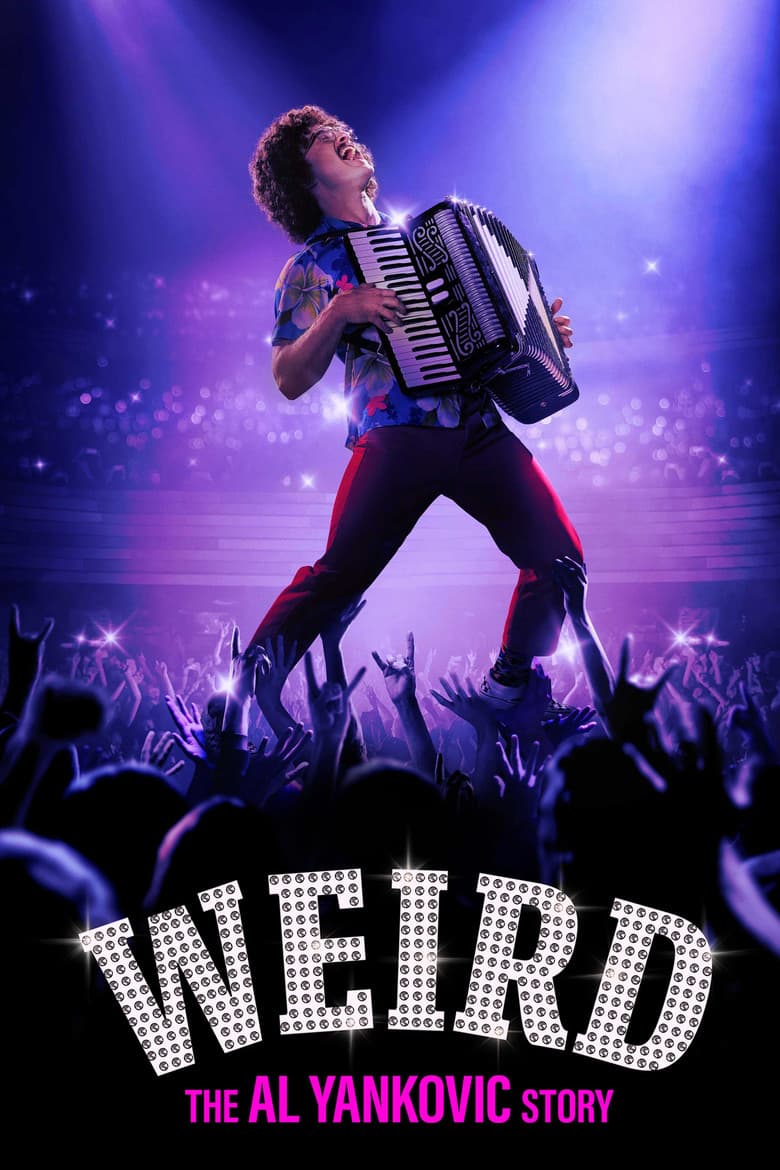
Movie · 2022
Exploring every facet of ‘Weird Al’ Yankovic’s life, from his meteoric rise to fame with early hits like ‘Eat It’ and ‘Like a Surgeon’ to his torrid celebrity love affairs and…
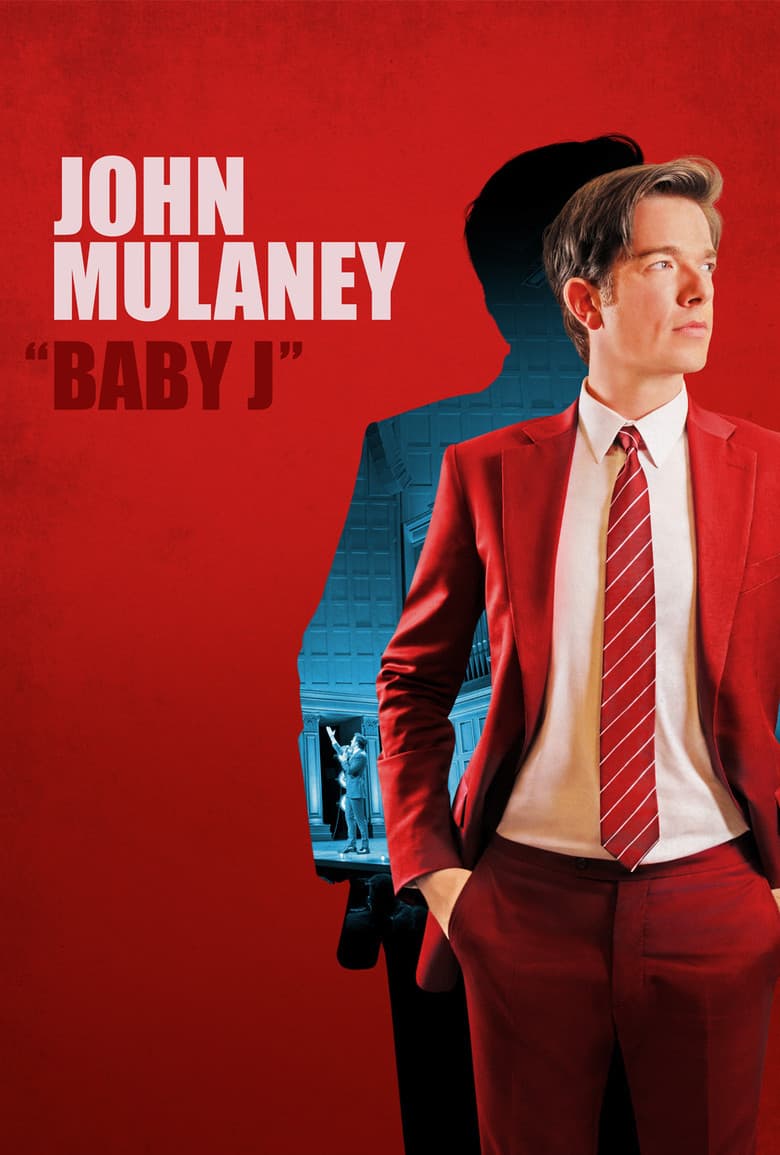
Movie · 2023
A chaotic intervention. An action-packed stay in rehab. After a weird couple of years, John Mulaney comes out swinging in his return to the stage.
Movie · 2023
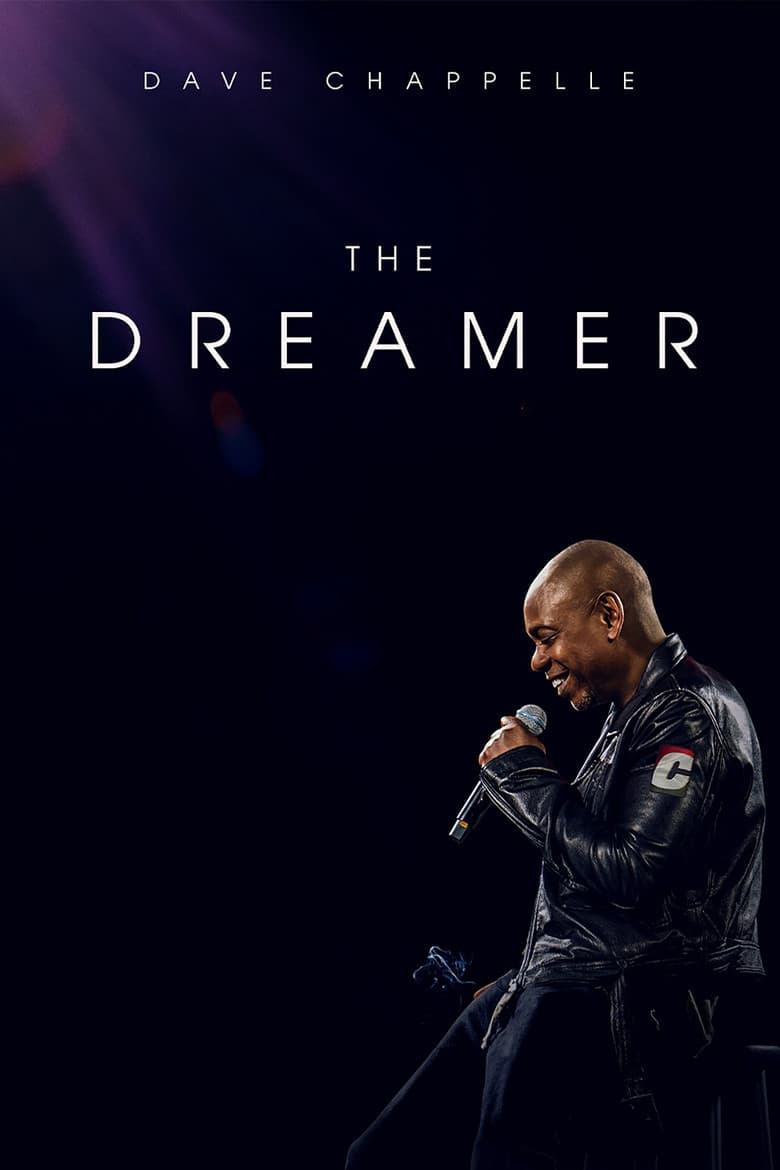
From his onstage tackle to the slap heard round the world, Dave Chappelle lets loose in this freewheeling and unfiltered stand-up comedy special.
Movie · 2024
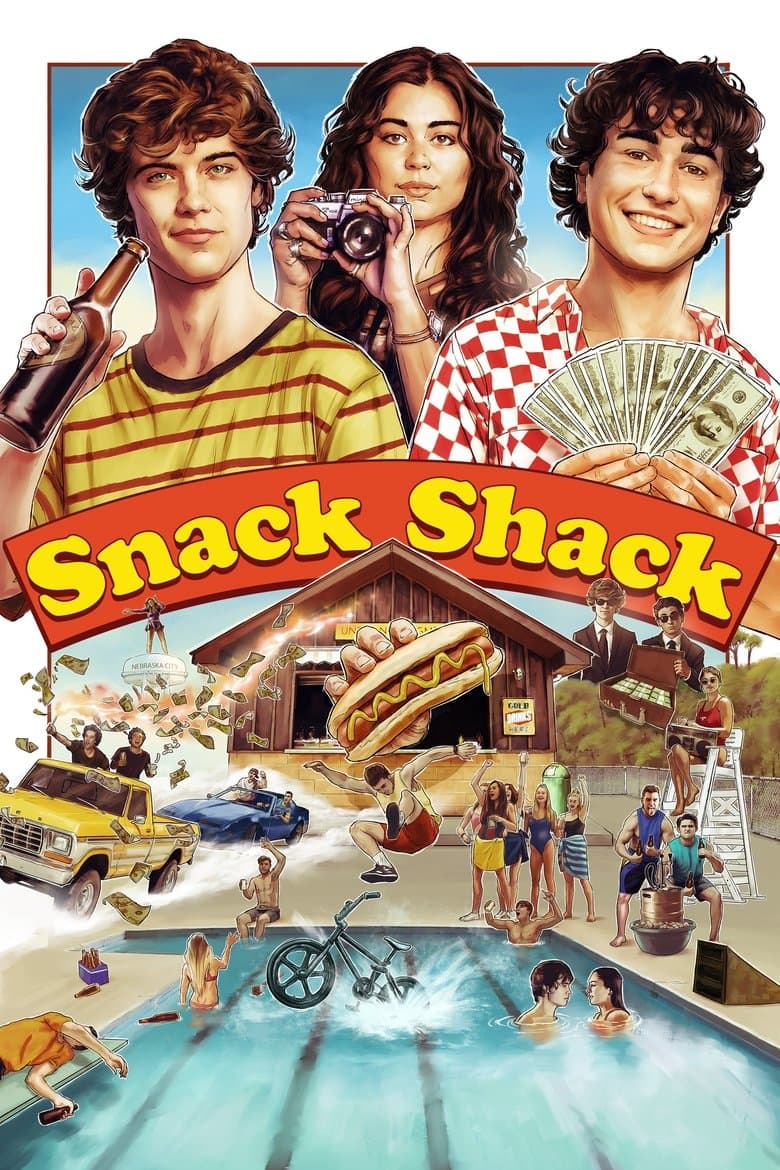
Inseparable best friends AJ and Moose decide to run the local pool's snack shack after their plan to sell home-brewed beer goes down the drain.
Movie · 2016
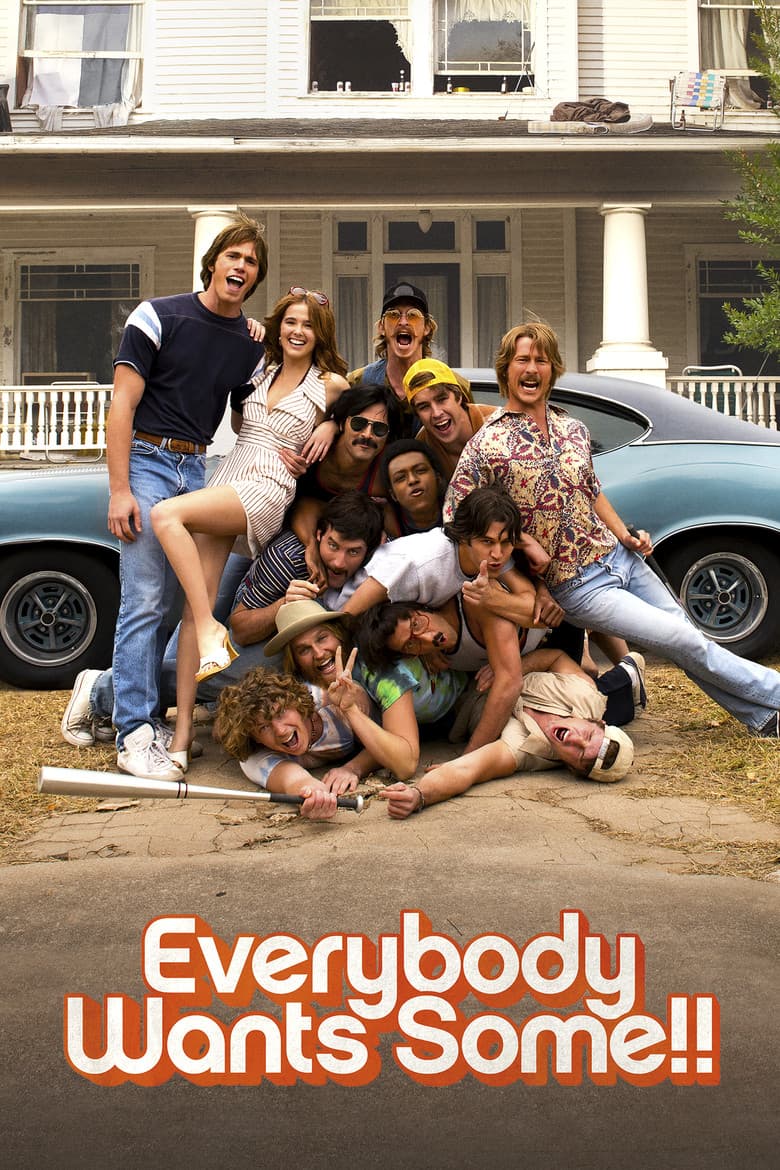
A comedy that follows a group of friends as they navigate their way through the freedoms and responsibilities of unsupervised adulthood.
Movie · 2016
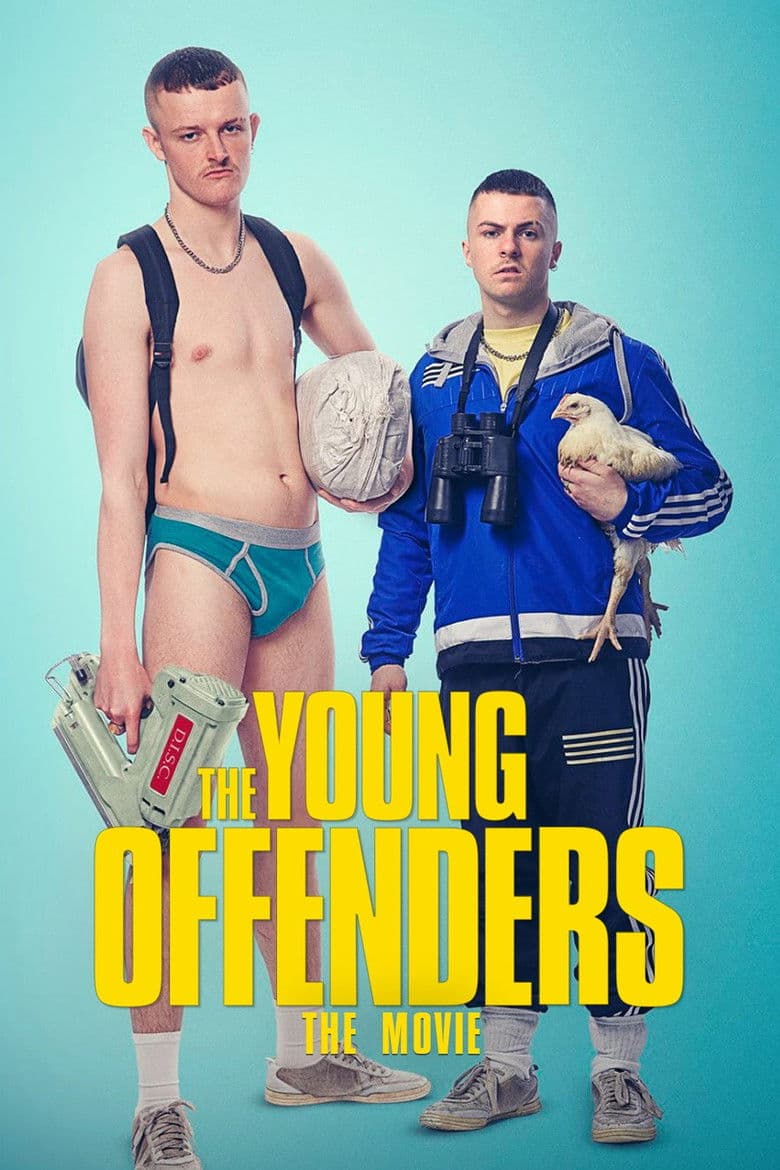
Two teenage boys from inner-city Cork steal bicycles and ride off on a 160km quest to find an unrecovered bale of cocaine worth 7,000,000 euros.
Movie · 2017
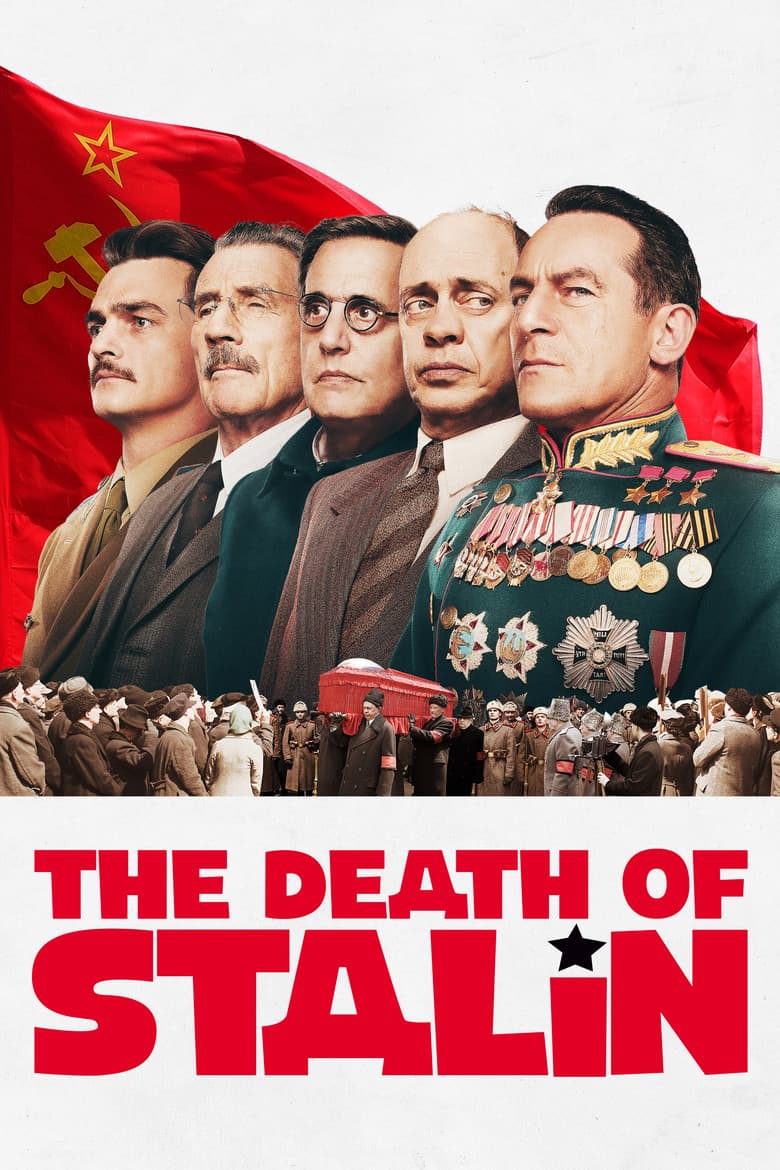
When dictator Joseph Stalin dies, his parasitic cronies square off in a frantic power struggle to become the next Soviet leader.
