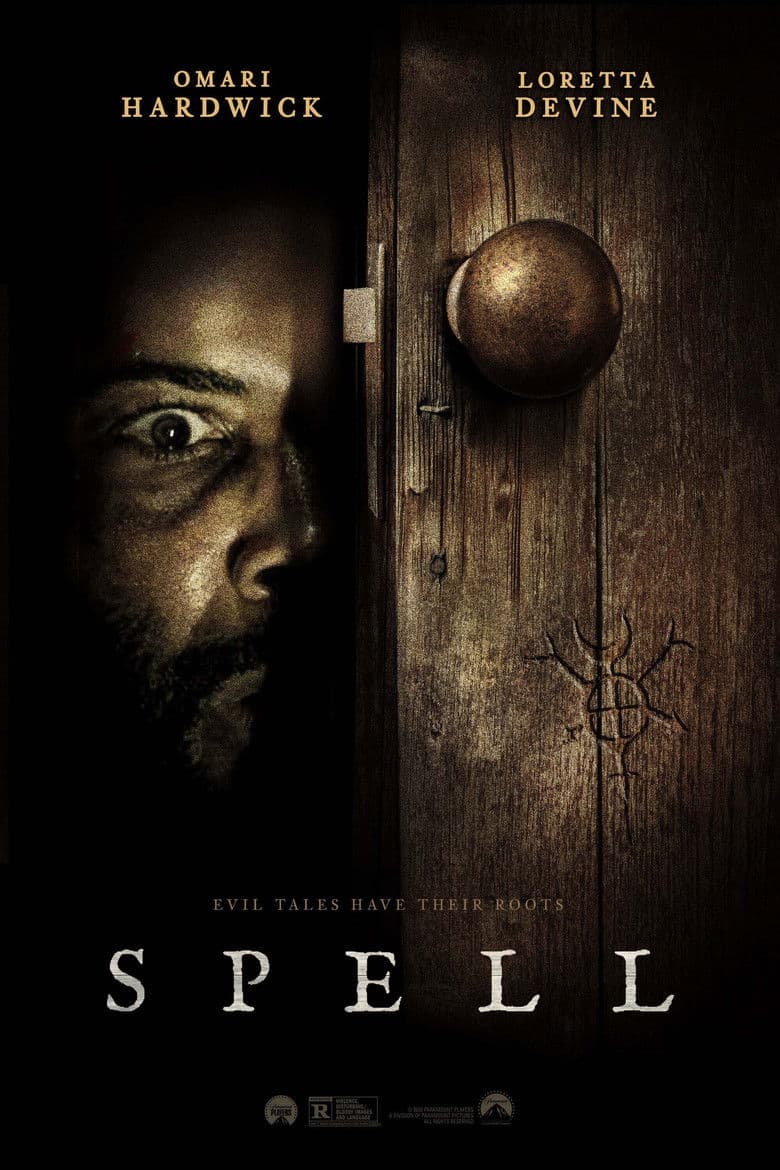
Spell follows Marquis T. Woods, a wealthy lawyer and father who flies his wife and two children to rural Appalachia for his father’s funeral. A storm brings down the small plane, and Marquis wakes badly hurt in an attic. Eloise and her husband, Earl, claim they are caring for him, but they use Hoodoo magic and a handmade Boogity doll to control him. Marquis must find his family, face memories of his abusive father, and escape before a blood moon ritual. The tone is grim and tense, with sharp body horror, cruel traps, and dark humor.
The movie gives nearly every major role to black characters, including the city family, the poor rural neighbors, and the Hoodoo group. The story makes black identity, class, and the pull between city life and rural roots part of Marquis’s main problem. His family looks down on local people, while Marquis must use the spiritual knowledge he rejected and admit that his past shaped him. These ideas return through family arguments, memories of abuse, and the final fight, but the movie remains a survival horror story instead of a clear political lesson.
Community feedback
Was our 35% Woke rating accurate?
Breakdown
These are the editorial factors and ratings behind our score for Spell.
Woke representation / casting
Spell gives nearly every major role to black actors, including the Woods family, the rural community, and the Hoodoo practitioners. The story makes that casting fit the family’s background and the spiritual conflict. The concentrated pattern still makes race visible across the main roles, and interviews frame the movie as a black story made for a black director. This creates a clear but limited representation signal rather than a broad mix of identity categories.
30%
Woke political dialogue
Not present. The film includes racial insults, family arguments, and a brief Obamacare reference, but those lines serve the horror conflict and do not push a modern activist or DEI message.
0%
Identity-driven story themes
Marquis ties his identity to the place and family he tried to escape. The movie shows a wealthy black city lawyer returning to a poor rural black community, and that split drives the conflict around his father’s abuse. His wife and children look down on local people, while Marquis must use the Hoodoo knowledge he rejected. The story connects survival with accepting that his past shaped him, but it does not turn that lesson into a broad activist program.
43%
Western institutional / cultural critique
Marquis sees his abusive father use violence as a lesson in manhood, and Marquis tries to break that pattern with his son. The movie briefly questions harsh fatherhood and the idea that men must prove themselves through force. The final fight weakens that message because Marquis survives by using violence himself. The story does not attack Christianity or Western institutions, and its class conflict stays tied to the family and horror plot.
14%
Woke character or canon changes
Not relevant. Spell is an original story with no established character, real person, or known source role that is changed for identity reasons.
0%
Anti-woke backlash and complaints
Not present. The reviewed audience discussion focused on scares, gore, Hoodoo, acting, and weak writing. No meaningful anti-woke or anti-DEI complaint was found in the supplied X pass or broader searches.
0%
Creator track record context
Mark Tonderai has a moderate identity-focused context and has described Spell as a black film made for a black director. His interviews discuss race, code-switching, cultural mixing, and more chances for actors of color. Kurt Wimmer and the listed producers and crew have low or neutral scores and no strong activist record. The creator signal is mild overall, with most of the weight coming from Tonderai’s title-related framing.
22%
Production
Movie · 2018
A timid and socially alienated 17-year-old high school student's life is turned upside down when she switches places with her sinister mirror image.
Movie · 2026
After a young couple witnesses a gruesome highway accident, they soon realize they did not leave the crash scene alone, as a demonic presence called the Passenger that won't stop…
Movie · 2024
A gothic tale of obsession between a haunted young woman and the terrifying vampire infatuated with her, causing untold horror in its wake.
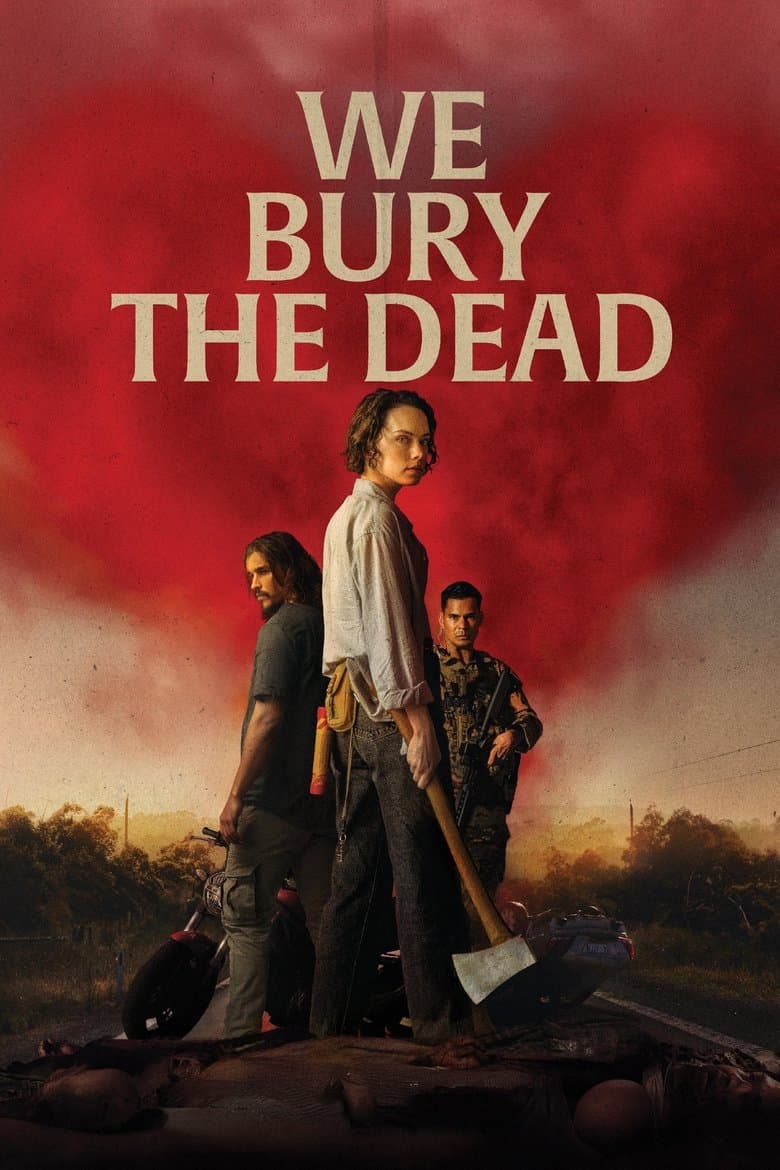
Movie · 2026
After a catastrophic military disaster reanimates the dead, Ava searches for her missing husband amidst an increasingly hostile world.
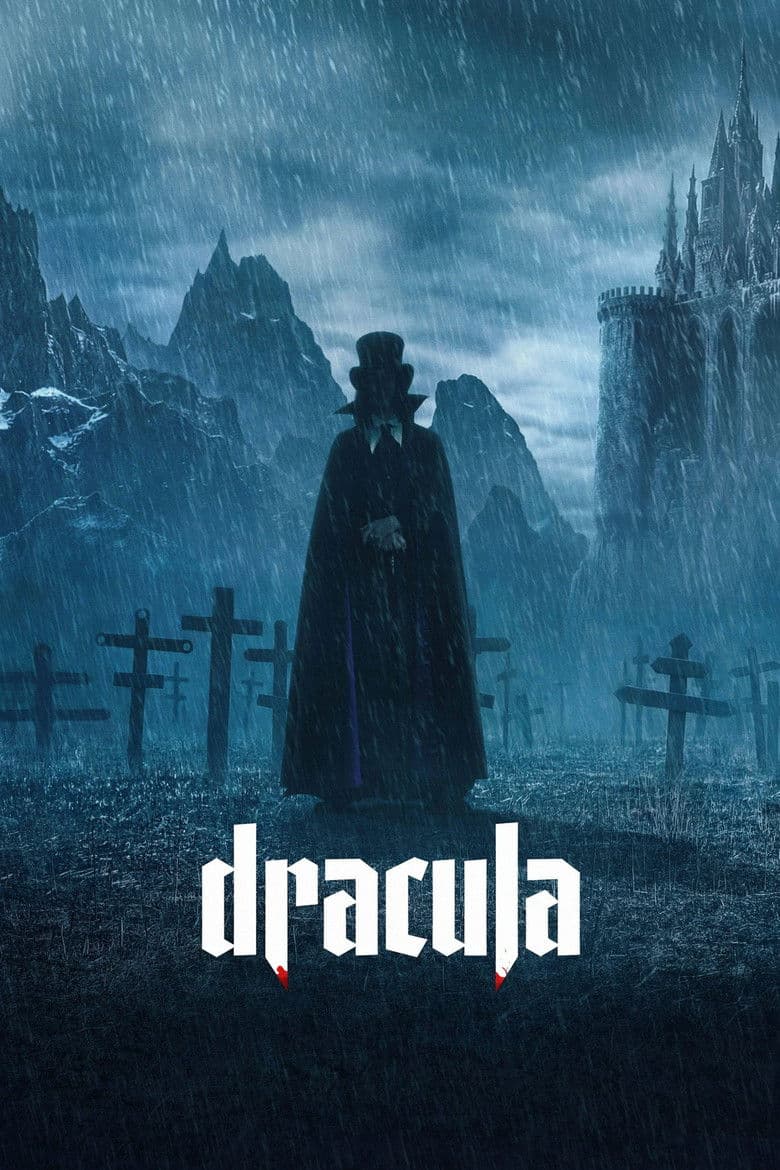
Movie · 2025
In late 15th-century Eastern Europe, Prince Vlad II’s bride is brutally murdered. As a result, he renounces God and damns Heaven itself.

Movie · 2024
Nothing is what it seems when a twisted one-night stand spirals into a serial killer’s vicious murder spree.
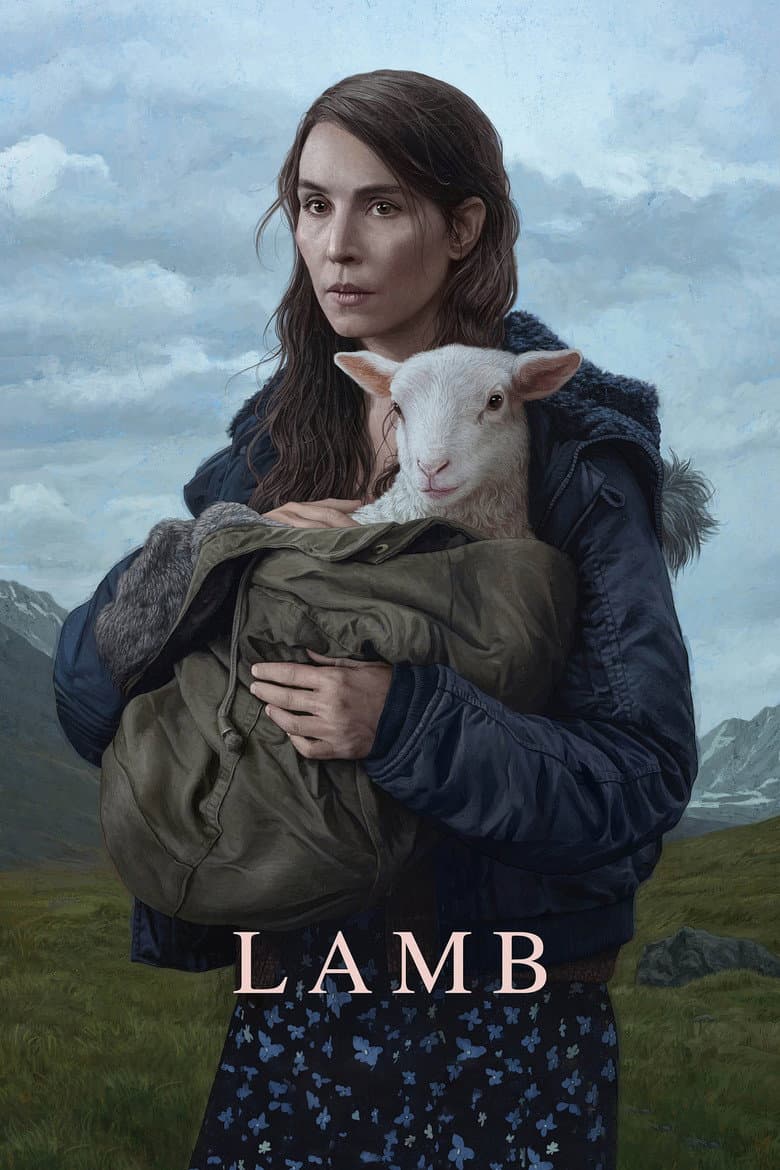
Movie · 2021
An Icelandic couple live with their herd of sheep on a beautiful but remote farm. When they discover a mysterious newborn on their land, they decide to keep it and raise it as…
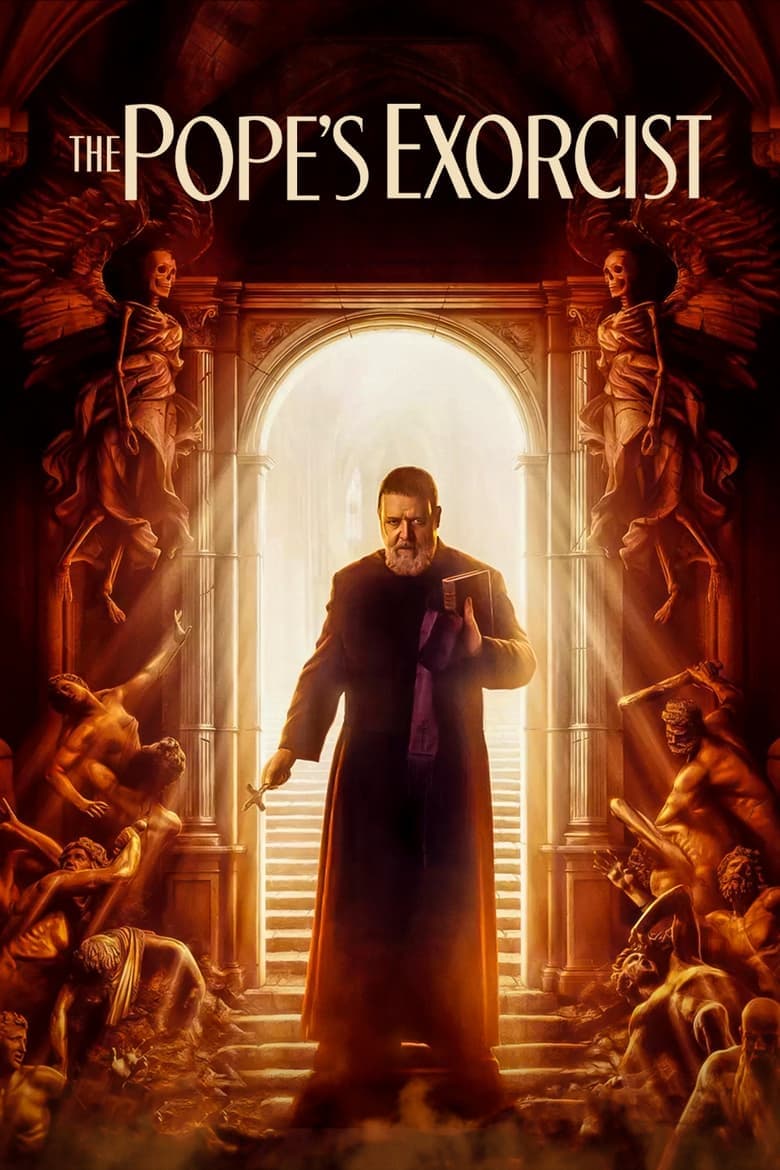
Movie · 2023
Father Gabriele Amorth, Chief Exorcist of the Vatican, investigates a young boy's terrifying possession and ends up uncovering a centuries-old conspiracy the Vatican has…
