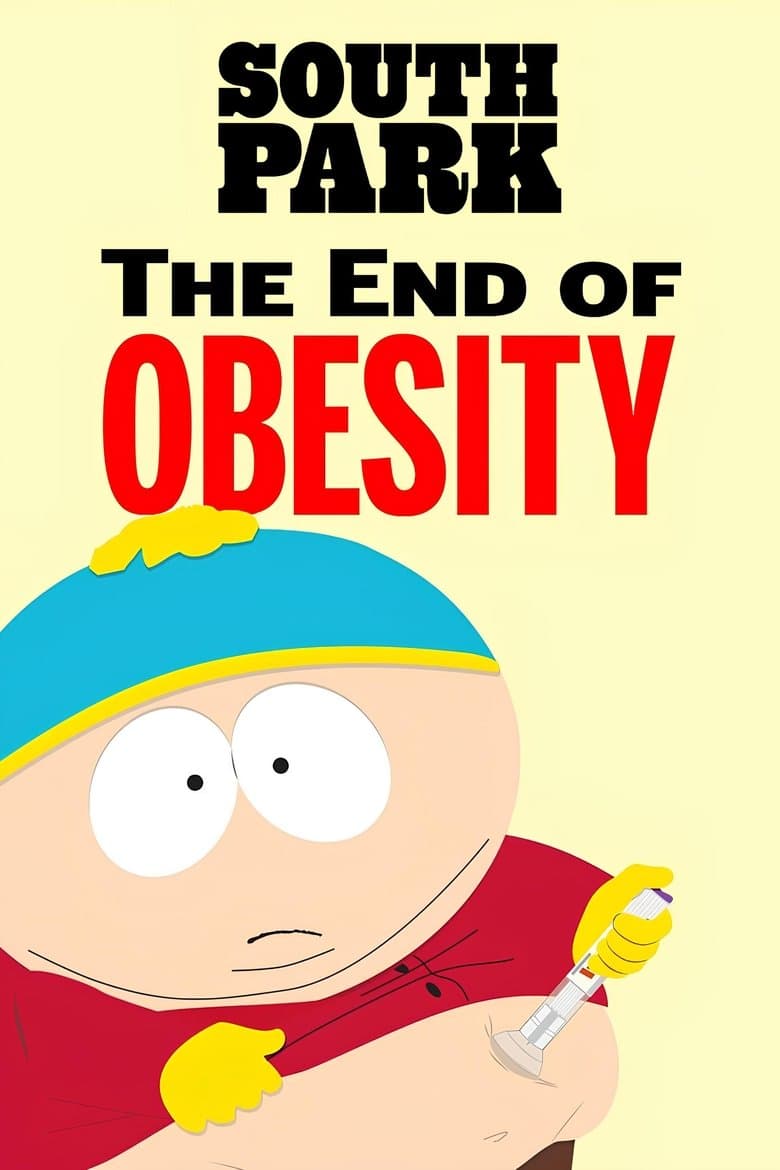
Eric Cartman lives in the small Colorado town of South Park, where he wants to lose weight after a doctor warns that his health is at risk. His mother cannot pay for the new medicine, so Cartman asks Kyle, Stan, and Kenny to help him get it. The boys make their own drug, while Randy Marsh joins South Park's mothers in chasing the same medicine. The plan turns into a wild fight with insurance workers, sugar mascots, and angry drug users.
The special treats body image as a major part of the conflict. Cartman wants the drug because he hates being fat, while the doctor offers Lizzo and body positivity when insurance will not pay. Kyle later says people should not be blamed for their weight because food, drug, and insurance companies shape their choices. The story supports less fat shaming, but it also mocks body positivity, weight loss drugs, rich users, and the people who misuse them.
Community feedback
Was our 29% Woke rating accurate?
Breakdown
These are the editorial factors and ratings behind our score for South Park: The End of Obesity.
Woke representation / casting
Not present. The special uses its usual South Park children and families. It does not frame race, sex, or diversity casting as a message.
0%
Woke political dialogue
Cartman says rich people get Ozempic while poor people get body positivity. Kyle says food, drug, and insurance companies make it unfair to blame people for their weight. The insurance trip and the school speech repeat this message. The special also mocks body positivity and weight-loss culture, so the message is mixed.
30%
Identity-driven story themes
The story treats body image, weight stigma, and body positivity as major subjects. Cartman wants medicine because he hates his body, and Kyle argues that people should not be mocked for their weight. The women’s drug club adds a recurring thread about pressure to look thin and show their bodies. The special undercuts the message with jokes about obesity, drugs, and body positivity.
28%
Western institutional / cultural critique
The special repeatedly attacks the U.S. health care system. Cartman and his friends face high prices, denied claims, endless forms, and companies that profit from weight problems. The sugar mascots plan to keep poorer people on body positivity while selling more cereal. The focus stays on health care and business, without a wider attack on Christianity or Western culture.
34%
Woke character or canon changes
Not relevant. The special adds a new plot about weight-loss drugs to the existing South Park cast. It does not rewrite a known character’s race, sex, or identity for a message.
0%
Anti-woke backlash and complaints
Not present. Audience discussion focused on the health care jokes, the drug satire, and whether the ending was fair to people using weight-loss medicine. No clear, substantial anti-woke backlash against the special was found.
0%
Creator track record context
Not present. The cached profiles describe Trey Parker and Matt Stone as satirists who mock both political sides and political correctness. The other cached producers have little or no reported activist or DEI record. The creator background does not point to a woke agenda for this special.
0%
Production
Movie · 2023
After it's discovered that a teacher at South Park Elementary has an OnlyFans page, Randy is compelled to take a closer look at the seedy underbelly of the world of online…
Movie · 2022
In 1998, Beavis and Butt-Head are sentenced to Space Camp by a “creative” judge. Their obsession with a docking simulator (huh huh) leads to a trip on the Space Shuttle, with…
Movie · 2022
Cartman locks horns with his mom in a battle of wills while an epic conflict unfolds that threatens South Park’s very existence.
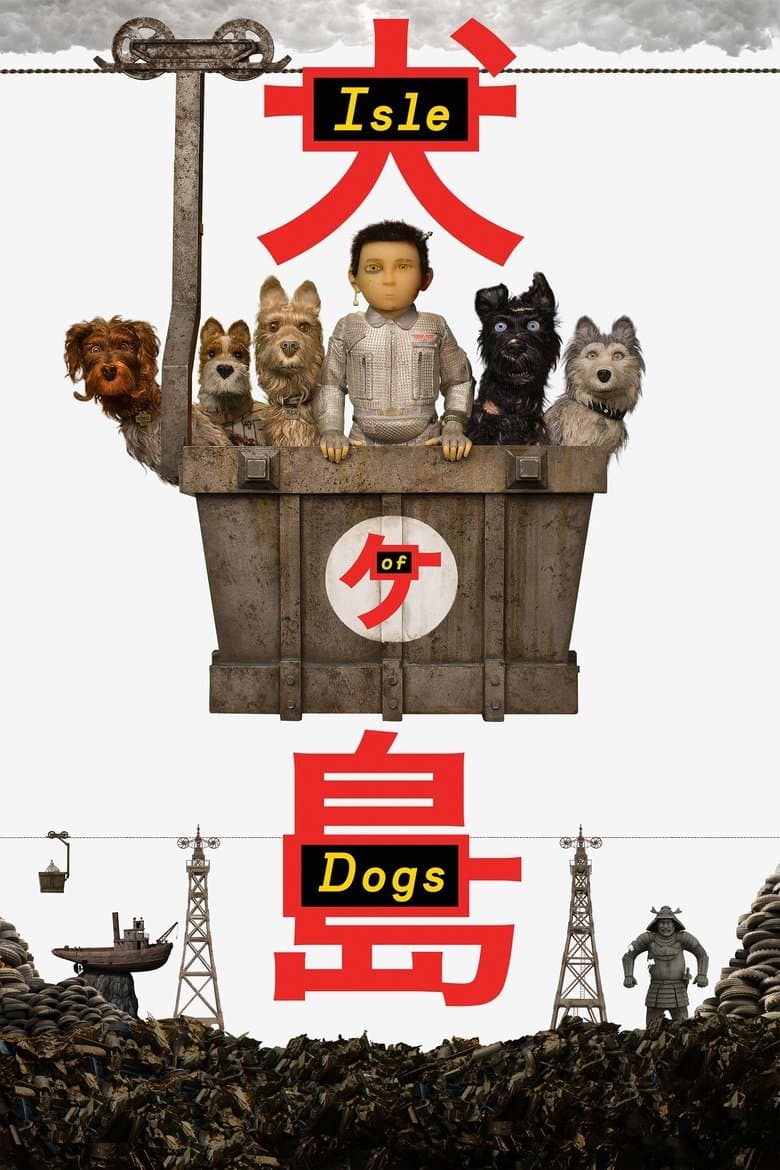
Movie · 2018
In the future, an outbreak of canine flu leads the mayor of a Japanese city to banish all dogs to an island used as a garbage dump.
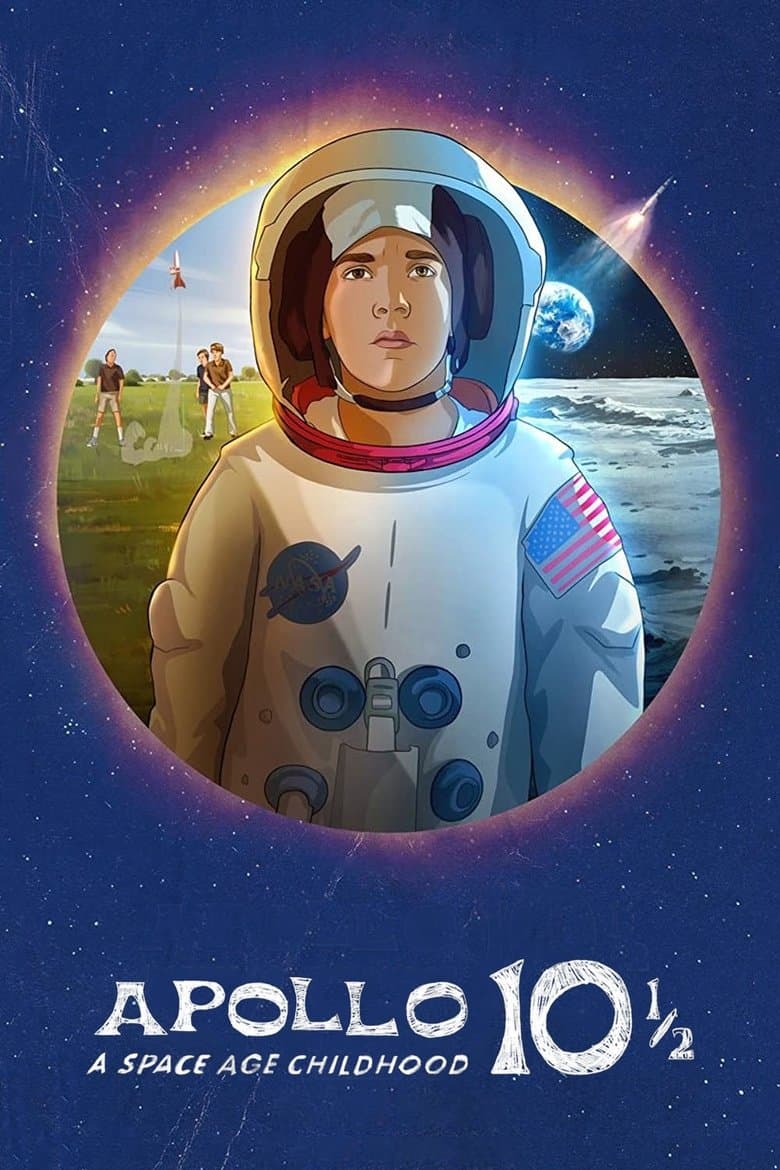
Movie · 2022
A man narrates stories of his life as a 10-year-old boy in 1969 Houston, weaving tales of nostalgia with a fantastical account of a journey to the moon.
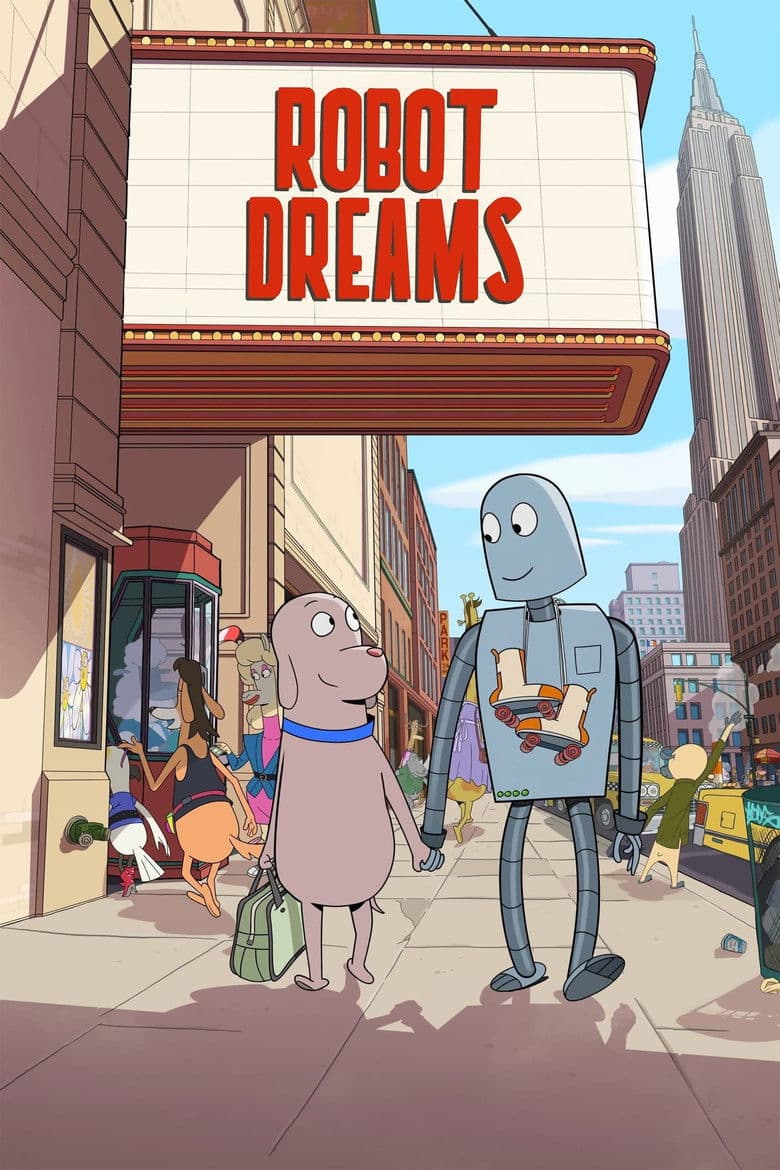
Movie · 2023
A lonely dog's friendship with his robot companion takes a sad turn when an unexpected malfunction forces him to abandon Robot at the beach. Will Dog ever meet Robot again?
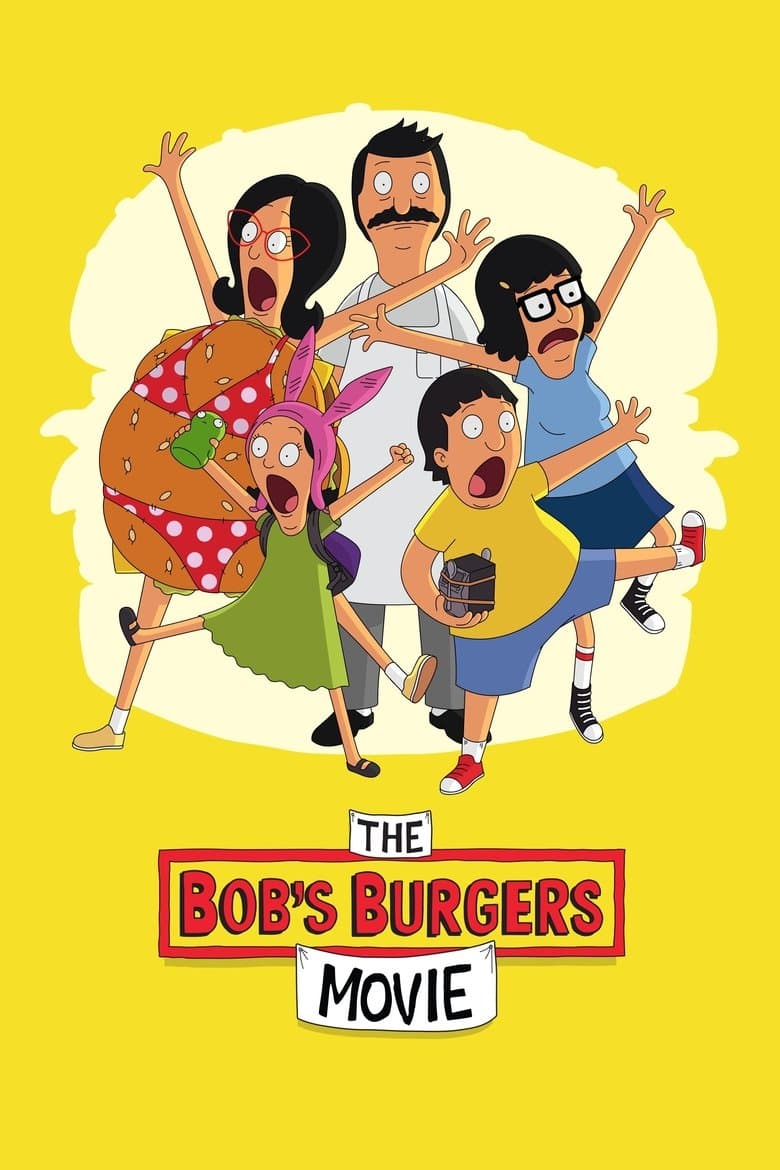
Movie · 2022
When a ruptured water main creates an enormous sinkhole right in front of Bob's Burgers, it blocks the entrance indefinitely and ruins the Belchers’ plans for a successful summer.
Movie · 2019
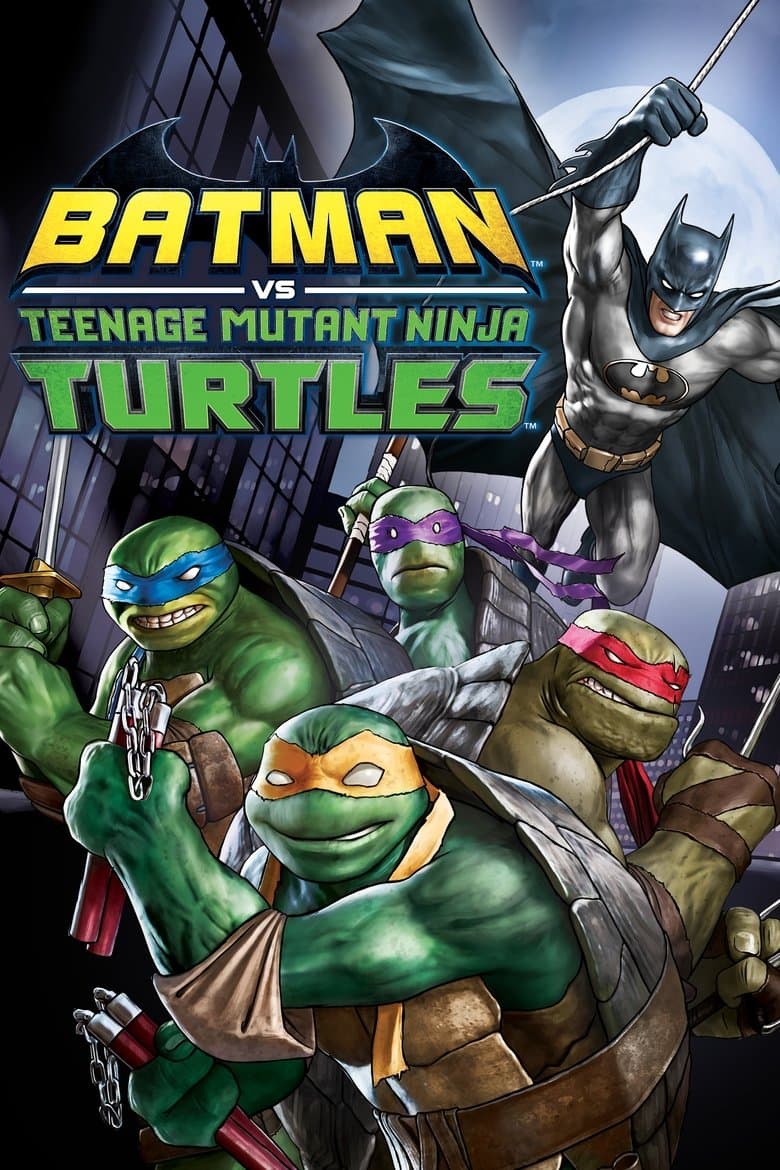
Batman, Batgirl, and Robin forge an alliance with the Teenage Mutant Ninja Turtles to fight against the Turtles' sworn enemy, The Shredder, who has apparently teamed up with Ra's…
