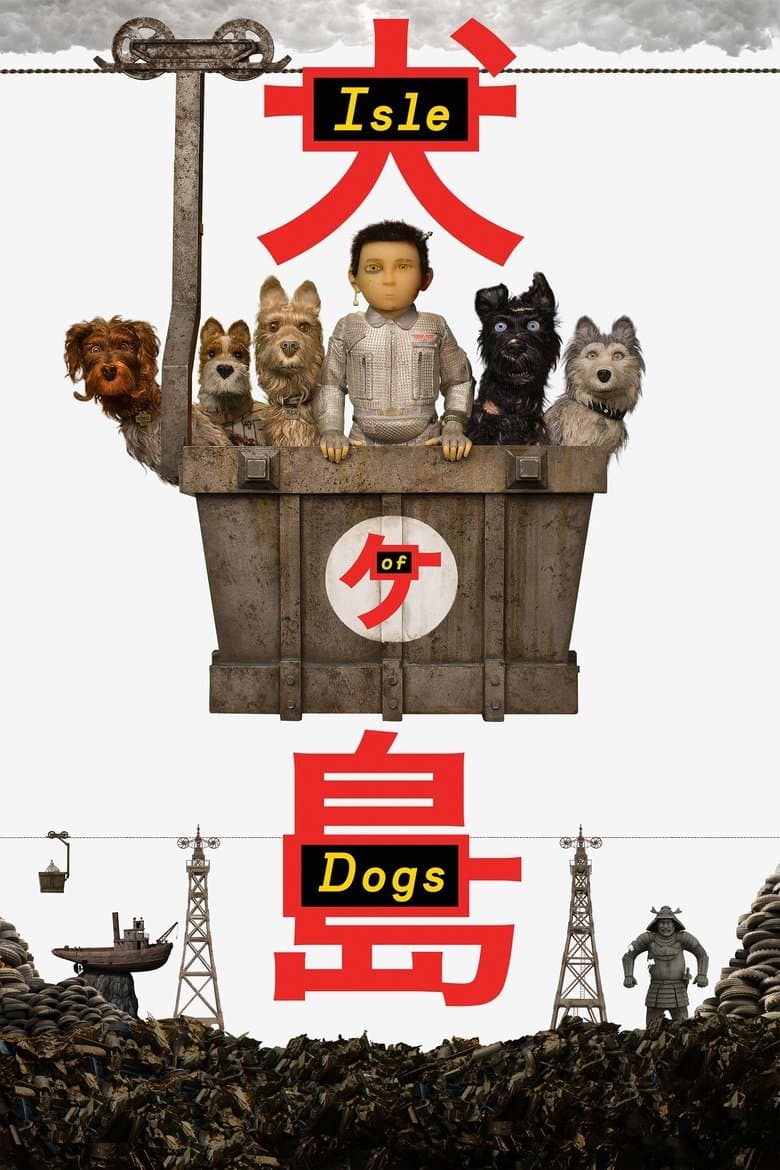
Wes Anderson’s stop-motion story is set in near-future Megasaki, Japan. Mayor Kobayashi sends all dogs to a trash island after a dog flu breaks out. His orphaned ward Atari flies there to find his bodyguard dog Spots and joins a pack of strays led by Chief. On the mainland, American exchange student Tracy Walker and other student activists uncover a plot. Kobayashi’s side helped make the flu to finish a long campaign against dogs. The film is a boy-and-his-dog adventure mixed with satire about power, blame, and loyalty.
The banishment of dogs can be read as scapegoating outsiders, fear of disease, and an outcast story. Some viewers notice that progressive othering parable, though it is not a race, gender, or queer identity plot. Tracy’s activist work and the push to help the dogs add a light advocacy layer. Dialogue stays mostly deadpan, with Tracy’s exposé and rallies as the clearest political talk. The loud public fight was progressive criticism of Orientalism and a white-savior subplot, not anti-woke backlash. It is not a representation-first project.
Community feedback
Was our 26% Woke rating accurate?
Breakdown
These are the editorial factors and ratings behind our score for Isle of Dogs.
Woke representation / casting
Japanese performers fill major human roles, and the celebrity dog voices are Anderson’s usual ensemble rather than a diversity-quota cast. Tracy Walker is a visible white American activist girl who ends up paired with Japanese Atari. That is a light girl-as-mainland-hero and interracial-teen note, not engineered one-of-each casting. Left critics even attacked the film for too little Japanese agency and thin female roles.
12%
Woke political dialogue
The talk is mostly Anderson’s dry style, not slogan-heavy identity politics. Tracy’s student-activist exposé, conspiracy talk, and crowd rallies against the mayor are the clearest political speech. Dogs and Atari speak about loyalty, pack rules, and reconciliation. There is no sustained DEI, gender, or race-politics language.
18%
Identity-driven story themes
The core story is pet devotion and standing up to tyranny. The dog banishment can still be read as scapegoating outsiders, fear of disease, and an immigrant or outcast allegory. That progressive othering parable is noticeable for some viewers without being a race, gender, or queer-identity story. Tracy’s activist subplot and the push to help the dogs add a light empowerment layer, and there is no on-screen LGBTQ plot.
32%
Western institutional / cultural critique
The film targets a fictional Japanese cat-loving dynasty, a pharma plot, and harsh rule, not U.S. churches, traditional family norms, or Western institutions. Some press linked it to modern demagoguery. The movie itself stays fantasy satire of tyranny and propaganda more than culture-war critique of the West.
14%
Woke character or canon changes
Not relevant. This is an original story, not an identity rewrite of established characters, canon, or real historical figures.
0%
Anti-woke backlash and complaints
Not present. There was no meaningful anti-woke campaign treating the film as DEI propaganda. The documented fight ran the other way over cultural appropriation, Orientalism, language choices, and Tracy as a white-savior activist. Those left-side complaints do not count as anti-woke backlash here.
0%
Creator track record context
Cached scores for the listed creatives are low, and Wes Anderson’s work is stylized auteur filmmaking rather than identity activism. Cranston’s interviews lean liberal and civic. The key creative track records are not activist or DEI-driven.
9%
Production

Movie · 2023
After it's discovered that a teacher at South Park Elementary has an OnlyFans page, Randy is compelled to take a closer look at the seedy underbelly of the world of online…
Movie · 2019
Batman, Batgirl, and Robin forge an alliance with the Teenage Mutant Ninja Turtles to fight against the Turtles' sworn enemy, The Shredder, who has apparently teamed up with Ra's…
Movie · 2019
When a hulking monster arrives on Earth and begins a mindless rampage, the Justice League is quickly called in to stop it.
Movie · 2022
A new adventure begins for Luffy and his crew when mysterious pop superstar Uta unveils her identity — and launches a misguided plan for world peace.
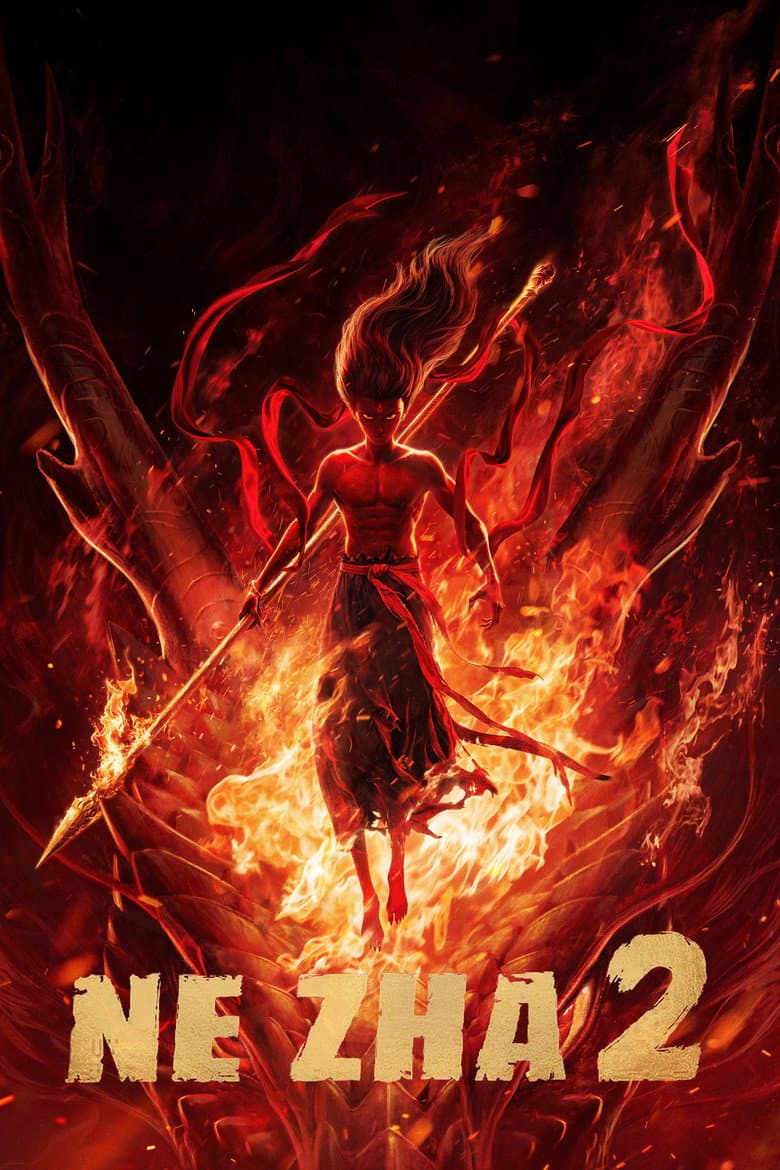
Movie · 2025
After a catastrophic event leaves their bodies destroyed, Ne Zha and Ao Bing are granted a fragile second chance at life.
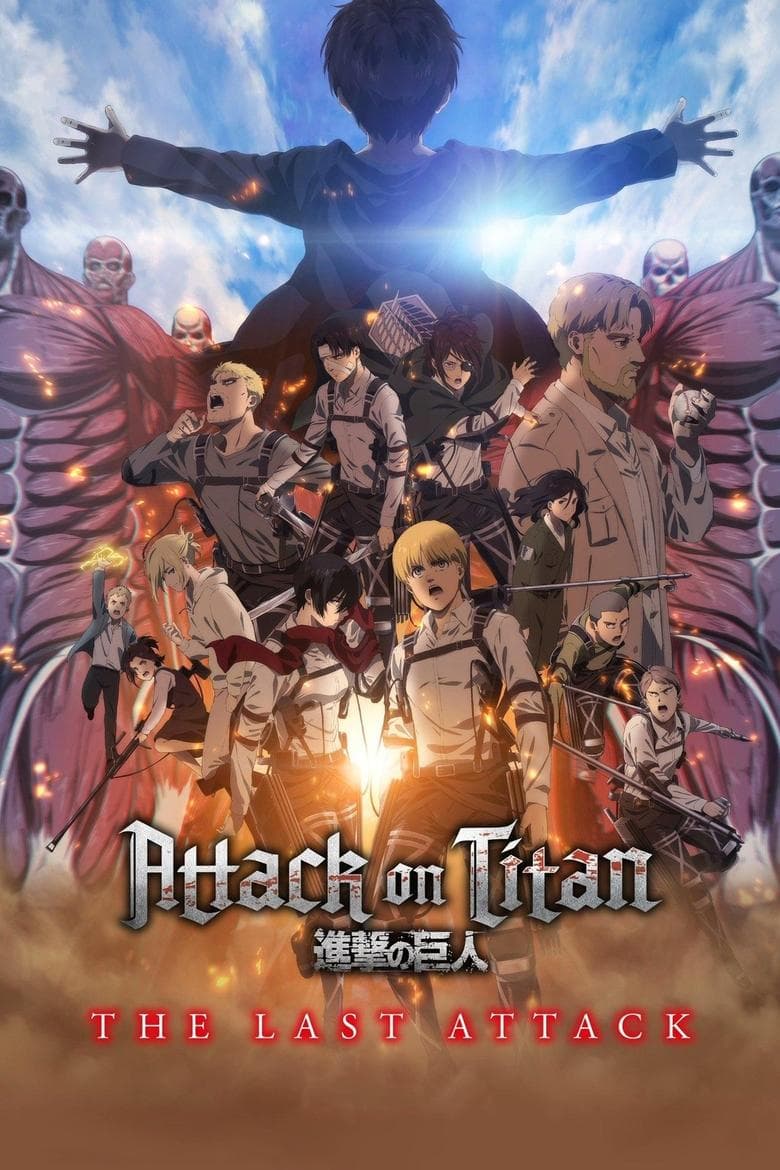
Movie · 2024
A colossal-sized omnibus film bringing together the last two episodes of Attack on Titan in the franchise's first-ever theatrical experience.
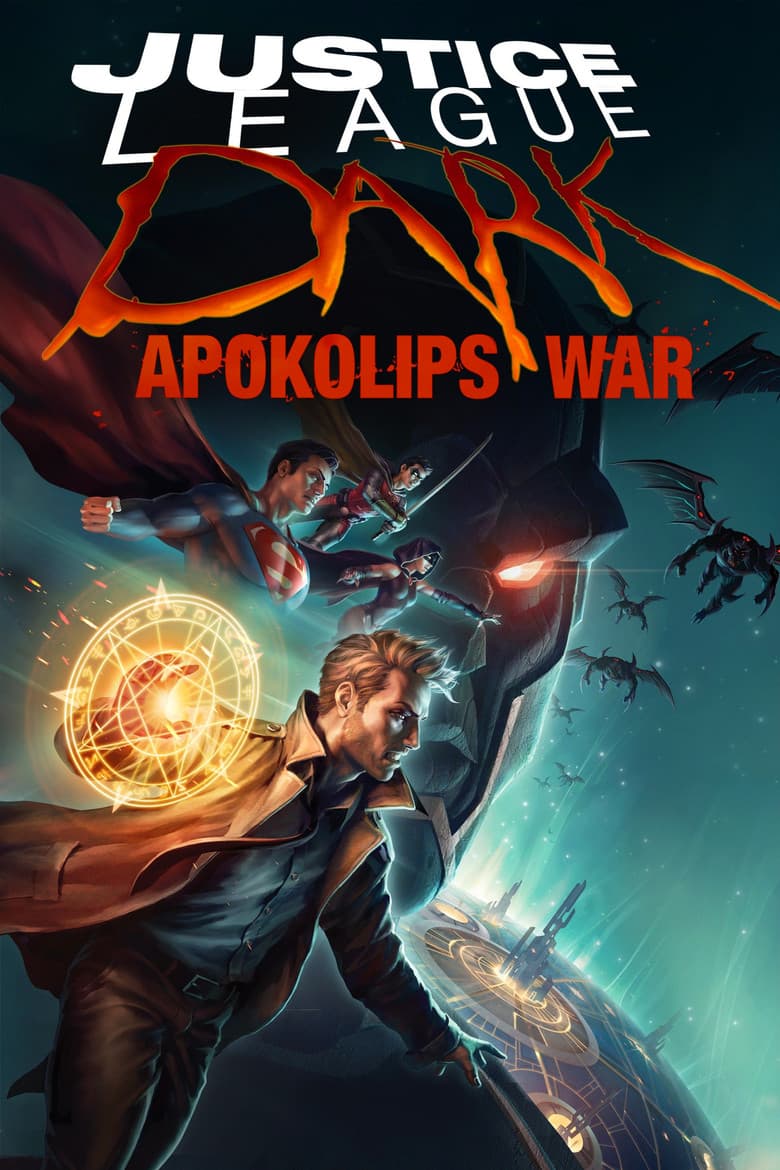
Movie · 2020
Earth is decimated after intergalactic tyrant Darkseid has devastated the Justice League in a poorly executed war by the DC Super Heroes.
