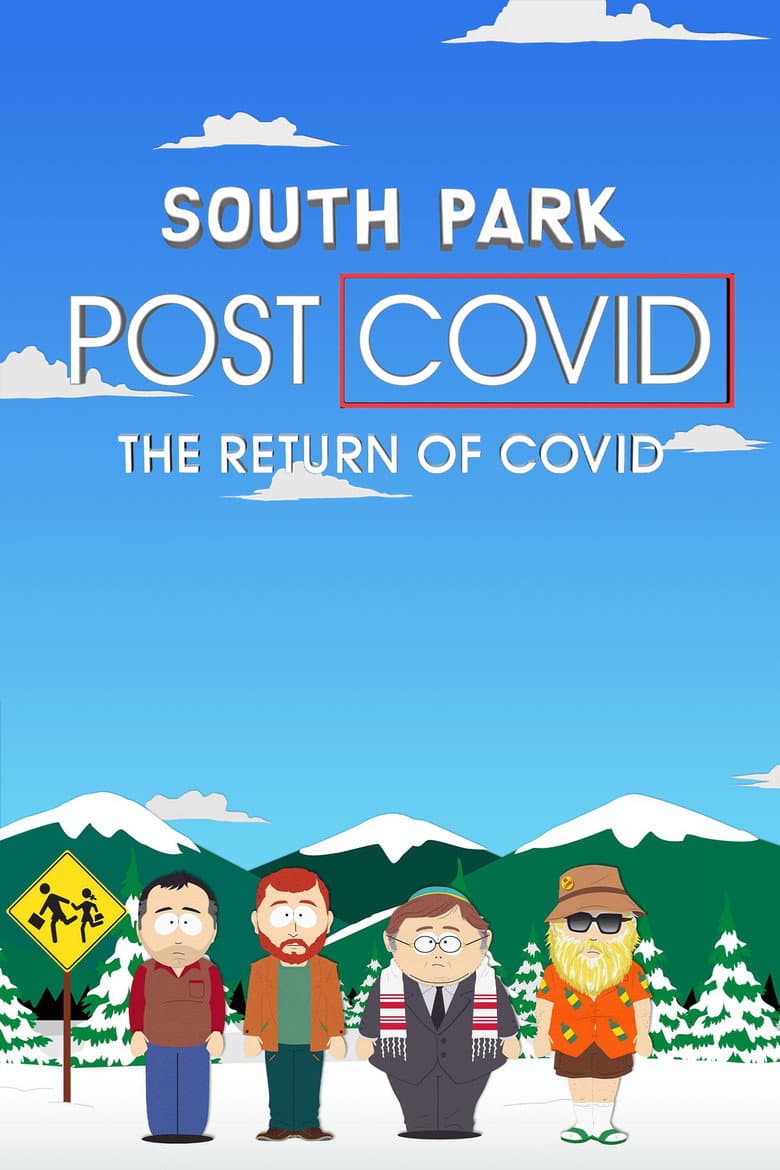
Movie review
Stan Marsh, Kyle Broflovski, and Eric Cartman are adults living in a future still trapped by COVID. A new variant locks South Park behind fences after the death of their old friend Kenny McCormick. The three friends use a time machine to save Kenny and repair the friendship that fell apart during the pandemic. Their search brings them against Butters, who has become the strange NFT salesman Victor Chaos, while Cartman fights to protect his new family. The tone mixes crude jokes, science fiction, family pain, and a hopeful ending.
The special gives a short subplot to Jimmy Valmer, who works in future comedy where identity-safe jokes are expected. Jimmy says that a Christian man and a lesbian deserve equal treatment, and a later joke mentions bisexual Canadians. Cartman also appears as a Jewish rabbi with a wife and children, which changes his old character in a major way. These ideas stay small beside the main story, which focuses on friendship, guilt, forgiveness, family, and the cost of changing the past.
Community feedback
Was our 35% Woke rating accurate?
Breakdown
These are the editorial factors and ratings behind our score for South Park: Post COVID: The Return of COVID.
Woke representation / casting
Not present. The title uses the established animated cast and does not frame its roles as a diversity or identity campaign. No new prominent casting pattern is shown.
0%
Woke political dialogue
The special repeatedly talks about vaccines, quarantine, and the fight over who caused the pandemic. Clyde rejects the vaccine and helps a plan to kill Kyle, while the town blames one unvaccinated person for its lockdown. Randy says that blaming China for the virus is racist. Jimmy says that a Christian man and a lesbian deserve the same treatment. The story mocks both sides more than it gives a serious political speech.
29%
Identity-driven story themes
The future comedy subplot treats safe identity language as a rule for making jokes. Jimmy says that a Christian man and a lesbian should be treated the same, and the new future lets him return to crude jokes. The main arc is about friendship, guilt, family, and forgiveness. Identity politics remains a side joke instead of the central conflict.
25%
Western institutional / cultural critique
Not present. The title mocks Amazon, NFTs, quarantine rules, and public health fights, but it does not build a modern activist attack on Western institutions, family, Christianity, or traditional gender roles.
0%
Woke character or canon changes
The special turns Cartman into a devout Jewish rabbi with a Jewish wife and children. Kyle doubts the change because Cartman spent years making anti-Jewish jokes. The new faith and family drive Cartman’s plan to keep the old future. The change is used for character comedy and time-travel stakes, not as a diversity lesson.
28%
Anti-woke backlash and complaints
The strongest anti-woke complaints came from reviews that called the connected specials progressive and said they blamed unvaccinated people more than government, media, or Big Tech. Other reviews complained that Jimmy’s woke comedy was forced or that the future was bad because it was woke. The separate X pass found repeated discussion, but much of it praised the title as anti-lockdown or anti-political-correctness and defended it as free of wokism. No boycott or review-bombing campaign was found, so the backlash was real but mixed.
31%
Creator track record context
Trey Parker and Matt Stone are known for libertarian-leaning satire that mocks both major political sides. The other listed producers have mostly craft-focused careers with no public activist record. Jenny Shin has a limited representation link through the Reel Asian Film Festival. Title-related interviews describe a return to normal after COVID, not a diversity campaign.
10%
Production
Movie · 2022
A drought has brought the town of South Park to the brink of disaster.
Movie · 2022
In 1998, Beavis and Butt-Head are sentenced to Space Camp by a “creative” judge. Their obsession with a docking simulator (huh huh) leads to a trip on the Space Shuttle, with…
Movie · 2018
In the future, an outbreak of canine flu leads the mayor of a Japanese city to banish all dogs to an island used as a garbage dump.
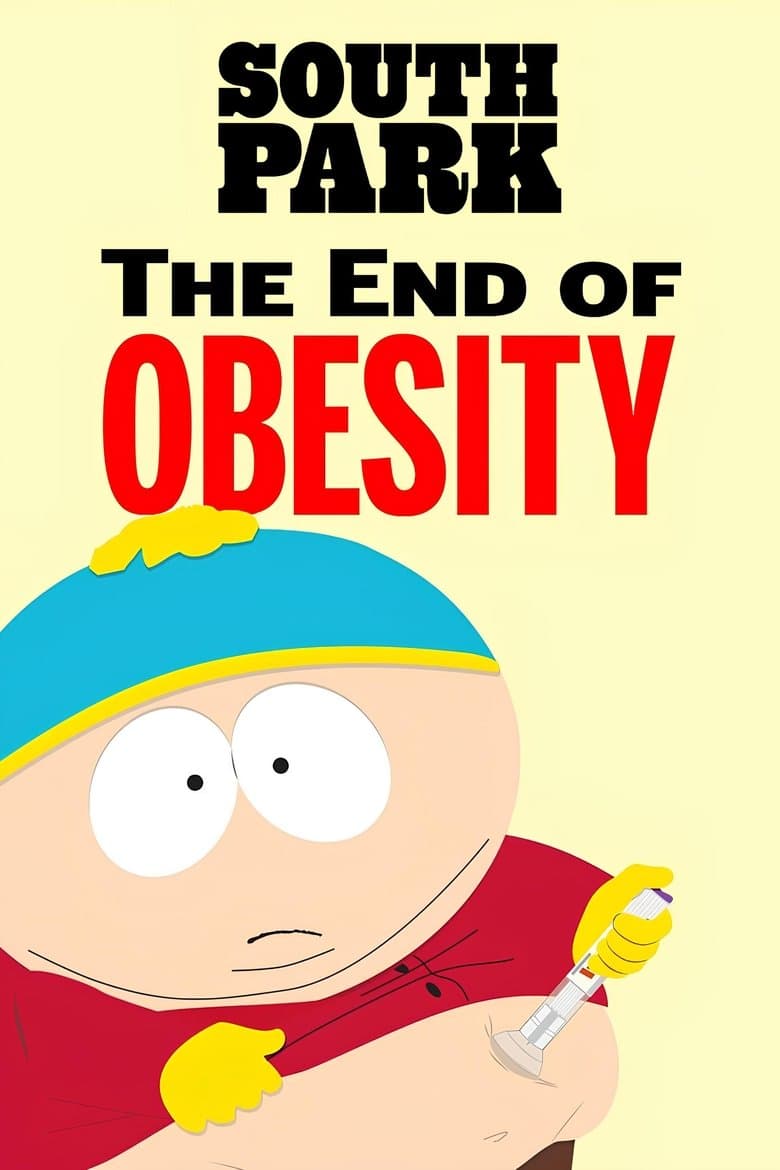
Movie · 2024
The advent of new weight loss drugs has a huge impact on everyone in South Park. When Cartman is denied access to the life-changing medicine, the kids jump into action.
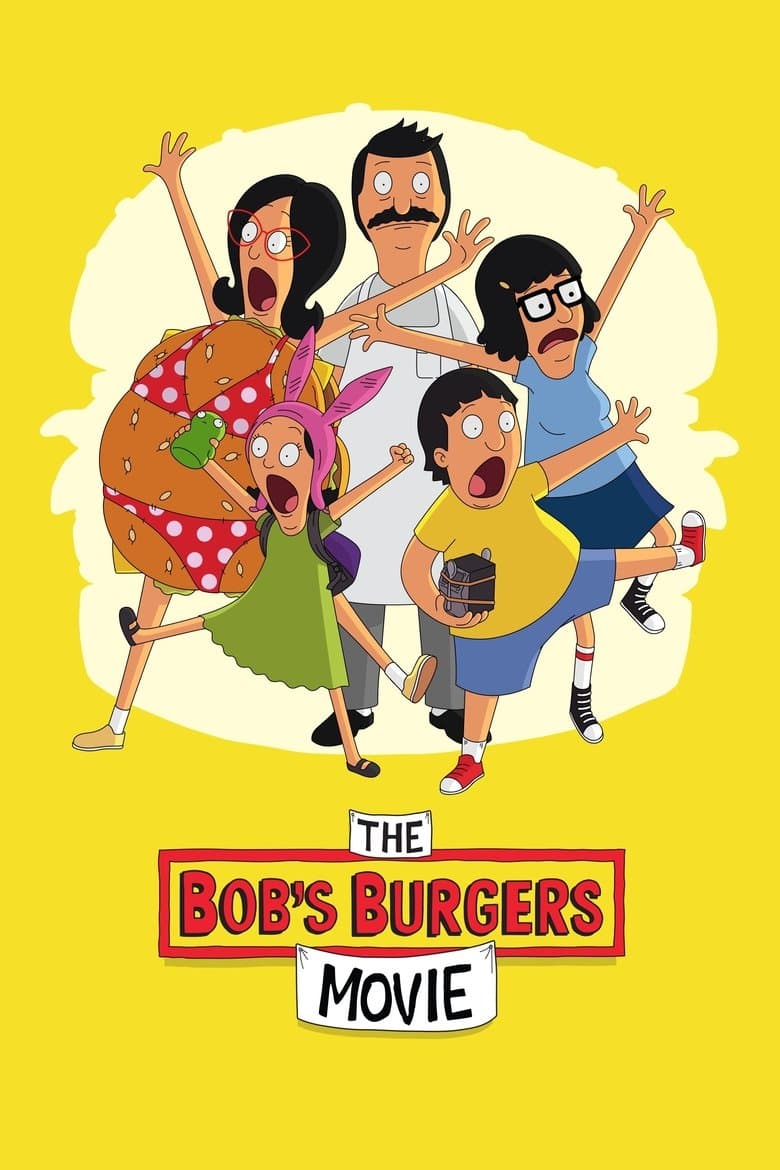
Movie · 2022
When a ruptured water main creates an enormous sinkhole right in front of Bob's Burgers, it blocks the entrance indefinitely and ruins the Belchers’ plans for a successful summer.
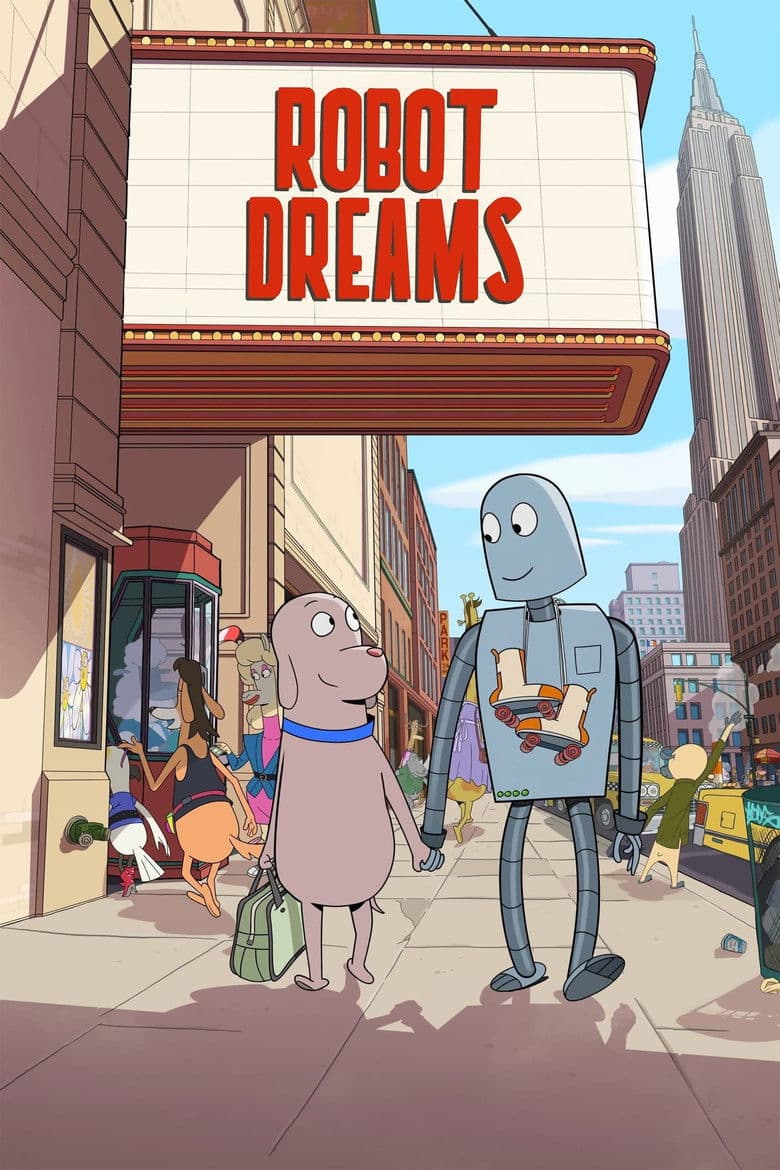
Movie · 2023
A lonely dog's friendship with his robot companion takes a sad turn when an unexpected malfunction forces him to abandon Robot at the beach. Will Dog ever meet Robot again?
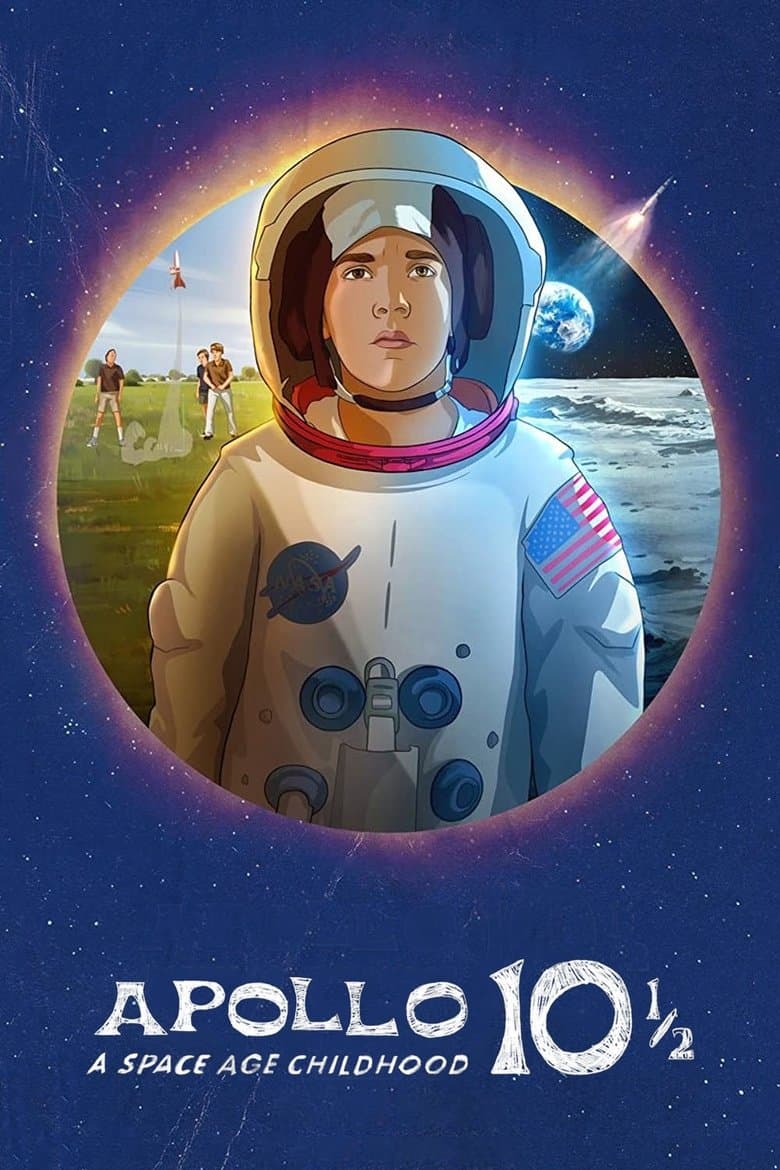
Movie · 2022
A man narrates stories of his life as a 10-year-old boy in 1969 Houston, weaving tales of nostalgia with a fantastical account of a journey to the moon.
Movie · 2019
Batman, Batgirl, and Robin forge an alliance with the Teenage Mutant Ninja Turtles to fight against the Turtles' sworn enemy, The Shredder, who has apparently teamed up with Ra's…
