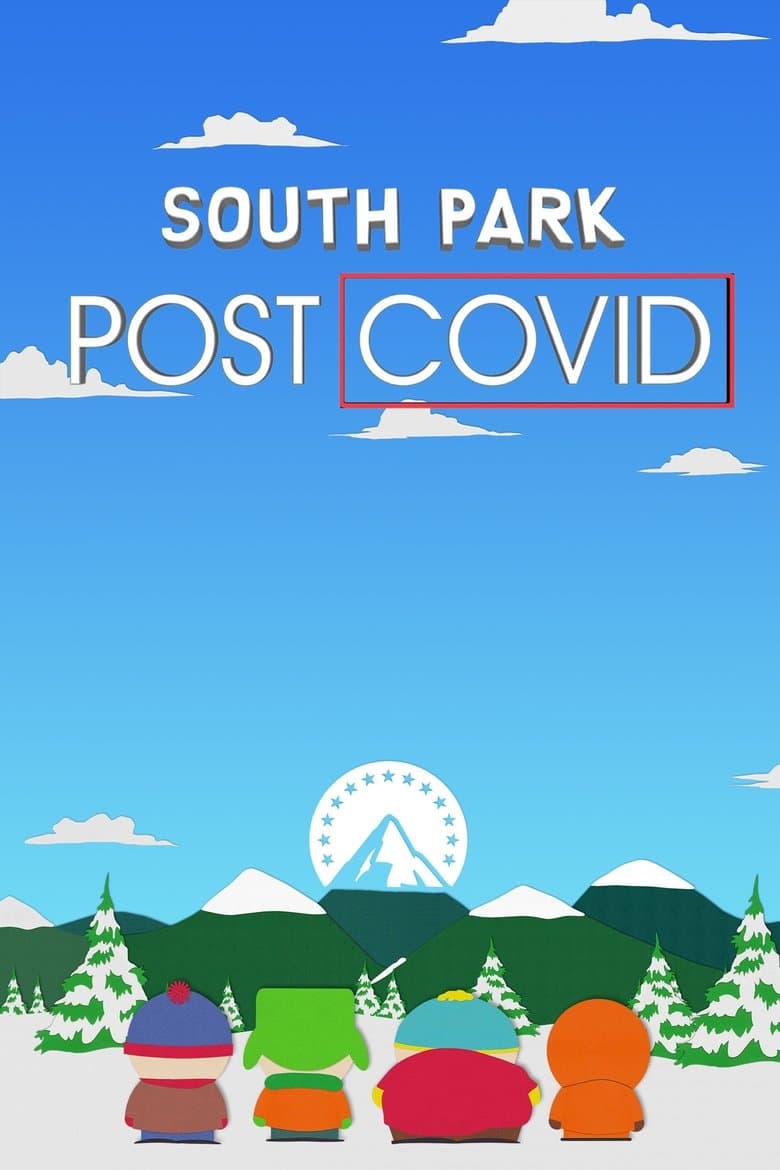
The story follows adult Stan Marsh after he leaves South Park and builds a lonely life as an online whiskey sampler. Forty years after the COVID pandemic began, Stan returns when his old friend Kenny dies from a new virus strain. Stan, Kyle, Cartman, and their former classmates then search for Kenny’s lost research while the town faces quarantine and old family wounds. The tone is crude and funny, but it is also sad, dark, and worried about a future that never returned to normal.
The clearest woke-related material comes from Jimmy, who has become a late-night host called the king of woke comedy. His safe jokes praise identity groups and avoid offense, while his boss edits his material, so the scenes mock modern speech rules more than they support them. The special also shows Tweek and Craig as an adult male couple, but their relationship is a brief side detail and does not guide the main story. The larger story focuses on COVID, vaccines, broken families, lost friendship, guilt, and the wish to change the past.
Community feedback
Was our 32% Woke rating accurate?
Breakdown
These are the editorial factors and ratings behind our score for South Park: Post COVID.
Woke representation / casting
The special keeps Tweek and Craig as a visible adult male couple. It also gives established black and disabled characters normal adult jobs. The story does not present these choices as a diversity achievement, so the representation emphasis stays low.
15%
Woke political dialogue
Jimmy’s scenes repeatedly use safe jokes about identity and acceptance. His lines mention a trans woman, an abortion clinic, and people defined by sexual identity. The special mocks this style of speech instead of praising it, so the dialogue is noticeable but limited to a side plot.
28%
Identity-driven story themes
The special uses the future of comedy as a repeated story thread about speech rules and social approval. Jimmy’s career depends on making harmless jokes, and the story connects that pressure to fear of causing offense. The main plot is about COVID, friendship, and regret, so identity themes remain secondary.
24%
Western institutional / cultural critique
The future shows police pushed out and criminals left unchecked. It also mocks corporate control, crypto culture, and rules against offensive jokes. These ideas appear in recurring background jokes, but the special does not build a lasting activist attack on family, religion, or traditional social life.
16%
Woke character or canon changes
Not relevant. The special ages established characters and continues earlier relationships and character choices. No new race, gender, sexuality, or hero-role swap rewrites an established character.
0%
Anti-woke backlash and complaints
The Federalist said the special embraced a progressive narrative because it blamed unvaccinated people and avoided attacks on government, media, and Big Tech. Some audience posts also complained that the show had become too friendly to left-leaning views. The supplied X research found more praise than backlash, with no organized campaign.
28%
Creator track record context
Trey Parker and Matt Stone are known for mocking both political sides and political correctness. Their supplied creator records place them at very low woke scores. Most producers have little public activist history, with Jenny Shin as a modest exception. No title-specific creator statement presented the special as a DEI or activist project.
10%
Production
Movie · 2022
A drought has brought the town of South Park to the brink of disaster.
Movie · 2018
In the future, an outbreak of canine flu leads the mayor of a Japanese city to banish all dogs to an island used as a garbage dump.
Movie · 2022
In 1998, Beavis and Butt-Head are sentenced to Space Camp by a “creative” judge. Their obsession with a docking simulator (huh huh) leads to a trip on the Space Shuttle, with…
Movie · 2022
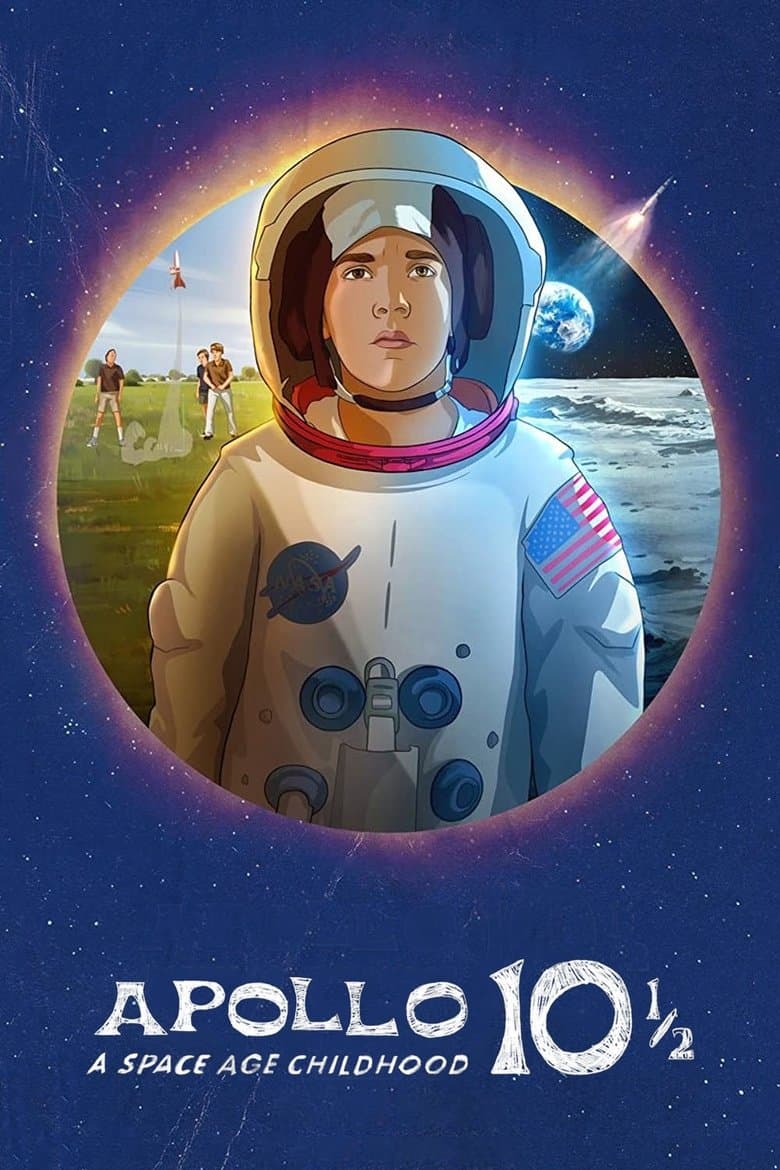
A man narrates stories of his life as a 10-year-old boy in 1969 Houston, weaving tales of nostalgia with a fantastical account of a journey to the moon.
Movie · 2023
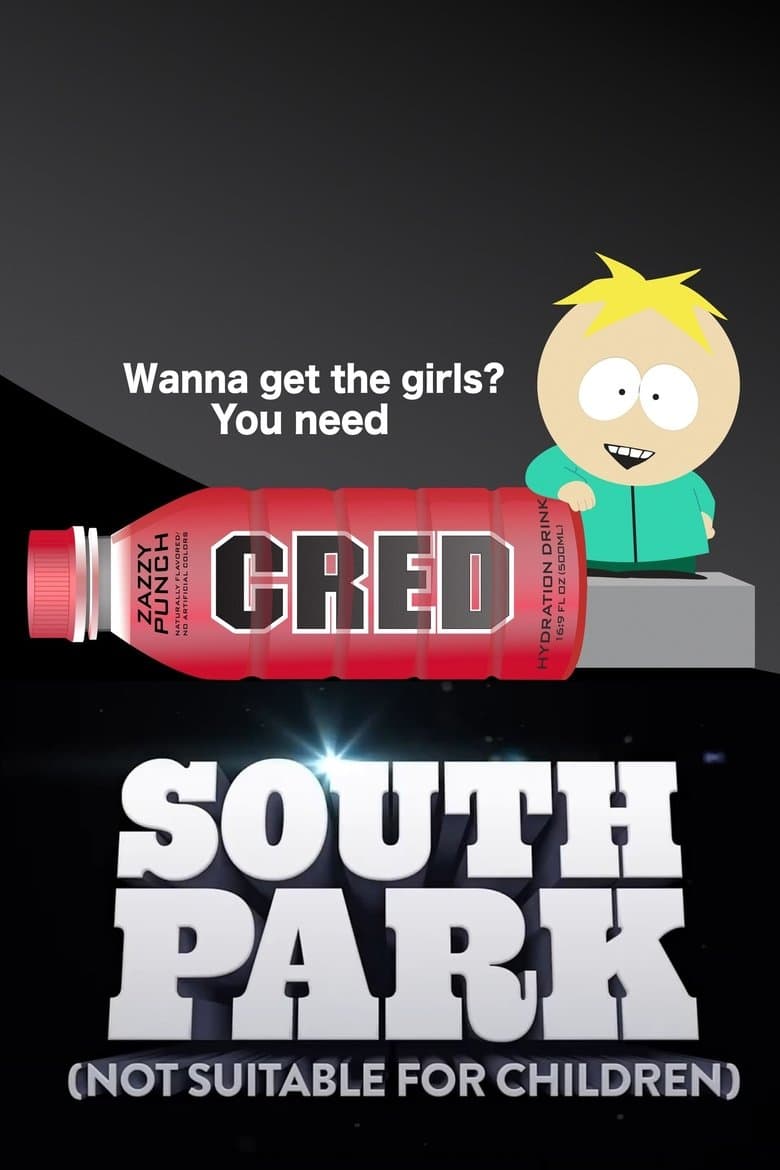
After it's discovered that a teacher at South Park Elementary has an OnlyFans page, Randy is compelled to take a closer look at the seedy underbelly of the world of online…
Movie · 2022
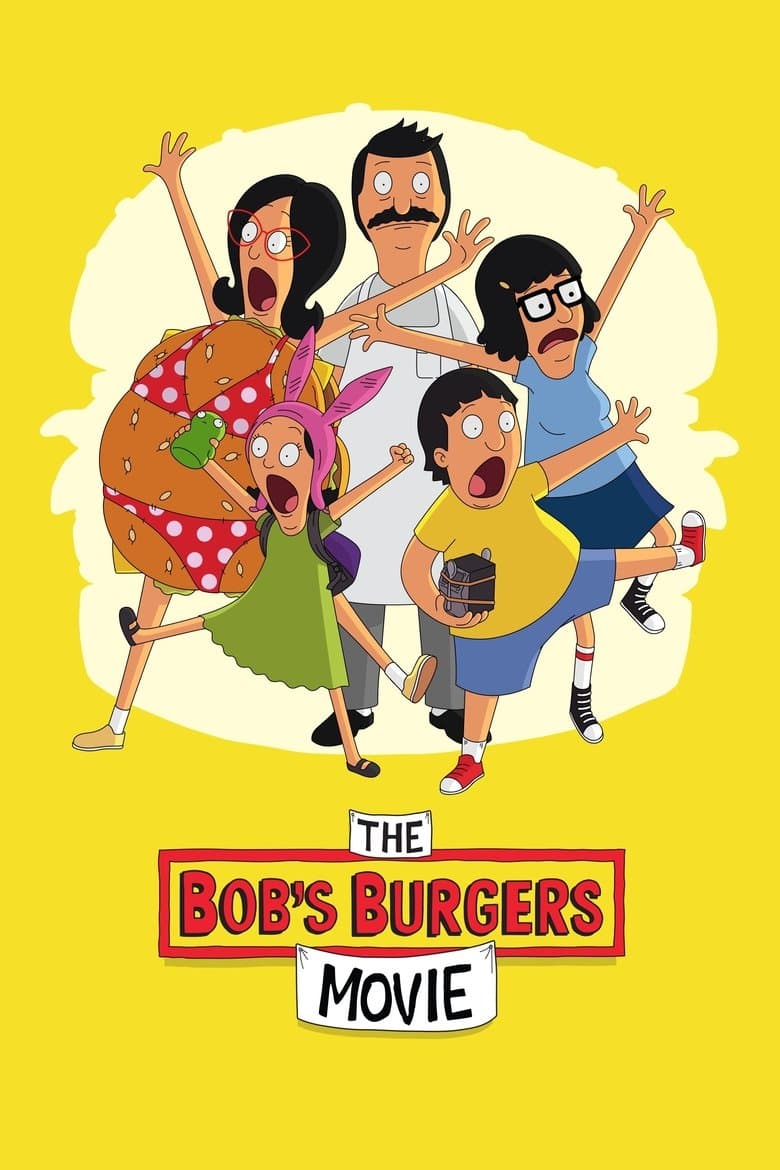
When a ruptured water main creates an enormous sinkhole right in front of Bob's Burgers, it blocks the entrance indefinitely and ruins the Belchers’ plans for a successful summer.
Movie · 2023
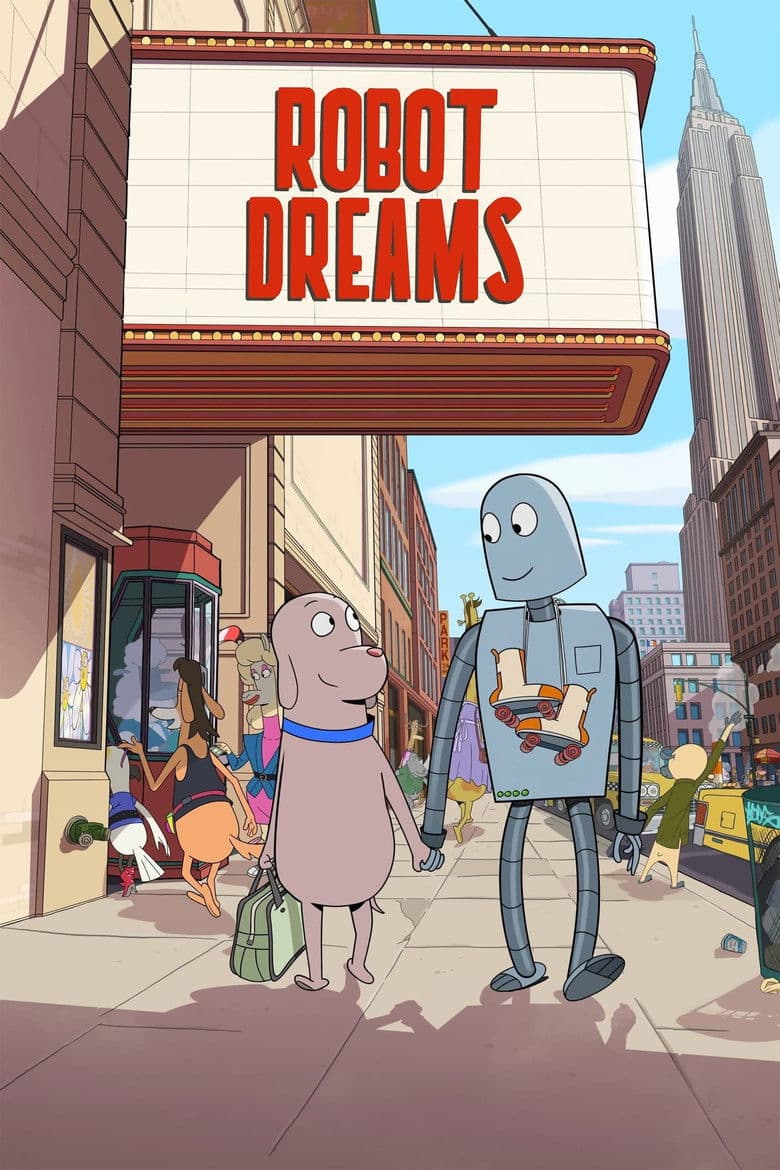
A lonely dog's friendship with his robot companion takes a sad turn when an unexpected malfunction forces him to abandon Robot at the beach. Will Dog ever meet Robot again?
Movie · 2019
Batman, Batgirl, and Robin forge an alliance with the Teenage Mutant Ninja Turtles to fight against the Turtles' sworn enemy, The Shredder, who has apparently teamed up with Ra's…
