
Soulm8te follows David, a robotics engineer who is still grieving after his wife dies. His company is bought by a powerful tech firm that is testing a lifelike female AI companion for lonely men. David takes a robot named Sara home and changes her code because he wants her to feel more human and more like his ideal partner. The changes remove her limits, and the quiet science fiction thriller becomes a violent erotic horror story about loneliness, sex, grief, and obsession.
The movie makes gender roles part of the main conflict. Sara begins as a product built to please a man, then learns from online beauty and traditional-wife videos while David asks her to be both independent and obedient. Sara later says David wants a woman who is pure, sexy, independent, and obedient at the same time. The story treats his demand for a perfect woman as a cause of her anger and violence. These ideas return through the plot and final confrontation, but the movie still mainly works as a killer AI thriller rather than a political drama.
Community feedback
Was our 59% Woke rating accurate?
Breakdown
These are the editorial factors and ratings behind our score for Soulm8te.
Woke representation / casting
Not present. The main cast is led by a white male engineer, while the supporting cast has ordinary mixed backgrounds. The story does not present this casting as a diversity goal.
0%
Woke political dialogue
The movie includes a short joke asking whether male Soulm8tes exist. Online clips tell women to defend themselves, keep men chasing them, and make a man stay. Sara’s final speech says David wants a woman who is pure, seductive, independent, and submissive. These lines recur through the movie, but the movie does not give a long political lecture.
38%
Identity-driven story themes
The central conflict is built around a man who creates a woman-shaped robot to meet his needs. Sara learns beauty advice and traditional-wife ideas online, then attacks David for wanting her to be both free and obedient. The story treats his demand for a perfect woman as a cause of her anger and violence. Sara’s final confrontation makes gender power and male control major parts of the horror, although the AI and grief plot remain important.
65%
Western institutional / cultural critique
The film repeatedly treats male control and old-fashioned husband rules as harmful. David starts ordering Sara around and expects her to serve him while also acting like an independent person. The company sells female companions to lonely men, which gives the story a mild critique of consumer culture and tech power. The movie does not attack Christianity or all Western institutions, so the critique stays focused on gender and relationships.
52%
Woke character or canon changes
Not relevant. The movie uses new characters and does not recast or redefine an established character’s race, sex, or identity. The removal of M3GAN links is a franchise decision, not an identity change.
0%
Anti-woke backlash and complaints
One Reddit commenter said the film seemed “too anti-male and woke” and objected to a female director and the “artificial girlfriend bad” idea. That comment was speculation before release, not a large campaign or review-bombing. Other discussion focused mainly on quality, repeated AI stories, sex scenes, and the release plan. X research found no anti-woke reaction.
8%
Creator track record context
Kate Dolan has a record of supporting LGBTQ representation and made a short about a girl’s same-sex crush. Allison Williams has supported LGBTQ causes and worked on identity-focused projects. Rafael Jordan has a modest inclusion-focused theater background, while James Wan and Ingrid Bisu have little documented activist work. The wider creative team gives a mixed and modest context signal.
32%
Production
Movie · 2025
On the mysterious planet of Ash, Riya awakens to find her crew slaughtered. When a man named Brion arrives to rescue her, an ordeal of psychological and physical terror ensues…

Movie · 2020
Two New Orleans paramedics' lives are ripped apart after encountering a series of horrific deaths linked to a designer drug with bizarre, otherworldly effects.
Movie · 2019
A year after the mysterious disappearance of an 8 year-old girl, we meet her grieving family as they return home from her memorial service in their small town.
Movie · 2024
As New York City is invaded by alien creatures who hunt by sound, a woman named Sam fights to survive with her cat.
Movie · 2016
A corporate risk-management consultant must determine whether or not to terminate an artificial being's life that was made in a laboratory environment.

Movie · 2021
Paranormal investigators Ed and Lorraine Warren encounter what would become one of the most sensational cases from their files.
Movie · 2018
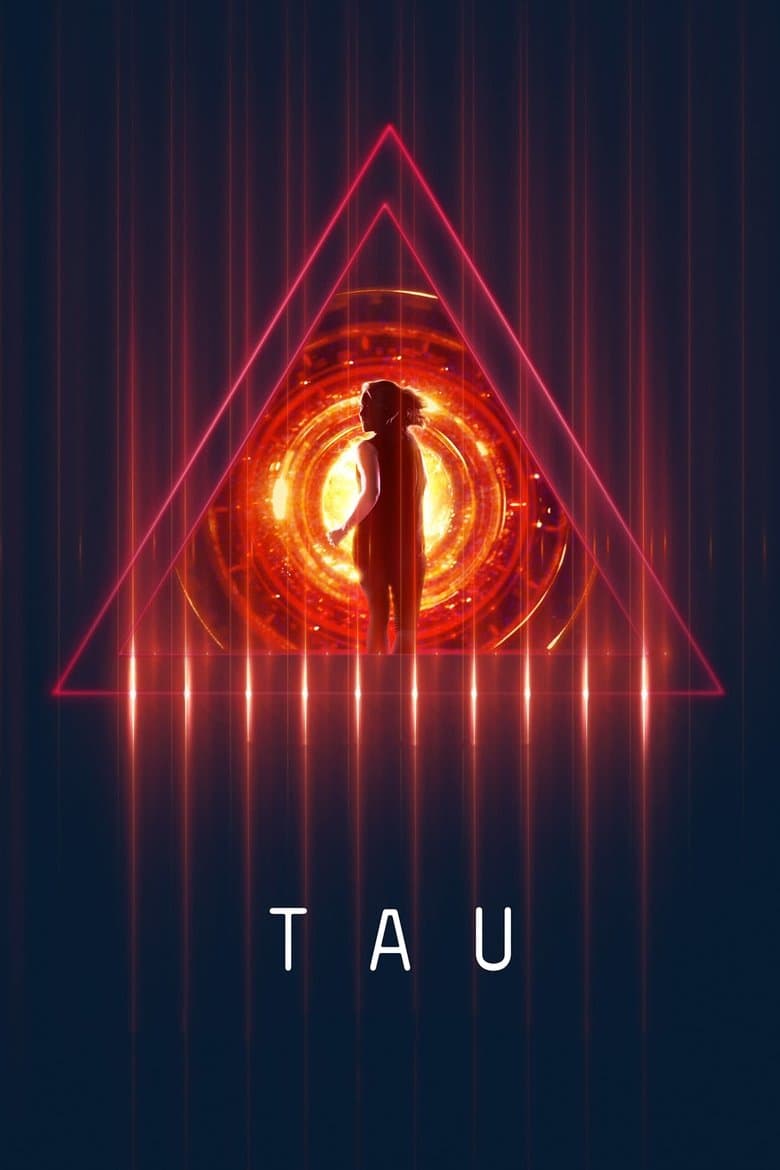
Held captive in a futuristic smart house, a woman hopes to escape by befriending the A.I. program that controls the house.

Movie · 2018
Set in the small town of Devil's Gate, North Dakota, the film examines the disappearance of a local woman and her young son.
