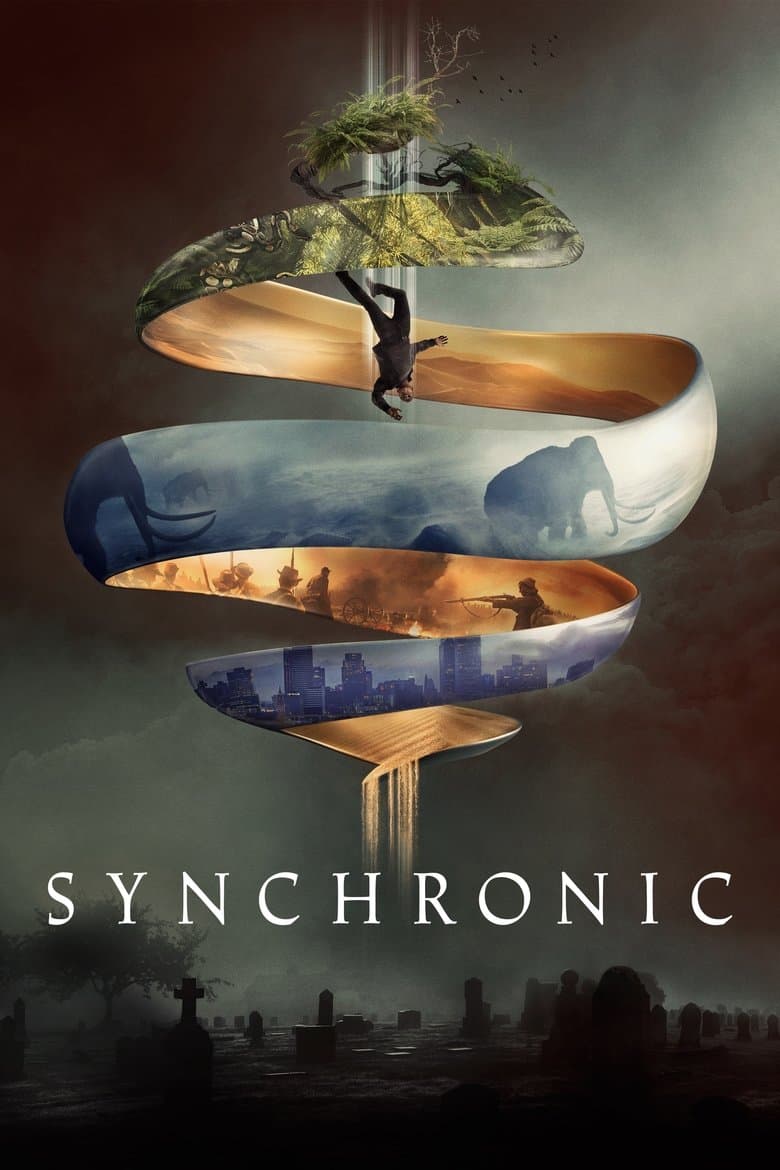
Steve Denube and Dennis Dannelly are New Orleans paramedics and close friends. They answer calls involving strange deaths and injuries tied to a new drug called Synchronic. Steve learns that the drug can send a person seven minutes into the past, but his brain tumor makes each trip dangerous. When Dennis’s daughter Brianna disappears after taking the drug, Steve risks his health to find her. The movie shifts from grim medical horror to strange time travel, with a sad and serious tone.
Race becomes part of Steve’s danger when he travels through earlier versions of Louisiana as a black man. He jokes about being stopped in the wealthy Garden District, and he faces hooded Klan men and a Confederate soldier who calls him a slave. The ending leaves Steve in the past after he saves Brianna, so his race affects the cost of his sacrifice. The movie touches on racism and American history, but it spends more time on friendship, family, death, and regret than on present-day activism.
Community feedback
Was our 26% Woke rating accurate?
Breakdown
These are the editorial factors and ratings behind our score for Synchronic.
Woke representation / casting
Not present. The film uses a black lead and a white lead as New Orleans paramedics, which fits its modern setting. The movie does not present the casting as a diversity goal or use an identity-first group of heroes.
0%
Woke political dialogue
The film has a short joke about a black man being stopped while driving through the Garden District. Steve also says that earlier times would put him in jail or worse. These lines bring race into the dialogue, but they appear briefly between medical calls and science talk. The movie does not turn the issue into a repeated political speech.
16%
Identity-driven story themes
Steve’s race shapes several trips through earlier versions of Louisiana. The film shows him facing hooded Klan men and a Confederate soldier who calls him a slave. Steve’s final choice to save Brianna leaves him trapped in that past, so race affects the cost of his sacrifice. The movie keeps its main focus on friendship, family, death, and regret rather than a current activist message.
34%
Western institutional / cultural critique
The film briefly connects the wealthy Garden District with police stopping a black driver. That line gives a small critique of racial profiling by a Western institution. The story does not build a larger attack on religion, family, male roles, or other Western institutions.
8%
Woke character or canon changes
Not relevant. Synchronic is an original story rather than an adaptation of established characters or real events. No earlier canon is changed.
0%
Anti-woke backlash and complaints
Not present. No clear anti-woke reaction, boycott, or complaint that the film pushes DEI or identity politics was found. The reported race-related criticism focused on the ending and was not anti-woke backlash.
0%
Creator track record context
Justin Benson and Aaron Moorhead mainly make science-fiction and horror stories about strange reality and human bonds. Their creator profiles show little activist or identity-focused work. Their interviews about this movie stress friendship, science, history, and sacrifice. Their broad praise for more voices in film does not show that this title was made as a diversity campaign.
18%
Production
Movie · 2017
Two brothers return to the cult they fled from years ago to discover that the group's beliefs may be more sane than they once thought.
Movie · 2024
With his wife out sick, a struggling father brings home a lifelike AI, only to have his self-aware new help want everything her new family has to offer...
Movie · 2018
Set in the small town of Devil's Gate, North Dakota, the film examines the disappearance of a local woman and her young son.
Movie · 2023
A powerful biotech company has breakthrough technology allowing them to clone history’s most influential people with just a few fragments of DNA.
Movie · 2024
After an experimental drug trial goes awry, the test subjects face a terrifying side effect: if you fall asleep you die.
Movie · 2019
A year after the mysterious disappearance of an 8 year-old girl, we meet her grieving family as they return home from her memorial service in their small town.
Movie · 2019
A man steps out of a park fountain in Ho Chi Minh City with no recollection of who he is or where he came from.
Movie · 2024
As New York City is invaded by alien creatures who hunt by sound, a woman named Sam fights to survive with her cat.
