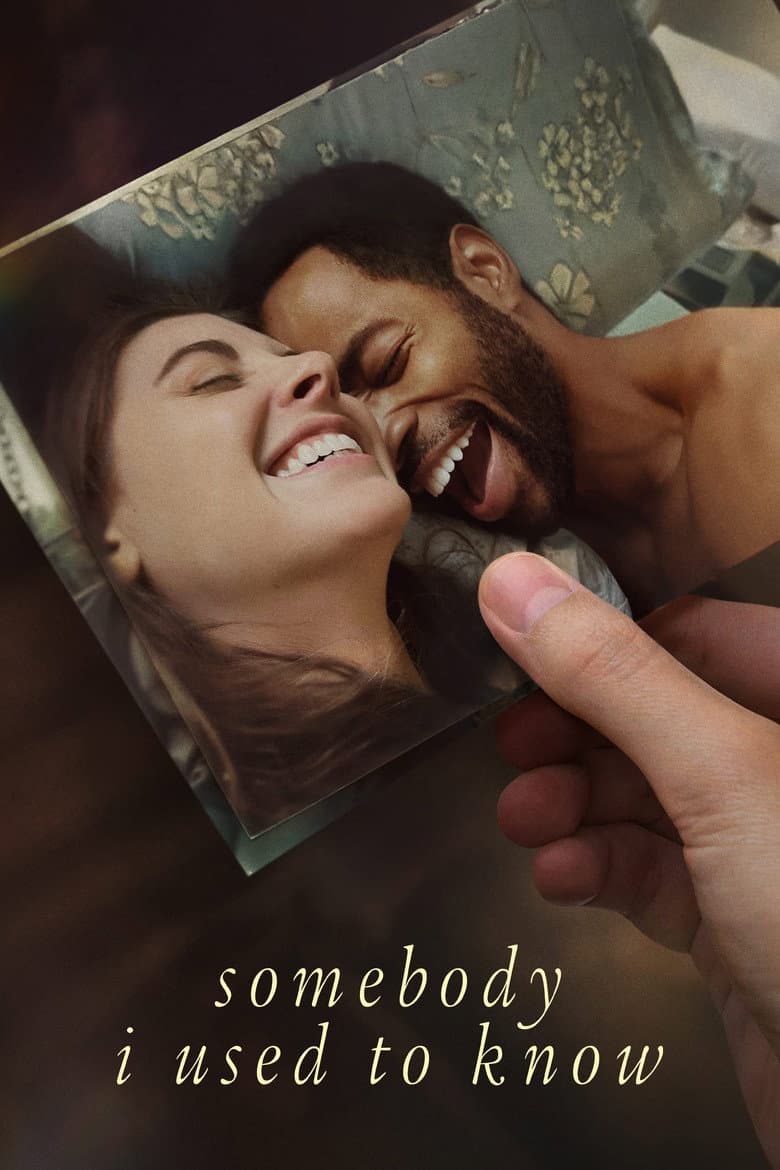
Ally is a workaholic reality TV producer whose show is canceled after three seasons. She returns to her hometown in Washington and meets Sean, the former boyfriend she left behind. Sean is about to marry Cassidy, a confident singer in a punk band, so Ally spends the wedding week facing old feelings and bad choices. The film mixes raunchy comedy with a serious story about regret, work, love, and growing up.
The story gives strong attention to women choosing their own work and lives. Ally wants to return to documentary filmmaking, while Cassidy feels pressure to leave her band and settle down with Sean. The film treats that pressure as unfair and shows Sean learning that he must change. Cassidy is bisexual, and her parents reject her past with women. A kiss between Cassidy and Ally adds a queer moment to the romance, while public nudity and body hair question older ideas about how women should act.
Community feedback
Was our 49% Woke rating accurate?
Breakdown
These are the editorial factors and ratings behind our score for Somebody I Used to Know.
Woke representation / casting
The film puts a black man and a mixed-race bisexual woman in the central couple. Cassidy’s sexuality shapes her family conflict and is visible in the wedding story. The modern American setting makes the interracial cast plausible, and the film does not present the casting as a diversity campaign.
20%
Woke political dialogue
Cassidy says her parents were relieved that she did not end up with a woman. Her parents make a joke about fearing a lesbian partner because of Cassidy’s name. Ally and Cassidy also talk about keeping their work and choosing their own lives. These lines appear in a few scenes, but the film does not build its dialogue around political speeches.
32%
Identity-driven story themes
Ally is a successful showrunner who returns to documentary work instead of letting a man set her path. Cassidy is a confident punk singer who faces pressure to leave her band and settle down with Sean. The story treats that pressure as a mistake and has Sean admit that he was wrong. The film also makes female friendship, body comfort, bisexual identity, and personal choice important parts of the ending.
55%
Western institutional / cultural critique
Sean wants Cassidy to stop touring and build a settled life with him. The film shows that demand as unfair and has Sean accept that his fear and pressure hurt the relationship. Cassidy’s religious parents reject her past with women and make a rude joke about her marrying a man. The story treats those family and gender expectations as problems, but it does not attack churches or Western institutions as a whole.
40%
Woke character or canon changes
Not relevant. The film uses original characters and does not change a known story, canon, or real historical figure.
0%
Anti-woke backlash and complaints
Not present. The X research pass found no anti-woke posts, boycott, or review-bombing. Web and Reddit discussion focused on the plot, chemistry, and ending rather than claims that the film pushes DEI or identity politics.
0%
Creator track record context
Alison Brie has a cached creator score of 40/100 and has documented liberal views on gay rights, immigration, and environmental causes. Dave Franco has a cached score of 12/100 and no clear activist record. Brie and Franco described this film as a female empowerment and self-transformation story. The other cached creators have low scores and no clear pattern of identity activism.
25%
Production
Movie · 2019
Charlie suffers from a serious disease that causes acute narcolepsy whenever he is happy. Although he develops a variety of techniques to deny himself pleasure and deal with his…

Movie · 2023
College freshman Abby tries to distance herself from her dark past while resisting her attraction to bad boy Travis.
Movie · 2020
Faced with sudden doubts about her marriage, a young New York mother teams up with her larger-than-life playboy father to tail her husband.

Movie · 2016
A week in the life of Paterson, a poet bus driver, and his wife Laura, a very creative artist, who live in Paterson, New Jersey, hometown of many famous poets and artists.

Movie · 2020
A terminally ill teen upsets her parents when she falls in love with a small-time drug dealer.
Movie · 2023
A novelist's longstanding marriage is suddenly upended when she overhears her husband giving his honest reaction to her latest book.

Movie · 2022
Divorced couple Georgia and David find themselves on a shared mission: they team up and travel to Bali to stop their daughter Lily from making the same mistake they once made 25…

Movie · 2016
A sex therapist goes through puberty after the successful removal of a benign tumor resting against his pituitary gland.
