Movie review
March 23, 2017 · 89 min · PG · Kids · Animation · Comedy · Adventure · Family
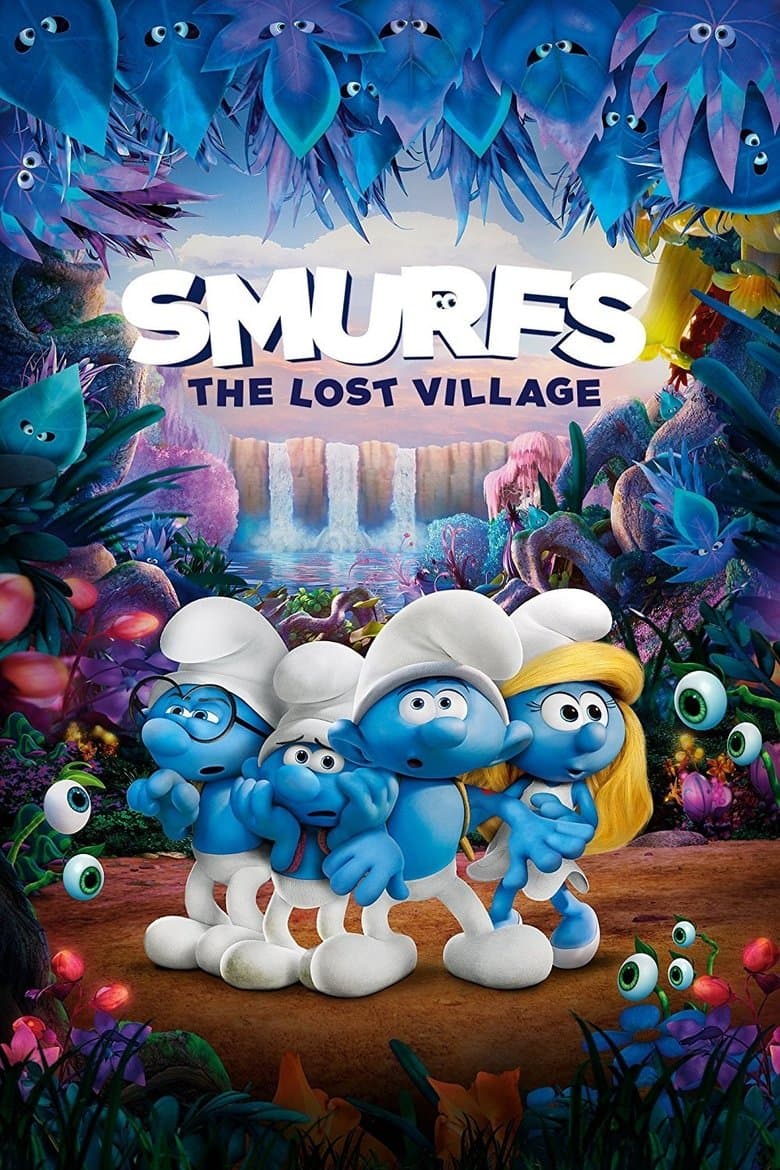
Smurfette lives in a small blue village where every other Smurf is male and has a name tied to a clear trait or job. She feels unsure because her name only marks her as a girl, and she does not know what makes her special. When she finds a map to a hidden village, she travels through the dangerous Forbidden Forest with Brainy, Clumsy, and Hefty. The group must warn the hidden Smurfs before Gargamel captures them and uses their power, giving the film a bright, fast, and playful adventure tone.
The film makes gender and personal identity part of its main story. Smurfette meets a whole village of female Smurfs led by SmurfWillow, with SmurfStorm, SmurfBlossom, and SmurfLily shown as brave and capable. The story says that a girl should not be limited to one label and that she can choose what she is good at. These ideas return through Smurfette’s fear, her journey, and the final message, but the film presents them in a simple family adventure rather than a debate about real politics.
Community feedback
Was our 51% Woke rating accurate?
Breakdown
These are the editorial factors and ratings behind our score for Smurfs: The Lost Village.
Woke representation / casting
Smurfette leads the main quest. SmurfWillow leads the hidden village, while SmurfStorm, SmurfBlossom, and SmurfLily are shown as brave and capable. The film gives female Smurfs a repeated pattern of leadership and action roles that goes beyond the older setup. The characters are fantasy creatures, so the score comes from gender-focused role choices rather than ethnic casting.
42%
Woke political dialogue
Not present. The characters discuss identity, courage, and teamwork instead of real political issues. The film has no debate about parties, laws, elections, or current activist causes.
0%
Identity-driven story themes
Smurfette worries that she has no role beyond being the only girl. She meets a hidden village of female Smurfs led by SmurfWillow. The story says that a person is not limited by one label and can choose what they are good at. Female strength and self-definition shape the main quest, although the film remains a simple family adventure.
46%
Western institutional / cultural critique
The original village treats being female as Smurfette’s only clear label. The hidden village challenges that setup by showing women as leaders, fighters, and explorers. The story says boys and girls should not be boxed into fixed roles. The critique stays inside a fantasy community and does not attack real Western institutions or family life.
33%
Woke character or canon changes
The film changes the established Smurf setup by turning Smurfette from the only female Smurf into one member of a larger female community. It adds a hidden village led by SmurfWillow and filled with female characters such as SmurfStorm, SmurfBlossom, and SmurfLily. It also makes Smurfette’s search for identity the main story. These changes focus directly on gender roles in the older property.
44%
Anti-woke backlash and complaints
A tiny X account called the film woke because Demi Lovato voices Smurfette and said the movie felt unsatisfying. Another small account grouped it with animated films that use hollow girlboss characters for publicity. No large right-leaning outlet, boycott, or review-bomb effort was found. The available complaints are fringe.
10%
Creator track record context
Pamela Ribon has publicly shown feminist views. Jordan Kerner has a liberal record that includes support for social causes. The director and most other stored crew summaries show no strong activist or DEI record. The creator context supports a mild signal, not a strong one.
10%
Production

Movie · 2023
After a migrating duck family alights on their pond with thrilling tales of far-flung places, the Mallard family embarks on a family road trip, from New England, to New York City…
Movie · 2015
When 11-year-old Riley moves to a new city, her Emotions team up to help her through the transition. Joy, Fear, Anger, Disgust and Sadness work together, but when Joy and Sadness…
Movie · 2026
Living on a rundown shipwreck, Mr. Fish one day discovers a hyperactive young sea dragon Pip – who had mistaken his home for a junkyard – pilfering his belongings.

Movie · 2017
Ferdinand, a little bull, prefers sitting quietly under a cork tree just smelling the flowers versus jumping around, snorting, and butting heads with other bulls.
Movie · 2018
Peter Rabbit's feud with Mr. McGregor escalates to greater heights than ever before as they rival for the affections of the warm-hearted animal lover who lives next door.
Movie · 2023
A magical meteor crash lands in Adventure City and gives the PAW Patrol pups superpowers, transforming them into The Mighty Pups.

Movie · 2017
Six young ninjas are tasked with defending their island home of Ninjago. By night, they’re gifted warriors using their skill and awesome fleet of vehicles to fight villains and…
Movie · 2016
When a radio falls from the sky into the hands of a wide-eyed Tibetan Mastiff, he leaves home to fulfill his dream of becoming a musician, setting into motion a series of…
