Movie review
September 21, 2017 · 101 min · PG · Kids · Animation · Comedy · Action · Adventure · Family
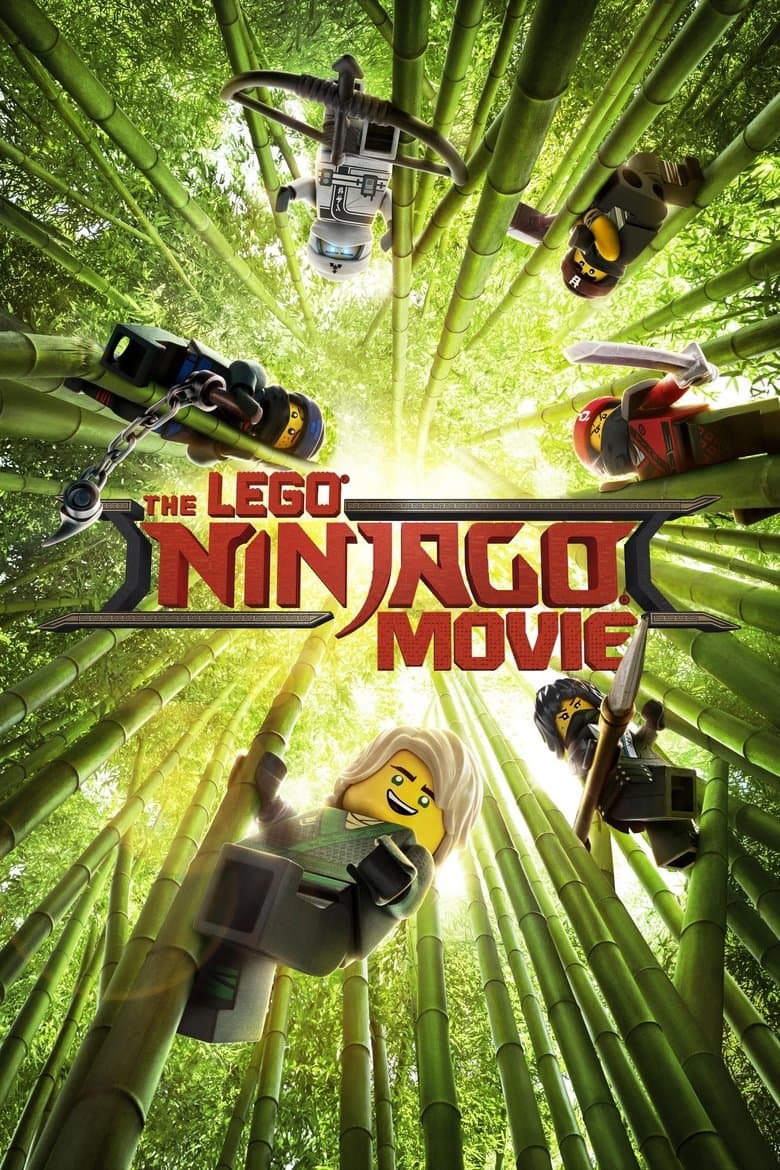
Lloyd Garmadon is a teenage ninja who protects Ninjago City while pretending to be an ordinary student. The city hates him because his father, Lord Garmadon, attacks it again and again. Lloyd and five friends fight through giant machines, strange monsters, and school problems under the guidance of Master Wu. The movie uses loud jokes, fast battles, toy-like action, and a more serious story about a broken family.
The clearest modern social message is a broad call for acceptance, because Lloyd is judged for his family and must learn to define himself. The story also presents Koko as a former ninja who can fight, while Nya is one of the six young heroes, but the film gives both women less time than Lloyd and Garmadon. The voice cast is notably mixed, with Jackie Chan, Kumail Nanjiani, and Michael Peña among the main voices, yet the Lego figures have no clear racial identities. The main lesson comes from forgiveness, self-control, and family repair rather than from political or identity debate.
Community feedback
Was our 11% Woke rating accurate?
Breakdown
These are the editorial factors and ratings behind our score for The Lego Ninjago Movie.
Woke representation / casting
The main voices include Jackie Chan, Kumail Nanjiani, and Michael Peña, alongside several white actors. The Lego figures share the same toy-like look, and the story gives them no clear racial identities. A 2017 interview also framed the varied voice cast as bringing different viewpoints to the improv. This makes representation a visible casting choice, but it is not central to the plot.
15%
Woke political dialogue
Not present. The dialogue is about ninja fights, school problems, family pain, and forgiveness. The movie does not make a modern political or activist argument.
0%
Identity-driven story themes
Not present. The story follows a teenager who is blamed for his father’s crimes and learns to forgive him. Its ideas about acceptance and self-worth are general family lessons, not identity-driven themes.
0%
Western institutional / cultural critique
Not present. The city is shown as scared and unfair toward Lloyd because of his father. The movie does not attack modern institutions, traditional family life, religion, or Western culture.
0%
Woke character or canon changes
Not relevant. The film tells a separate version of the Ninjago world, with school-aged ninjas and changed character details. Those changes serve a new family adventure and do not push an identity or DEI message.
0%
Anti-woke backlash and complaints
Not present. Audience complaints focus on weak writing, underused ninjas, and changes from the TV series. The researched coverage does not show a notable anti-woke or right-leaning campaign against the film.
0%
Creator track record context
The writers, director, casting director, and producers mostly come from mainstream studio comedy and animation. Most have little public record of activist or identity-politics work. Maggie Kang is the main higher-scored exception because of Korean representation and girl-power themes in other work. The film itself does not strongly carry that context.
14%
Production
Movie · 2024
Teenager Riley's mind headquarters is undergoing a sudden demolition to make room for something entirely unexpected: new Emotions!
Movie · 2019
Max the terrier must cope with some major life changes when his owner gets married and has a baby. When the family takes a trip to the countryside, nervous Max has numerous…
Movie · 2023
After a migrating duck family alights on their pond with thrilling tales of far-flung places, the Mallard family embarks on a family road trip, from New England, to New York City…
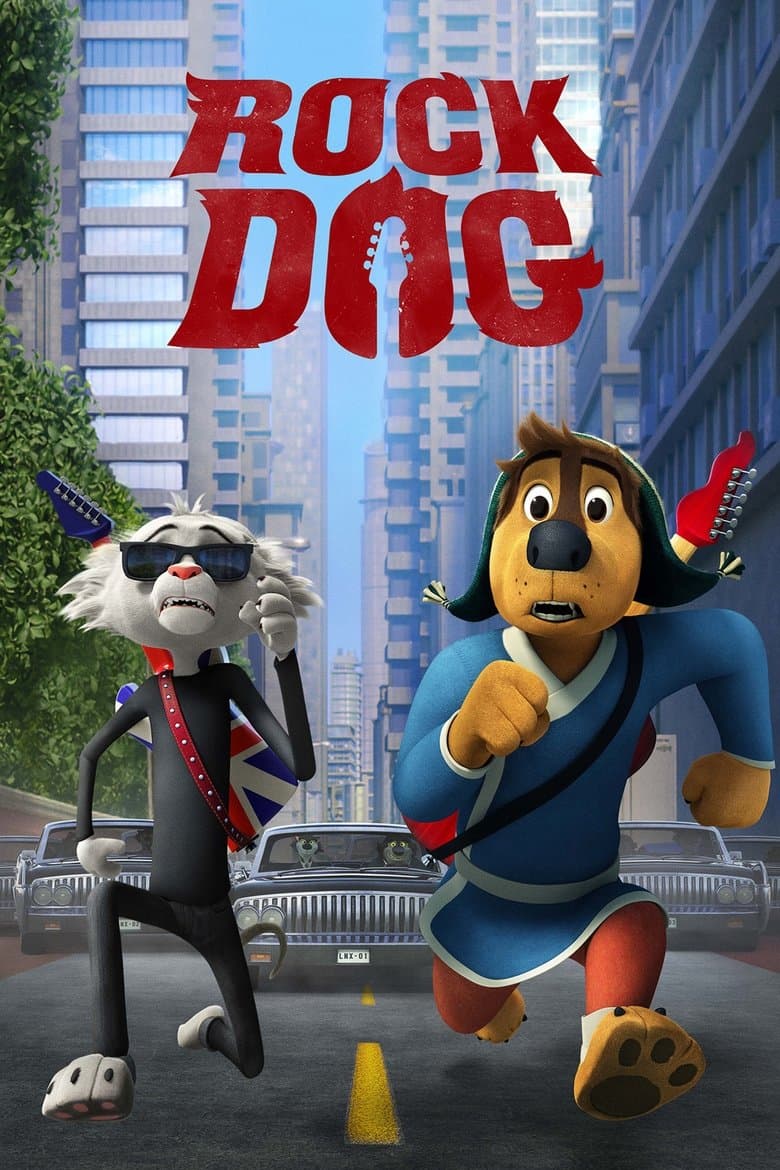
Movie · 2016
When a radio falls from the sky into the hands of a wide-eyed Tibetan Mastiff, he leaves home to fulfill his dream of becoming a musician, setting into motion a series of…
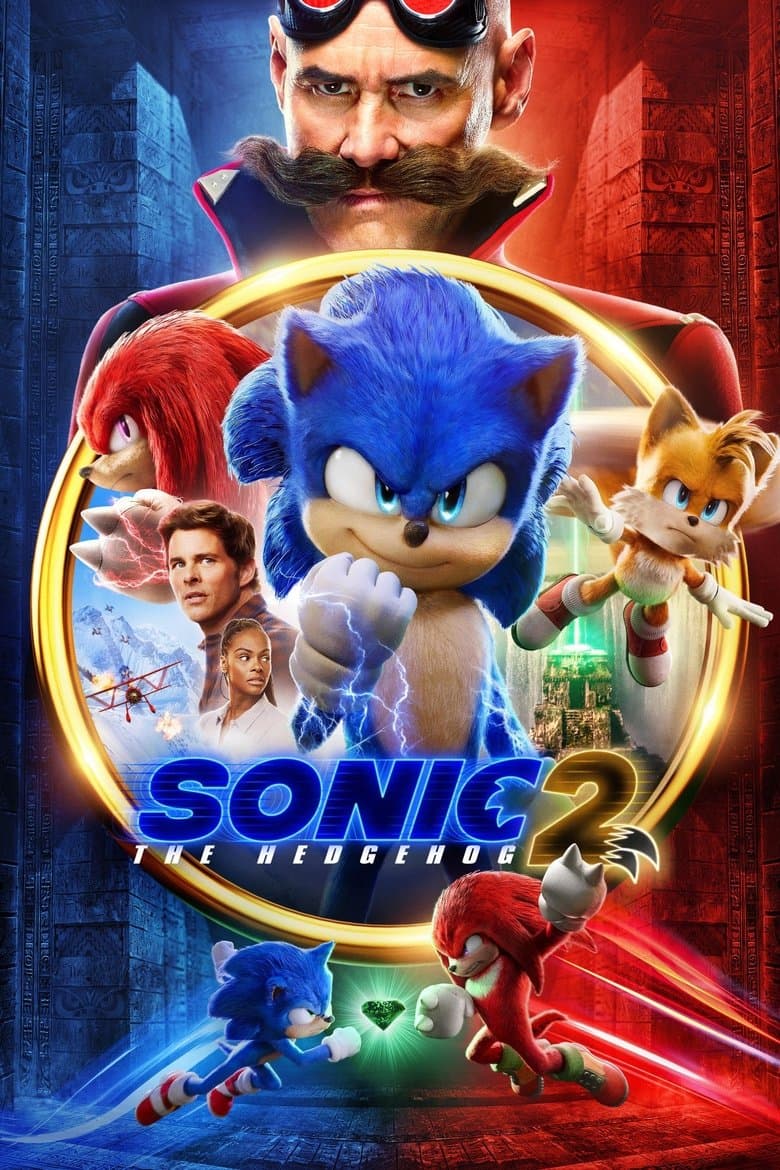
Movie · 2022
After settling in Green Hills, Sonic is eager to prove he has what it takes to be a true hero. His test comes when Dr.
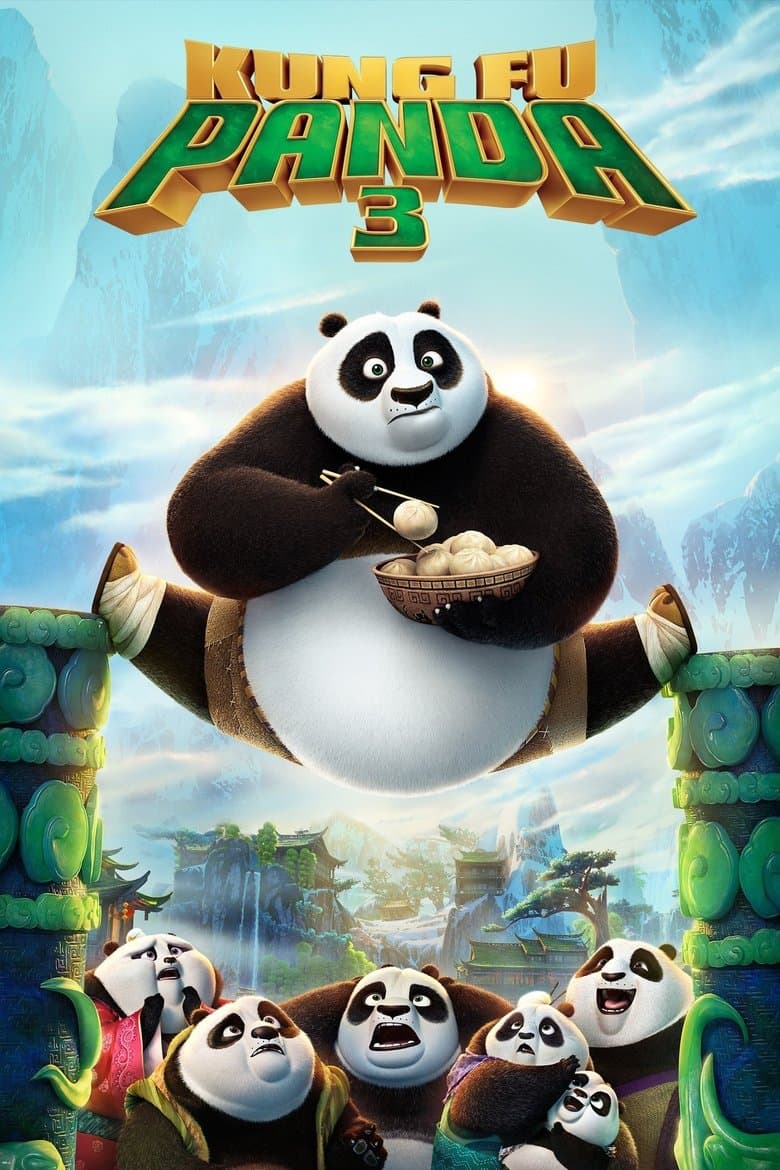
Movie · 2016
While Po and his father are visiting a secret panda village, an evil spirit threatens all of China, forcing Po to form a ragtag army to fight back.
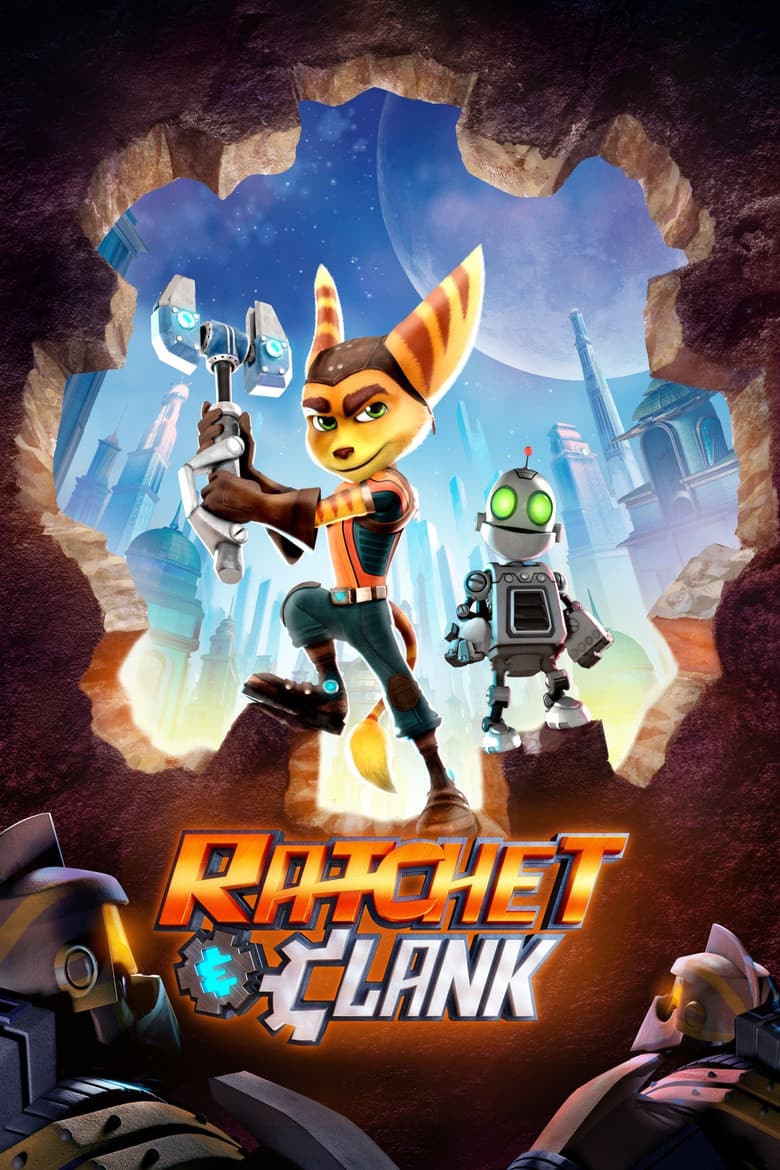
Movie · 2016
When the galaxy comes under the threat of a nefarious space captain, a mechanic and his newfound robot ally join an elite squad of combatants to save the universe.
Movie · 2024
Gru and Lucy and their girls—Margo, Edith and Agnes—welcome a new member to the Gru family, Gru Jr., who is intent on tormenting his dad.
