Movie review
January 1, 2026 · 92 min · PG · Kids · Animation · Comedy · Adventure · Family
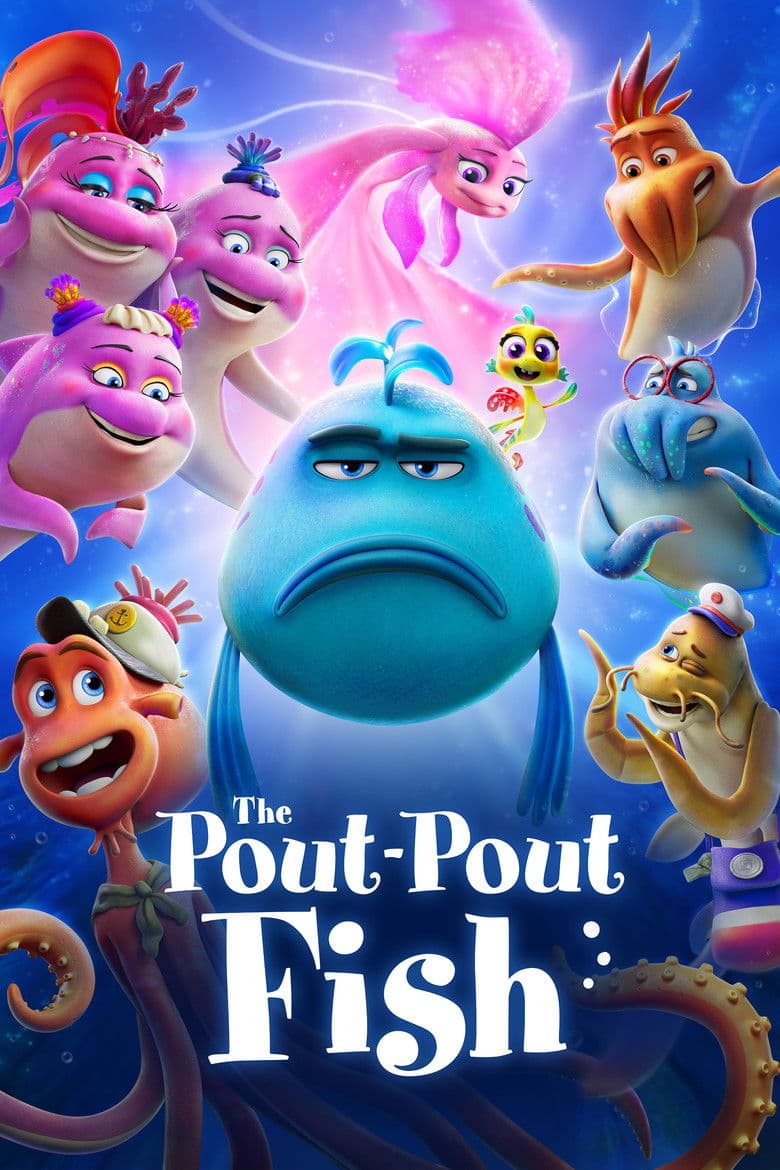
Mr. Fish is a gloomy fish who lives alone in an old shipwreck under the sea. Pip, a lively young sea dragon, damages his quiet home and takes some belongings by mistake. The two homeless neighbors search for Shimmer, a fish who is said to grant wishes. Benji joins them while his pod faces kelp growth, relocation, and a fight over homes. The adventure uses jokes, danger, friendship, courage, and community to move the characters through their problems.
The film shows Mr. Fish learning that his face does not decide his worth. Pip learns to trust others, and Benji learns to speak up for his pod. The characters help strangers, accept help, work together, and look for hope during hard times. The story does not connect these lessons to race, sex, sexuality, or modern identity politics. The film has no political speeches, institutional criticism, or clear woke agenda, so its visible messages remain focused on friendship, empathy, courage, personal growth, and caring for a community.
Community feedback
Was our 7% Woke rating accurate?
Breakdown
These are the editorial factors and ratings behind our score for The Pout-Pout Fish.
Woke representation / casting
The named voice cast includes Jordin Sparks as Shimmer and actors with Black, Asian, Indigenous Australian, and mixed backgrounds in prominent roles. The characters are fantasy sea creatures with no human racial identities. The film and its marketing do not present the casting as a diversity campaign. The representation signal is mild and secondary to the adventure.
12%
Woke political dialogue
Not present. The dialogue stays with homes, friendship, parents, fear, courage, and teamwork. It contains no political or activist speeches.
0%
Identity-driven story themes
Not present. The characters learn to trust others, accept help, and value their own strengths. The film does not connect those lessons to race, sex, sexuality, or modern identity politics.
0%
Western institutional / cultural critique
Not present. The conflict comes from damaged homes, kelp growth, family worries, and fear of change. The story does not attack religion, family life, capitalism, or Western institutions.
0%
Woke character or canon changes
Not relevant. The film expands a short picture-book premise with new characters and a larger quest. The changes support the adventure and do not give an established character a new identity or political role.
0%
Anti-woke backlash and complaints
Not present. The supplied X research found no anti-woke reaction. Web reviews and audience posts focus on pacing, animation, danger, and the distance from the book. No clear complaint says that the film pushes DEI, identity politics, or left-wing activism.
0%
Creator track record context
The directors and writer are known mainly for family animation and general storytelling. Their available work shows no activist or identity-driven pattern. Producer Cyma Zarghami has a mild record of broad child-inclusion work, but not a strong modern DEI record.
5%
Production

Movie · 2023
A magical meteor crash lands in Adventure City and gives the PAW Patrol pups superpowers, transforming them into The Mighty Pups.

Movie · 2016
Kubo mesmerizes the people in his village with his magical gift for spinning wild tales with origami. When he accidentally summons an evil spirit seeking vengeance, Kubo is forced…

Movie · 2019
Max the terrier must cope with some major life changes when his owner gets married and has a baby. When the family takes a trip to the countryside, nervous Max has numerous…

Movie · 2022
Decades since their successful television series was canceled, Chip has succumbed to a life of suburban domesticity as an insurance salesman.
Movie · 2023
After a migrating duck family alights on their pond with thrilling tales of far-flung places, the Mallard family embarks on a family road trip, from New England, to New York City…

Movie · 2017
Despite his family’s baffling generations-old ban on music, Miguel dreams of becoming an accomplished musician like his idol, Ernesto de la Cruz.

Movie · 2021
Buster and his new cast now have their sights set on debuting a new show at the Crystal Tower Theater in glamorous Redshore City.
Movie · 2024
Porky and Daffy, the classic animated odd couple, turn into unlikely heroes when their antics at the local bubble gum factory uncover a secret alien mind control plot.
