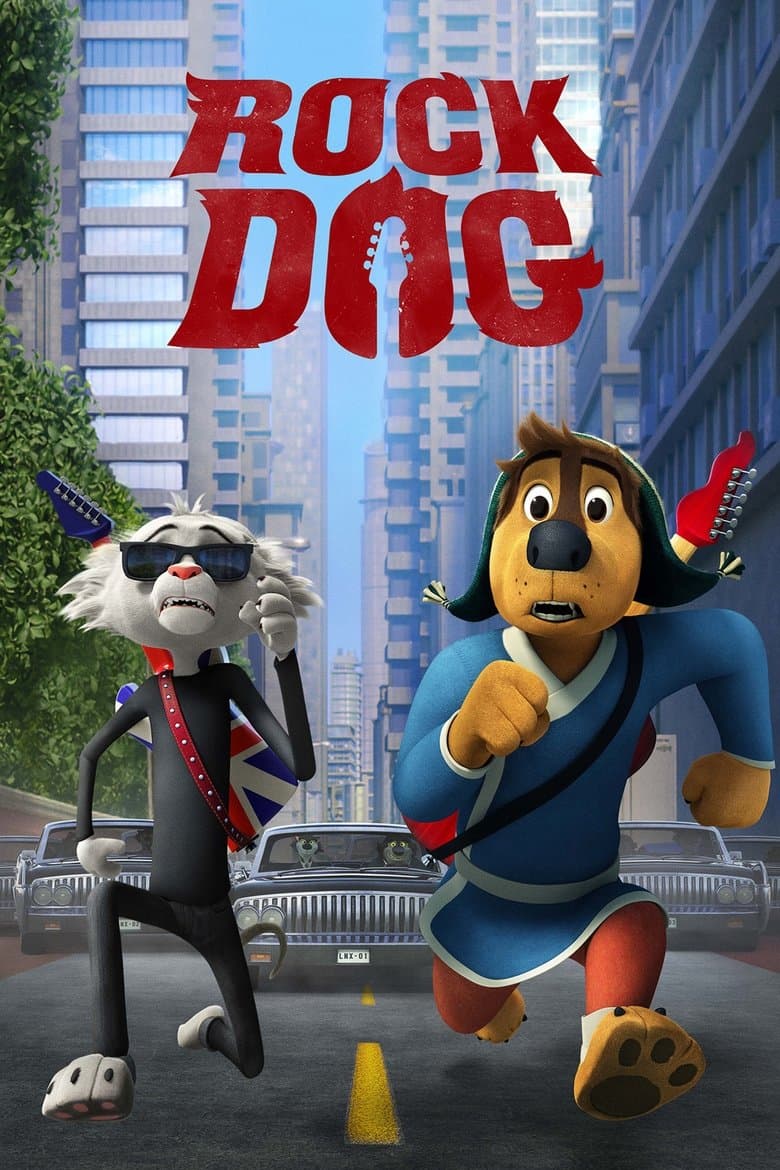
Rock Dog follows Bodi, a young Tibetan Mastiff who lives in Snow Mountain, a quiet village guarded from wolf attacks. His father, Khampa, expects him to take over the family job of protecting the sheep. A radio falls from the sky, and Bodi hears rock music for the first time. He leaves for the city to find the singer Angus Scattergood and learn how to become a musician. The film uses bright animation, silly action, songs, and a gentle father-son story.
Bodi resists his father's narrow plan, and the family must learn how to make room for his gift. The story says a child can follow a special talent while still caring for family and home. Khampa later accepts Bodi's music and joins the fight to save the village. Bodi succeeds through practice, help from friends, and music, while the final lesson joins personal freedom with family duty.
Community feedback
Was our 5% Woke rating accurate?
Breakdown
These are the editorial factors and ratings behind our score for Rock Dog.
Woke representation / casting
Not present. The main cast is made up of animal characters, with Bodi, Khampa, Angus, and the wolf gang holding most major roles. Darma is a minor female bass player, but the film does not present her casting as a diversity or identity statement.
0%
Woke political dialogue
Not present. The dialogue talks about music, family duty, fame, and protecting the village. It does not use activist claims or current political language.
0%
Identity-driven story themes
Not present. Bodi's struggle is about choosing music over a family job. The film supports personal talent, teamwork, and family support rather than a race, sex, sexuality, or identity cause.
0%
Western institutional / cultural critique
Not present. Khampa's strict rules create a father-son conflict that stays inside the family story. The film later has him accept Bodi's music and help save the village. It does not attack family life, religion, or a wider Western institution.
0%
Woke character or canon changes
Not relevant. The film adapts Zheng Jun's graphic novel and makes ordinary changes for a lighter family story. No woke or identity-driven change to a known character, real person, or historic event is shown.
0%
Anti-woke backlash and complaints
One Christian audience review objected to the film's support for personal dreams over inherited family duty. The reviewer called the helpful goat hippie-like and said the story weakens tradition. This is a single fringe anti-traditional complaint, and no broad anti-woke campaign or review-bombing was reported.
8%
Creator track record context
Jen Rudin has publicly backed wider casting access for gender, age, ethnicity, and appearance. That is the main diversity-related signal in the credited team. Ash Brannon and the other writers and producers have no strong recorded pattern of activist or identity-driven work, and the film does not use Rudin's message.
18%
Production
Movie · 2019
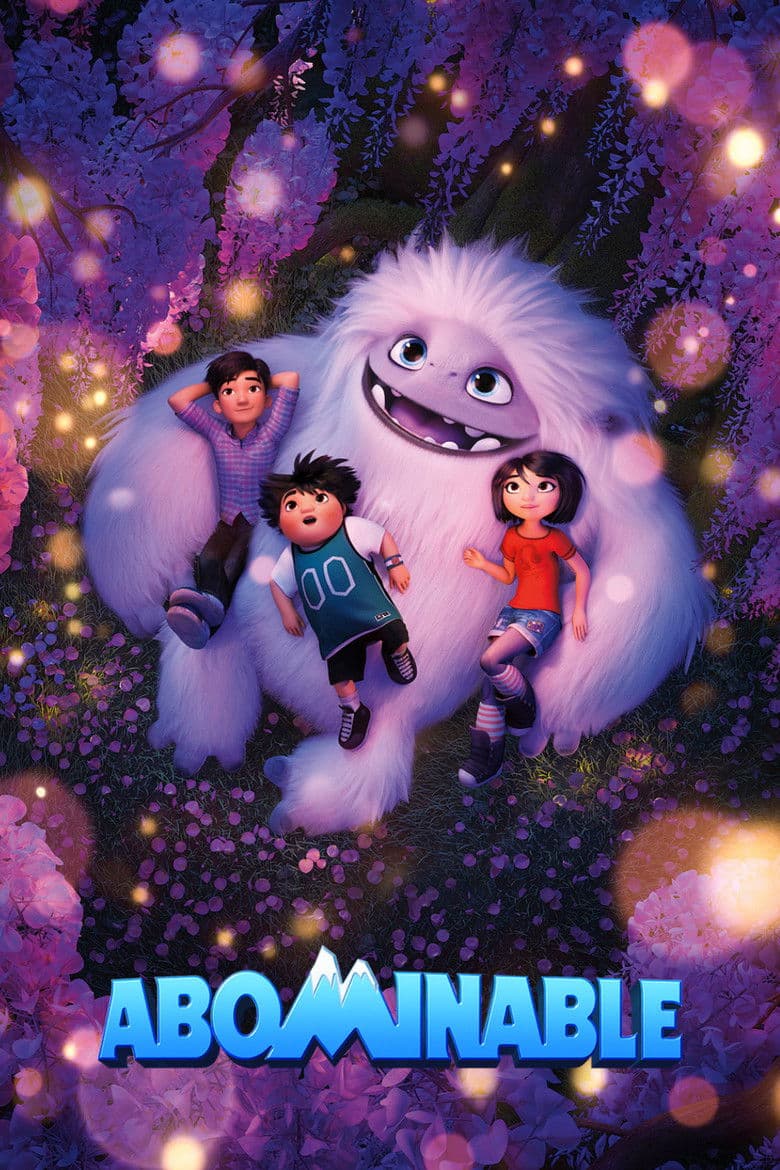
A group of misfits encounter a young Yeti named Everest, and they set off to reunite the magical creature with his family on the mountain of his namesake.
Movie · 2016
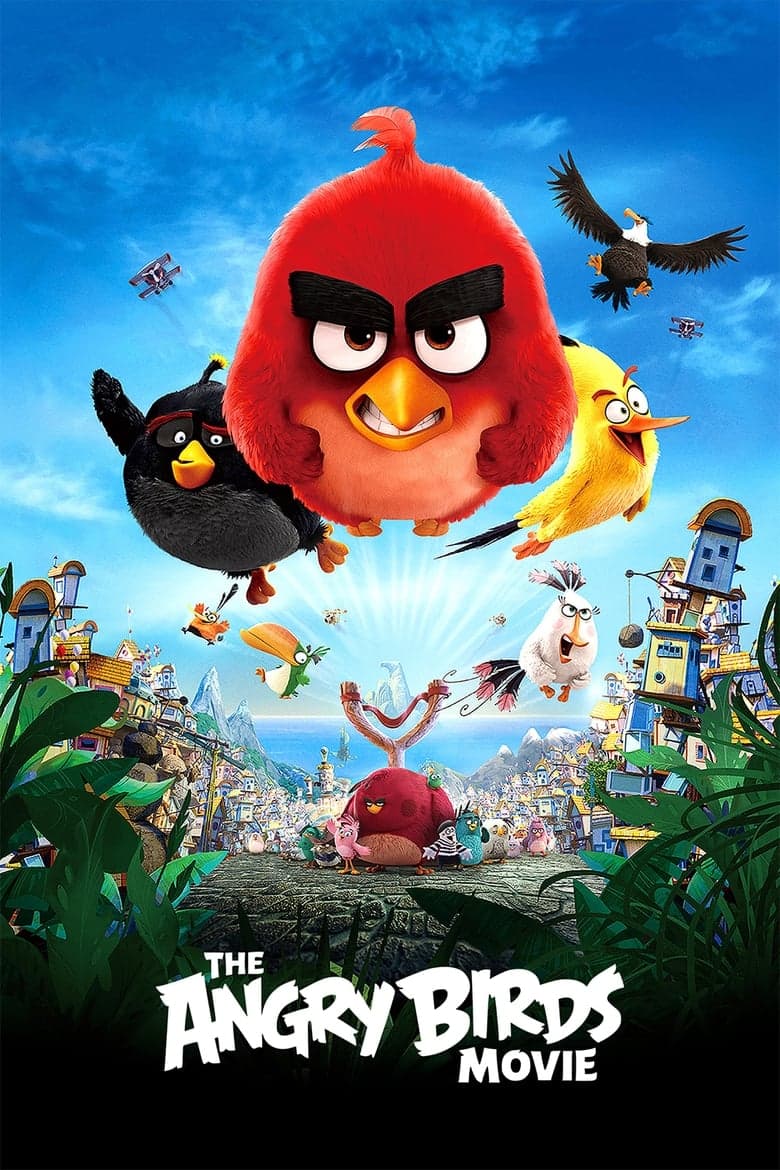
An island populated entirely by happy, flightless birds or almost entirely. In this paradise, Red, a bird with a temper problem, speedy Chuck, and the volatile Bomb have always…
Movie · 2016
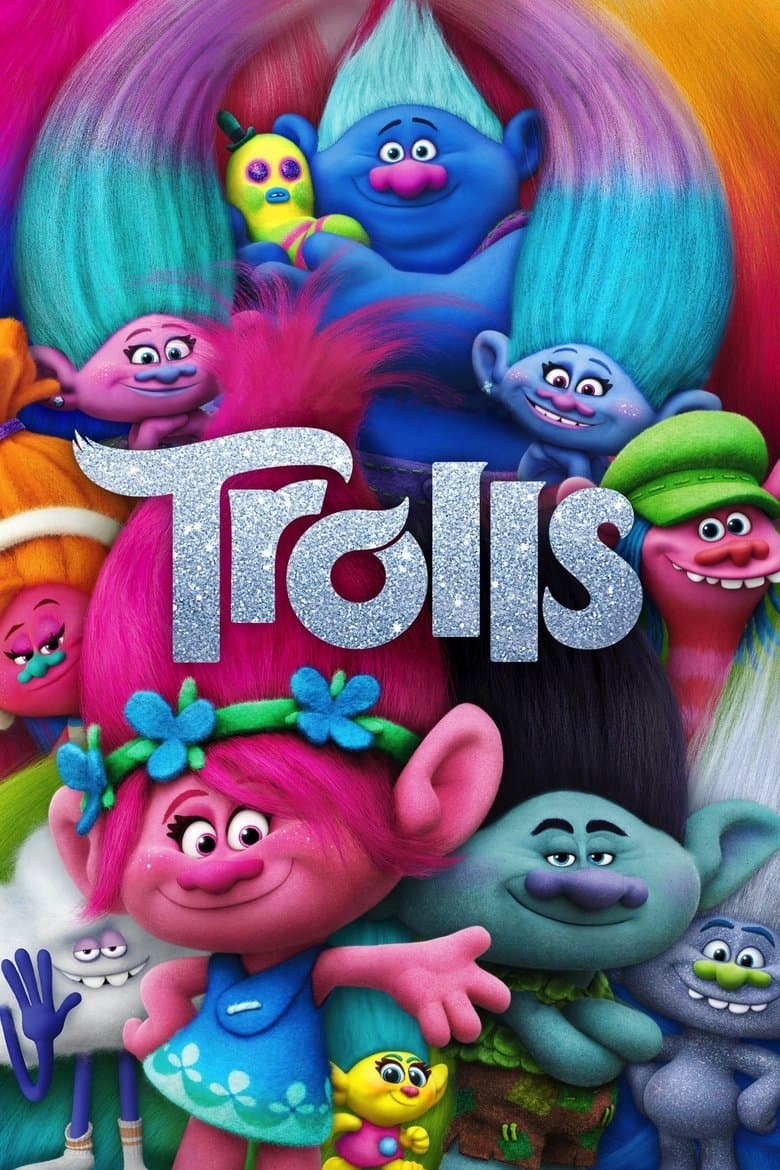
After the monstrous Bergens invade Troll Village, Princess Poppy, the happiest Troll ever born, and overly-cautious, curmudgeonly outcast Branch set off on a journey to rescue her…
Movie · 2016
The quiet life of a terrier named Max is upended when his owner takes in Duke, a stray whom Max instantly dislikes.
Movie · 2017
Gru and his wife Lucy must stop former '80s child star Balthazar Bratt from achieving world domination.

Movie · 2025
Desperate to be a big guy, SpongeBob sets out to prove his bravery to Mr. Krabs by following The Flying Dutchman – a mysterious swashbuckling ghost pirate – on a seafaring…
Movie · 2019
A pampered dog named Trouble must learn to live in the real world while trying to escape from his former owner's greedy children and must learn how to survive on the big-city…

Movie · 2024
Garfield, the world-famous, Monday-hating, lasagna-loving indoor cat, is about to have a wild outdoor adventure!
