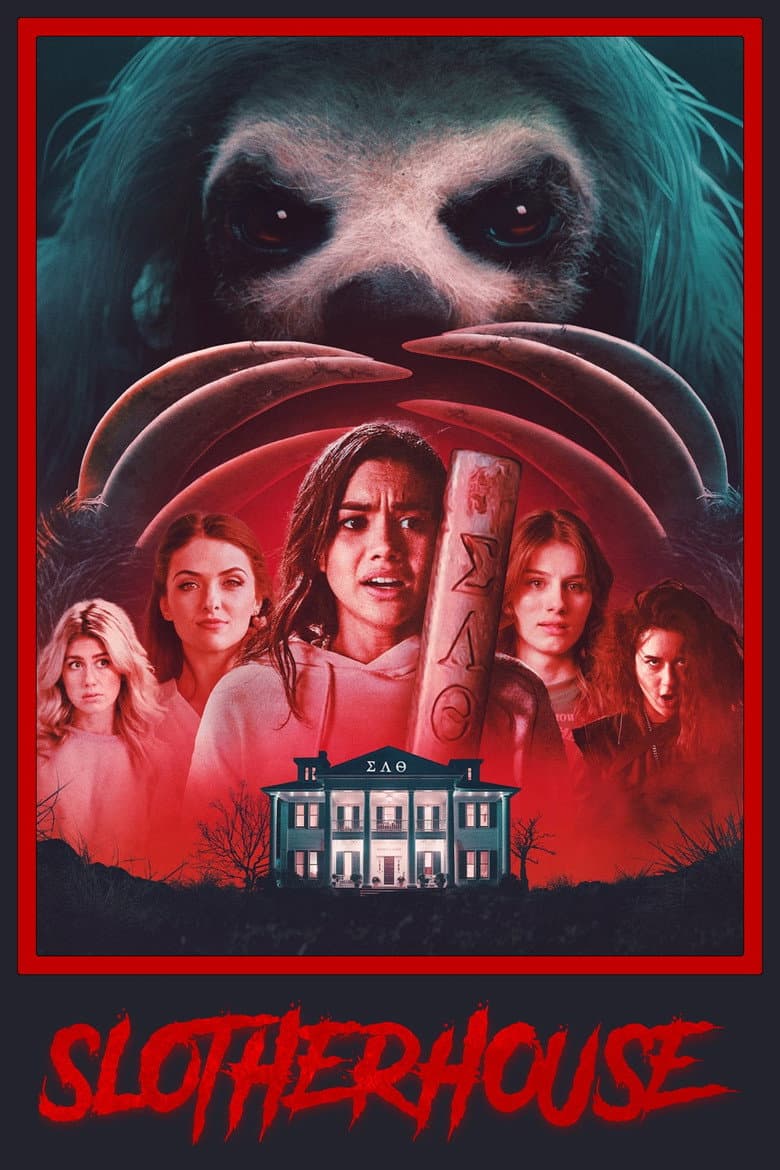
Emily Young is a college senior who wants to become president of her sorority, Sigma Lambda Theta. She adopts a three-toed sloth named Alpha because she thinks the animal will bring her more followers and votes. Alpha soon turns the house into a bloody trap as the sisters disappear one by one. The film uses silly jokes, a sloth puppet, and slasher scenes to create a goofy horror comedy.
The film puts women in charge of its main human conflicts. Emily and Brianna compete for sorority president, and the sorority women control the election and most of the choices. Madison warns Emily about the animal, Zenny uses ninja weapons in the final fight, and Emily returns to save Brianna before killing Alpha. The ending asks the sisters to teach others about poaching and animal care, while the story attacks social media fame and the habit of treating wild animals as online props.
Community feedback
Was our 26% Woke rating accurate?
Breakdown
These are the editorial factors and ratings behind our score for Slotherhouse.
Woke representation / casting
Not present. The sorority setting naturally centers women, and the modern college cast has a believable mixed group. The film does not make race, sexuality, religion, disability, or gender casting part of its message.
0%
Woke political dialogue
Not present. The characters do not give modern identity, DEI, or activist speeches. Their lines focus on votes, popularity, animal care, sorority rules, and survival.
0%
Identity-driven story themes
The film puts women in charge of its main human conflicts. Emily and Brianna compete for sorority president, and the sorority women control the election and most major choices. Madison warns Emily about the animal, Zenny uses ninja weapons in the final fight, and Emily returns to save Brianna before killing Alpha. Tyler mainly helps the women escape, while Oliver is a male animal dealer who dies early.
52%
Western institutional / cultural critique
Not present. The film mocks sorority status games and social media fame. It does not turn those jokes into a modern attack on Western institutions, religion, family, traditional gender roles, or conservative politics.
0%
Woke character or canon changes
Not relevant. The film uses original characters and does not adapt a known character, canon, or historical event.
0%
Anti-woke backlash and complaints
Not present. The separate X pass found no anti-woke reaction. Other reviews and Reddit posts discuss the killer sloth, camp humor, social media, and animal poaching, not DEI or identity politics. No major boycott or mass low-rating campaign tied to those issues was found.
0%
Creator track record context
Not present. The cached creator profiles show no clear activist or DEI pattern. Goodhue’s film interviews discuss social media, poaching, sorority culture, and practical effects.
0%
Production
Movie · 2016
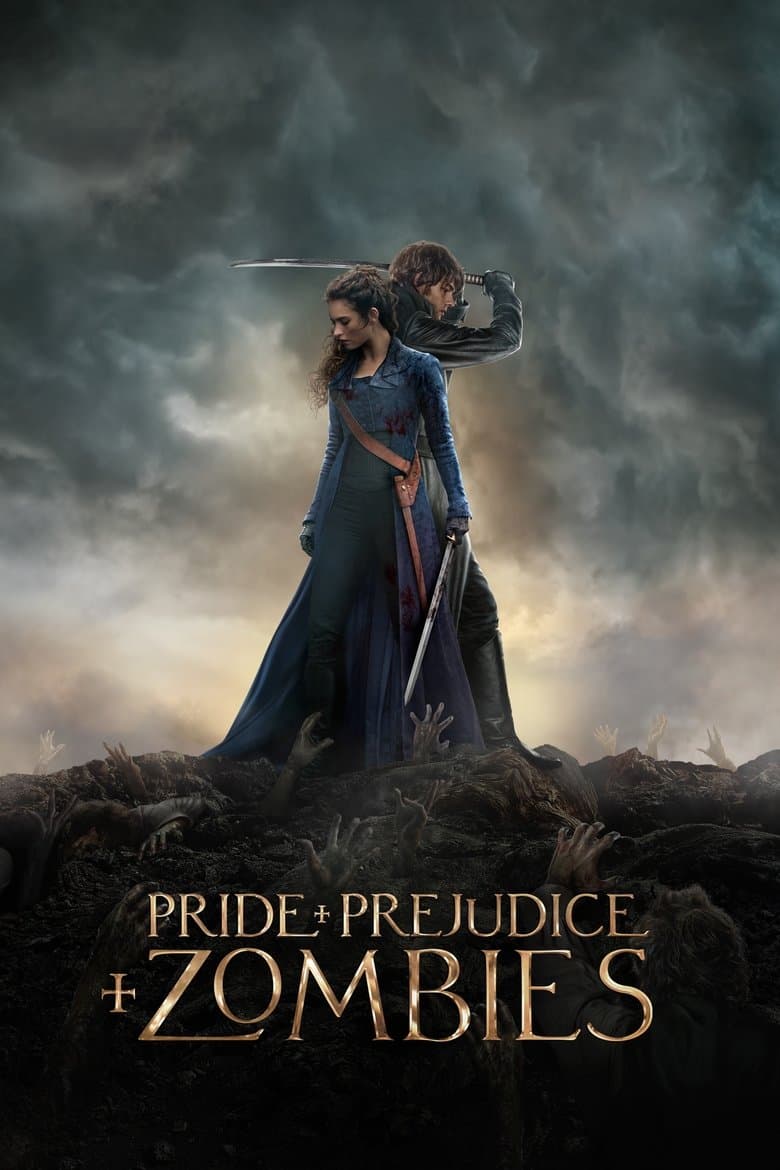
A zombie outbreak has fallen upon the land in this reimagining of Jane Austen's classic tale of the tangled relationships between lovers from different social classes in 19th…
Movie · 2025
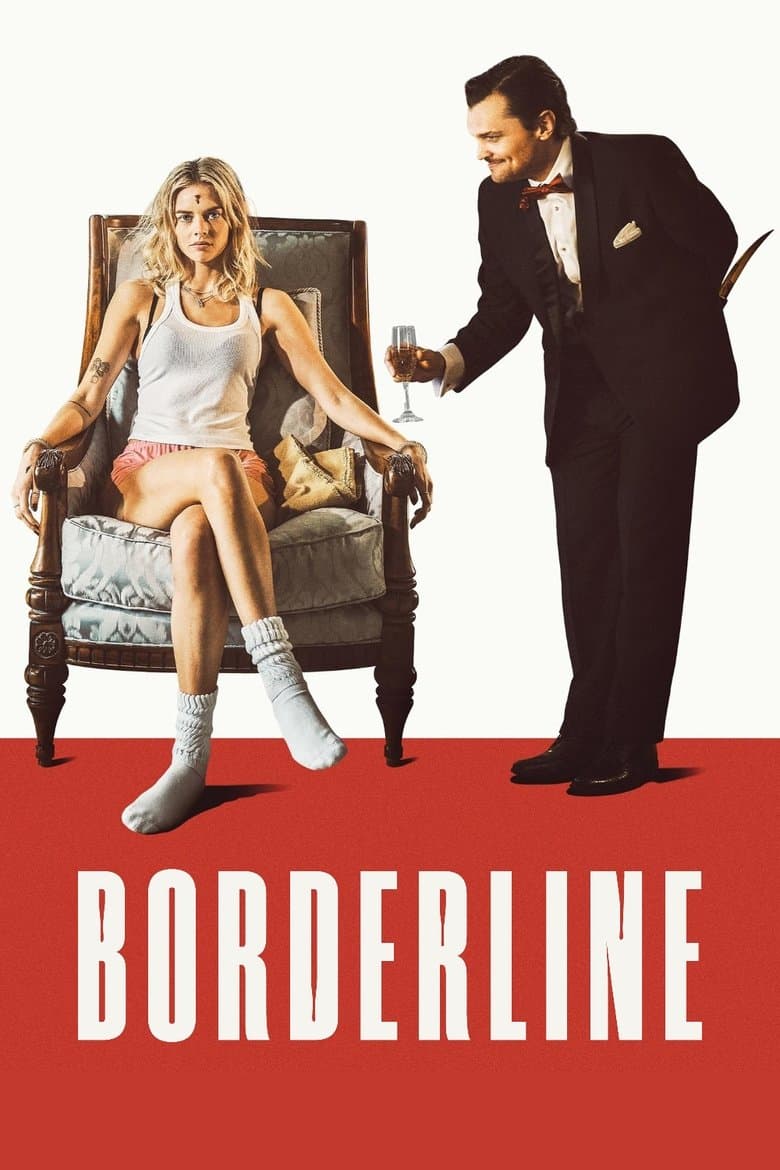
After escaping from a mental hospital, a violent sociopath named Paul begins a dangerous rampage targeting Sofia, a world-famous pop star.

Movie · 2016
Horror junkie Joe Foster gets to live out his ultimate scary movie fantasy courtesy of Fear Inc., a company that specializes in giving you the fright of your life.
Movie · 2022
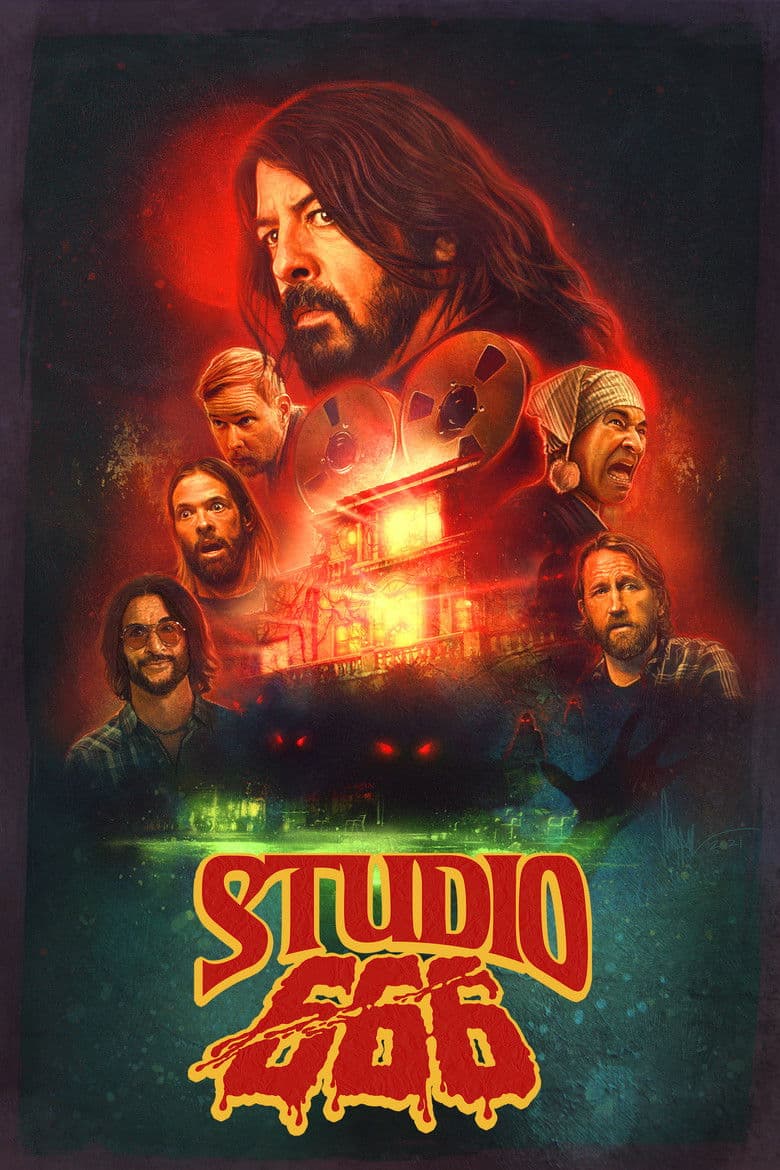
Legendary rock band Foo Fighters move into an Encino mansion steeped in grisly rock and roll history to record their much anticipated 10th album.

Movie · 2024
Nothing is what it seems when a twisted one-night stand spirals into a serial killer’s vicious murder spree.
Movie · 2024
A family's vacation to a remote getaway takes an unexpected turn when they discover the present-day implications of the island's cannibalistic past.
Movie · 2026
College student Lucy and her friends spend their vacation at her family's home in Hawaii, which includes her pet chimpanzee, Ben.
Movie · 2025
When twin brothers find a mysterious wind-up monkey, a series of outrageous deaths tear their family apart. Twenty-five years later, the monkey begins a new killing spree forcing…
