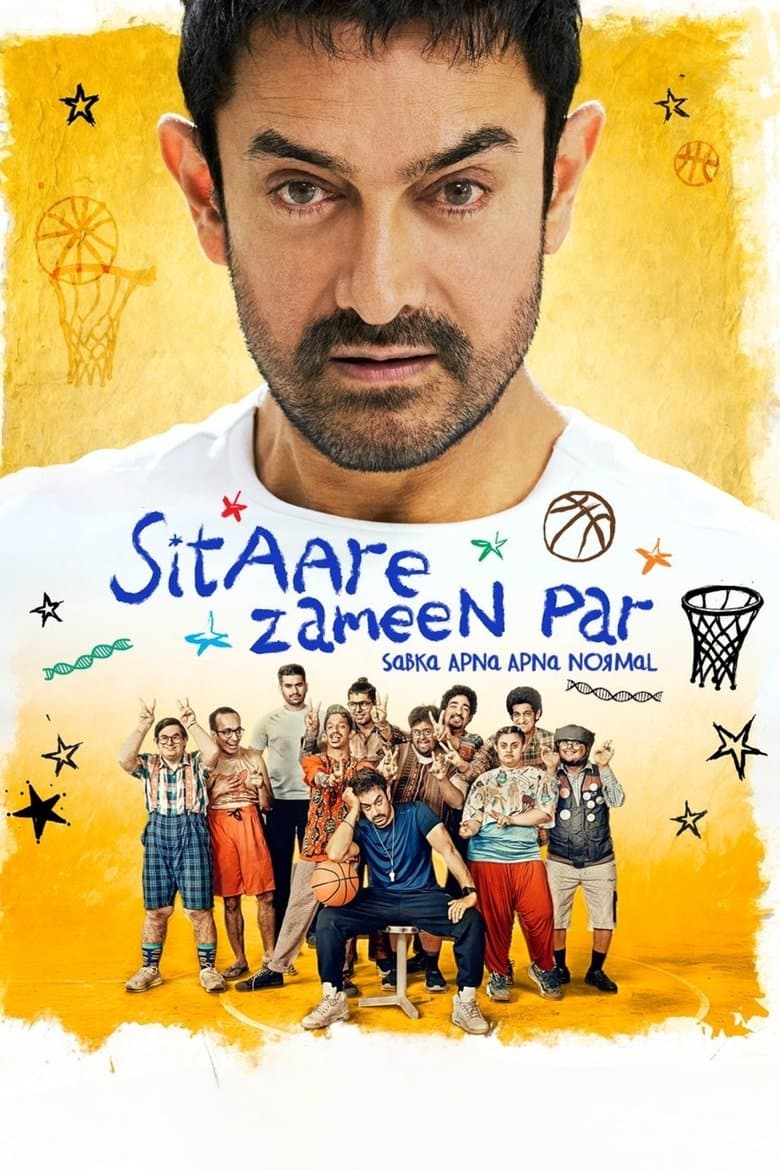
Sitaare Zameen Par follows Gulshan Arora, a hot-headed basketball coach in modern India. After he drives drunk and damages a police car, a court orders him to coach ten players with intellectual disabilities as community service. Gulshan expects an easy punishment, but the team struggles with his anger, their different needs, and the pressure of a national tournament. The film uses bright comedy, family drama, and sports scenes to tell a warm story about a selfish man learning to care about other people.
The strongest woke element is the film’s central focus on disability inclusion and the idea that each person has a different kind of normal. The players are placed at the center of the story, and several are played by actors from the neurodivergent community. Repeated lines ask viewers to reject pity, fixed ideas about ability, and the habit of treating disabled people as outsiders. The film also challenges male ego and family rules through Gulshan’s marriage, his mother’s new relationship with the family cook, and a final lesson that the players change the coach more than he changes them.
Community feedback
Was our 81% Woke rating accurate?
Breakdown
These are the editorial factors and ratings behind our score for Sitaare Zameen Par.
Woke representation / casting
The film puts ten players with intellectual disabilities at the center of its team. The production searched within the neurodivergent community and used performers from that community. The marketing and interviews stress authentic casting, visibility, and inclusion. The choices fit the story’s subject, but the major cast is still built around a clear representation goal.
72%
Woke political dialogue
The film repeats the idea that every person has a different normal. Kartar tells Gulshan to give the players time and stop judging them by one standard. Preeto says people who are different need someone to fight for them. These lines make disability inclusion an open lesson rather than a small part of the plot.
48%
Identity-driven story themes
The film makes Gulshan’s change from a harsh coach into an ally of disabled players its main character arc. The players’ disabilities, dignity, work, relationships, and right to be included drive the sports story. The story rejects the idea that one kind of person should define normal life. The final lesson says empathy and acceptance matter more than winning.
78%
Western institutional / cultural critique
The film questions the social habit of calling some people normal and others different. The players face rude treatment, and the story presents that treatment as wrong. Gulshan’s male ego and his mother’s new relationship also push against older family rules. The movie does not make a wider attack on Christianity, capitalism, or Western institutions, so this factor remains low.
18%
Woke character or canon changes
The Spanish source film is localized with Indian names, performers, and setting. This changes the characters’ cultural identity, but it follows the Hindi remake and is not sold as an identity-politics change. No gender, sexuality, or hero-role change is reported, so this factor stays very low.
10%
Anti-woke backlash and complaints
One fringe online comment called the movie woke activist propaganda before release. A review objected to the mother’s new relationship with the family cook as a liberal rule-breaking subplot. Most reported boycott calls targeted Aamir Khan’s earlier politics instead of the film’s disability message. The title-specific anti-woke backlash therefore appears weak.
8%
Creator track record context
The key creators have a record of social-issue stories, inclusion, women’s agency, and empathy work. The film directly matches that pattern through its focus on disability and public acceptance. David Marqués and several other listed producers have little public activist record. The mixed team keeps this factor below the highest range.
62%
Production

Movie · 2024
Mismatched cousins David and Benji reunite for a tour through Poland to honor their beloved grandmother. The adventure takes a turn when the pair's old tensions resurface against…

Movie · 2024
Pansy is a woman so full of rage that every interaction she has devolves into lashing out, whether at her utterly cowed husband and son, or random strangers who have the temerity…
Movie · 2023
A curmudgeonly instructor at a New England prep school is forced to remain on campus during Christmas break to babysit the handful of students with nowhere to go.
Movie · 2017
When dictator Joseph Stalin dies, his parasitic cronies square off in a frantic power struggle to become the next Soviet leader.
Movie · 2018
Thirteen-year-old Kayla endures the tidal wave of contemporary suburban adolescence as she makes her way through the last week of middle school — the end of her thus far…

Movie · 2018
An American hypochondriac who is working as a baggage handler is forced to confront his fears when a British teenager with a terminal illness enlists him to help her carry out her…

Movie · 2016
Aspiring New York City artist John Hollar returns to his Middle America hometown on the eve of his mother’s brain surgery.
Movie · 2024
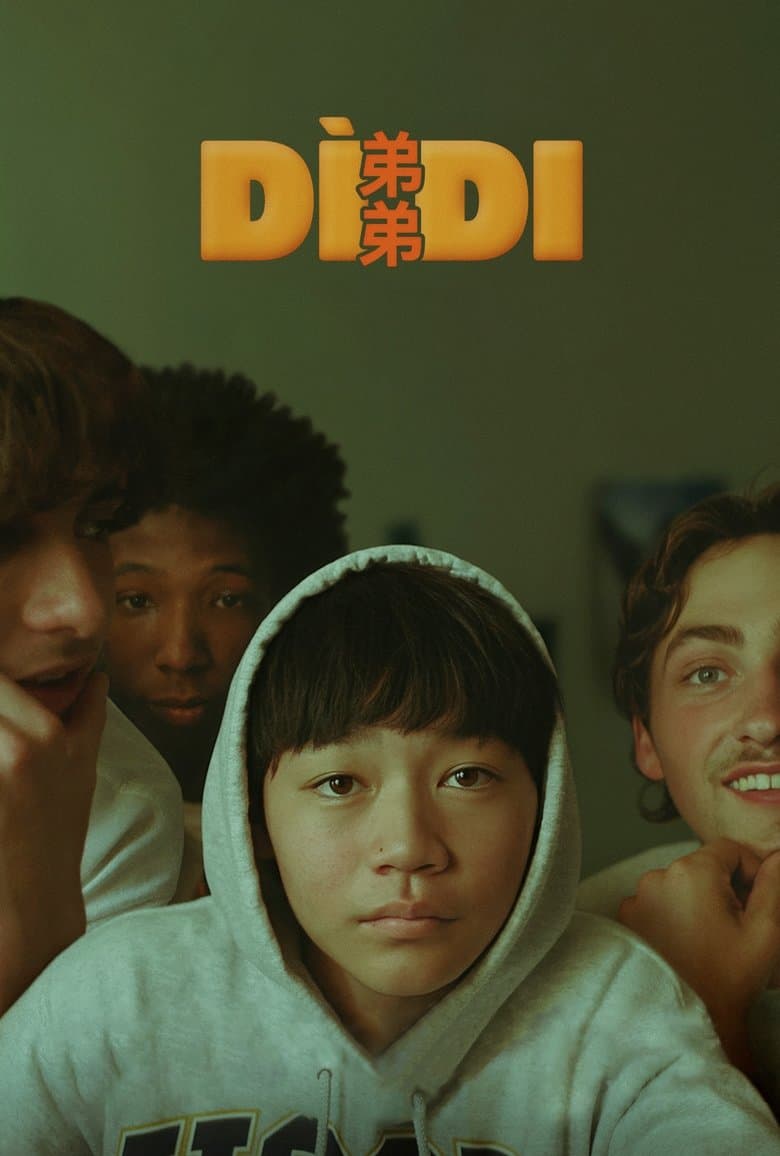
In 2008, during the last month of summer before high school begins, an impressionable 13-year-old Taiwanese American boy learns what his family can't teach him: how to skate, how…
