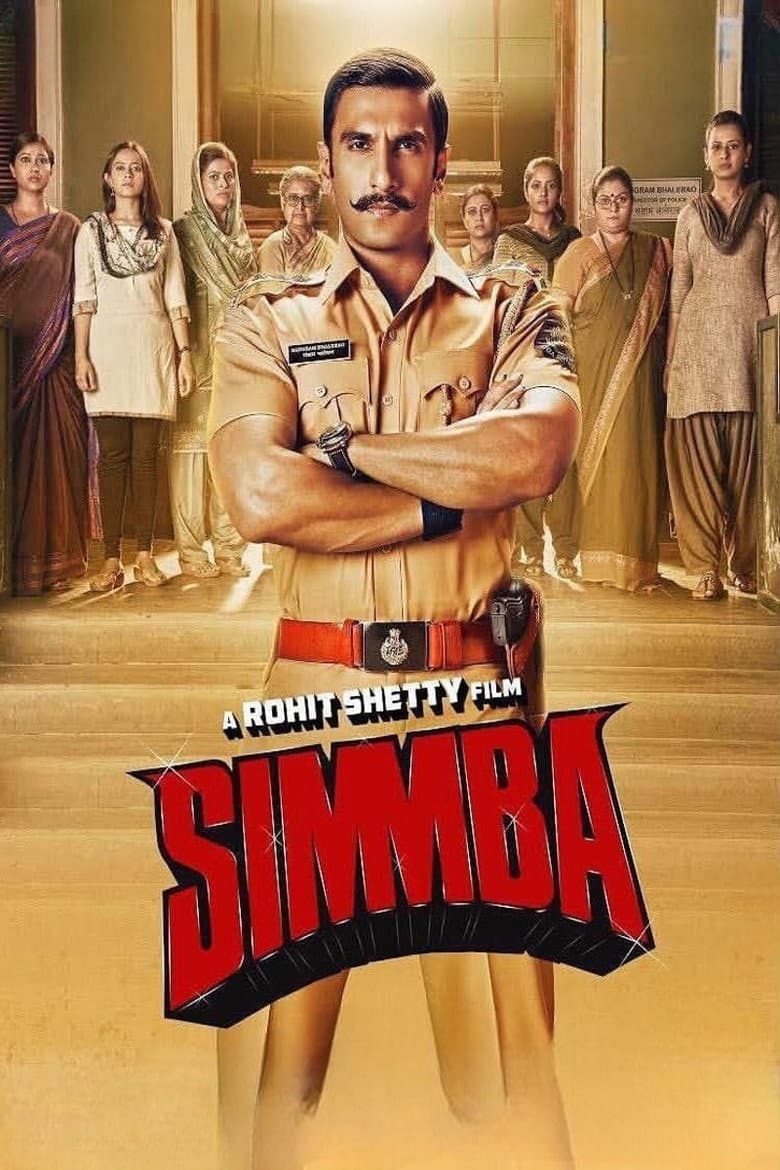
Sangram Bhalerao, known as Simmba, grows up as an orphan in Shivgad and joins the police because he wants money and power. He becomes a corrupt inspector who takes bribes, protects criminals, and helps a local crime boss after he is sent to a police station in Miramar, Goa. He jokes with his fellow officers, flirts with Shagun, and builds a brother-like bond with Aakruti, a medical student who teaches poor children at night. The first half is a loud mix of songs, romance, comedy, and flashy fights, while an honest constable watches Simmba abuse his badge.
The story changes when Aakruti discovers that the crime boss's brothers use children to move drugs. She records proof, but they catch, rape, and leave her dying. Her death forces Simmba to reject his corrupt life, put on his uniform, return stolen land, and arrest the brothers. The second half adds speeches about rape numbers in India, the 2012 Delhi gang rape, women's safety, and men who do not respect women. When the court case fails, Simmba stages a fake encounter and the film treats his violent revenge as the answer, so its message about women stays tied to a male hero rather than women leading the story.
Community feedback
Was our 37% Woke rating accurate?
Breakdown
These are the editorial factors and ratings behind our score for Simmba.
Woke representation / casting
Not present. The prominent roles are Indian characters in an Indian police story set in Goa. The women include a caterer, a medical student and teacher, police staff, a judge, and relatives, but the film does not frame this casting as a diversity message.
0%
Woke political dialogue
The film includes a courtroom speech about India's rape numbers and the 2012 Delhi gang rape. The film repeats calls for strong action against rapists through Simmba, his fellow officers, the judge, and women at the station. These lines link police duty with protecting women and punishing men who attack them. The speeches are concentrated in the second half, but they shape the climax.
35%
Identity-driven story themes
The film makes violence against women the main reason Simmba changes from a corrupt cop to a hero. Aakruti's rape and death lead to speeches about women's safety, rape in India, and respect for women. Several women around Simmba support killing the rapists, but they do not lead the investigation or final fight. The theme stays important through the second half, while the first half is mostly comedy, romance, and police action.
45%
Western institutional / cultural critique
The film briefly says that men who do not respect women should fear the law. The police and courts also fail to protect a rape victim. The gender message blames criminal men and weak law enforcement, not Christianity or Western culture. The wider story is a local crime plot with no broad attack on traditional family life or Western institutions.
14%
Woke character or canon changes
Not relevant. The film is adapted from the Telugu film Temper, but its visible changes add a male hero's family bond and a Singham-universe link. No established character is changed in race, gender, or sexuality.
0%
Anti-woke backlash and complaints
Not present. The reported debate focused on rape handling and the film's fake-encounter ending, not on woke, DEI, identity, or left-wing messaging. The supplied X research found one small complaint calling part of the film feminist, but no wider campaign.
0%
Creator track record context
Rohit Shetty and the writers mainly make commercial action, comedy, and police films. Their public work does not show a strong focus on DEI, identity politics, or activism. Karan Johar has a more visible record of supporting LGBTQ themes and gender issues in other films. The wider team therefore gives this title a mild creator track record context.
18%
Production

Movie · 2018
William has failed to kill himself so many times that he outsources his suicide to aging assassin Leslie. But with the contract signed and death assured within a week (or his…
Movie · 2017
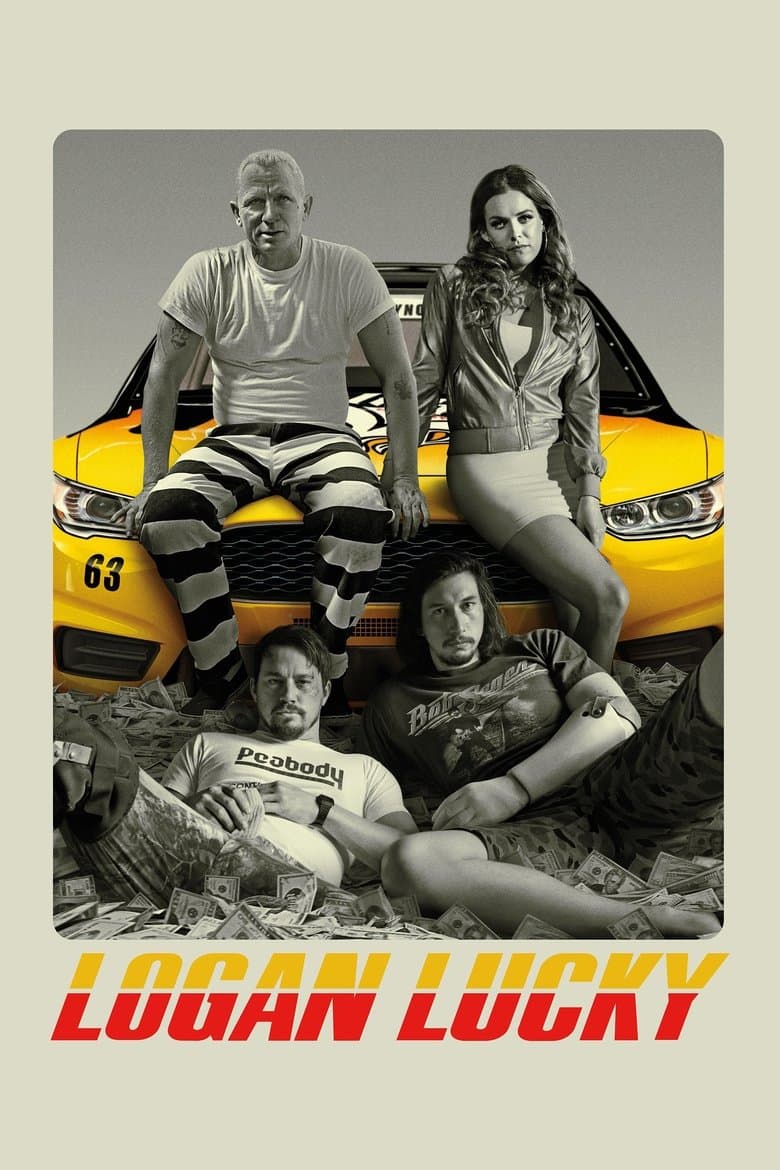
Trying to reverse a family curse, brothers Jimmy and Clyde Logan set out to execute an elaborate robbery during the legendary Coca-Cola 600 race at the Charlotte Motor Speedway.
Movie · 2020
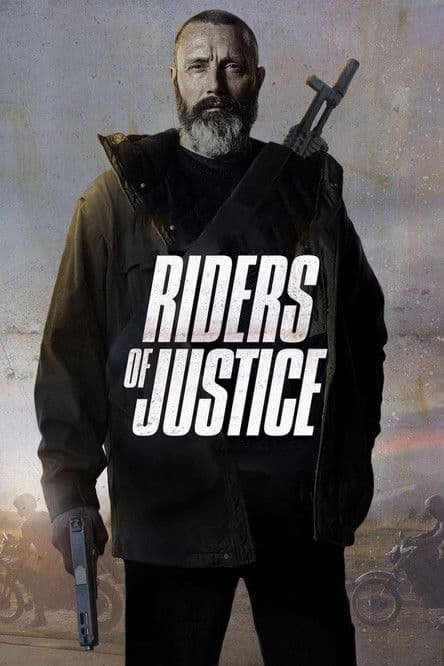
Markus returns home to care for his daughter when his wife dies in a tragic train accident. However, when a survivor of the wreck surfaces and claims foul play, Markus suspects…
Movie · 2016
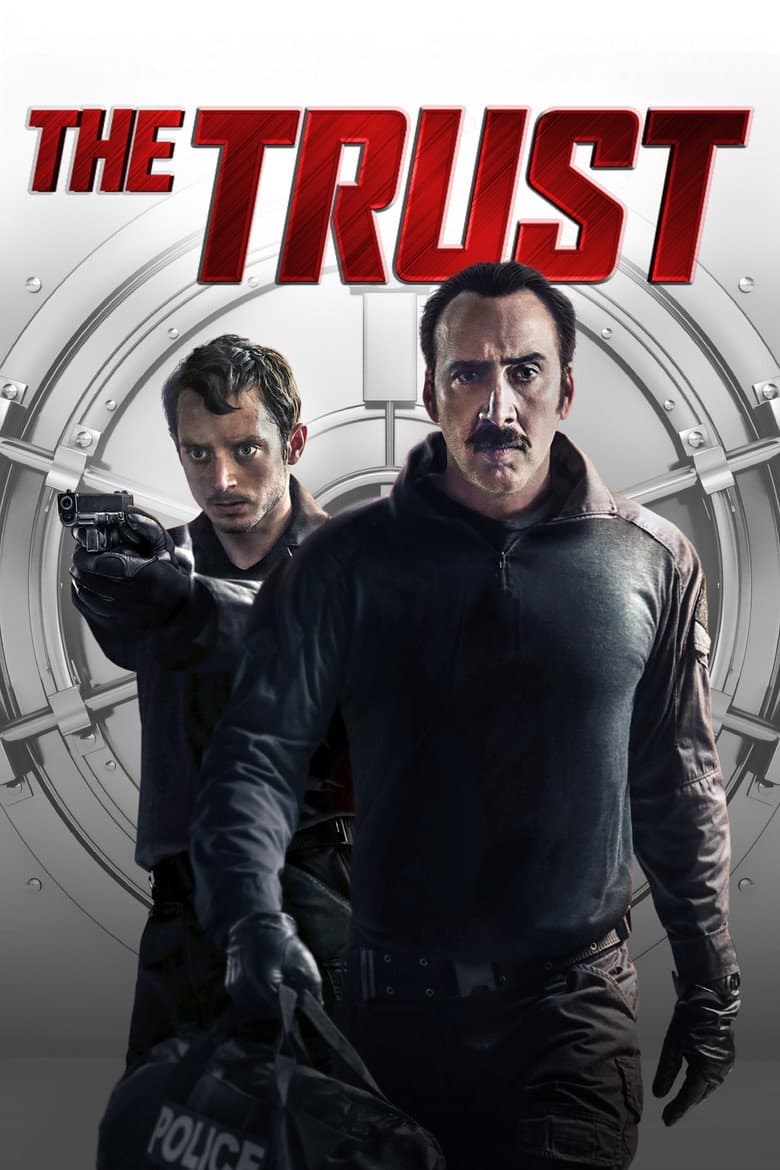
A pair of cops investigating a drug invasion stumble upon a mysterious bank vault.
Movie · 2025
A former teenage getaway driver gets dragged back into her unsavory past when a former employer offers her a chance to save the life of her chronically unreliable ex-boyfriend.
