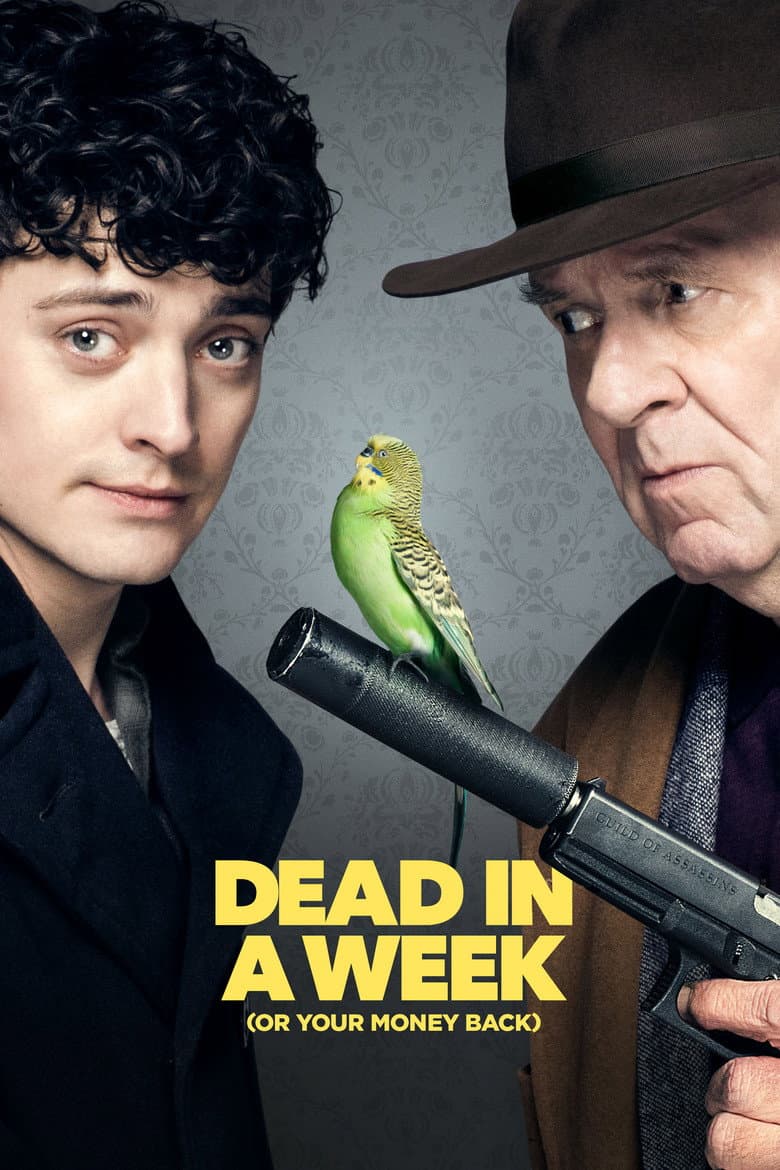
Movie review
William is a young London writer who has failed to end his life many times. He hires Leslie, an older professional killer, to carry out the job within a week. William then meets Ellie, an editor who likes his book, and he starts to want a future. Leslie still follows the contract while his boss threatens to force him into retirement. The film mixes grim jokes, bloody accidents, and warm home scenes in a strange British comedy.
The story uses suicide as its dark starting point, but it moves toward life, love, friendship, and purpose. William changes when writing gives him a chance to be heard and Ellie gives him a reason to stay alive. Leslie also struggles with age, work, and the fear that he has nothing left to offer. His marriage to Penny brings a gentle counterpoint to the violence. The final rescue of a child turns William's old wish for a heroic death into a hopeful act.
Community feedback
Was our 3% Woke rating accurate?
Breakdown
These are the editorial factors and ratings behind our score for Dead in a Week (Or Your Money Back).
Woke representation / casting
Not present. The main roles are presented through their jobs, relationships, and personal problems. The film does not build its cast around a repeated diversity or identity message.
0%
Woke political dialogue
Not present. The dialogue centers on suicide, work, death, money, and retirement. The script uses rude insults and dark jokes, but it does not push modern identity, gender-role, DEI, or activist ideas.
0%
Identity-driven story themes
Not present. William changes after he finds writing, Ellie, and human connection. Leslie faces aging and retirement, while his marriage gives him comfort. Race, sex, queer identity, and group power are not the subjects of the story.
0%
Western institutional / cultural critique
Not present. The Guild of Assassins uses contracts, quotas, and office rules as a joke. The film does not connect this fantasy workplace to modern complaints about patriarchy, capitalism, Christianity, conservatism, or Western culture.
0%
Woke character or canon changes
Not relevant. The film is an original story about William and Leslie. It does not change an established character, source, or historical event through race, gender, or sexuality.
0%
Anti-woke backlash and complaints
Not present. The X research pass found no anti-woke posts. News and audience reviews focused on dark humor, pacing, and suicide, not woke, DEI, or identity politics.
0%
Creator track record context
Tom Edmunds’ public work is mainly dark comedy and has no strong identity-politics pattern. Stephen Fry’s gay-rights work and Orion Lee’s support for East Asian representation add modest social-justice context. The film itself is not framed around those issues.
15%
Production
