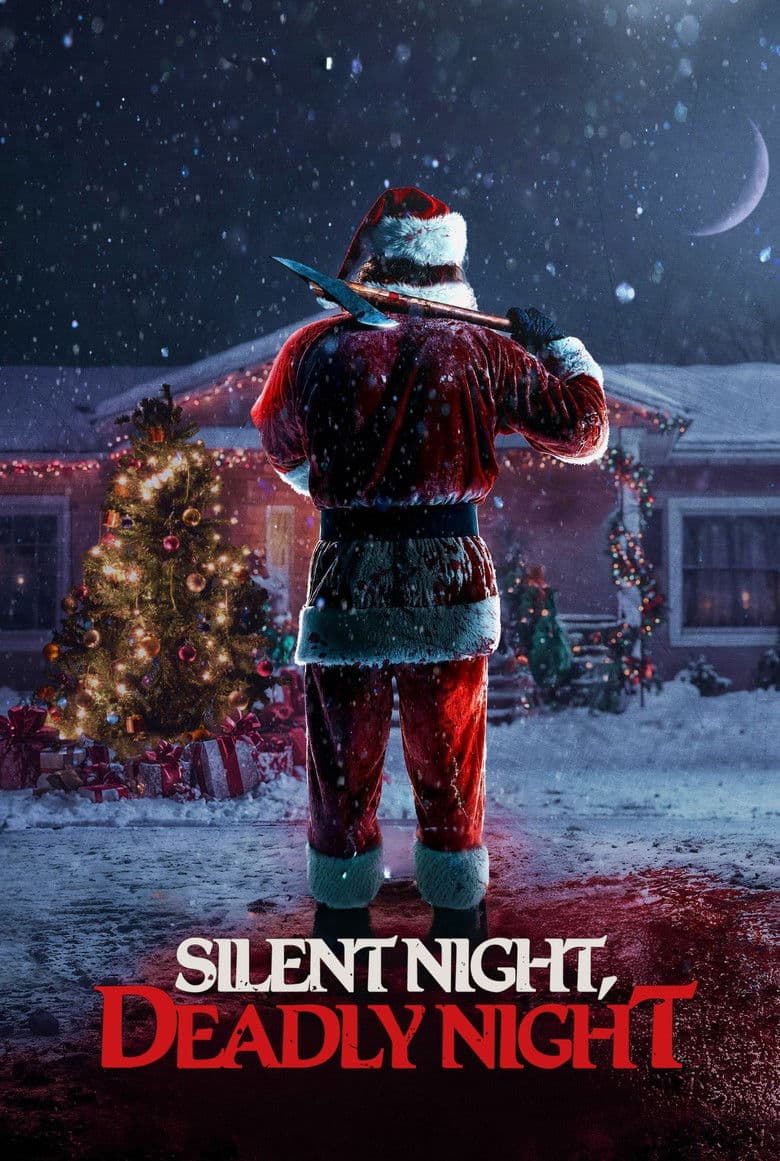
Silent Night, Deadly Night follows Billy Chapman, a troubled drifter who saw a Santa-suited killer murder his parents when he was a child. Years later, Billy wears the same red suit and kills people during a Christmas countdown guided by a voice called Charlie. He reaches the small town of Hackett, where he works in a Christmas shop and falls for Pam, the owner’s angry and fearless daughter. The movie mixes bloody slasher attacks with a strange romance, dark jokes, supernatural events, and a mystery about missing children.
The clearest woke-linked material comes from a modern white nationalist Christmas party. The leader calls Christmas a white Christian holiday, and Billy turns the party into a mass killing. The movie also condemns racist behavior and an anti-LGBTQ insult aimed at Pam’s nephew. These scenes make the film openly hostile to white supremacy and bigotry, but they remain part of Billy’s violent “naughty list” story instead of taking over the whole movie. The larger message asks whether a damaged killer can choose to protect innocent people and still find love.
Community feedback
Was our 33% Woke rating accurate?
Breakdown
These are the editorial factors and ratings behind our score for Silent Night, Deadly Night.
Woke representation / casting
Not present. The main cast centers on white characters in a small Wisconsin town. The story does not present a diversity-first cast or an identity-based casting message. Pam’s strong and violent role serves the horror plot rather than a stated representation theme.
0%
Woke political dialogue
The film includes a major set piece at a “White Power Christmas” party. The leader calls Christmas a white Christian holiday, and Billy openly rejects the group. Pam also confronts a coach after an anti-LGBTQ slur is used against her nephew. These lines make the film clearly hostile to white supremacy and bigotry, but the material is concentrated in side plots rather than spread through the whole story.
32%
Identity-driven story themes
The story repeatedly sorts victims into people who deserve punishment and people who need saving. The plot gives Billy a large massacre of modern neo-Nazis and uses racist and anti-LGBTQ behavior to mark villains as “naughty.” The film also treats rescuing abducted children as part of Billy’s moral purpose. This is a clear anti-bigotry and vigilante theme, but it stays inside a supernatural slasher.
30%
Western institutional / cultural critique
The film makes Pam’s former boyfriend a violent and controlling police officer. Pam’s subplot also shows a local coach being challenged over an anti-LGBTQ insult. The white nationalist group presents a racist version of Christmas as a local threat. The story does not make police, family, Christianity, or wider Western institutions into broad targets, so this critique remains limited.
27%
Woke character or canon changes
Not relevant. The film gives Pam a bigger part, adds a romance, and changes Billy’s ending. Those changes build the new horror plot and are not presented as a woke or identity-driven rewrite.
0%
Anti-woke backlash and complaints
A few right-leaning posts called the film woke because Billy kills Nazis and the movie uses “White Power Christmas” dialogue. Another post mocked it as a Reddit Christmas movie, while a few tiny accounts said they would skip it for pandering to leftist horror fans. The official account and horror outlets promoted “rage tweets” and jokes about people being mad that Nazis die. The supplied X pass found fringe noise, not a sustained boycott or review campaign.
12%
Creator track record context
Mike P. Nelson has a cached score of 16/100, and the other two writers have scores of 0/100. Jim Heber has a cached score of 11/100, and most listed producers fall between 0 and 16/100. Jeremy Torrie, Yolanda Macias, and Tanya Brunel have higher cached scores tied to Indigenous or workplace DEI work, but no title-related activist message from them was found. The combined creator context is mild.
15%
Production
Movie · 2018
Two sisters are trapped under the fiberglass cover of an Olympic sized public pool and must brave the cold and each other to survive the harrowing night.
Movie · 2019
When a huge hurricane hits her hometown in Florida, Haley ignores evacuation orders to look for her father. After finding him badly wounded, both are trapped by the flood.
Movie · 2021
The Blind Man has been hiding out for several years in an isolated cabin and has taken in and raised a young girl orphaned from a devastating house fire.
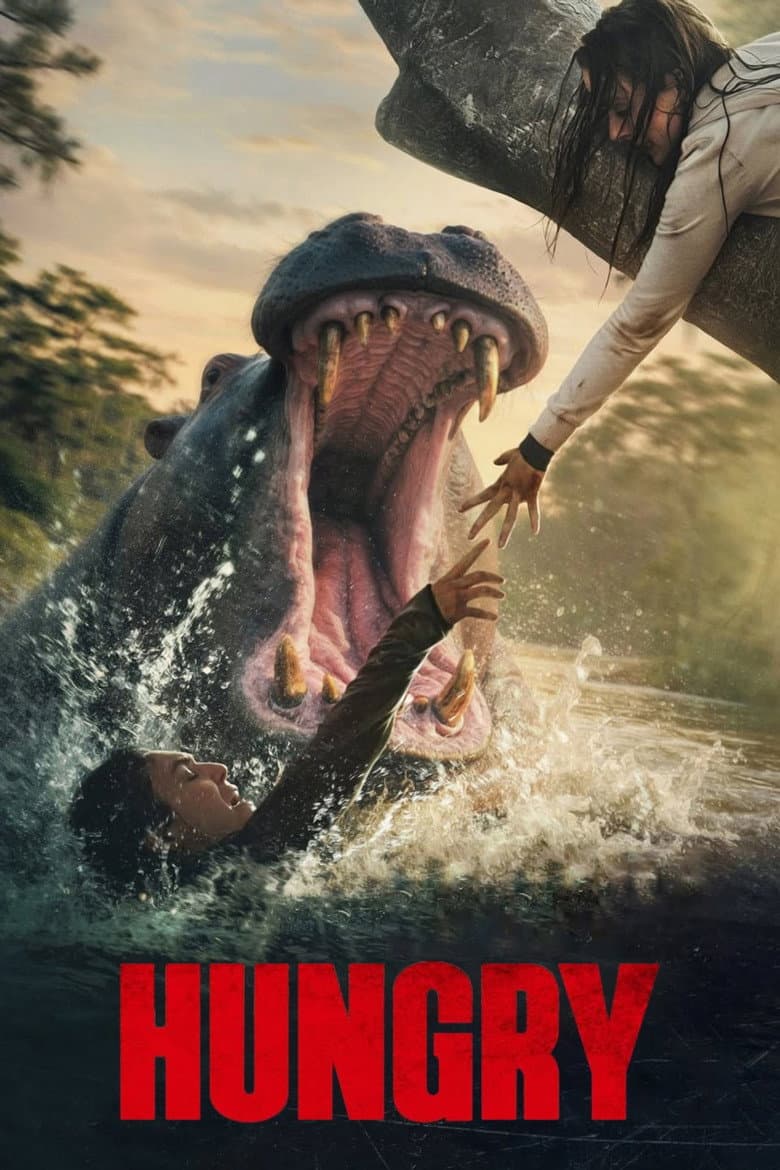
Movie · 2026
A group of holidaymakers must fight for their lives against a rampaging hippo on the loose after becoming lost in the Louisiana swamplands.
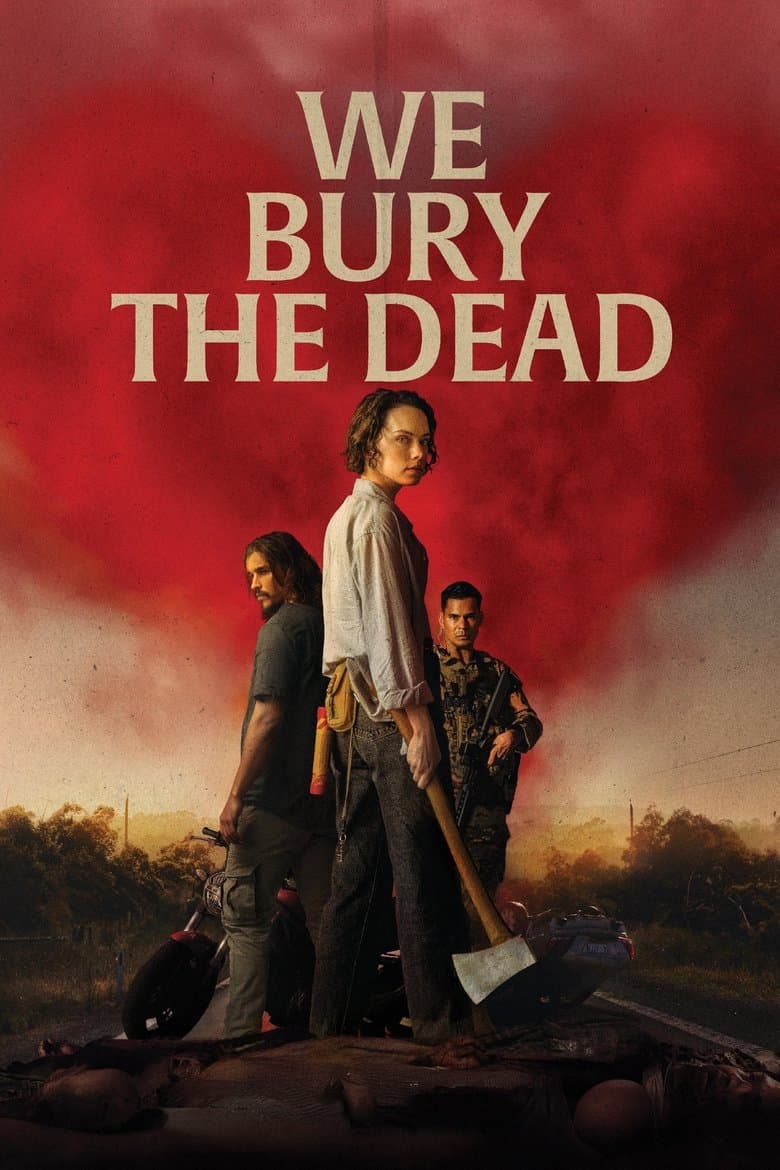
Movie · 2026
After a catastrophic military disaster reanimates the dead, Ava searches for her missing husband amidst an increasingly hostile world.
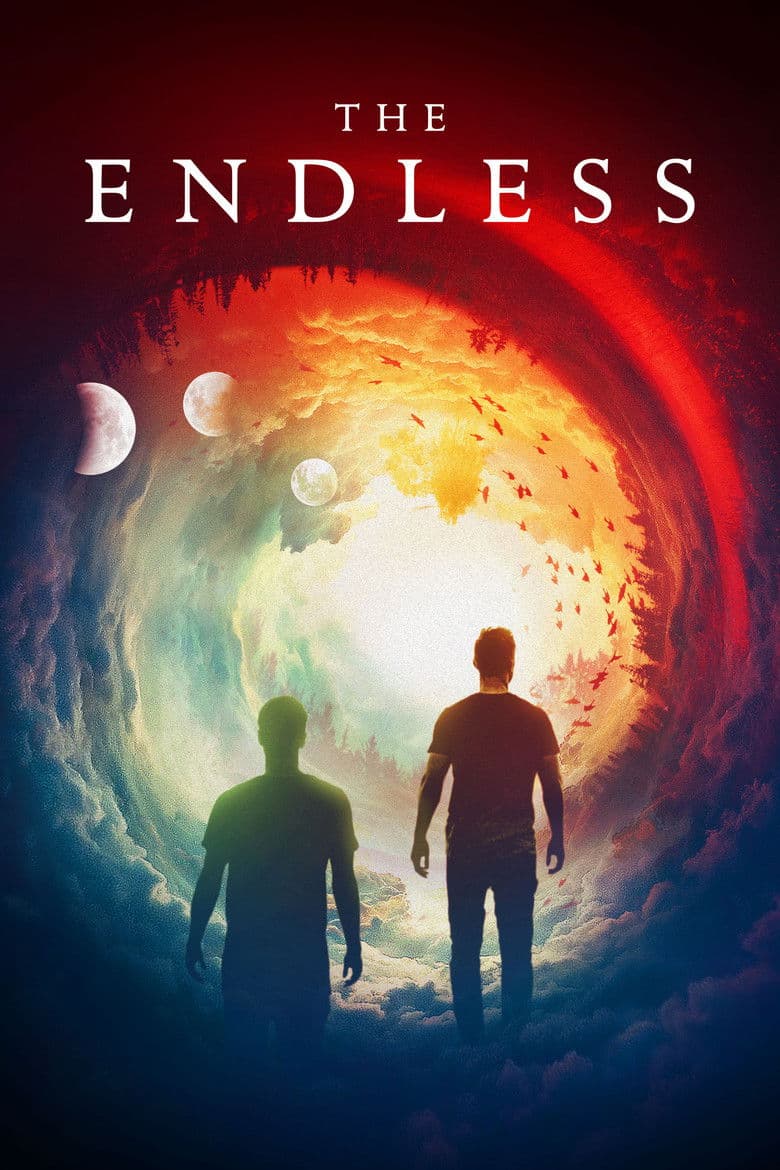
Movie · 2017
Two brothers return to the cult they fled from years ago to discover that the group's beliefs may be more sane than they once thought.
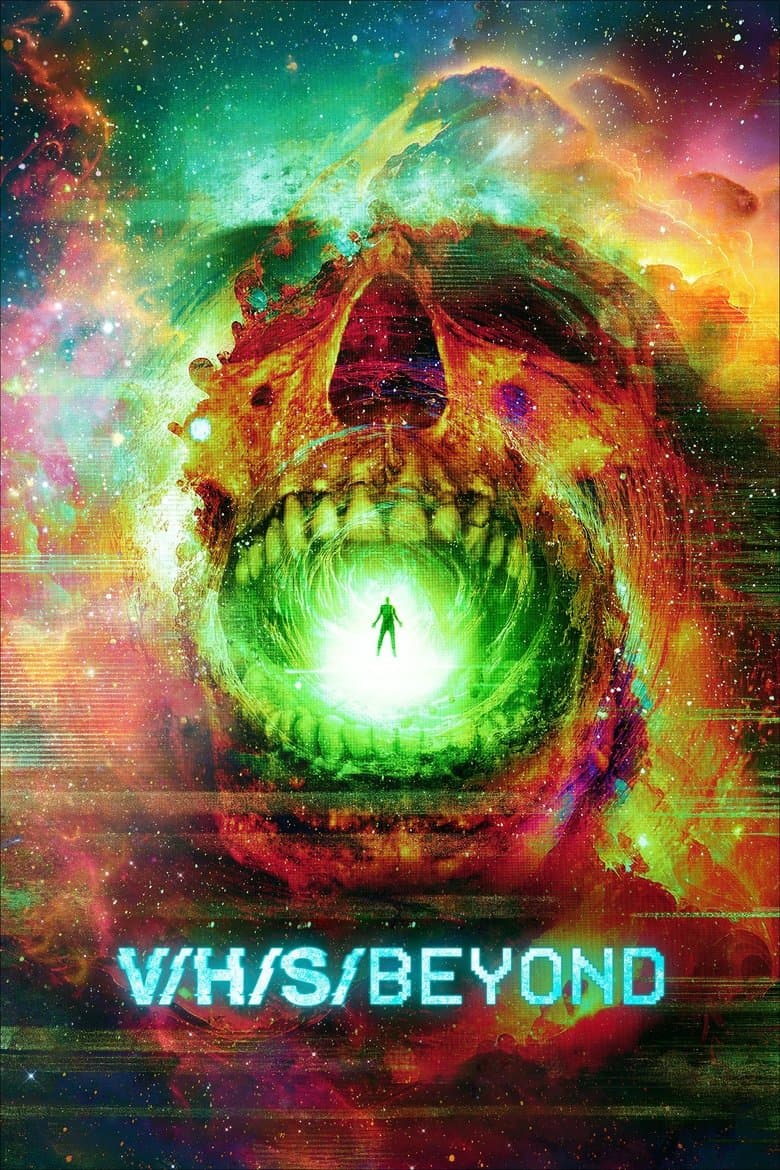
Movie · 2024
The infinite playground of forbidden worlds and dangerous lifeforms offered by the sci-fi horror genre will lead to the biggest, maddest, bloodiest V/H/S ever.
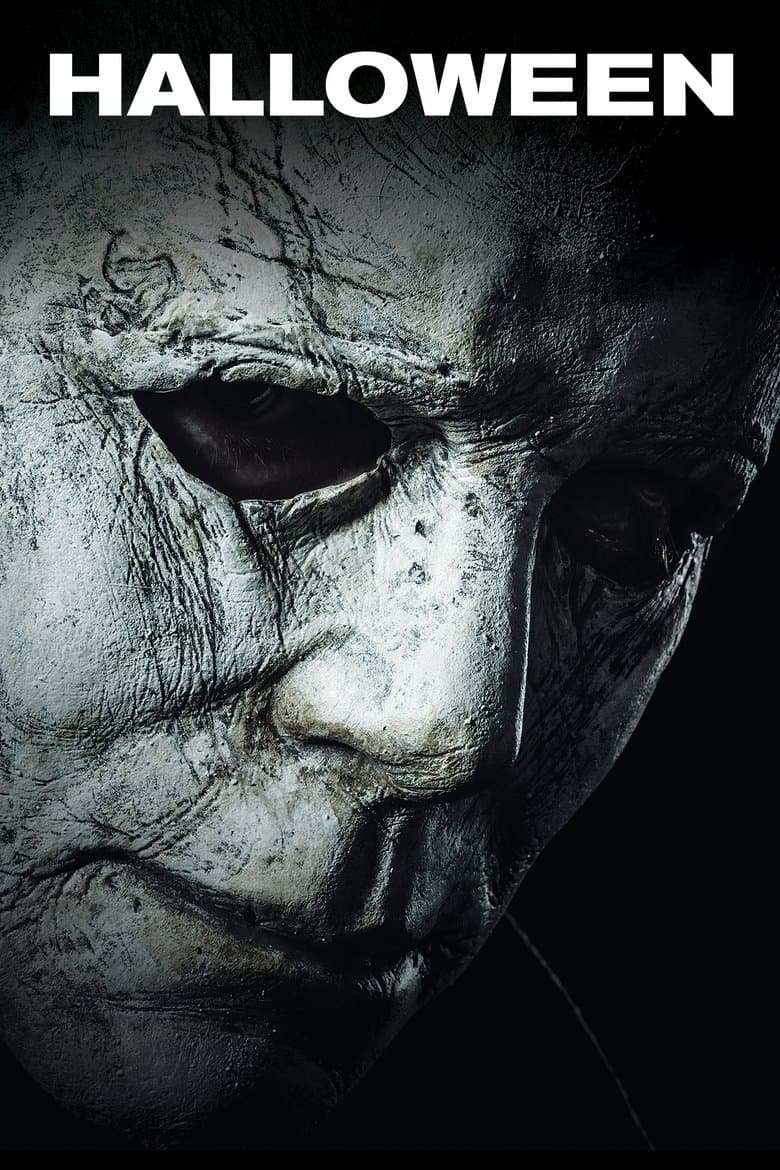
Movie · 2018
Laurie Strode comes to her final confrontation with Michael Myers, the masked figure who has haunted her since she narrowly escaped his killing spree on Halloween night four…
