
Shock and Awe follows reporters Jonathan Landay and Warren Strobel in Washington, D.C., after the September 11 attacks. The two men work with editor John Walcott and veteran reporter Joe Galloway as they check the Bush administration’s case for invading Iraq. They find that the claim about weapons of mass destruction does not match the facts, while larger news outlets repeat the official story. The tone is serious and urgent, with newsroom arguments, war footage, family scenes, and a wounded soldier’s testimony.
The film makes its political message clear and repeats it often. It says the Bush administration and Pentagon misled the public, and it blames major news companies for failing to test those claims. It treats reporters who resist pressure as defenders of truth and a free press. The movie’s woke signals come from its anti-war and anti-government framing, not from identity politics or representation.
Community feedback
Was our 56% Woke rating accurate?
Breakdown
These are the editorial factors and ratings behind our score for Shock and Awe.
Woke representation / casting
Not present. The main roles are reporters, editors, a veteran reporter, wives, and a girlfriend in a real newsroom setting. The film does not present its casting as a diversity or identity statement.
0%
Woke political dialogue
The reporters repeatedly accuse the Bush administration of using false intelligence to sell the Iraq invasion. The film also blames major news outlets for repeating those claims instead of checking them. Its speeches praise an independent press and connect weak reporting to deaths and damage caused by war.
50%
Identity-driven story themes
Not present. The story centers on false war claims, journalism, and the cost of bad government decisions. It does not make race, sex, sexuality, or DEI a story driver.
0%
Western institutional / cultural critique
The film presents the Bush administration and Pentagon as institutions that mislead the public. It shows large news outlets copying those claims and failing to check them. The reporters are praised for challenging power and defending a free press. The film does not target Christianity, family life, or traditional gender roles.
54%
Woke character or canon changes
Not relevant. The film is a fictionalized account of real reporters. It does not show a woke identity or DEI change to a real person, source event, or known character.
0%
Anti-woke backlash and complaints
One Rotten Tomatoes audience review called the film politically biased and said its left-versus-right framing damaged the history. The reviewer also attacked Reiner’s liberal audience, but did not mention DEI or identity themes. The supplied X search found no anti-woke reaction or boycott talk.
10%
Creator track record context
Rob Reiner has a strong public record of progressive activism and political films, and he directs, acts in, and helped shape this movie. Michele Reiner has a record of social causes and marriage-equality advocacy, and she produced the movie. Joey Hartstone and most other listed crew have low or limited activist records. This context supports the movie’s political tone, but the movie itself does not add identity themes.
72%
Production
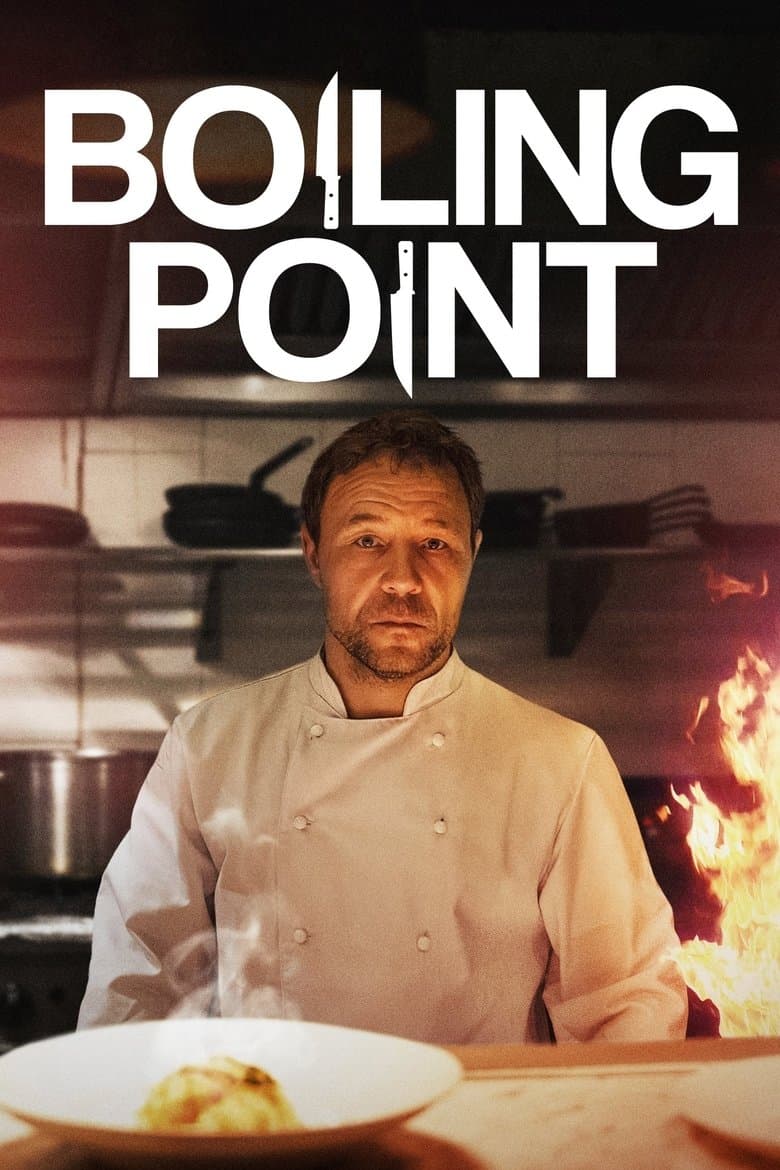
Movie · 2021
A head chef balances multiple personal and professional crises at a popular restaurant in London.
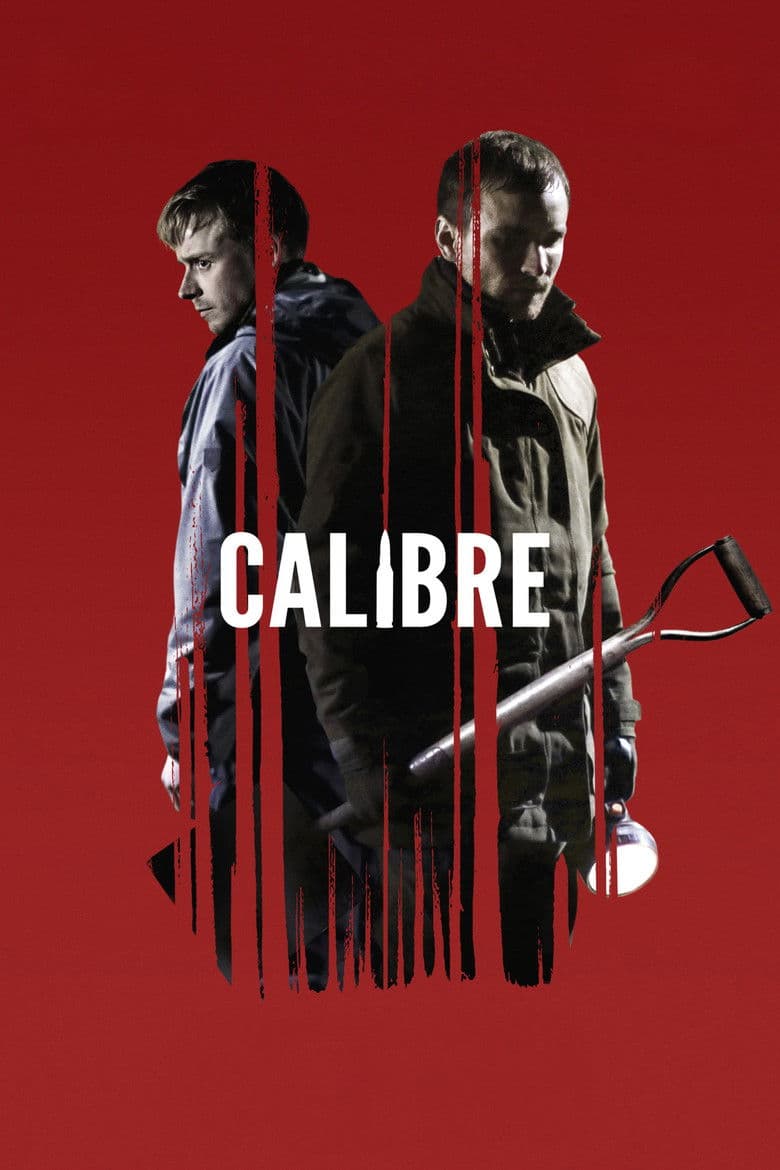
Movie · 2018
Two lifelong friends head up to an isolated Scottish Highlands village for a weekend hunting trip that descends into a never-ending nightmare as they attempt to cover up a…

Movie · 2023
In 1988, American video game salesman Henk Rogers discovers the video game Tetris. When he sets out to bring the game to the world, he enters a dangerous web of lies and…
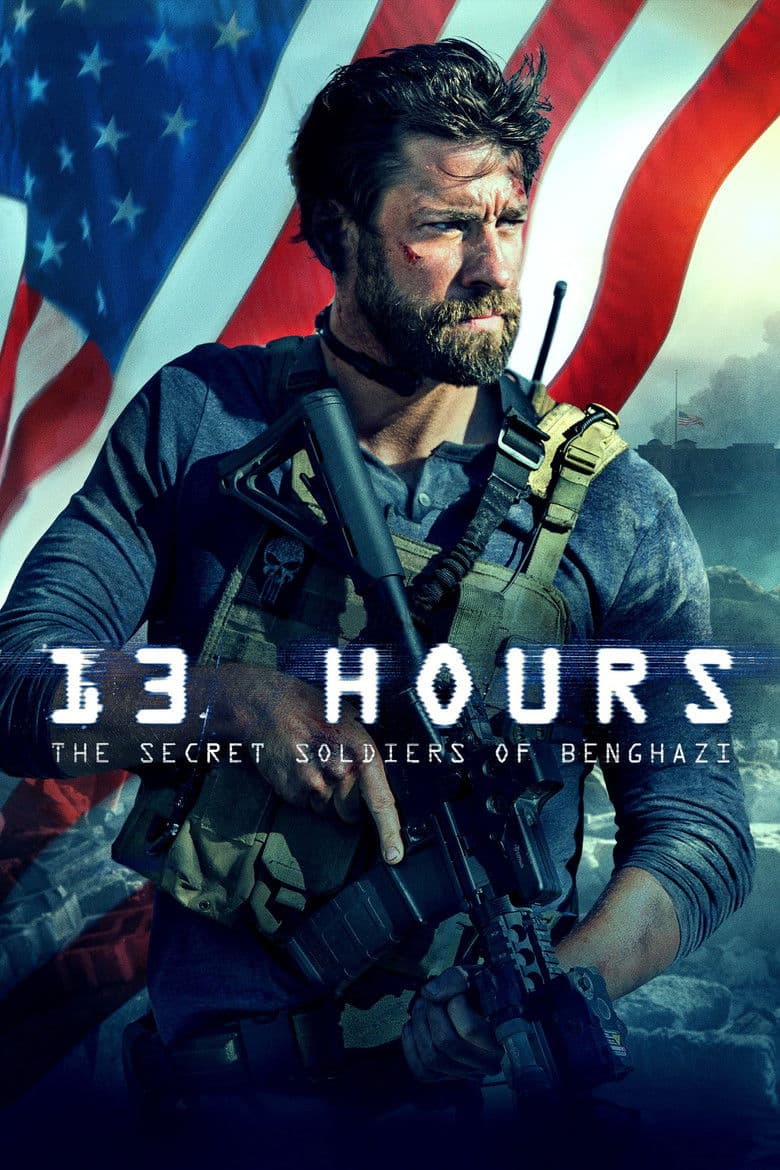
Movie · 2016
An American Ambassador is killed during an attack at a U.S. compound in Libya as a security team struggles to make sense out of the chaos.

Movie · 2016
When Iraq invades Kuwait in August, 1990, a callous Indian businessman becomes the spokesperson for more than 170,000 stranded countrymen.
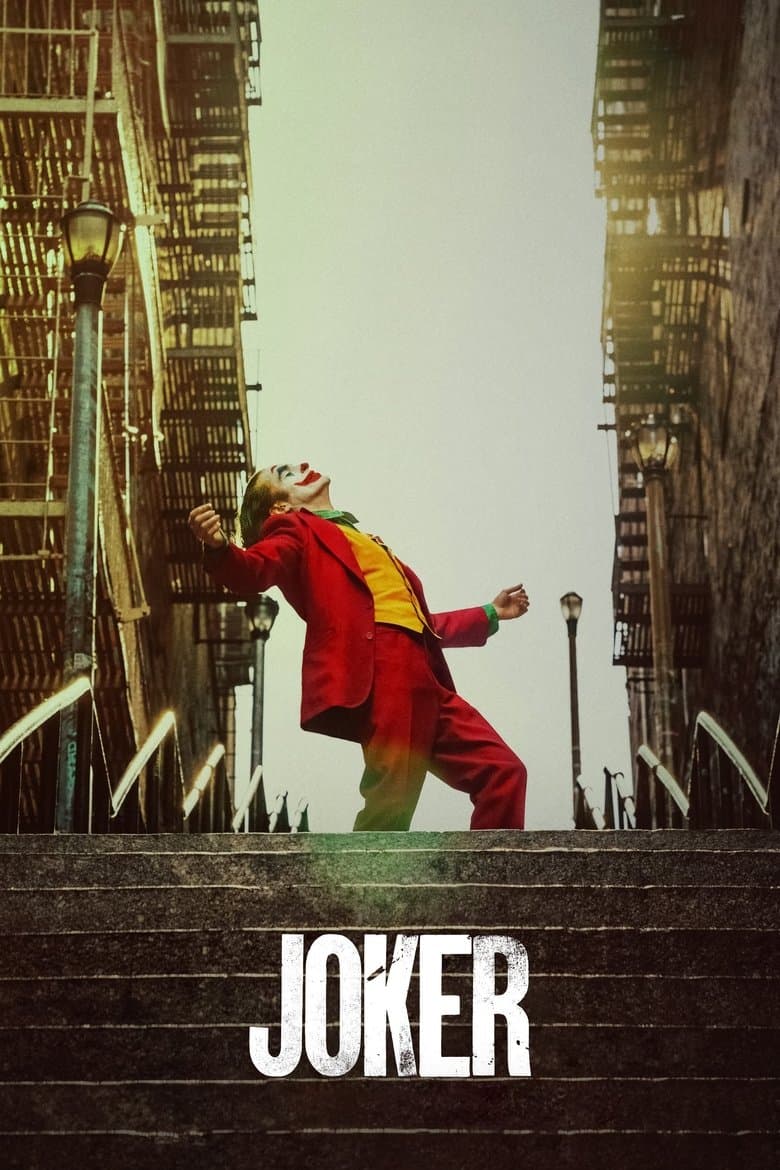
Movie · 2019
During the 1980s, a failed stand-up comedian is driven insane and turns to a life of crime and chaos in Gotham City while becoming an infamous psychopathic crime figure.
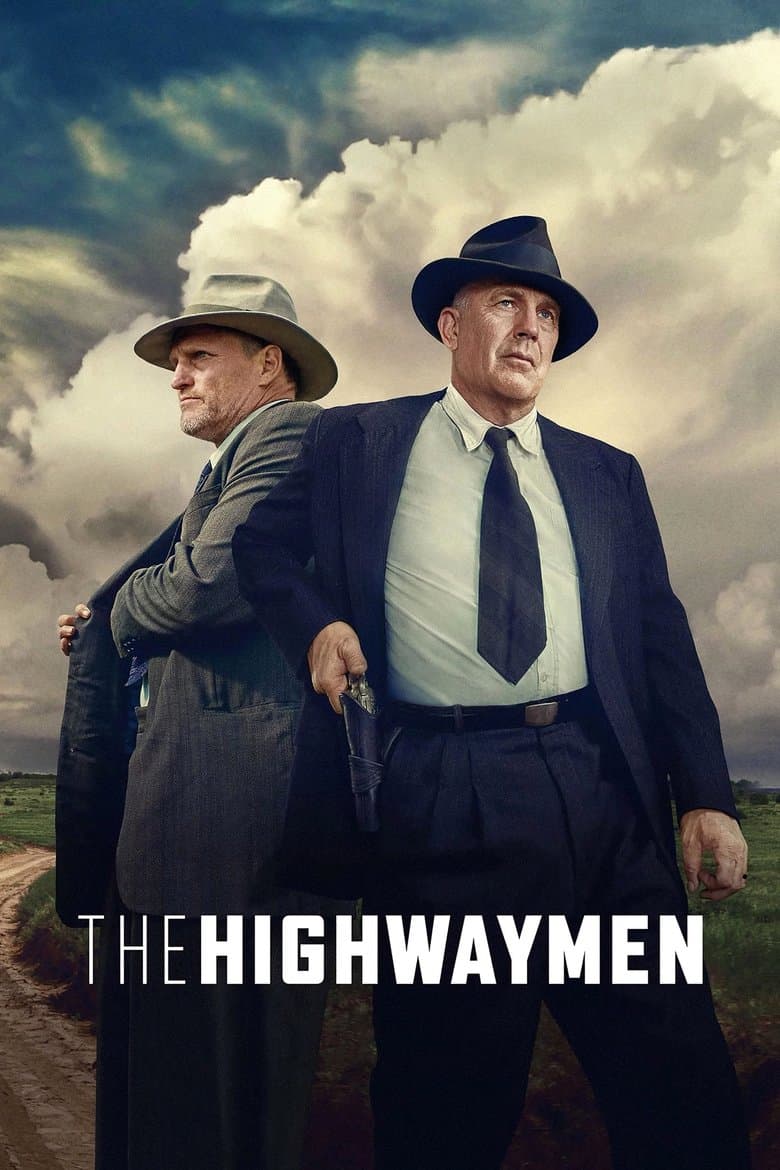
Movie · 2019
In 1934, Frank Hamer and Manny Gault, two former Texas Rangers, are commissioned to put an end to the wave of vicious crimes perpetrated by Bonnie Parker and Clyde Barrow, a…
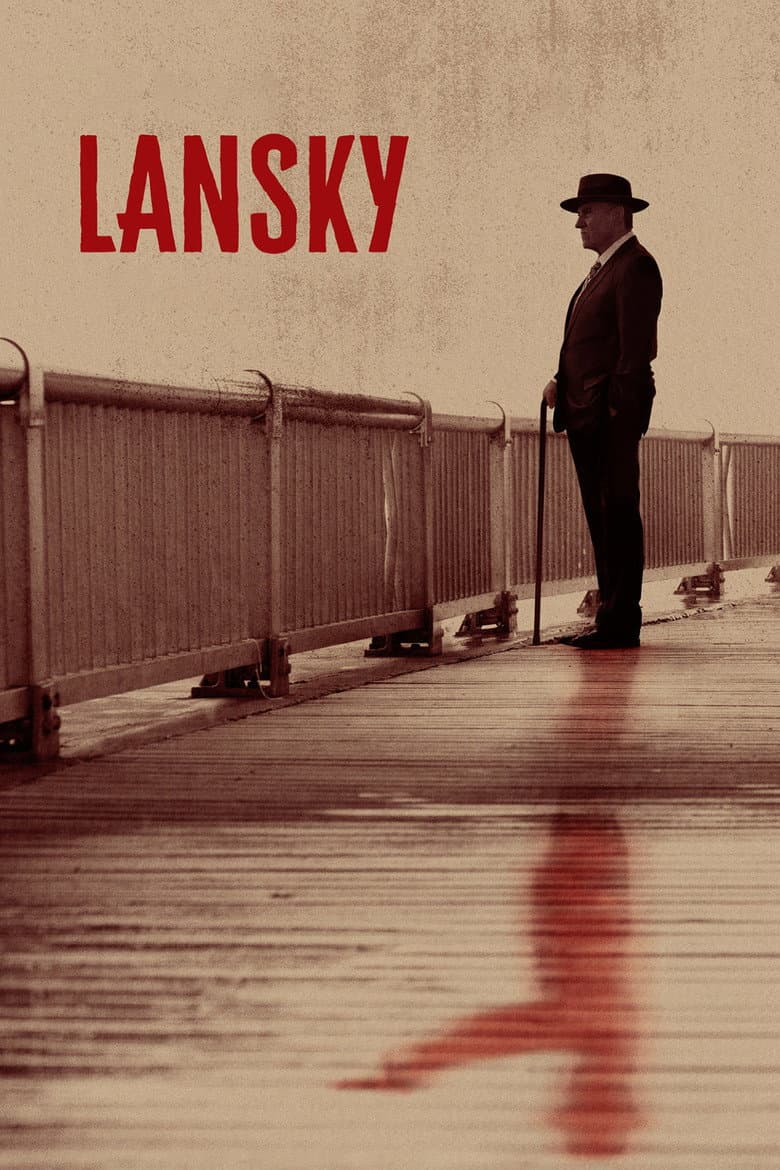
Movie · 2021
When the aging Meyer Lansky is investigated one last time by the Feds who suspect he has stashed away millions of dollars over half a century, the retired gangster spins a…
