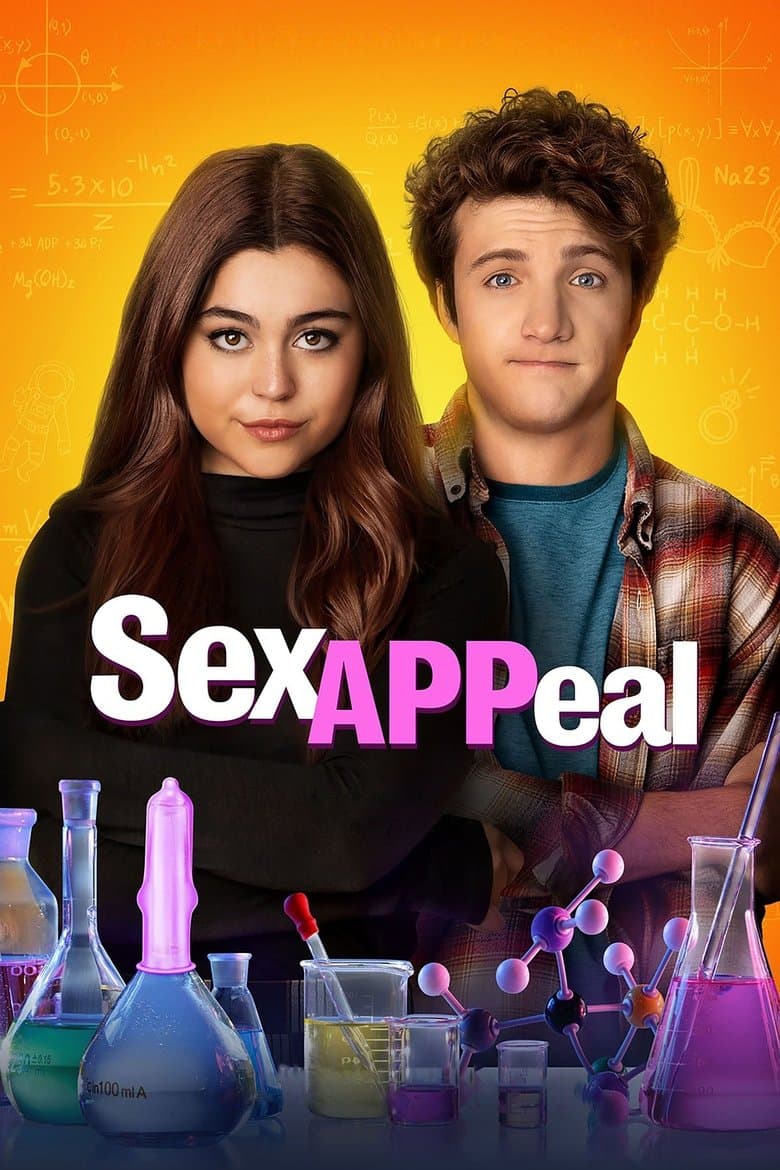
Avery Hansen-White is a top high school student who treats every problem like a science test. When her long-distance boyfriend expects sex at a STEM contest, she builds an app that promises a perfect first time. She asks her old friend Larson to help with hands-on practice, but she ignores the feelings he has carried for years. The movie uses bright colors, awkward jokes, and dream scenes as Avery learns that trust and care cannot be turned into data.
The story puts a brilliant young woman in STEM at the center and follows her pleasure instead of a boy's conquest. Avery is raised by two lesbian mothers, and one mother's female partner also helps raise her. The three women speak openly about condoms, consent, body shame, and sex without treating their queer family as unusual. These ideas appear often, but the main lesson stays personal because Avery must admit that she used Larson and broke his trust.
Community feedback
Was our 55% Woke rating accurate?
Breakdown
These are the editorial factors and ratings behind our score for Sex Appeal.
Woke representation / casting
The film makes Avery a gifted young woman headed for MIT and places her at the top of the STEM field. Avery's home has two lesbian mothers, and one mother's female partner acts as a third parent. The school group also includes several racial backgrounds and queer students. These choices form a clear pattern across major and supporting roles.
44%
Woke political dialogue
Not present. The characters discuss sex, consent, and relationships, but they do not argue about parties, laws, activism, or public policy.
0%
Identity-driven story themes
The film centers a teenage girl's sexual choice, pleasure, and freedom from shame. Avery's lesbian mothers give advice about consent, birth control, body shame, and safe sex. The story treats its three-mother queer family as loving and ordinary. This female and queer point of view shapes much of the comedy, though Avery's main lesson concerns trust and care.
54%
Western institutional / cultural critique
The film flips the old male-led teen sex comedy by making the girl's pleasure the main concern. Avery's lesbian family and open sex talks reject more traditional family and dating rules. The movie avoids shame and does not demand marriage, waiting for sex, or a standard happy couple at the end. The story still says that love, respect, and trust matter.
38%
Woke character or canon changes
Not relevant. The film tells an original story and does not alter an existing character, book, or historical figure.
0%
Anti-woke backlash and complaints
One published review said the film tried too hard to be woke and pointed to Avery's three mothers as proof. Most negative audience comments focused on the writing, Avery's behavior, and the ending instead of identity politics. The complaint remained isolated and did not become a broad anti-woke fight.
14%
Creator track record context
Director Talia Osteen has a cached score of 68 and a strong queer and women-focused work history. Writer Tate Hanyok has a cached score of 42 and writes female-driven stories. Casting directors Amber Horn and Danielle Aufiero have cached scores in the low 40s and support inclusive casting. Most listed producers have low cached scores, which lowers the overall context.
40%
Production

Movie · 2026
Poppy's a free spirit. Alex loves a plan. After years of summer vacations, these polar-opposite pals wonder if they could be a perfect romantic match.

Movie · 2025
A driven American exec heads to Paris determined to acquire a champagne brand by Christmas — and accidentally falls for the heir to the bubbly empire.

Movie · 2023
Two twenty-somethings, both reeling from bad break-ups, connect over the course of an eventful day in South London – helping each other deal with their nightmare exes, and…

Movie · 2023
Michelle and Allen, who have reached the point in their relationship where they are considering next steps, decide to invite their parents to finally meet and to offer some…

Movie · 2019
Standing on the precipice of adulthood, a group of friends navigate new relationships, while reexamining others, during their final summer before college.
Movie · 2021
Senior year of high school takes center stage as Lara Jean returns from a family trip to Korea and considers her college plans — with and without Peter.

Movie · 2022
Two strangers believe in love but never seem to be able to find its true meaning. In a wild twist of events, fate puts each in the other's path on one stormy New Year's Eve.

Movie · 2024
Ana is an ambitious intern dreaming of a career in the art world while trying to impress her demanding boss Claire.
