
Maya Vargas is a 43-year-old assistant manager at a discount store in Queens. She wants a promotion, but her boss chooses a younger worker with a college degree. After her friend’s son builds her a fake online life, Maya lands a high-level job at a New York beauty company. The bright romantic comedy follows her as she tries to prove her skills while hiding the lie.
The story gives much of its attention to a woman beating age, class, and education barriers at work. Maya says the system is rigged and later says many people cannot enter corporate America because they cannot afford the right college. Female friendship and women supporting one another at work return through the whole movie. The story also presents Maya as a confident Latina woman whose street knowledge matters as much as book learning, but it mixes that message with adoption, romance, family honesty, and broad jokes.
Community feedback
Was our 35% Woke rating accurate?
Breakdown
These are the editorial factors and ratings behind our score for Second Act.
Woke representation / casting
The cast puts a Latina woman at the center of a New York workplace story. The movie gives several women important jobs, including Maya, vice president Zoe, development executive Hildy, and assistant Ariana. The group includes Charlyne Yi and Lacretta in visible supporting roles, which adds a clear mix of identities. Lopez said she wanted women on the cast and crew to look like real life, but the movie does not make diversity its main subject.
29%
Woke political dialogue
Not present. The film has no sustained woke political or activist speech. Maya says the hiring system is rigged and criticizes college barriers, but those lines stay tied to her job struggle instead of a wider political program.
0%
Identity-driven story themes
Maya’s main goal is to defeat an age and education barrier that blocks her promotion. The story says her street knowledge and work record can matter as much as a college degree. The women around her help her take risks, build a product, and start a new company. The film treats a working-class Latina woman’s rise as a success story, but adoption, romance, honesty, and comedy share the plot.
41%
Western institutional / cultural critique
The film treats corporate hiring rules as unfair when they reject Maya because she lacks a college degree. Maya calls the system rigged and says people who cannot afford the right college may never enter corporate America. The story also mocks wealthy educated workers, corporate jargon, and a male boss who does not understand the store. The criticism stays inside a personal workplace comedy and does not attack Christianity, family life, or Western society as a whole.
24%
Woke character or canon changes
Not relevant. The movie is an original contemporary story and does not alter an established character, canon, or historical event.
0%
Anti-woke backlash and complaints
Not present. The supplied X research found no anti-woke reaction or campaign. Other audience and news discussion focused on the plot, the twist, and mixed reviews rather than DEI or identity politics.
0%
Creator track record context
Jennifer Lopez has a public record of supporting feminism and wider representation, and she helped develop and produce this film. Her interviews about the film stress women speaking up, age barriers, and the value of people who are overlooked. Elaine Goldsmith-Thomas has written about women’s careers in the old Hollywood boys club. Peter Segal and Justin Zackham have no strong activist record, so the wider creator group adds only mild context.
21%
Production

Movie · 2018
A quirky couple spends their three-year dating anniversary looking back at their relationship and contemplating whether they should break up.
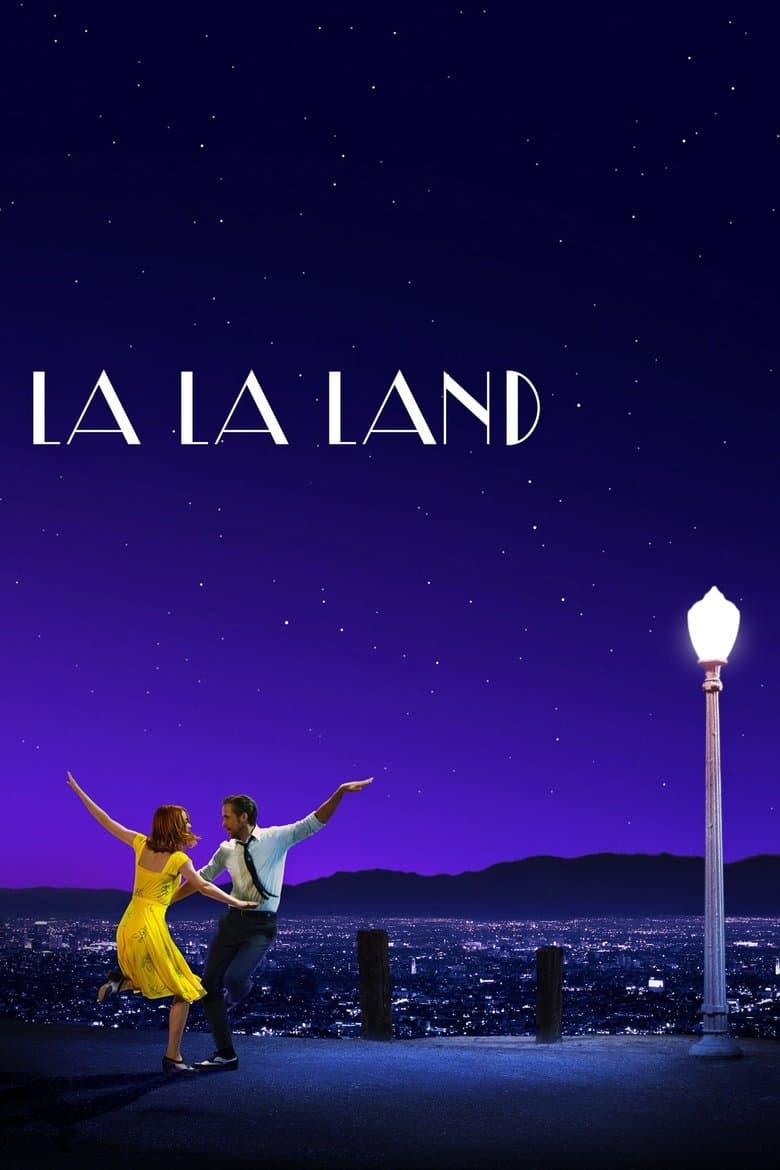
Movie · 2016
Mia, an aspiring actress, serves lattes to movie stars in between auditions and Sebastian, a jazz musician, scrapes by playing cocktail party gigs in dingy bars, but as success…
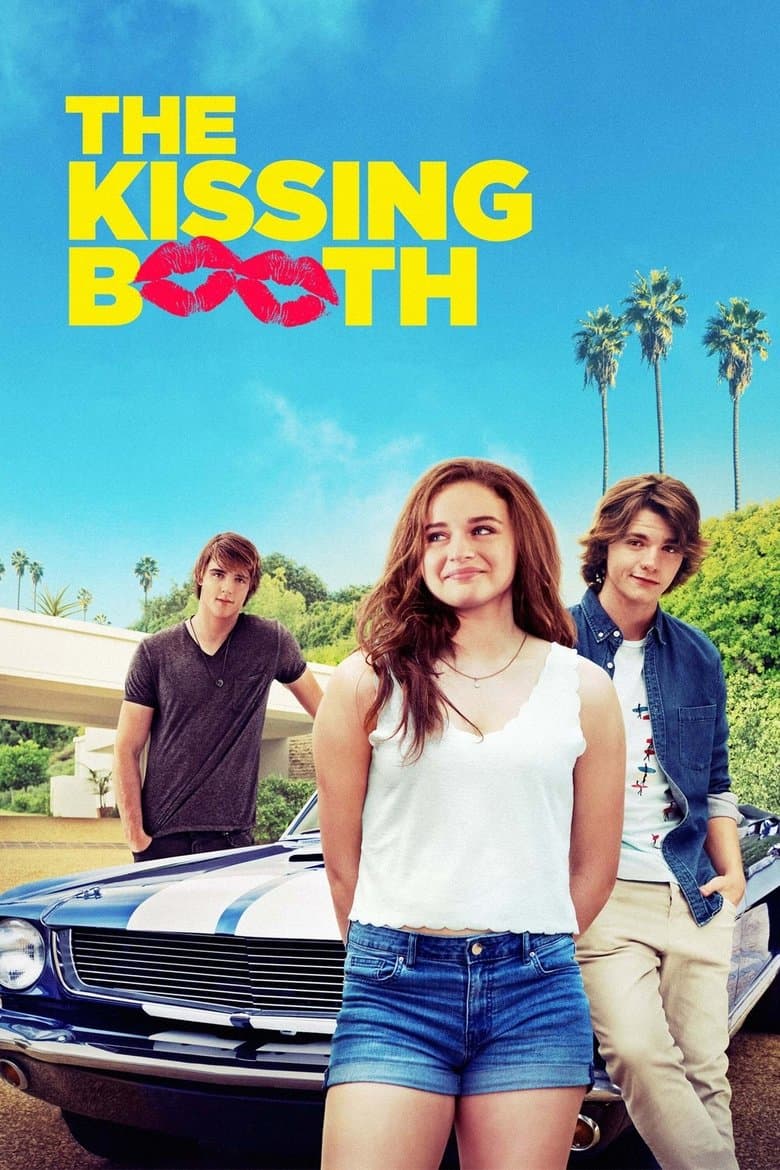
Movie · 2018
When teenager Elle's first kiss leads to a forbidden romance with the hottest boy in high school, she risks her relationship with her best friend.
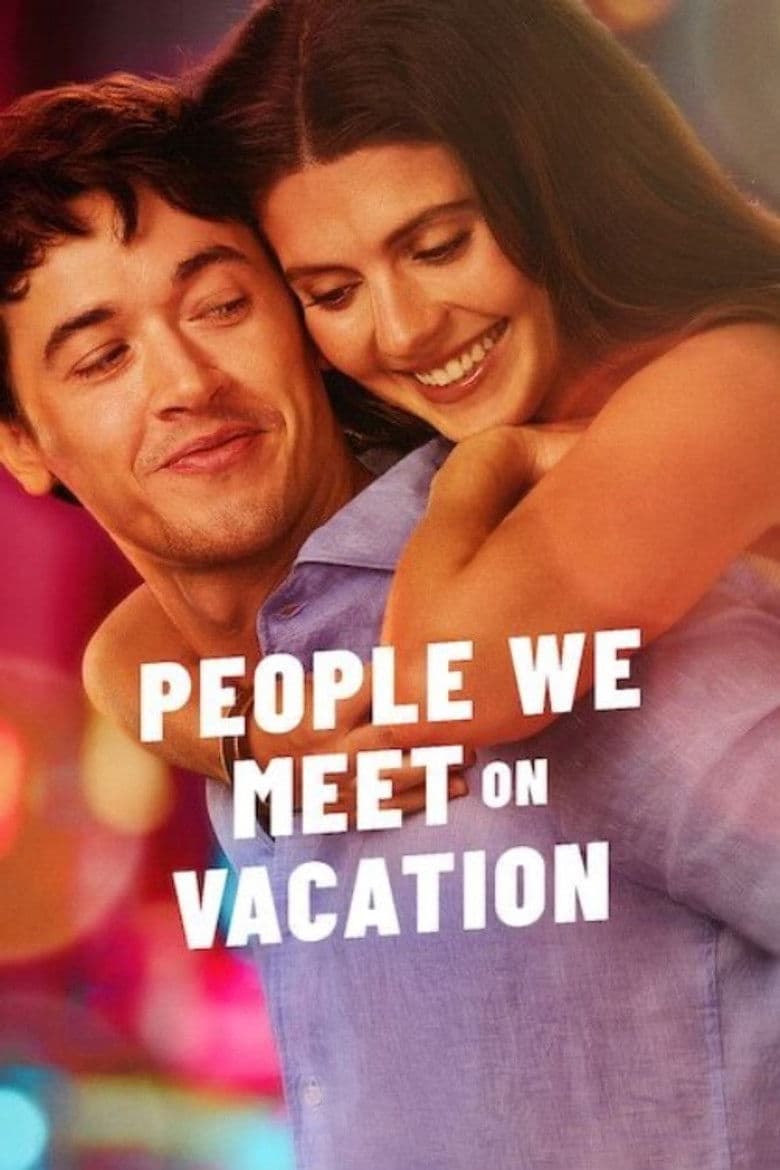
Movie · 2026
Poppy's a free spirit. Alex loves a plan. After years of summer vacations, these polar-opposite pals wonder if they could be a perfect romantic match.

Movie · 2019
No beau? No problem! To earn money for college, a high schooler creates a dating app that lets him act as a stand-in boyfriend.
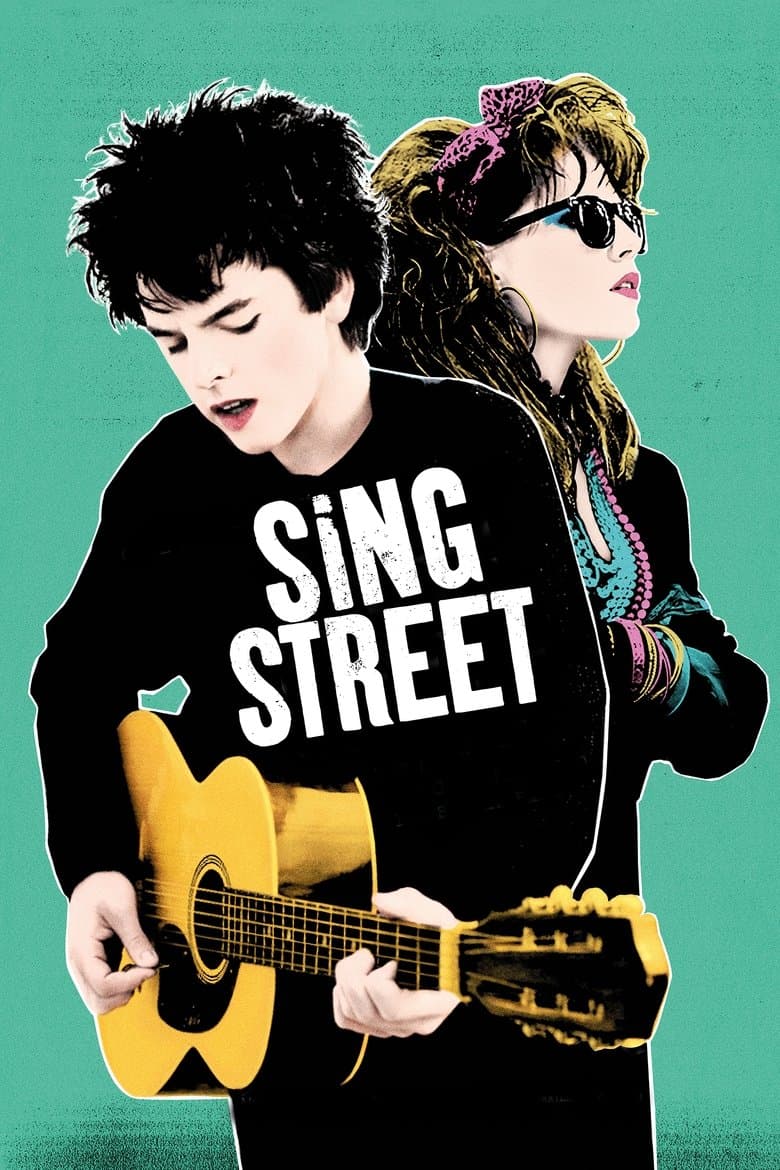
Movie · 2016
A boy growing up in Dublin during the 1980s escapes his strained family life by starting a band to impress the mysterious girl he likes.
Movie · 2020
A guy meets the woman of his dreams and invites her to his company's corporate retreat, but realizes he sent the invite to the wrong person.
Movie · 2023
Mira Ray, dealing with the loss of her fiancé, John, sends a series of romantic texts to his old cell phone number… not realizing the number was reassigned to Rob Burns' new work…
