
Sidney Prescott has built a quiet life in Pine Grove, Indiana, where she runs a coffee shop, lives with the town police chief, and raises three children. Her oldest child, teenage daughter Tatum, wants to know why Sidney hides so much about her violent past. A new Ghostface killer starts murdering people near them and uses Sidney’s history to reach Tatum. Sidney must protect her family while facing the danger she hoped was over. The movie mixes bloody kills, mystery, dark jokes, and tense family drama.
The story gives Mindy Meeks-Martin a visible queer role when she returns as a young reporter working with Gale Weathers. Mindy uses she and they pronouns, but the movie does not make that identity the cause of the killings or the main conflict. The main message follows a mother and daughter learning to trust each other and face trauma together. The film also uses fake videos and old crime stories to show how people can turn real violence into entertainment. Sidney and Tatum remain the center, so the identity material stays in a supporting thread.
Community feedback
Was our 33% Woke rating accurate?
Breakdown
These are the editorial factors and ratings behind our score for Scream 7.
Woke representation / casting
Mindy Meeks-Martin is a visible returning black queer character who works as a reporter with Gale. Chad is another black returning character, and Celeste O’Connor has a supporting teen role. Brown’s promotion describes Mindy as a queer black character and says that visibility matters. Sidney’s strong female lead is a long-running franchise trait, and the modern Indiana setting does not make the wider cast clearly implausible.
35%
Woke political dialogue
Not present. The dialogue centers on Ghostface rules, true crime, fake AI videos, family conflict, and survival. The searchable transcript showed no activist speeches, social-justice slogans, or spoken pronoun debate.
0%
Identity-driven story themes
Mindy’s queer identity is a clear part of the film’s supporting cast. The movie does not build the murders around sexuality, race, or gender politics. Sidney and Tatum’s story centers on family trust, trauma, overprotective parenting, and learning to survive. The identity material is visible but remains separate from the main conflict.
25%
Western institutional / cultural critique
Not present. The film jokes about true crime fame, old television careers, fake AI videos, and family overprotection. It does not make a repeated activist attack on Western institutions, traditional family life, masculinity, or Christianity.
0%
Woke character or canon changes
Not relevant. Returning characters keep their established roles and traits, including Mindy’s queer identity. The shift back to Sidney and the removal of Sam and Tara from the main story are production and story changes, not identity-driven rewrites.
0%
Anti-woke backlash and complaints
A small MAGA-leaning account called the film woke over an alleged pronoun moment and “pride madness.” A small right-leaning commentator called the younger franchise cast “woker counterparts,” and another post used “cope from woke” language about the boycott. The posts had little engagement. The large boycott was about Barrera and Palestine, not woke content.
22%
Creator track record context
Kevin Williamson has a cached score of 40/100 because he is openly gay and has connected Scream’s survival theme to gay experience. Neve Campbell has a cached score of 22/100 for speaking about Hollywood’s gender pay gap. Guy Busick and James Vanderbilt have low cached scores, and most listed producers have low or zero cached scores. The combined context gives the film a mild creator signal.
24%
Production
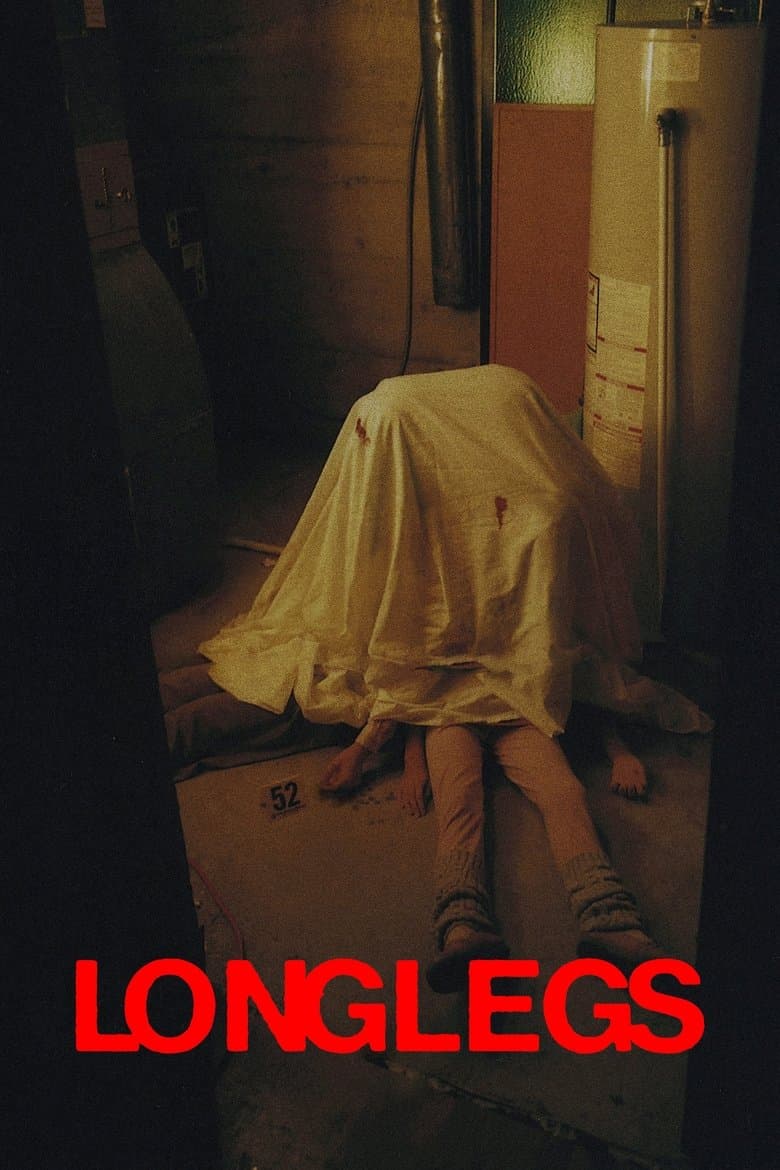
Movie · 2024
FBI Agent Lee Harker is a gifted new recruit assigned to the unsolved case of an elusive serial killer. As the case takes complex turns, unearthing evidence of the occult, Harker…
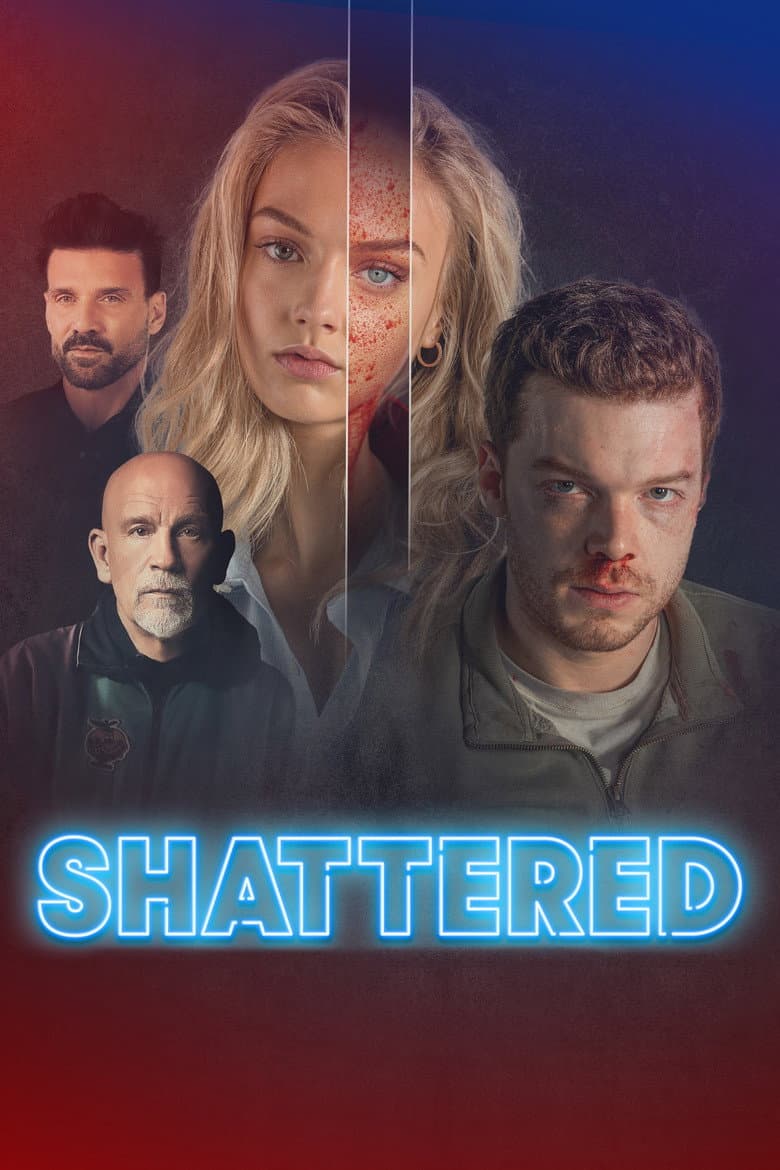
Movie · 2022
Chris, a wealthy divorcee, lives in a high-tech house of his own design in Montana. His life changes when he meets Sky, a mysterious young woman who draws him out of his shell and…
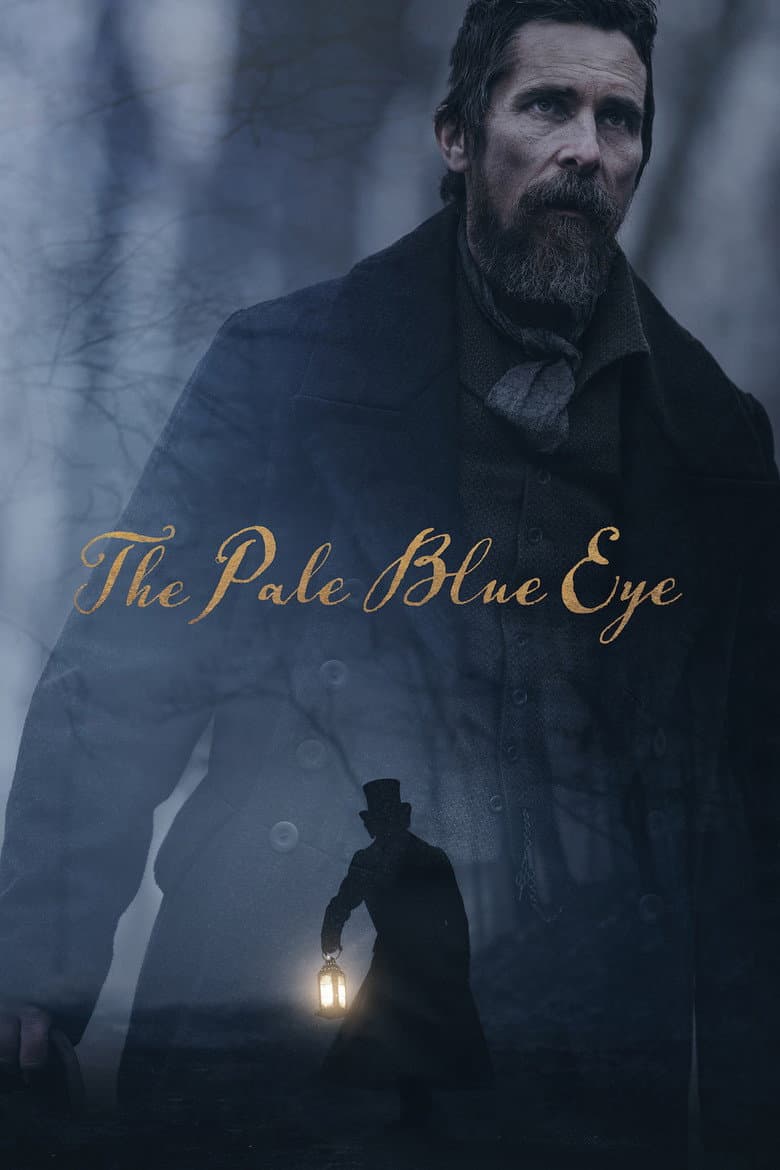
Movie · 2022
West Point, New York, 1830. When a cadet at the burgeoning military academy is found hanged with his heart cut out, the top brass summons former New York City constable Augustus…
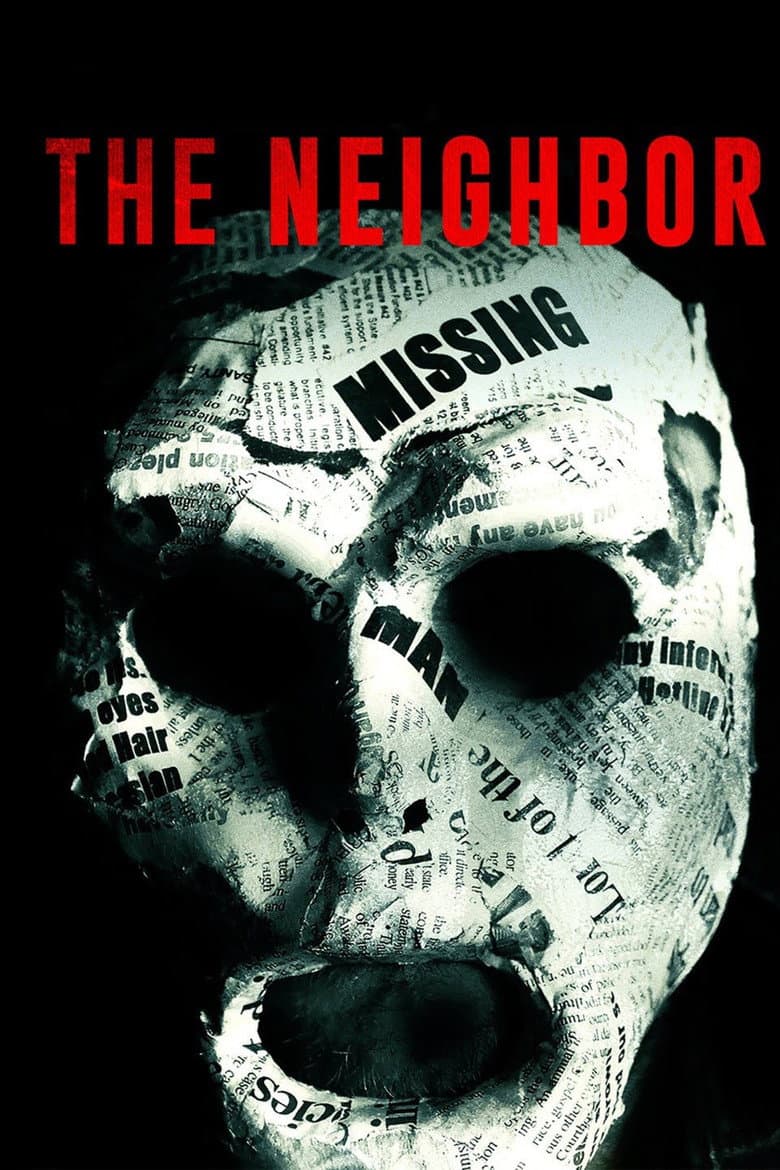
Movie · 2016
In the town of Cutter, most people keep to themselves. But when John comes home to find his girlfriend missing, he sneaks into his neighbor's house, finding his girlfriend and…

Movie · 2025
Plagued by a violent recurring nightmare, college student Stefanie heads home to track down the one person who might be able to break the cycle and save her family from the grisly…
Movie · 2018
The crew of a horror web series travels to an abandoned asylum for a live broadcast, but they encounter much more than expected as they move deeper inside the nightmarish old…
Movie · 2016
A punk rock band is forced to fight for survival after witnessing an act of violence at a skinhead bar.

Movie · 2023
After starting their own detective agency, Nick and Audrey Spitz land a career-making case when their billionaire pal is kidnapped from his wedding.
