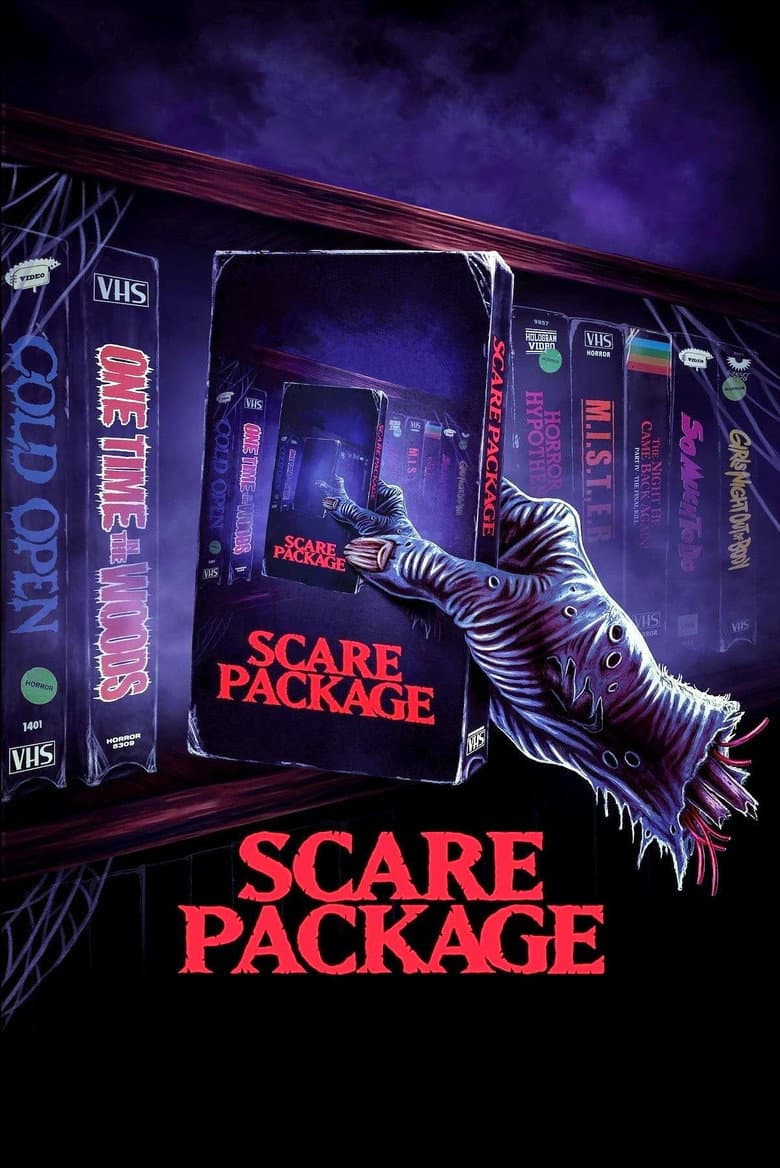
Chad Buckley runs Rad Chad's Horror Emporium, a small video store filled with old horror tapes and movie trivia. He hires Hawn while regular customer Sam keeps asking for a job. Chad uses the store to teach Hawn the rules of horror, and each lesson opens a bloody short story. The film is a loose, self-aware collection of short horror stories that mixes silly jokes, monsters, gore, and love for older horror movies.
A few stories use clear modern gender themes. M.I.S.T.E.R. mocks men who say that society has made them soft, and its leader calls for a return to tough-guy power. The film also presents a women-centered revenge story about three women who turn a stalker's attack back on him. A female final survivor kills a masked killer in another segment, but most of the movie focuses on horror jokes, video-store friendship, and horror rules rather than politics.
Community feedback
Was our 47% Woke rating accurate?
Breakdown
These are the editorial factors and ratings behind our score for Scare Package.
Woke representation / casting
The wraparound gives prominent roles to Hawn Tran and Byron Brown, and the anthology centers women in several stories. “Girls Night Out of Body” uses Atsuko Okatsuka with two other women, while “So Much To Do” follows Toni Trucks. The film does not present the casting as a broad identity campaign, so the signal stays mild.
22%
Woke political dialogue
The M.I.S.T.E.R. segment repeats modern gender-role language. Men complain that society wants them softer and gentler, talk about a glass ceiling, and demand a return to alpha status. The group also uses words such as “womansplaining,” “pro choice,” and “oppression” as part of its jokes. Other segments mainly discuss horror movies, so this clear political dialogue is mostly limited to one short story.
42%
Identity-driven story themes
“M.I.S.T.E.R.” turns male anger, alpha behavior, and complaints about being controlled into a werewolf joke. “Girls Night Out of Body” lets three women defeat a stalker and keep control of their night. “The Night He Came Back Again!” gives Daisy the power to capture and finally kill the masked killer. Most other stories parody horror rules without identity themes, so these ideas recur but do not control the full film.
43%
Western institutional / cultural critique
“M.I.S.T.E.R.” attacks traditional male dominance by mocking men who say society has made them weak. The leader links softer behavior with oppression and urges the men to reclaim primal power. The women-led stories also mock stalking, male violence, and older slasher roles. The movie does not attack churches, capitalism, or major Western institutions, and the critique stays inside horror comedy.
37%
Woke character or canon changes
Not relevant. Scare Package is an original anthology, not an adaptation of an established story. Its named figures are new characters or horror archetypes, and the film does not change a known character’s race, sex, sexuality, or history.
0%
Anti-woke backlash and complaints
Not present. The supplied X pass found no anti-woke reaction, and web coverage showed ordinary genre praise and criticism. No clear complaint was found that the film pushes DEI, identity politics, or activist propaganda.
0%
Creator track record context
Several directors have moderate recorded scores because their wider work includes representation, women-centered horror, or social themes. Baron Vaughn, Emily Hagins, Courtney Andujar, Hillary Andujar, Noah Segan, and producer Mali Elfman provide the strongest context. Other listed creators have low or zero scores and mainly make genre films. The mixed team gives the film a moderate background signal, but it does not make the whole anthology activist.
33%
Production
Movie · 2017
Ten years ago, over forty people were brutally torn to pieces in Louisiana’s Honey Island Swamp. Over the past decade, lone survivor Andrew’s claims that local legend Victor…
Movie · 2024
A family's vacation to a remote getaway takes an unexpected turn when they discover the present-day implications of the island's cannibalistic past.
Movie · 2017
A virus spreads through an office complex causing white collar workers to act out their worst impulses.
Movie · 2022
A disgraced internet personality attempts to win back his followers by livestreaming one night alone in a haunted house.
Movie · 2018
Fans flock to a festival celebrating the most iconic horror movies, only to discover that the charismatic showman behind the event has a diabolical agenda.
Movie · 2025
When twin brothers find a mysterious wind-up monkey, a series of outrageous deaths tear their family apart. Twenty-five years later, the monkey begins a new killing spree forcing…
Movie · 2019
Counselors are being killed off at summer camp, and Sam is stuck in the middle of it. Instead of contacting the cops, he calls his friend and slasher-film expert Chuck to discuss…
Movie · 2018
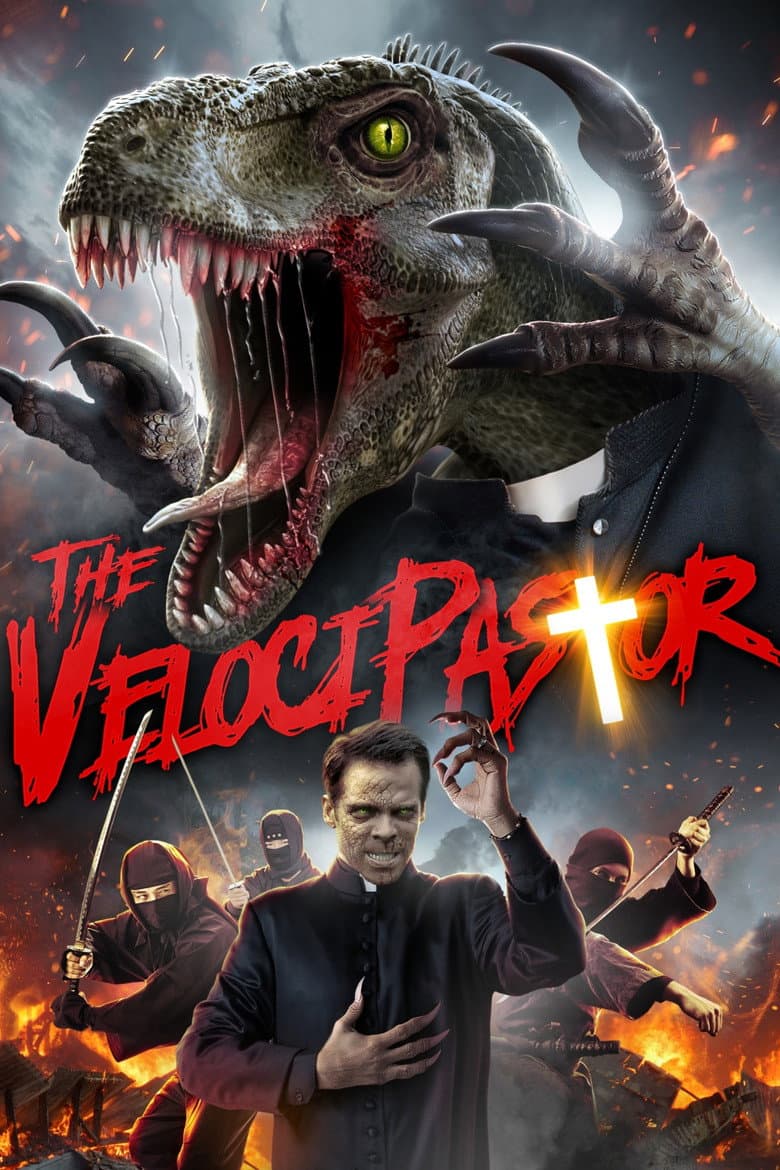
After losing his parents, a priest travels to China, where he inherits a mysterious ability to turn into a dinosaur.
