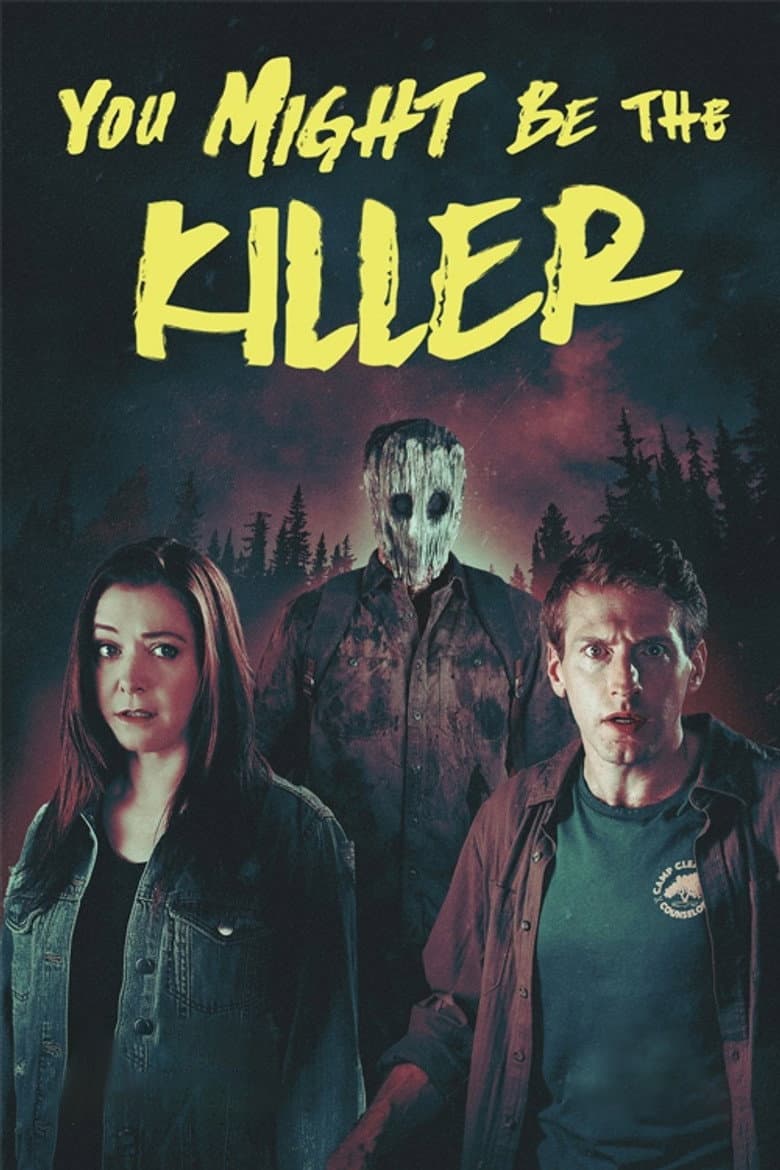
At Camp Clear Vista in Louisiana, head counselor Sam finds himself surrounded by dead counselors after a masked killer attacks. Sam has blackouts, carries the killer's weapon, and calls his friend Chuck, a comic-store worker who knows slasher movies. Their phone calls and Sam's broken memories reveal that a cursed wood mask may be making him kill. The movie uses gore, fast jokes, and a broken timeline to turn a summer-camp massacre into a self-aware horror comedy.
The main identity-based element is the repeated Final Girl idea. Chuck says a pure and innocent girl usually survives and kills the killer, then Jamie and Imani become the last major survivors while Sam stays confused and dangerous. Jamie kills Sam at the end, so female survival and power shape the final act, but the movie treats the idea as a joke about old slasher rules rather than a modern rights message. The camp also has a mixed group of men and women, yet the story does not frame that casting as a diversity campaign.
Community feedback
Was our 20% Woke rating accurate?
Breakdown
These are the editorial factors and ratings behind our score for You Might Be the Killer.
Woke representation / casting
Not present. The camp group includes men and women, with Black counselor Imani in a prominent supporting role. The film does not present that mix as a diversity message or show a repeated representation-first casting pattern.
0%
Woke political dialogue
Not present. The film uses horror jokes and casual labels such as “white boy” and “little boys.” Those lines do not push a modern identity, DEI, or activist idea.
0%
Identity-driven story themes
The film makes the Final Girl idea a major part of the story. Chuck says the purest girl usually survives and kills the killer, and she uses that rule to predict Jamie’s role. Imani and Jamie become the last main survivors, and Jamie kills Sam at the end. The movie treats this as a joke about slasher rules, so the theme is noticeable but not a modern activist message.
38%
Western institutional / cultural critique
Not present. The story shows a missing sheriff and bad camp decisions, but it does not attack Western institutions, religion, capitalism, family, or traditional social norms. The conflict comes from a cursed mask and slasher rules.
0%
Woke character or canon changes
Not relevant. The movie is an original story built from a Twitter joke and horror-film tropes. It does not change an established character, franchise canon, or real historical figure.
0%
Anti-woke backlash and complaints
Not present. Reviews and fan posts focus on gore, humor, pacing, and the Final Girl joke. No anti-woke complaint about DEI, identity politics, or activist messaging appears in the reviewed coverage, and the separate X pass found none.
0%
Creator track record context
The cached creator context is low across the main team. Brett Simmons has a stored score of 0, Thomas P. Vitale 9, and Covis Berzoyne 0. Most producers are scored from 0 to 9, while Justin Smith is 19 because of a few separate credits. No repeated activist or identity-first pattern is recorded for this film’s team.
6%
Production
Movie · 2019
Columbus, Tallahassee, Wichita, and Little Rock move to the American heartland as they face off against evolved zombies, fellow survivors, and the growing pains of the snarky…
Movie · 2022
Legendary rock band Foo Fighters move into an Encino mansion steeped in grisly rock and roll history to record their much anticipated 10th album.
Movie · 2023
Bizarre back-to-back murders in an otherwise quiet Arizona desert town has rattled local Police Chief Jordan Sanders.
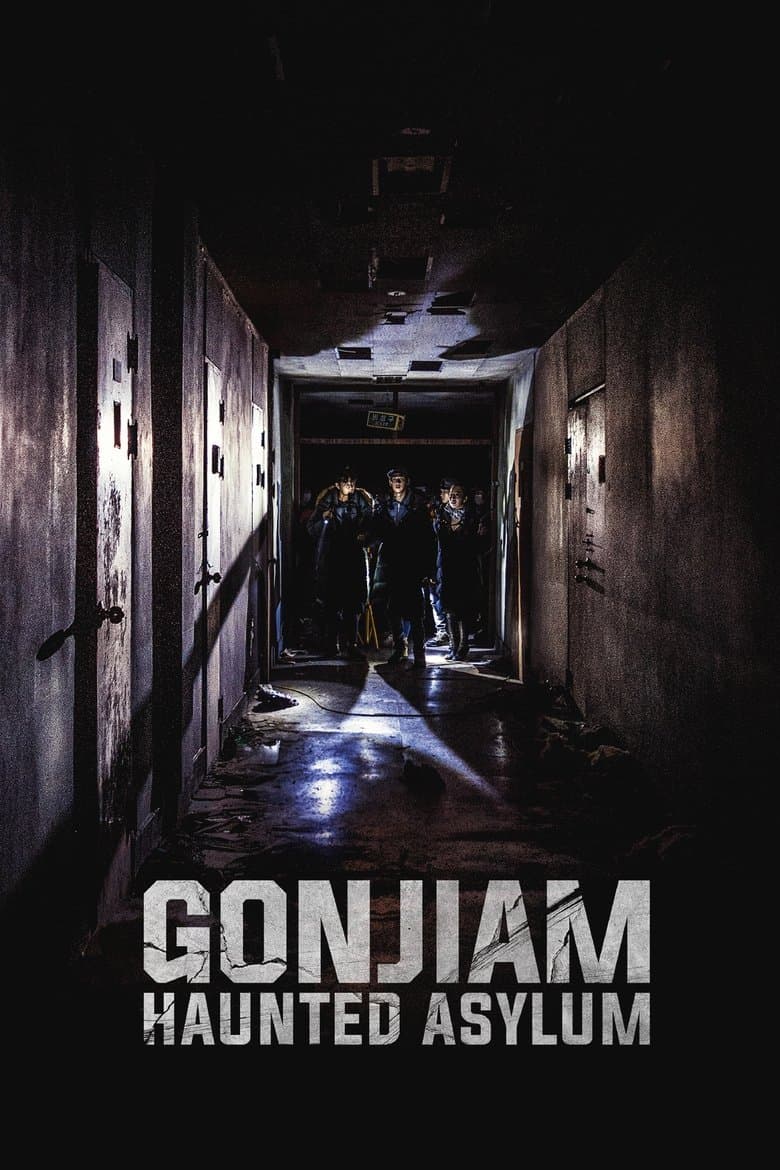
Movie · 2018
The crew of a horror web series travels to an abandoned asylum for a live broadcast, but they encounter much more than expected as they move deeper inside the nightmarish old…
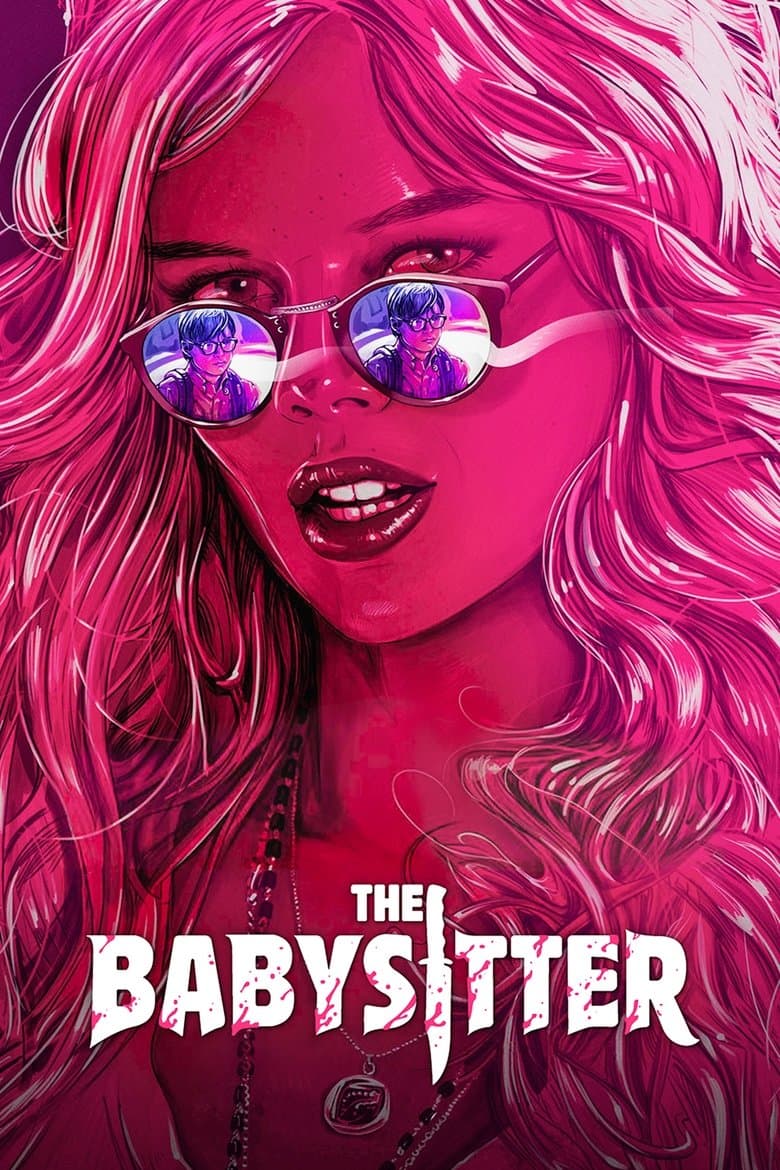
Movie · 2017
When Cole stays up past his bedtime, he discovers that his hot babysitter is part of a Satanic cult that will stop at nothing to keep him quiet.
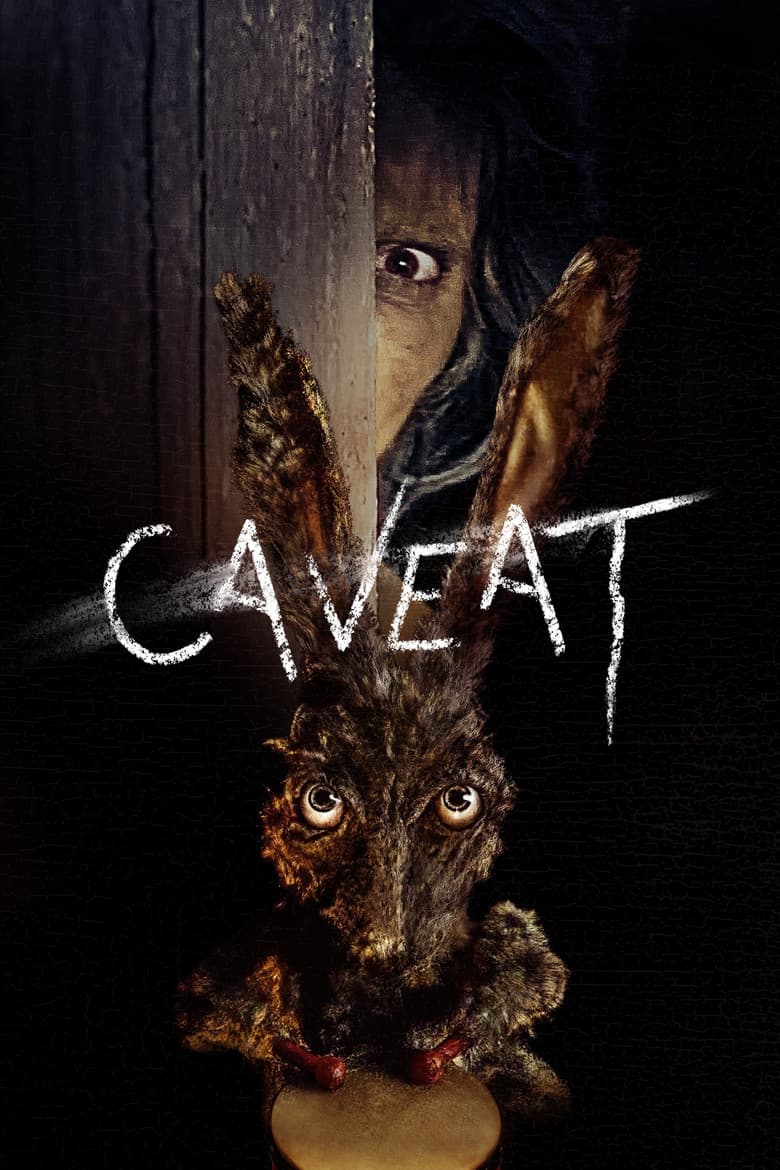
Movie · 2021
A lone drifter suffering from partial memory loss accepts a job to look after a psychologically troubled woman in an abandoned house on an isolated island.
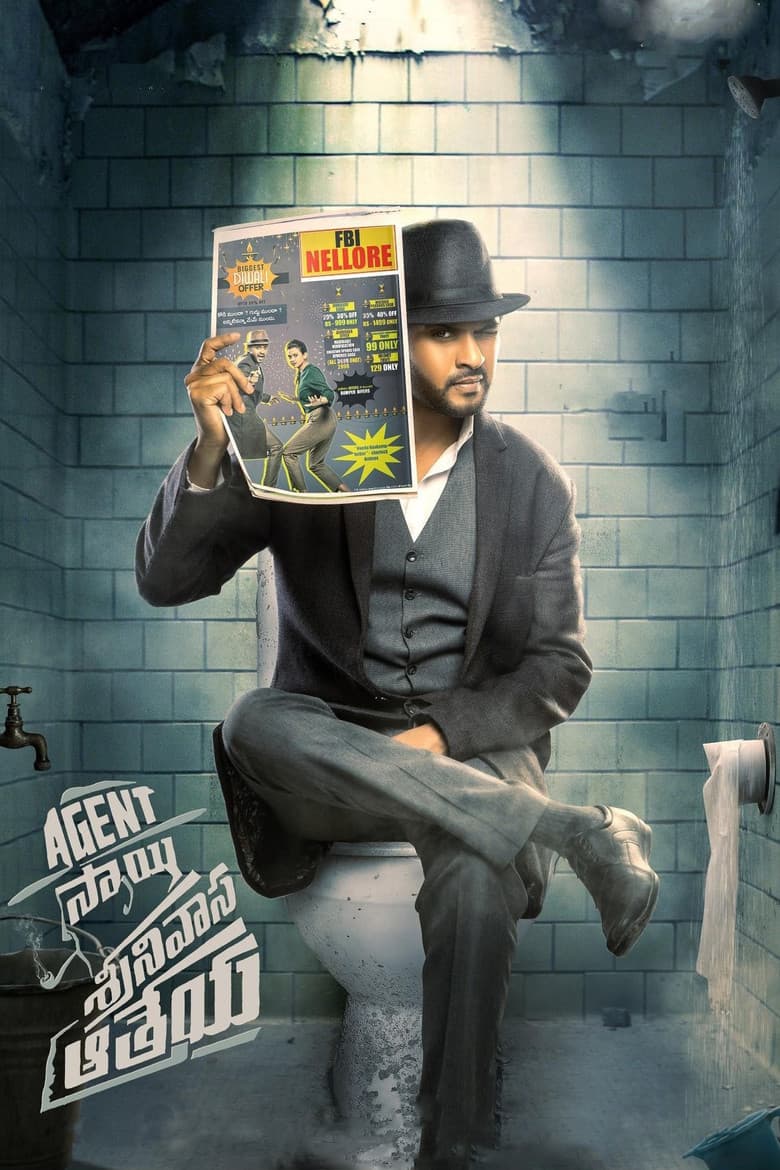
Movie · 2019
Agent Sai Srinivasa Athreya is a brilliant, underrated detective from Nellore who runs an agency called FBI which sees no business.
Movie · 2016
Father and son coroners receive a mysterious unidentified corpse with no apparent cause of death. As they attempt to examine the "Jane Doe," they discover increasingly bizarre…
