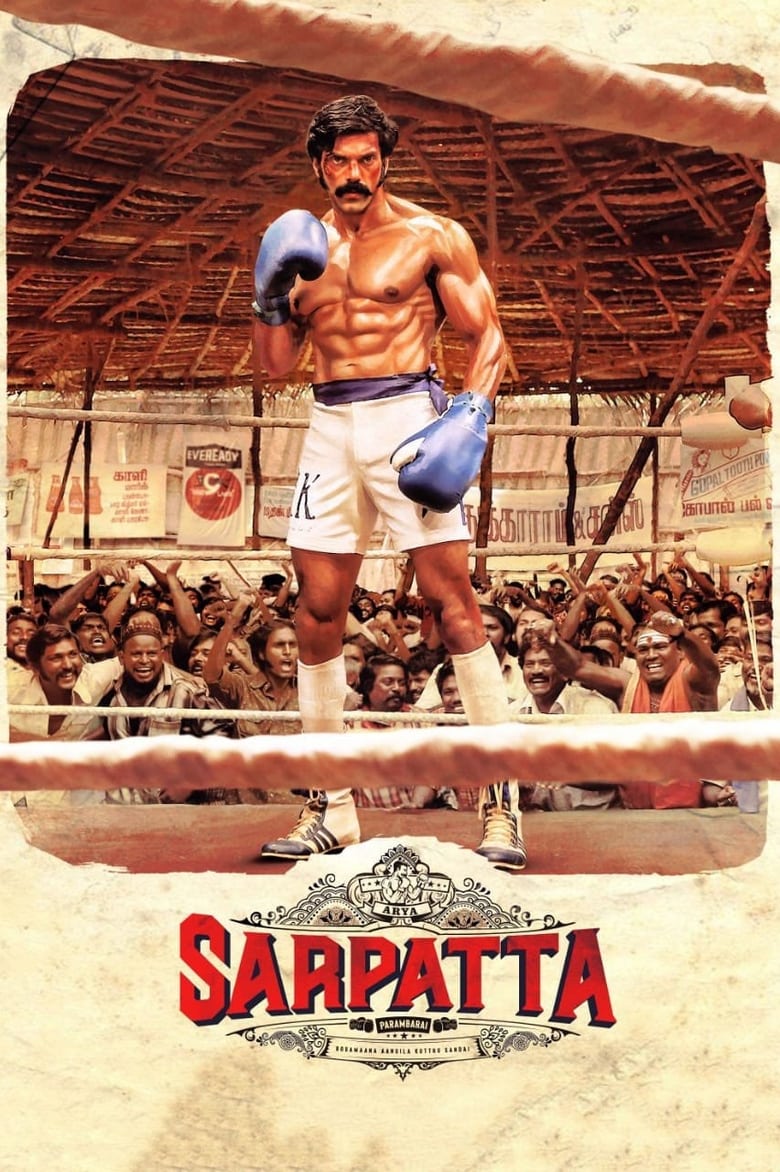
Sarpatta Parambarai follows Kabilan, a young labourer from North Chennai who wants to become a boxer. His mother fears the sport because boxing once brought pain to their family. Kabilan joins the Sarpatta clan and faces rival fighters, personal failure, alcohol, crime, and political pressure. The film is a gritty period sports drama set in 1970s Madras. The film gives strong attention to caste, class, and the pride of a poorer community. It presents Kabilan as a lower-caste hero who gains respect through skill, support, and resistance to unfair treatment. The story also gives Kabilan’s mother and wife strong voices and treats his marriage as a relationship between equals. Political lines attack government overreach and praise resistance to oppression. These ideas matter throughout the story, but boxing remains the main focus.
Community feedback
Was our 70% Woke rating accurate?
Breakdown
These are the editorial factors and ratings behind our score for Sarpatta Parambarai.
Woke representation / casting
Not present. The cast fits the Tamil setting and the film’s time and place. No clear diversity-first casting message was found.
0%
Woke political dialogue
The film includes repeated political references to the Emergency, DMK and AIADMK rivalry, MGR, Stalin, and central government power. Rangan calls government rule harmful to democracy. The dialogue supports resistance to political control, but it is mainly tied to the 1970s setting.
32%
Identity-driven story themes
The film repeatedly links boxing to caste, class, and community status. Kabilan is shown as a hero from an oppressed community who wins respect through skill and solidarity. The story uses Ambedkarite and anti-caste ideas as part of his rise. Kabilan’s mother and wife are also written as strong equals who challenge his choices.
66%
Western institutional / cultural critique
Not present. The film does not focus on Western institutions, Christianity, modern gender politics, or anti-conservative family messaging. Its criticism targets local caste and political power in a historical Tamil setting.
0%
Woke character or canon changes
Not relevant. The film is an original period story about fictional boxing clans. No established character, canon figure, or real event is changed through an identity swap.
0%
Anti-woke backlash and complaints
Former AIADMK minister D. Jayakumar called the film DMK propaganda and objected to its portrayal of MGR. An AIADMK leader also sent a legal notice over alleged political inaccuracies. X showed smaller complaints about caste propaganda, communist politics, anti-Hindu moments, and Periyar-related messaging. The complaints reached a public official and named news outlets, although no large boycott or review-bombing campaign was found.
68%
Creator track record context
Pa. Ranjith has a stored score of 82 and a long record of anti-caste and representation-focused films. stored scores for Thamizh Prabha and S. Jayakumar also reflect recurring social-justice themes. The producer has no documented activist pattern, but Ranjith is the key creative voice.
78%
Production
Movie · 2020
The incredible true story of Vietnam War hero William H. Pitsenbarger, a U.S. Air Force Pararescuemen medic who personally saved over sixty men.
Movie · 2019
Cal is a dedicated cop who also serves as a sergeant in the Marine Corps Reserve. When his reckless half brother lands in jail for accidentally killing a man, Cal and his buddies…
Movie · 2023
Denmark, 1755. Captain Ludvig Kahlen sets out to conquer a Danish heath reputed to be uncultivable, with an impossible goal: to establish a colony in the name of the king, in…
Movie · 2017
Set in a dugout in Aisne in 1918, a group of British officers, led by the mentally disintegrating young officer Stanhope, variously await their fate.
Movie · 2016
The story of a drifter named Paul who arrives in a small town seeking revenge on the thugs who murdered his friend.
Movie · 2021
A widowed farmer and his son warily take in a mysterious, injured man with a satchel of cash. When a posse of men claiming to be the law come for the money, the farmer must decide…
Movie · 2018
A team of special forces head into Afghanistan in the aftermath of the September 11th attacks in an attempt to dismantle the Taliban.

Movie · 2019
American car designer Carroll Shelby and the British-born driver Ken Miles work together to battle corporate interference, the laws of physics, and their own personal demons to…
