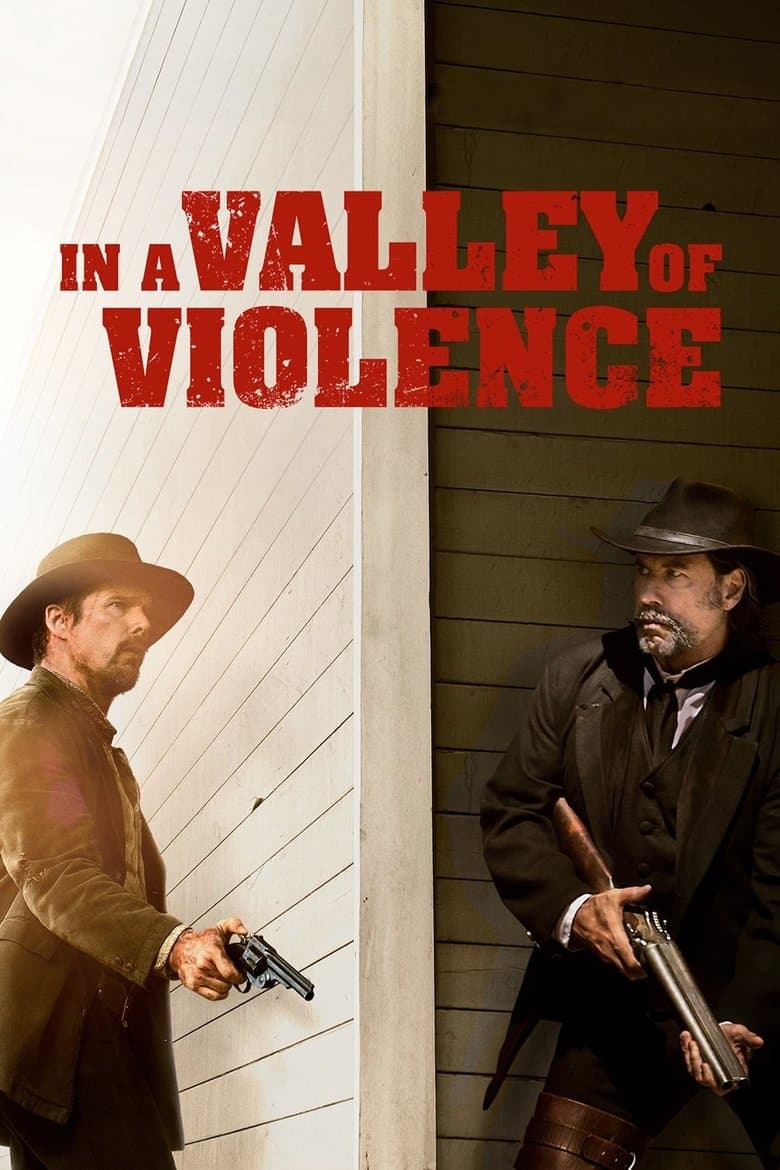
Paul is a haunted Indian Wars veteran and deserter who travels with his dog Abbie through a dying 1870s mining town called Denton. A local bully deputy named Gilly picks a fight, kills the dog, and leaves Paul for dead. Paul comes back for personal revenge. Hotel sisters Mary-Anne and Ellen get pulled into the bloodshed, and Mary-Anne fires the last shot on Gilly after Paul is wounded. The film is a lean, tongue-in-cheek spaghetti Western homage about revenge, small-town stupidity and corruption, and how violence hits different people.
The story does not push modern identity politics. There is no engineered diversity casting, no activist speech, and no identity-driven plot arcs. Corrupt lawmen, a bullying deputy, and a disgraced comic priest are standard Western types, not attacks on modern institutions. Mary-Anne helps at the end as a supporting character in a male revenge story, not as empowerment marketing. Paul’s war guilt is personal backstory only.
Community feedback
Was our 2% Woke rating accurate?
Breakdown
These are the editorial factors and ratings behind our score for In a Valley of Violence.
Woke representation / casting
Not present. The cast is a period-typical Old West ensemble with no engineered diversity pattern. There are no race or gender swaps of known figures. Casting is not sold as an identity statement. The hotel sisters and Mary-Anne’s late help are ordinary Western support roles.
0%
Woke political dialogue
Not present. There is no modern activist, DEI, systemic-oppression, or identity-politics speech. Talk stays in the Western genre. Characters trade threats, insults, law talk, and personal confessions about war guilt and family left behind.
0%
Identity-driven story themes
Not present. The core story is personal revenge after the dog is killed, plus small-town rot and genre pastiche. Paul’s brief war guilt is classic haunted-veteran backstory. It is not a present-day colonial-guilt or identity campaign.
0%
Western institutional / cultural critique
Not present. Corrupt lawmen, a bullying deputy, and a drunken disgraced priest are standard Western types. They are not modern activist attacks on patriarchy, toxic masculinity, Christianity, or Western civilization. Family and social norms are not framed in anti-conservative activist terms beyond genre villainy.
0%
Woke character or canon changes
Not relevant. This is an original script. It is not an adaptation. It does not rewrite established characters or history for identity reasons.
0%
Anti-woke backlash and complaints
Not present. No meaningful anti-woke, anti-DEI, or agenda controversy showed up in news, web coverage, or X search. People treat it as an underrated revenge Western pastiche. Wokeness trackers place it near the bottom of the scale.
0%
Creator track record context
Writer-director Ti West scores low on activist pattern as a genre and horror filmmaker. Most producers score near zero. Jason Blum scores higher for political commentary on other titles, which mildly lifts the team score without making him the film’s authorial voice.
12%
Production

Movie · 2017
May, 1980. Man-seob is a taxi driver in Seoul who lives from hand to mouth, raising his young daughter alone.
Movie · 2018
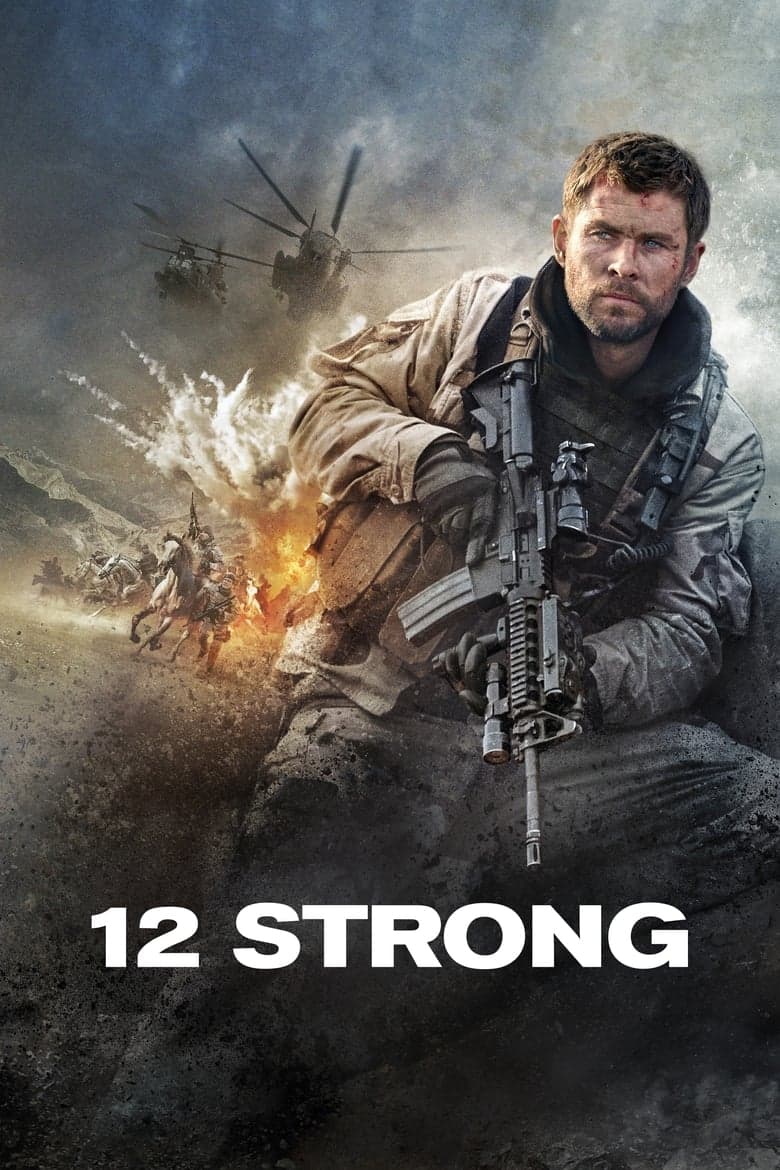
A team of special forces head into Afghanistan in the aftermath of the September 11th attacks in an attempt to dismantle the Taliban.
Movie · 2019
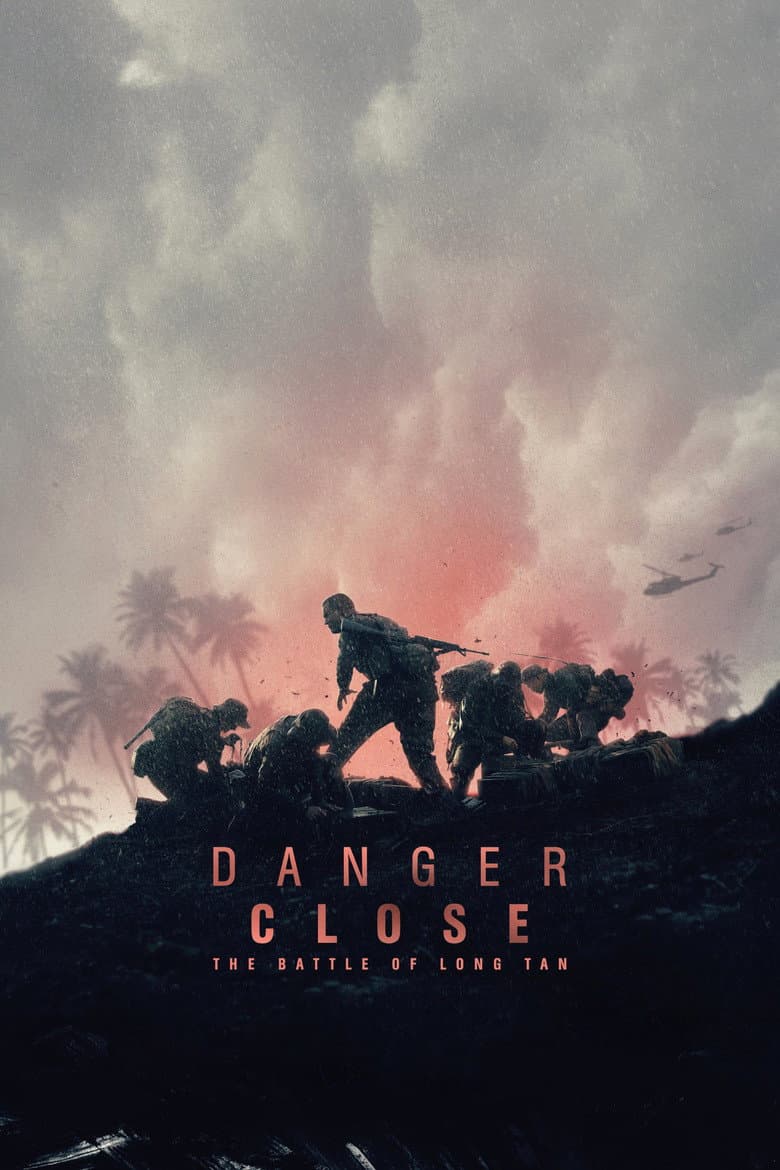
Vietnam War, 1966. Australia and New Zealand send troops to support the United States and South Vietnamese in their fight against the communist North.
Movie · 2022
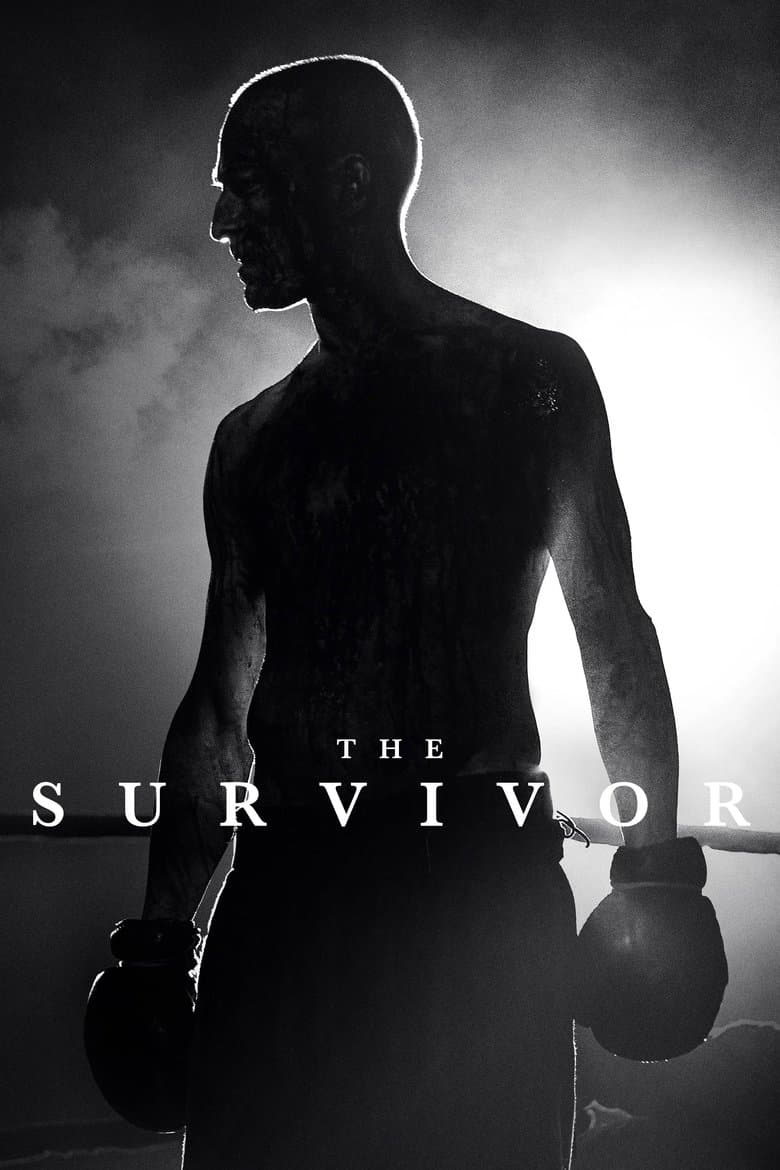
Harry Haft is a boxer who fought fellow prisoners in the concentration camps to survive. Haunted by the memories and his guilt, he attempts to use high-profile fights against…
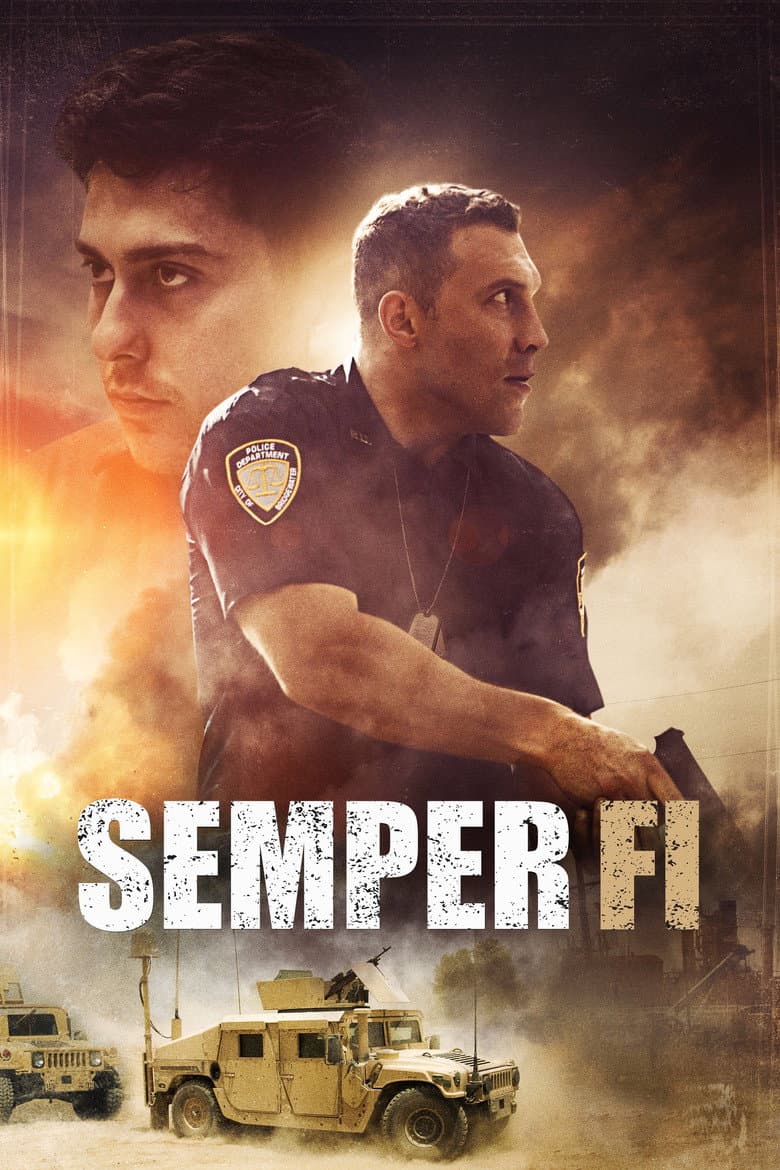
Movie · 2019
Cal is a dedicated cop who also serves as a sergeant in the Marine Corps Reserve. When his reckless half brother lands in jail for accidentally killing a man, Cal and his buddies…
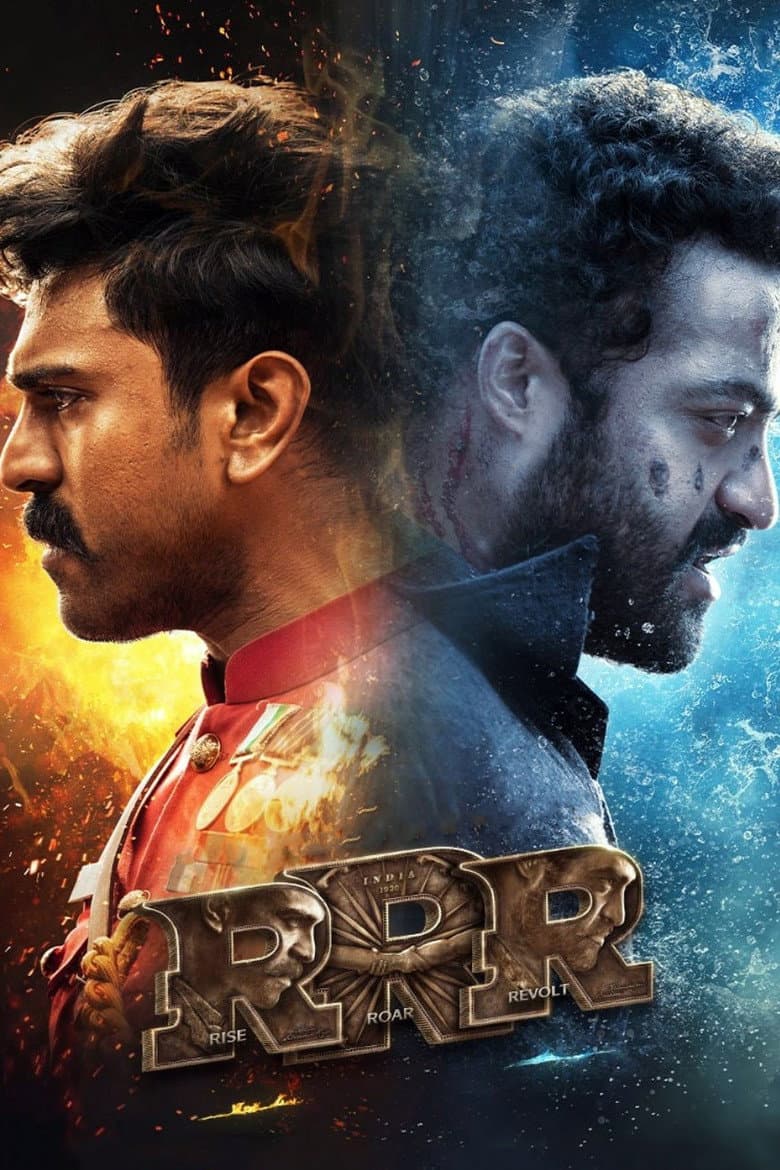
Movie · 2022
A fictional history of two legendary revolutionaries' journey away from home before they began fighting for their country in the 1920s.
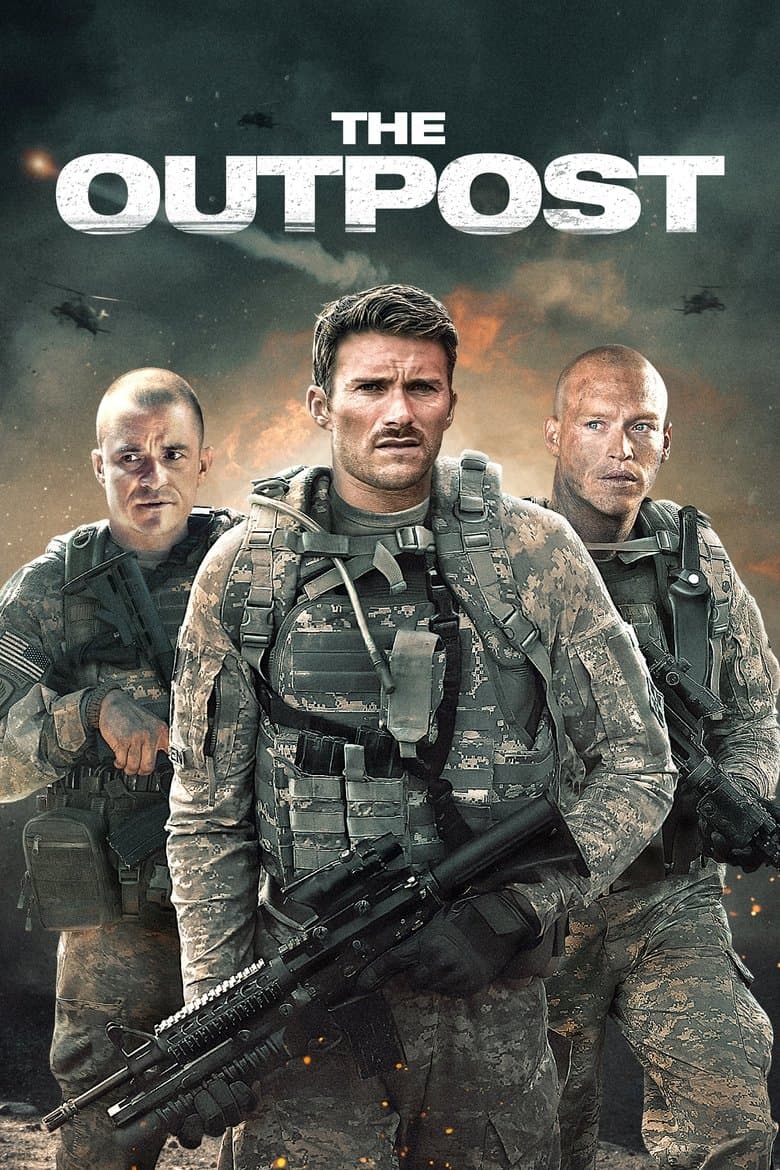
Movie · 2020
A small unit of U.S. soldiers, alone at the remote Combat Outpost Keating, located deep in the valley of three mountains in Afghanistan, battles to defend against an overwhelming…
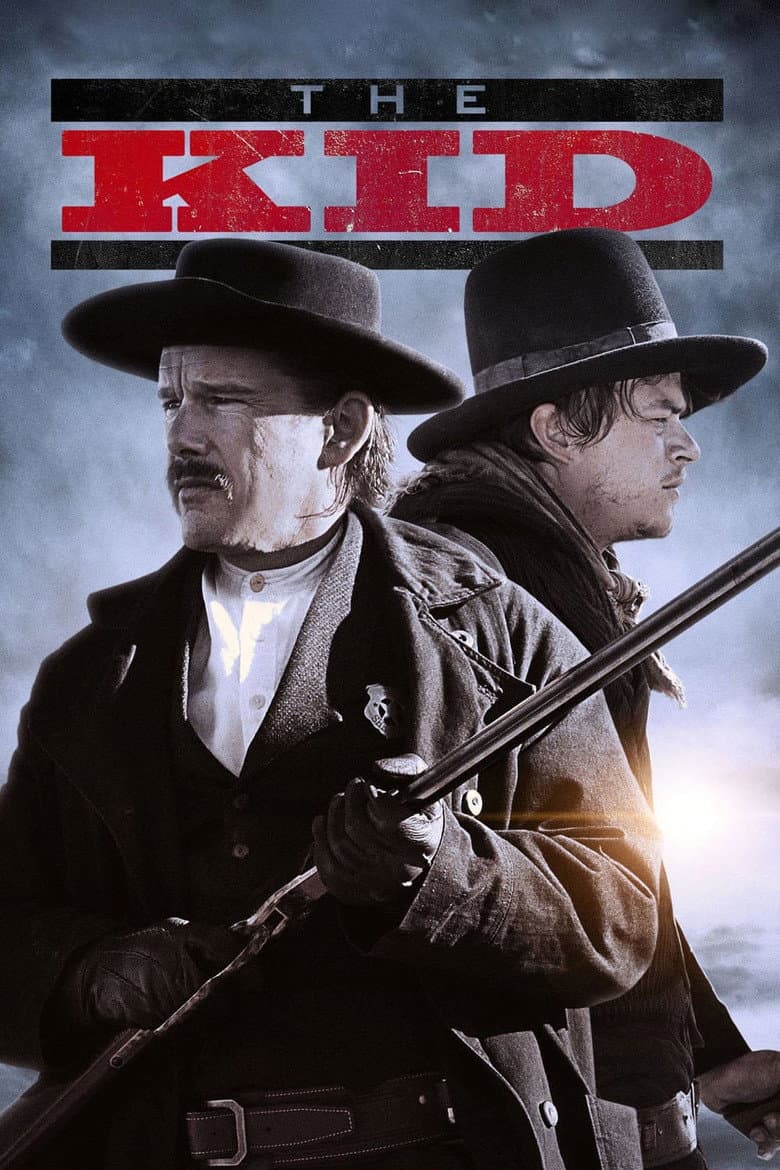
Movie · 2019
New Mexico Territory, 1880. Rio Cutler and his older sister Sara must abandon their home after an unfortunate event happens.
