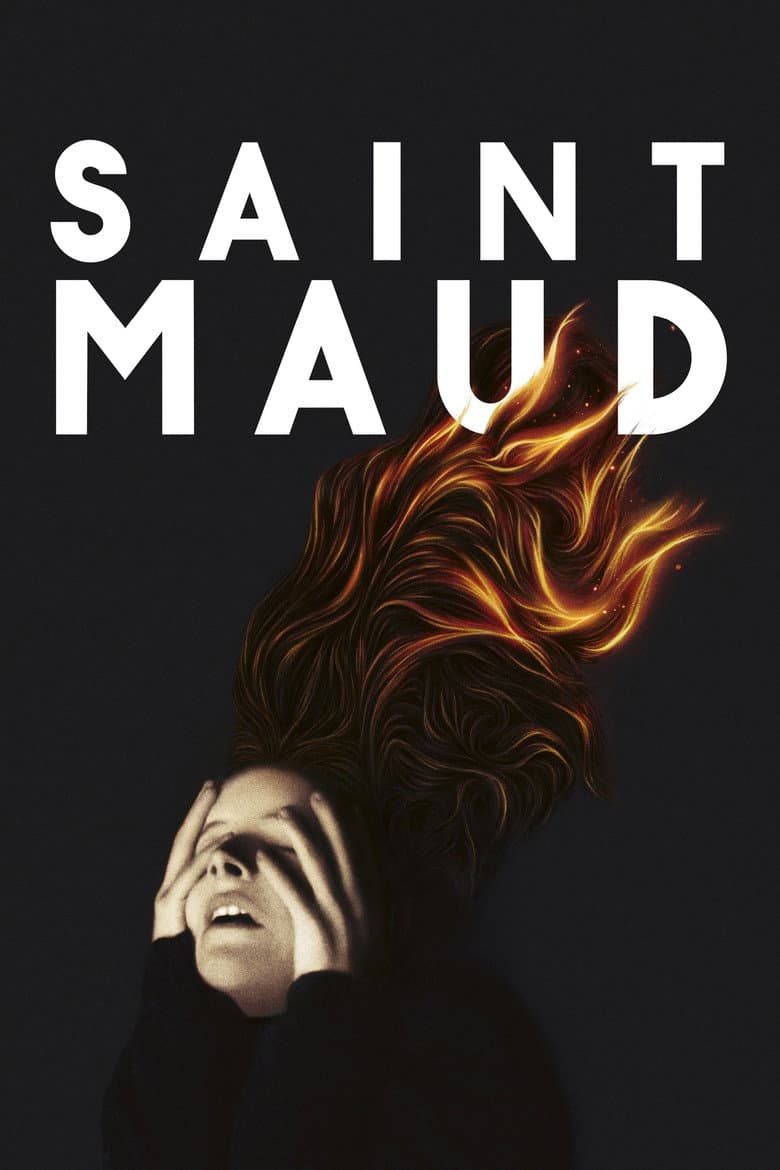
Saint Maud follows Maud, a quiet young nurse who has recently turned to God after a patient dies in her care. She works in a bleak English seaside town and cares for Amanda, a wealthy former dancer who is dying from cancer. Maud believes God has chosen her to save Amanda's soul, but her faith mixes with guilt, fear, and visions. The film is a slow, tense horror story about loneliness, illness, shame, and a mind losing its grip on reality.
Amanda lives freely, drinks, has sex with Carol, a woman who visits her, and mocks Maud's new faith. Maud sees Amanda's pleasure and lack of faith as signs that she needs saving, so their bond turns into a battle over sin, control, and purpose. The film connects same-sex desire and sexual pleasure with Maud's fear of the body, but it does not make queer identity the main subject. The strongest themes concern religious obsession, self-harm, mental illness, and the danger of trying to control another person.
Community feedback
Was our 31% Woke rating accurate?
Breakdown
These are the editorial factors and ratings behind our score for Saint Maud.
Woke representation / casting
Not present. The film centers on a small British cast in a modern English seaside town. Its two main roles are white women, but the film does not present this casting as a diversity or identity statement.
0%
Woke political dialogue
Not present. The dialogue deals with God, sin, death, sex, and mental illness. It contains no clear modern activist or identity-politics speech.
0%
Identity-driven story themes
Amanda has sex with Carol, a woman who visits the house. Maud reacts with jealousy and sees Amanda's sexual life as part of the soul she wants to save. The film links same-sex desire, bodily pleasure, and religious longing in several scenes. Maud's loneliness, faith, and mental collapse remain the main story, so the identity element is secondary.
30%
Western institutional / cultural critique
Maud's private Christian faith is shown as a force that feeds guilt, self-harm, and violence. The film also shows her trying to control Amanda's choices in the name of saving her soul. The story questions religious certainty and the idea that suffering makes a person holy. The critique is part of the main plot, but it is not tied to a current political movement or a broad attack on Western society.
34%
Woke character or canon changes
Not relevant. Saint Maud is an original story with no established characters, franchise canon, or real historical figures being changed.
0%
Anti-woke backlash and complaints
Not present. The separate X pass found no anti-woke complaints, boycotts, defenses-as-not-woke, or review bombing tied to the film. Wider coverage mentions some religious viewers objecting to its treatment of faith, but not as a woke or DEI complaint.
0%
Creator track record context
The saved creator scores range from 7 to 55, and most are low to moderate. Rose Glass has a saved score of 25, and her title interviews focus on faith, loneliness, sexuality, and mental distress. Mary Burke's saved work history includes several films with central LGBTQ stories, and Kharmel Cochrane's notes stress diverse talent. This gives a mild context signal, but it does not show that Saint Maud was made as a DEI project.
30%
Production
Movie · 2019
When a 12-year-old boy goes missing at a local park, a detective investigates the case to help the boy's family find answers.
Movie · 2021
Paranormal investigators Ed and Lorraine Warren encounter what would become one of the most sensational cases from their files.

Movie · 2019
When a huge hurricane hits her hometown in Florida, Haley ignores evacuation orders to look for her father. After finding him badly wounded, both are trapped by the flood.
Movie · 2018
Following the death of the Leigh family matriarch, Annie and her children uncover disturbing secrets about their heritage.
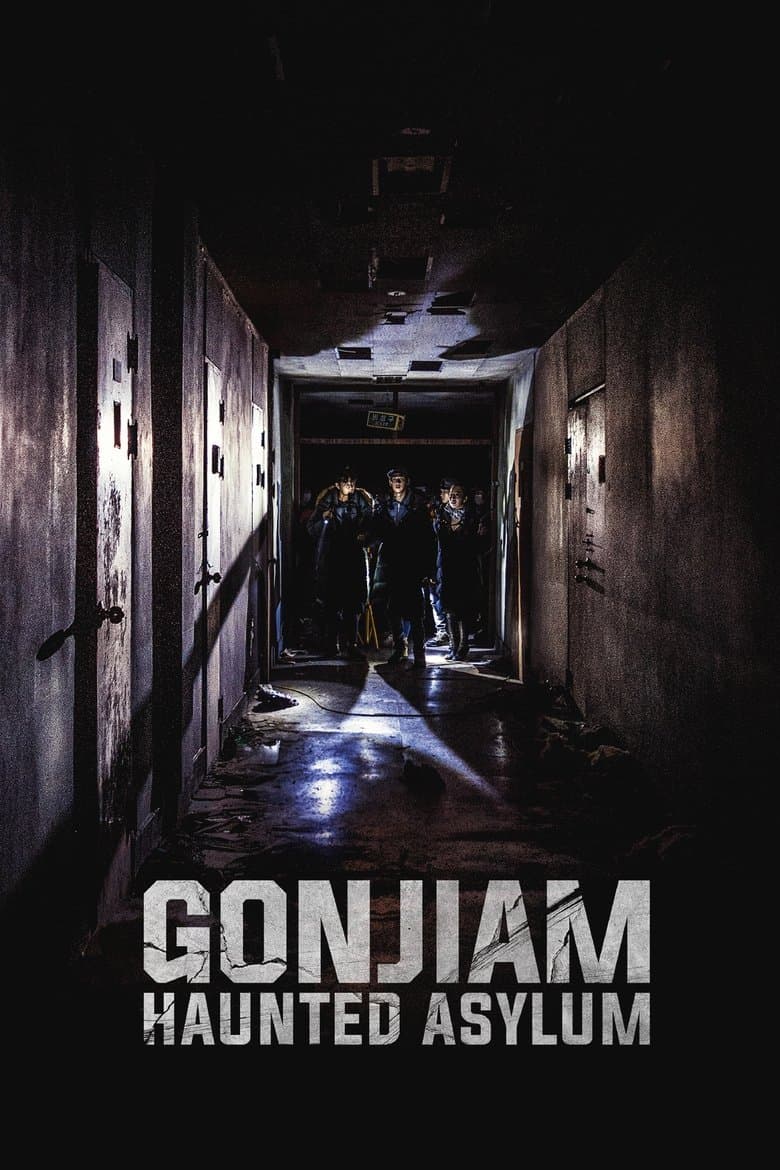
Movie · 2018
The crew of a horror web series travels to an abandoned asylum for a live broadcast, but they encounter much more than expected as they move deeper inside the nightmarish old…
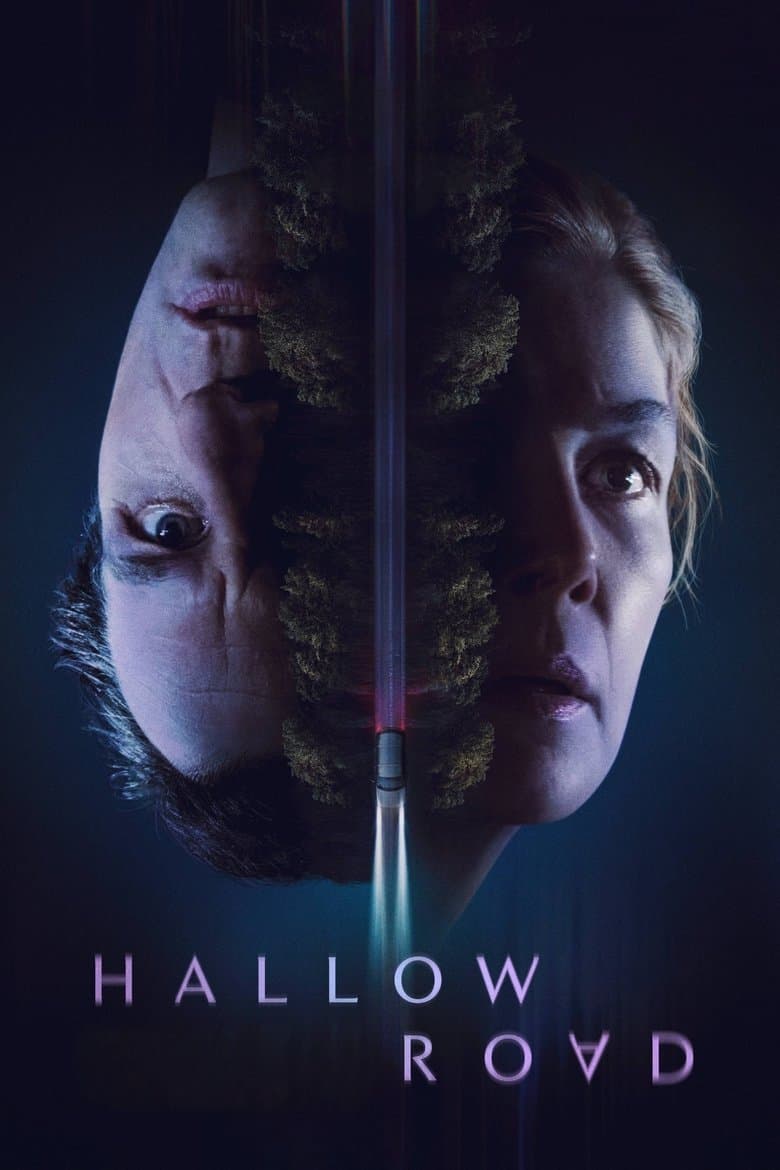
Movie · 2025
Two parents enter a race against time when they receive a distressing late-night phone call from their daughter after she caused a tragic car accident.
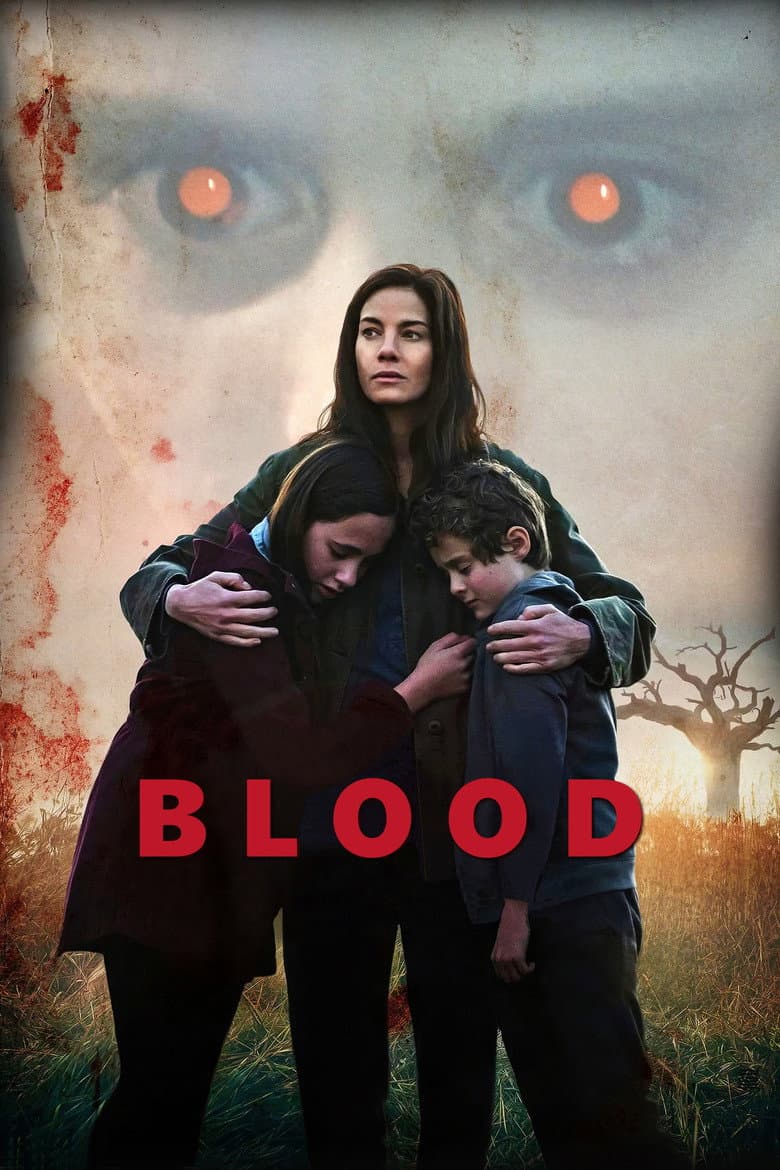
Movie · 2023
Jess, a newly separated mother and nurse, moves into her old family farmhouse with Tyler, her teenage daughter, and Owen, her eight-year-old son.
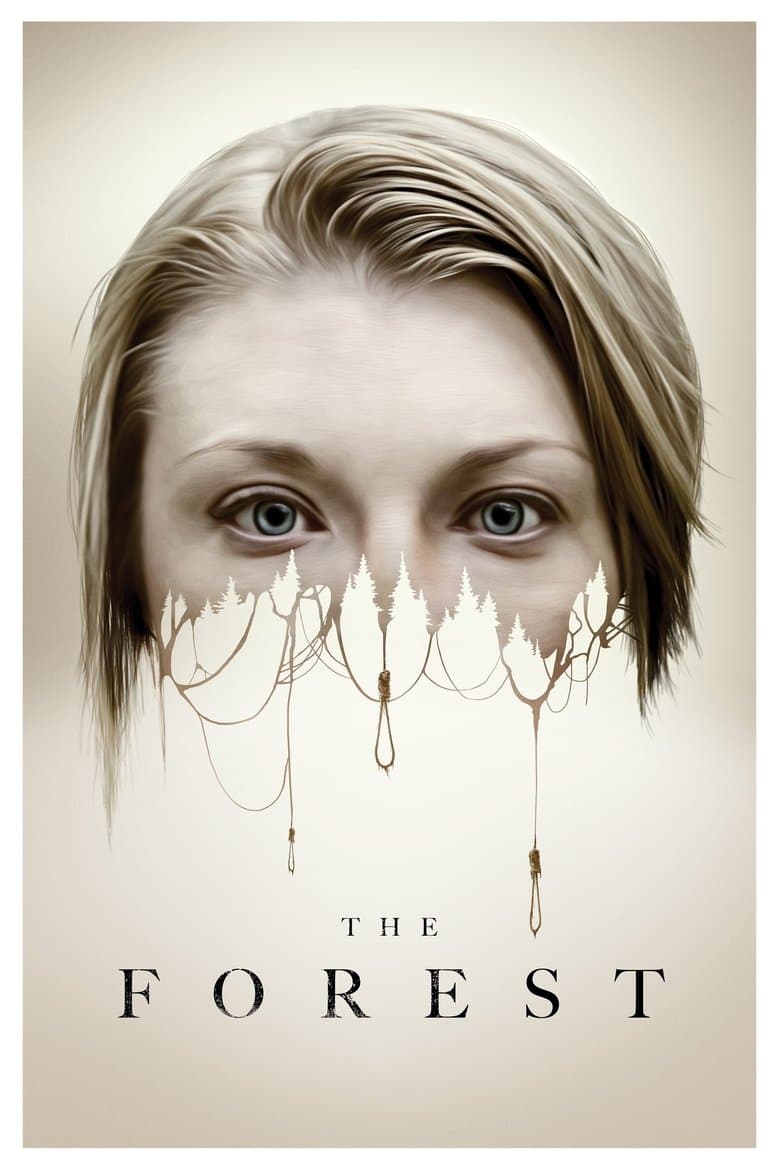
Movie · 2016
Set in the Aokigahara Forest, a real-life place in Japan where people go to end their lives. Against this backdrop, a young American woman comes in search of her twin sister, who…
