
Renee Morgan is a divorced single mother who lives in an ordinary North American town with her troubled son, Evan. After she leaves him with his father, a staged tire problem leads to her kidnapping. A secret group takes her to a hidden lab and tests her with drugs, restraints, and her fear of spiders. The film uses a cold, strange, and often cruel tone as Renee crawls through vents and tries to get back home.
Renee learns that the group believes extreme fear can unlock a hidden genetic change and turn people into a new kind of being. The story makes her struggle with fear and control the path to change, and it shows her becoming sharper and harder to stop. Her love for Evan remains stronger than the group’s plan, even after her body changes. The film also includes a brief sexualized touch from a female captor, but it does not build a queer relationship or an identity story around it.
Community feedback
Was our 25% Woke rating accurate?
Breakdown
These are the editorial factors and ratings behind our score for Rupture.
Woke representation / casting
The film puts Noomi Rapace in the lead as a tough single mother. Director Steven Shainberg said he wanted a lead different from the usual fragile, pale blonde. Rapace also described gritty women who reject beauty standards as her heroes. The choice adds a small empowerment signal, but it is not a broad diversity casting plan.
15%
Woke political dialogue
Not present. The film has no modern identity, DEI, or activist speeches or repeated political lines. The captors talk about fear, genes, and human change, but those ideas stay inside the science-fiction plot.
0%
Identity-driven story themes
The film centers on a woman who is forced through terror and comes out stronger. The story treats facing fear as a path to a better self and gives Renee the main physical and mental power. Her goal stays tied to protecting her son, not to a wider claim about women or identity groups. The female empowerment message is recurring and important, but it is mixed with alien science and body horror.
33%
Western institutional / cultural critique
Not present. The secret group is an abusive science cult, but the film does not connect it to Western institutions, capitalism, Christianity, patriarchy, or current politics. Its talk about changing humanity stays inside the science-fiction plot.
0%
Woke character or canon changes
Not relevant. The film is an original story about Renee and her captors. It does not change an established character, franchise, book, or real historical figure.
0%
Anti-woke backlash and complaints
Not present. The available public discussion focuses on the plot, fear tests, the alien ending, and the film’s quality. No anti-woke complaint about DEI, identity politics, or activist messaging appears in the reviewed material.
0%
Creator track record context
Steven Shainberg’s earlier work explored female agency, sexuality, power, and consensual BDSM, so his past adds some identity-related context. Brian Nelson has no reported activist or identity-focused record. Producer Monika Bacardi supports gender equality, and casting director Bernard Telsey has a public diversity and anti-racist record. The film’s main idea stays focused on fear and transformation, so the creator context is present but limited.
24%
Production

Movie · 2017
Jimmy is a committed child psychologist who uses his own playbook, but when he is brought in to work with Ellie, he is completely unprepared for his subject—a 9-year-old…
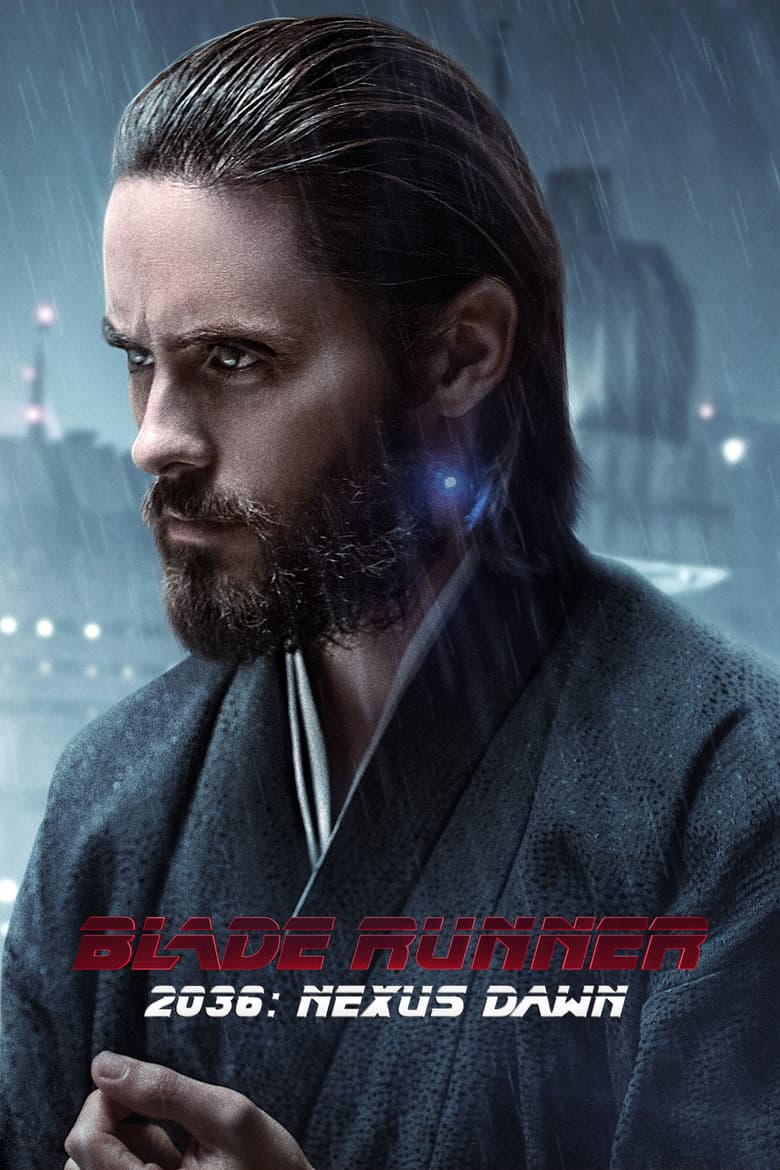
Movie · 2017
This in-world short film takes place in the year 2036 and revolves around Jared Leto’s character, Niander Wallace.
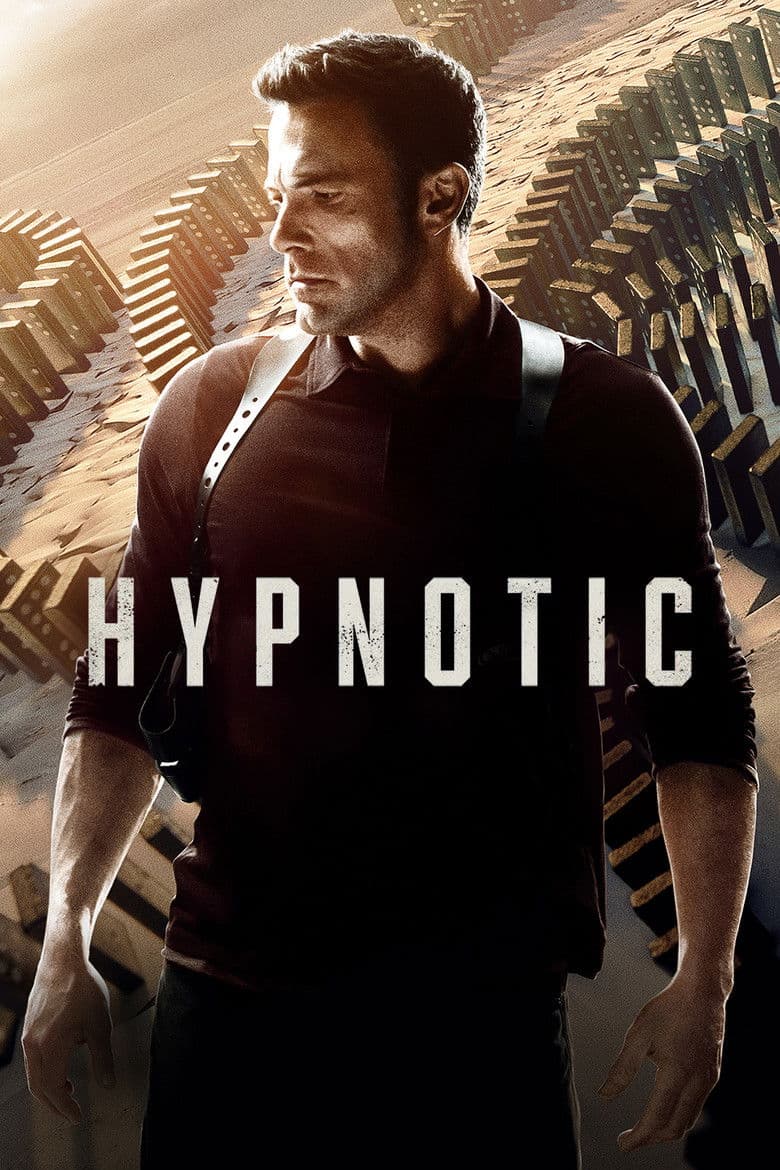
Movie · 2023
A detective becomes entangled in a mystery involving his missing daughter and a secret government program while investigating a string of reality-bending crimes.
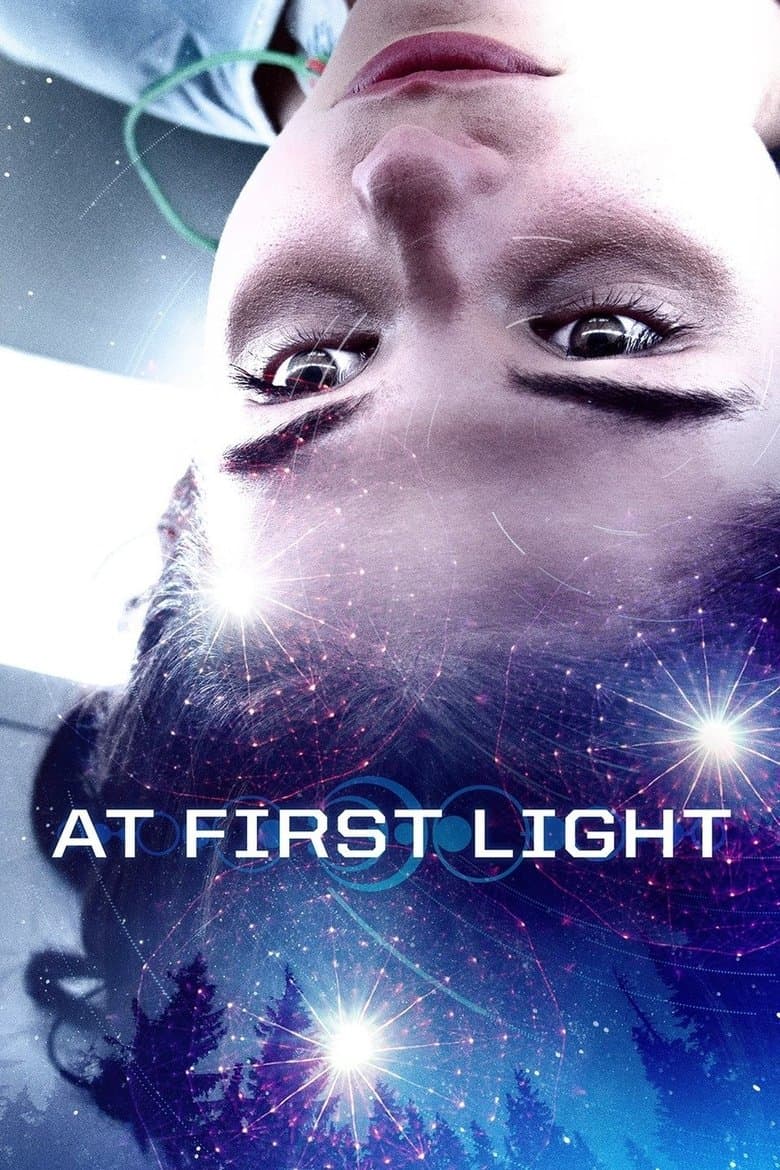
Movie · 2018
High school senior Alex has an encounter with mysterious lights that appear over her small town. She soon develops dangerous, supernatural abilities, and turns to her childhood…
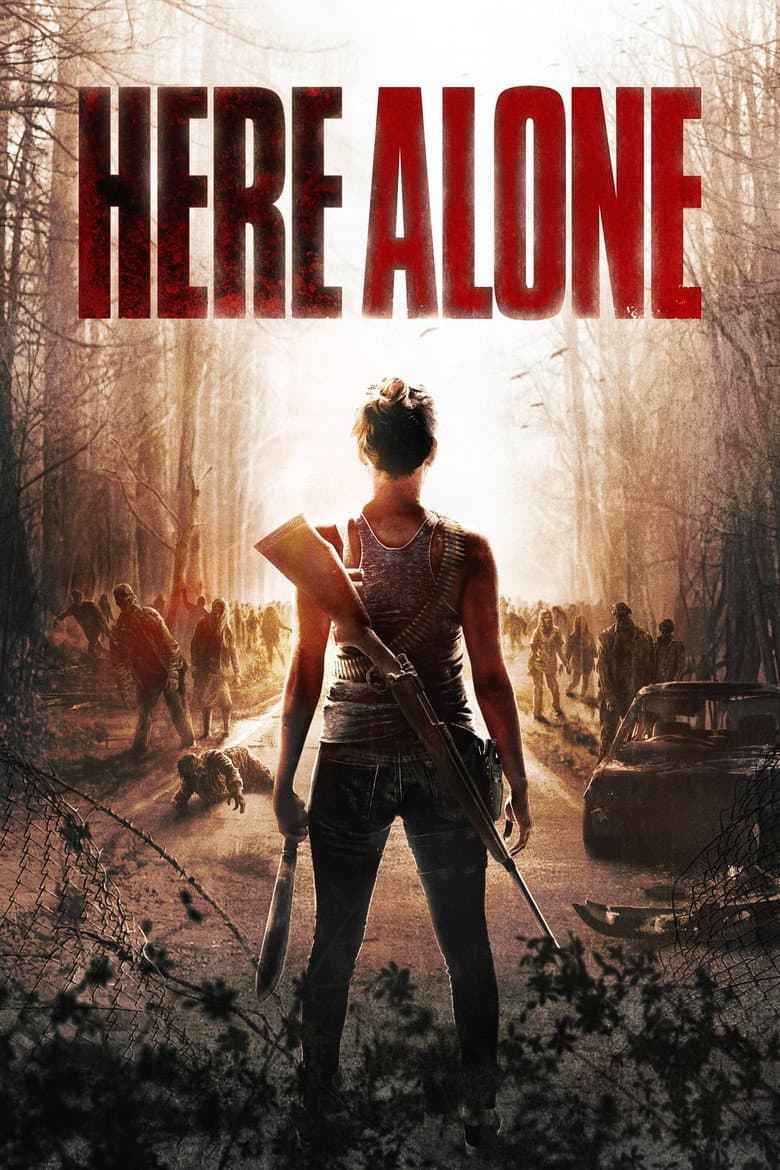
Movie · 2016
A woman struggles to survive on her own in the wake of a mysterious epidemic, which has decimated society and forced her deep into the unforgiving wild.
Movie · 2018
A college student, who sees a UFO, uses his exceptional math skills to investigate the sighting with his friends while the FBI follows closely behind.
Movie · 2024
The infinite playground of forbidden worlds and dangerous lifeforms offered by the sci-fi horror genre will lead to the biggest, maddest, bloodiest V/H/S ever.
Movie · 2025
Two highly trained operatives grow close from a distance after being sent to guard opposite sides of a mysterious gorge.
