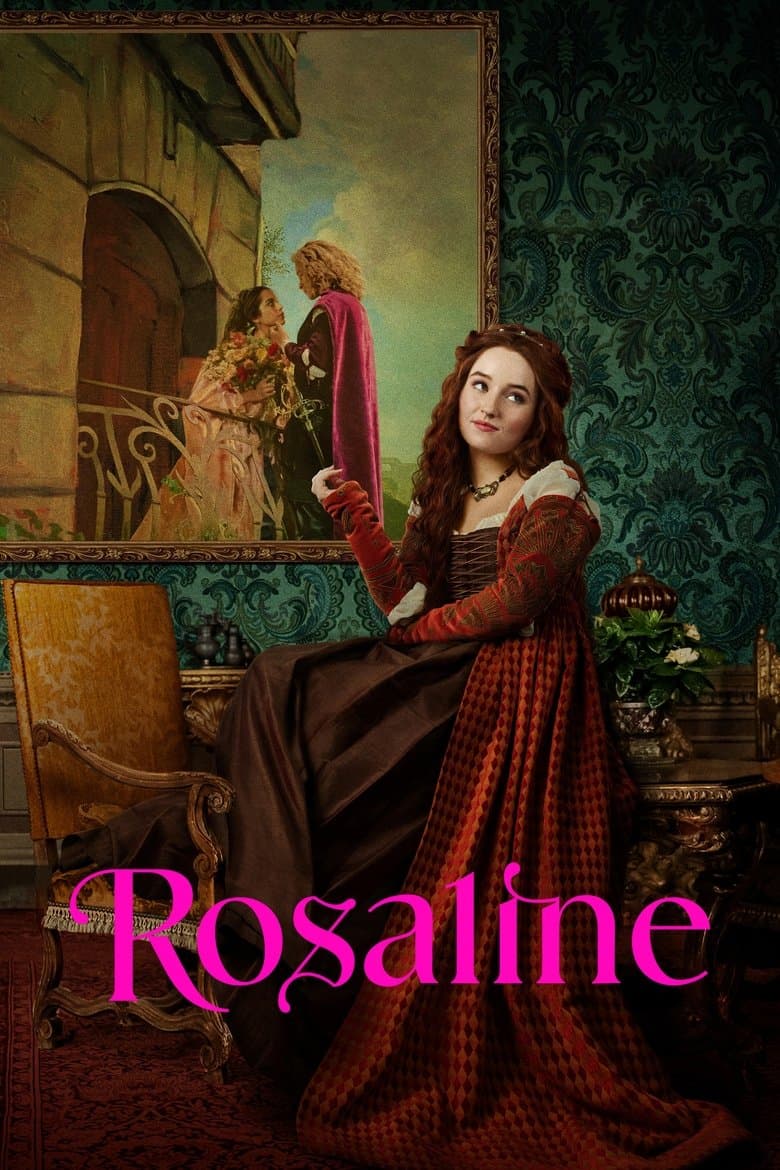
Rosaline is a Capulet girl in old Verona who is secretly dating Romeo. When Romeo falls for her cousin Juliet instead, Rosaline is crushed and tries to break them up so she can get him back. The movie is a light, snarky romance-comedy take on *Romeo and Juliet*, with modern jokes and speech in a fancy old-world setting. Rosaline also meets a sailor named Dario while her father tries to marry her off.
The film clearly pushes modern girl-power and feminist ideas. Rosaline talks back to men, rejects arranged marriage, and wants her own path. Director Karen Maine said she wanted the women “railing against the patriarchy.” Count Paris is rewritten as Rosaline’s gay best friend who pretends to court Juliet to hide that he likes men. Reviews and parent guides call out diverse casting, the gay best-friend role, and girl-boss lines. A normal viewer would notice the sassy modern women, the queer Paris subplot, and the digs at old marriage rules more than a heavy race or politics lecture.
Community feedback
Was our 80% Woke rating accurate?
Breakdown
These are the editorial factors and ratings behind our score for Rosaline.
Woke representation / casting
Period Verona cast includes Latina Juliet (Isabela Merced) and other non-white supporting roles. Count Paris is played as an open gay best friend, which reviews and parent guides flag. Leads Rosaline and Romeo stay white. Diversity plus a clear queer supporting role is easy to notice, not only background.
48%
Woke political dialogue
Characters use modern slang and feminist banter about women being told to stay quiet, forced marriage, and girls choosing their own lives. Girl-power one-liners and a scene where a father is told to stop talking so a woman can speak show up clearly. Not long activist speeches, but the tone is hard to miss.
50%
Identity-driven story themes
The whole plot centers a bold, “ahead of her time” heroine fighting male control and marriage rules. Paris’s gay identity drives a fake-courtship plot. Female friendship and agency sit next to the romance. The queer subplot and feminist core are strong and audience-visible without making the whole movie only about identity.
62%
Western institutional / cultural critique
The film mocks old gender rules, fathers treating daughters as marriage deals, and men who expect quiet wives. It frames traditional marriage pressure as unfair with modern equal-rights energy. That is a present-day critique of old Western family norms, not just generic “rich people are bad” jokes.
55%
Woke character or canon changes
Shakespeare’s Paris becomes a closeted gay man who uses Juliet as a cover. Silent, offstage Rosaline becomes a modern feminist lead who scolds the families and gets a happy ending. Romeo often plays dumb and fickle. These are identity- and gender-politics changes to known characters and the classic tragic end.
64%
Anti-woke backlash and complaints
A few reviews and comments called it a super-woke or girl-boss feminist rewrite; rare “woke garbage” style posts exist. There was no big, lasting anti-woke news fight. Score stays low because complaints were thin and not widespread.
18%
Creator track record context
Director Maine’s prior work and interviews push feminist sexual-autonomy stories and patriarchy critique. Dever as producer has backed LGBTQ+ visibility. Main writers and most producers are mainstream rom-com/commercial names with low activist scores, so the overall crew signal is medium, not extreme.
32%
Production
Movie · 2021
Senior year of high school takes center stage as Lara Jean returns from a family trip to Korea and considers her college plans — with and without Peter.

Movie · 2023
Highly intelligent computer major Zoey Miller is uninterested in romantic love, but her life is turned upside down when Zack, the school's soccer star, gets amnesia and mistakes…

Movie · 2022
Divorced couple Georgia and David find themselves on a shared mission: they team up and travel to Bali to stop their daughter Lily from making the same mistake they once made 25…
Movie · 2016
From Jane Austen’s novella, the beautiful and cunning Lady Susan Vernon visits the estate of her in-laws to wait out colorful rumors of her dalliances and to find husbands for…

Movie · 2017
When a hapless but dedicated talent manager signs his first client who actually has talent, his career finally starts to take off.

Movie · 2016
The story of a young man who arrives in Hollywood during the 1930s hoping to work in the film industry, falls in love, and finds himself swept up in the vibrant café society that…

Movie · 2020
A terminally ill teen upsets her parents when she falls in love with a small-time drug dealer.

Movie · 2020
Lonely college freshman Alex has closed himself off from his peers, who all appear to have this whole "college thing" figured out.
