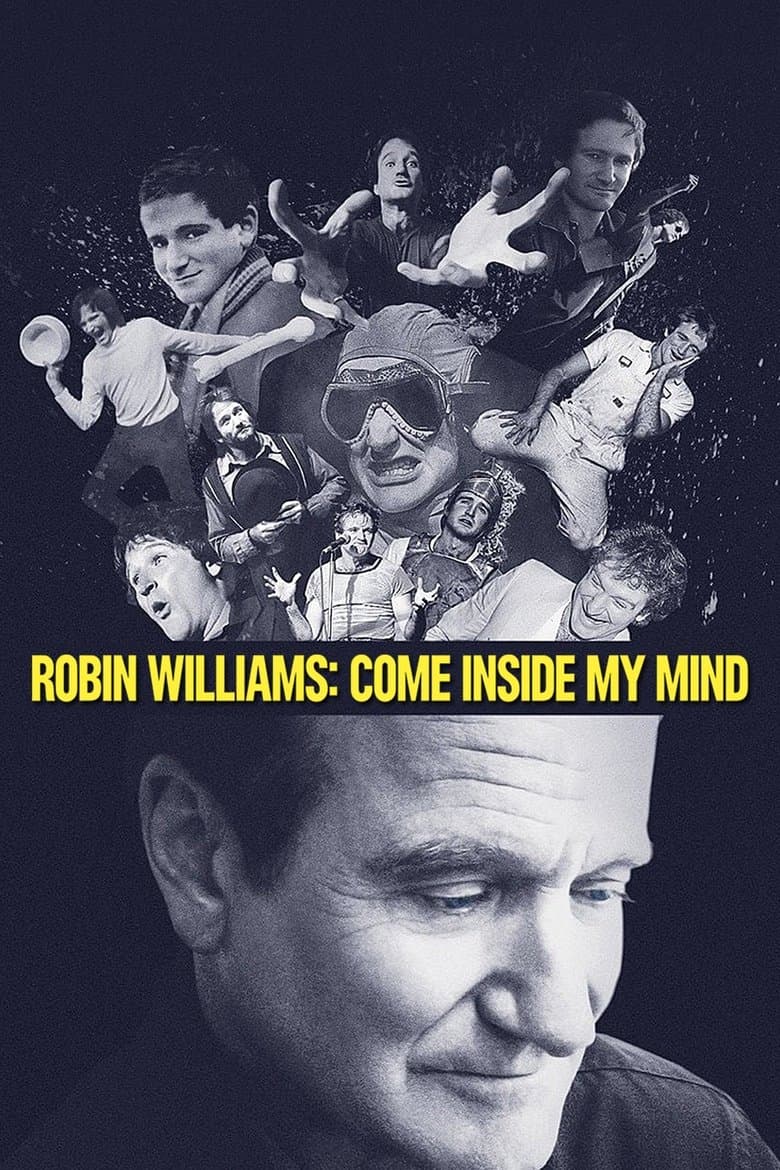
The documentary follows Robin Williams from his quiet childhood and Juilliard acting school to the late-1970s comedy scene in San Francisco and Los Angeles, then to television and film. It uses his old interviews, home movies, stage clips, and talks with family and friends. The main conflict is between his joyful public comic life and the sadness, addiction, pressure, and illness that he kept inside. The tone moves from wild and funny to warm, painful, and deeply sad as it reaches his death in 2014.
The film presents comedy as both his gift and a need for approval. Friends describe how laughter gave him a rush, while family members explain his quiet side and his struggle with drugs, alcohol, and later illness. A short stand-up bit says men make nuclear weapons, says women would make softer bombs, and argues for a woman president. The film treats this as an old joke, not as a main political message.
Community feedback
Was our 24% Woke rating accurate?
Breakdown
These are the editorial factors and ratings behind our score for Robin Williams: Come Inside My Mind.
Woke representation / casting
Not present. The documentary centers real people who knew Robin Williams. It does not frame the mix of family, friends, and comedy peers as a diversity message. The people shown fit the real story being told.
0%
Woke political dialogue
Robin Williams jokes that men make nuclear weapons and says there should be a woman president. The joke links female leadership with fewer wars and male power with danger. The film also shows Comic Relief raising medical aid for homeless people, but that is broad charity. These moments are brief beside the film’s focus on comedy and Williams’s life.
27%
Identity-driven story themes
Not present. The film follows comedy, family, addiction, mental health, fame, friendship, and grief. Those subjects drive the story more than race, sex, sexuality, or activist identity.
0%
Western institutional / cultural critique
The film includes a stand-up bit that treats male power as more likely to cause war and female leadership as safer. Robin Williams uses the joke to argue for a woman president. The documentary does not return to gender roles, male entitlement, or Western institutions as a continuing subject.
16%
Woke character or canon changes
Not relevant. The documentary uses real archive material and interviews. It does not rewrite an established character, source, or historical role.
0%
Anti-woke backlash and complaints
Not present. The supplied X pass found no anti-woke complaints. Web discussion focused on grief, praise, film quality, omitted family details, and old comedy, not woke or DEI messaging.
0%
Creator track record context
Marina Zenovich has a mild record of films about power, public scandal, and gendered treatment. Alex Gibney, Sheila Nevins, Kristen Vaurio, and Blair Foster have worked on projects about institutions, inequality, women, race, or human rights. The remaining producers have little clear identity-focused public record. This mixed background adds context, but the film stays centered on Robin Williams rather than an activist cause.
30%
Production
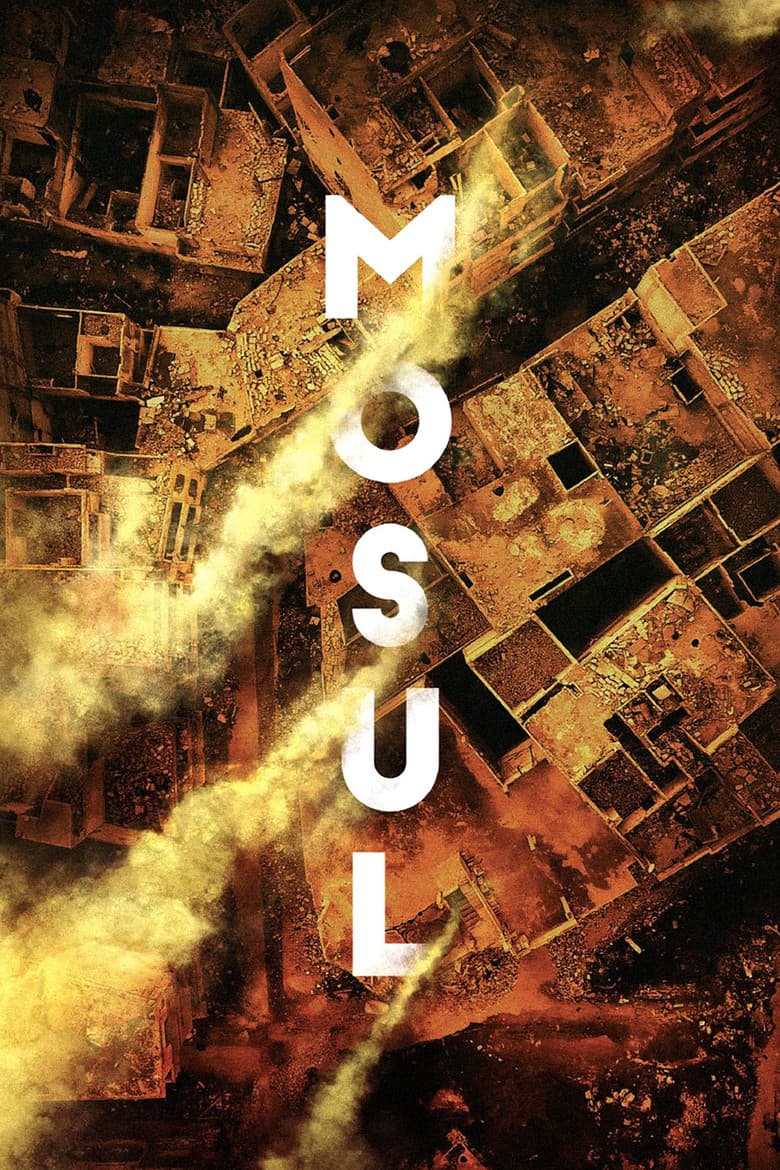
Movie · 2019
An Iraqi journalist joins an army of uneasy allies and unforgettable characters in the epic battle to liberate the city of Mosul from the Islamic State.
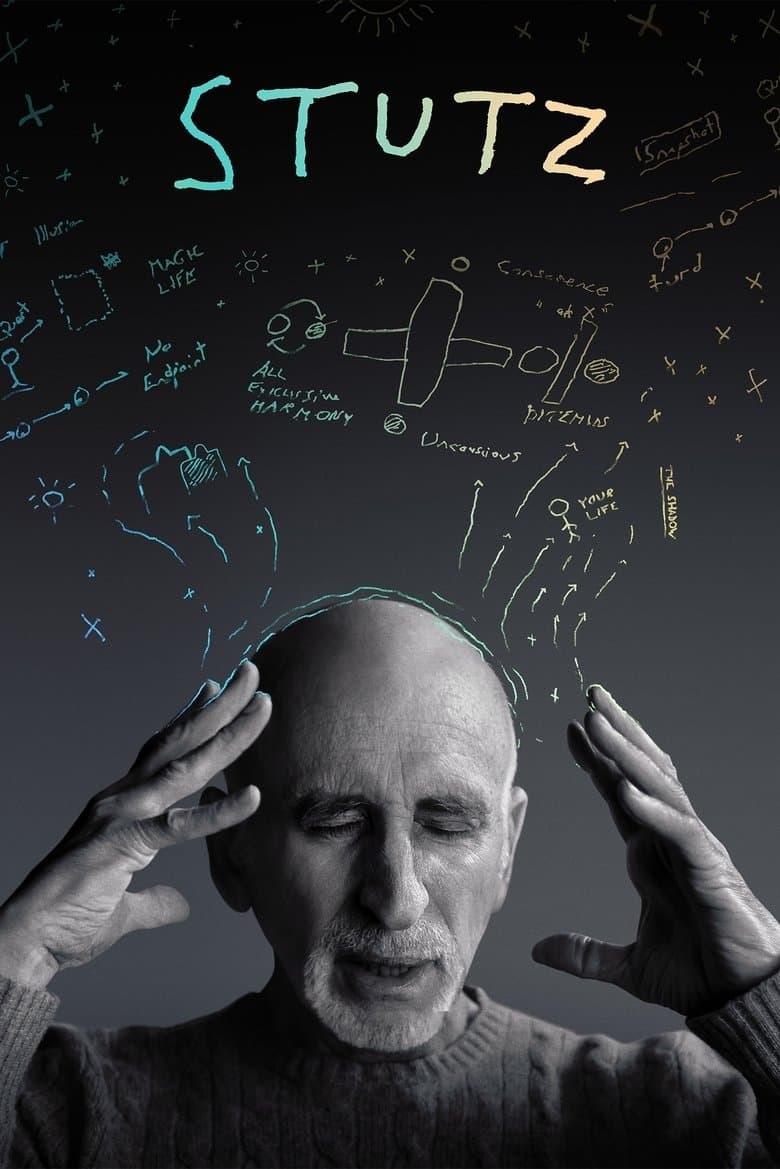
Movie · 2022
In candid conversations with actor Jonah Hill, leading psychiatrist Phil Stutz explores his early life experiences and unique, visual model of therapy.
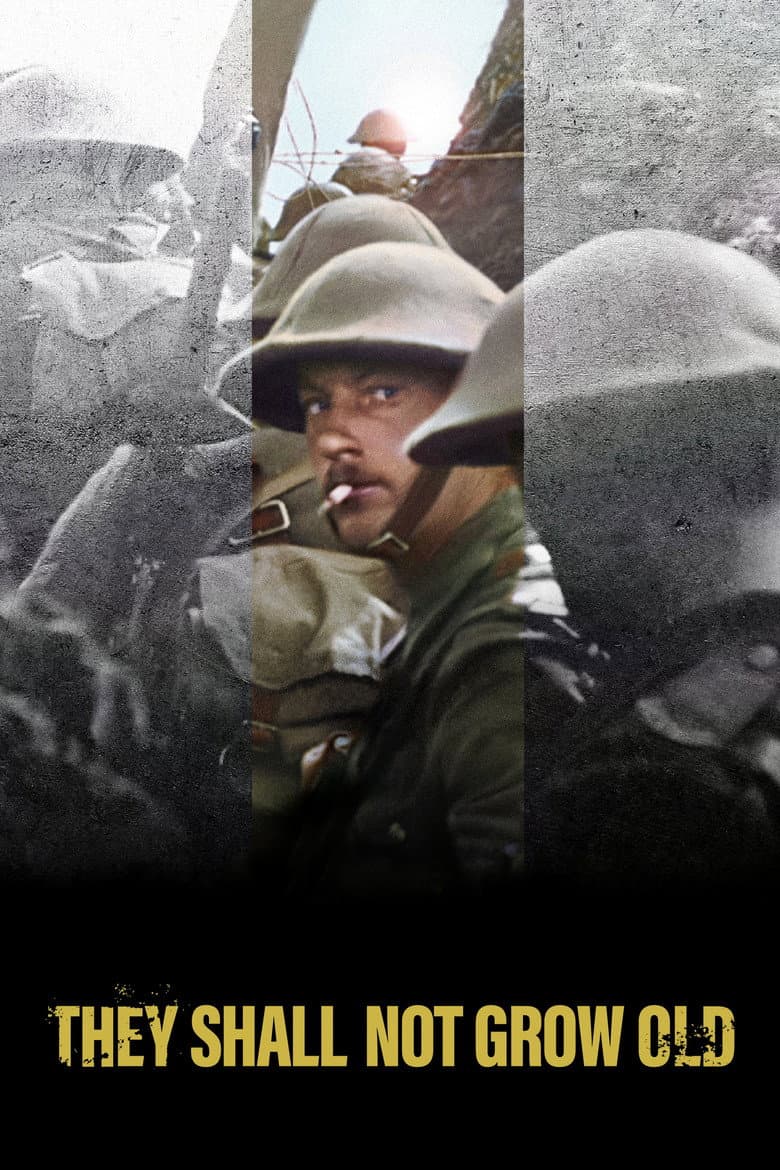
Movie · 2018
A documentary about World War I with never-before-seen footage to commemorate the centennial of Armistice Day, and the end of the war.
Movie · 2016
Werner Herzog's exploration of the Internet and the connected world.
Movie · 2016
Supersonic charts the meteoric rise of Oasis from the council estates of Manchester to some of the biggest concerts of all time in just three short years.
Movie · 2025
Those who knew iconic funnyman John Candy best share his story, in their own words, through never-before-seen archival footage, imagery, and interviews.
Movie · 2017
Documentary about the arena-packing Swedish DJ, chronicling his explosive rise to fame and surprising decision to retire from live performances in 2016.

Movie · 2023
A short kid from a Canadian army base becomes the international pop culture darling of the 1980s—only to find the course of his life altered by a stunning diagnosis.
