
Jen travels to a bright, isolated house in the Moroccan desert with Richard, her rich married boyfriend. His two hunting friends arrive, and one attacks her while the others help hide the crime. Richard then leaves Jen for dead, but she survives and crosses the desert to hunt all three men. The film uses loud colors, harsh sunlight, graphic gore, and a dreamlike action style.
The movie makes Jen's change from a young woman treated as a sex object into a violent survivor the center of the story. It presents male sexual entitlement, victim blame, and the idea that a woman can control her body and still fight back. Jen's body and blood become part of her fight as the camera later shows her in control. The film treats her revenge as a victory over the men who tried to erase her.
Community feedback
Was our 75% Woke rating accurate?
Breakdown
These are the editorial factors and ratings behind our score for Revenge.
Woke representation / casting
The cast centers a young woman as the only main survivor and fighter against three men. The film and its interview coverage frame this choice as female empowerment. The cast does not show a wider diversity pattern or a clear identity-based mismatch with the setting.
18%
Woke political dialogue
Not present. The film has little dialogue and does not include speeches or repeated lines about gender, identity, DEI, or activism.
0%
Identity-driven story themes
Jen is treated as a sex object and then survives an attack by three men. She becomes the strongest and most dangerous person in the story. The film presents her violent revenge as a freeing change and rejects the idea that her clothes or flirtation caused the attack. This female-empowerment message drives the plot from the assault through the final fight.
80%
Western institutional / cultural critique
The three men treat Jen as an object and assume they can control her body. The film shows one man attacking her, one watching without helping, and her boyfriend helping hide the crime. Their behavior presents male entitlement and toxic masculinity as the main social threat. The film does not make a wider claim about capitalism, religion, government, or other Western institutions.
56%
Woke character or canon changes
Not relevant. The film is an original story and does not change an established character, source, or historical figure.
0%
Anti-woke backlash and complaints
Some small X accounts mocked the film as a girlboss fantasy or criticized its female-power message. Metacritic users also called it feminist propaganda or complained that Jen defeats armed men too easily. The reaction was scattered, with no large boycott, review-bombing campaign, or major anti-woke news fight.
25%
Creator track record context
Coralie Fargeat has a strong public record of feminist and anti-misogyny themes. She has also described this film as openly feminist and focused on female power. The producers and casting director have no strong activist profile in the supplied context. The creator context is therefore high mainly because of Fargeat.
66%
Production
Movie · 2017
London, England, April 1980. Six terrorists assault the Embassy of Iran and take hostages. For six days, tense negotiations are held while the authorities decide whether a…
Movie · 2017
Rohan is a kind, happy young man who has been blind since birth and works as a voice-over artist for a living.
Movie · 2018
A logger defends his family from a group of dangerous drug runners.
Movie · 2018
After an unprecedented global pandemic has turned the majority of humankind into violent infected beings, Morgan, a man gifted with the ability to speak the infected's new…
Movie · 2024
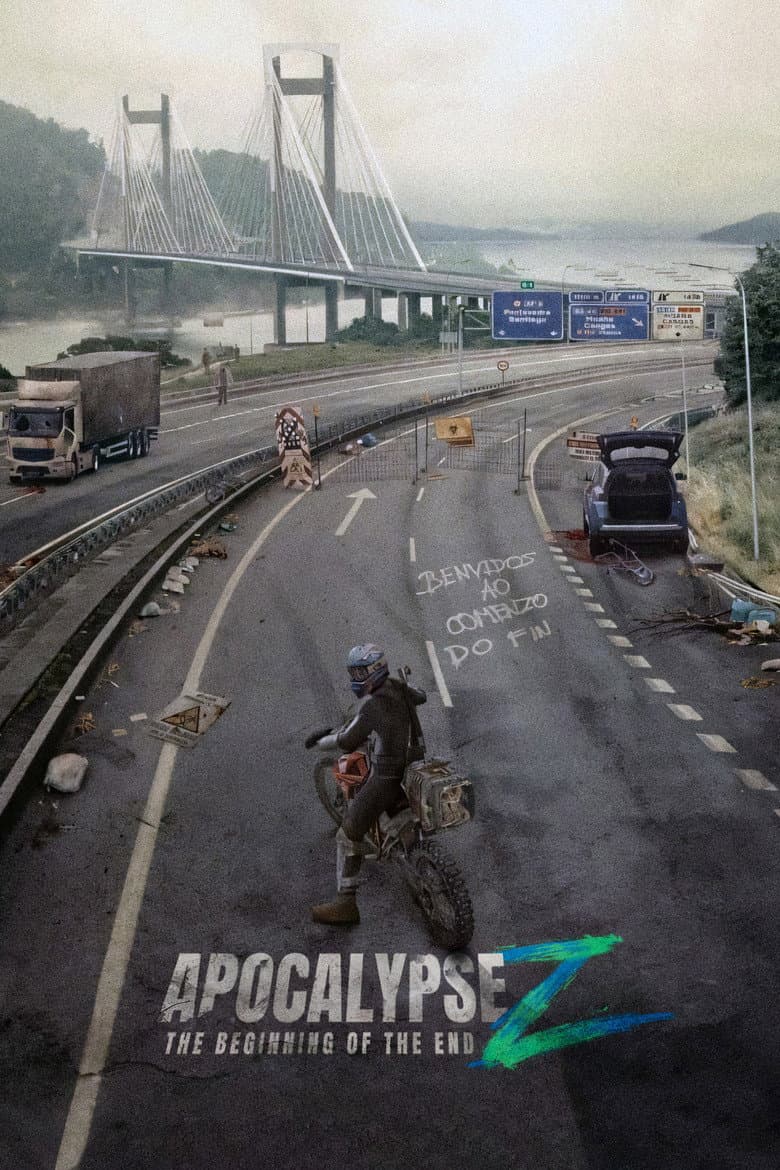
When a kind of rabies that transforms people into aggressive creatures spreads across the planet, Manel isolates himself at home with his cat, relying on his wits to survive; but…
Movie · 2018
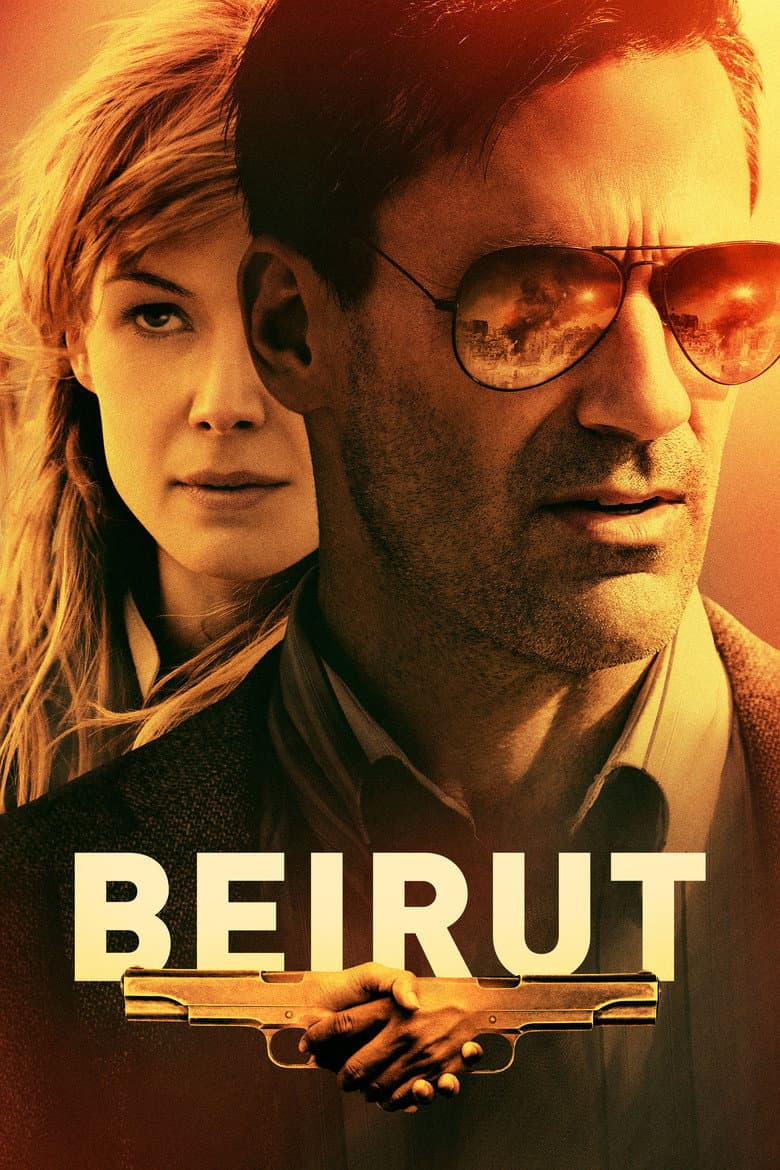
In 1980s Beirut, Mason Skiles is a former U.S. diplomat who is called back into service to save a colleague from the group that is possibly responsible for his own family's death.
Movie · 2017
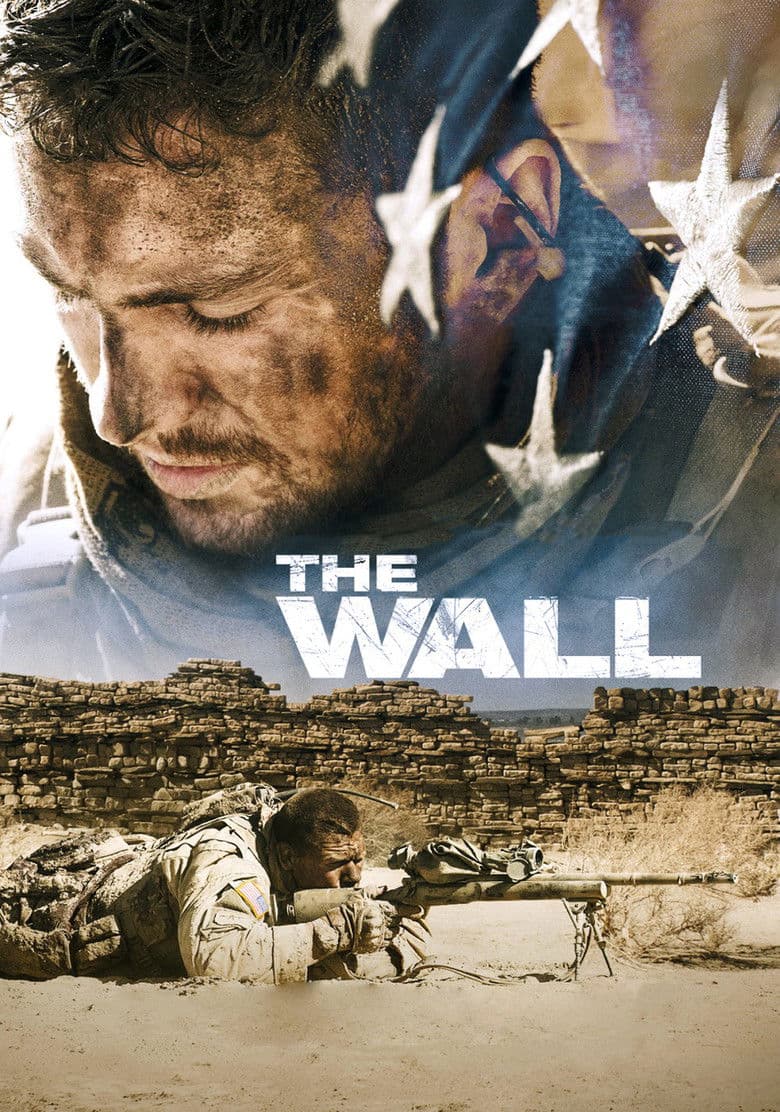
An American sniper and his spotter engage in a deadly cat-and-mouse game with an Iraqi sniper.
Movie · 2016
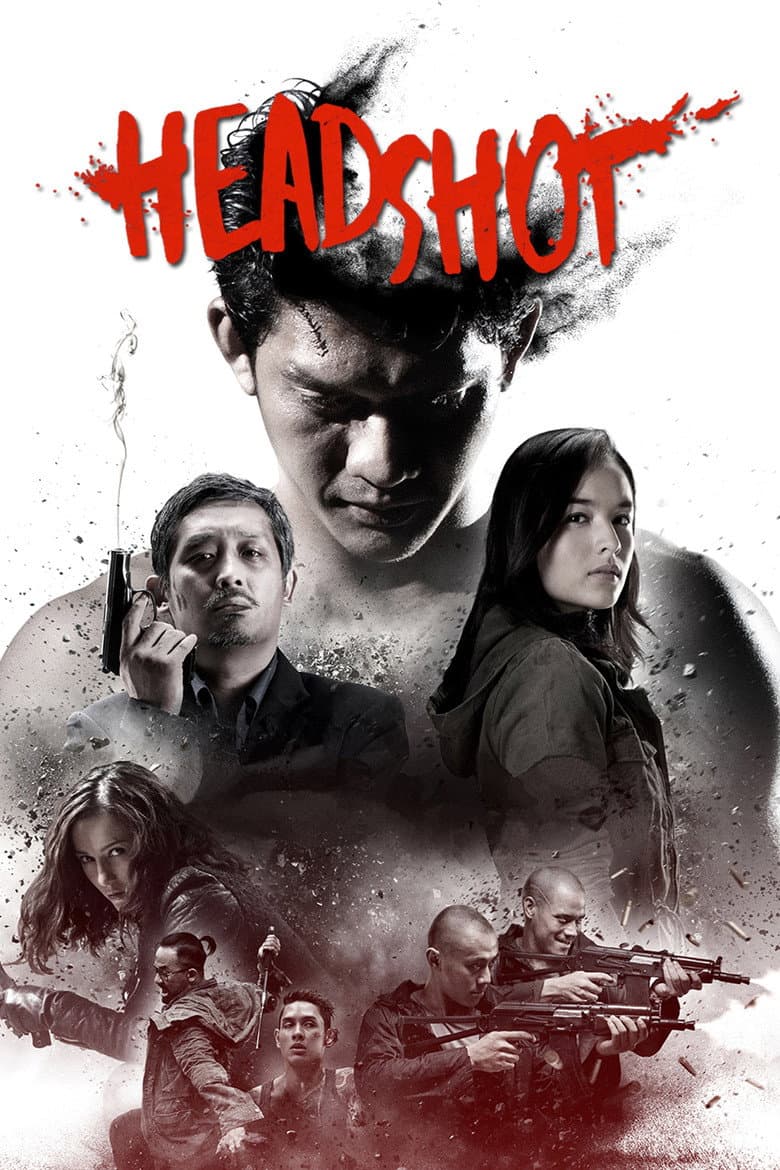
A young man washes ashore, his memory gone - but his past comes back to haunt him after he is nursed back to health and his killing ability is needed when he takes on a powerful…
