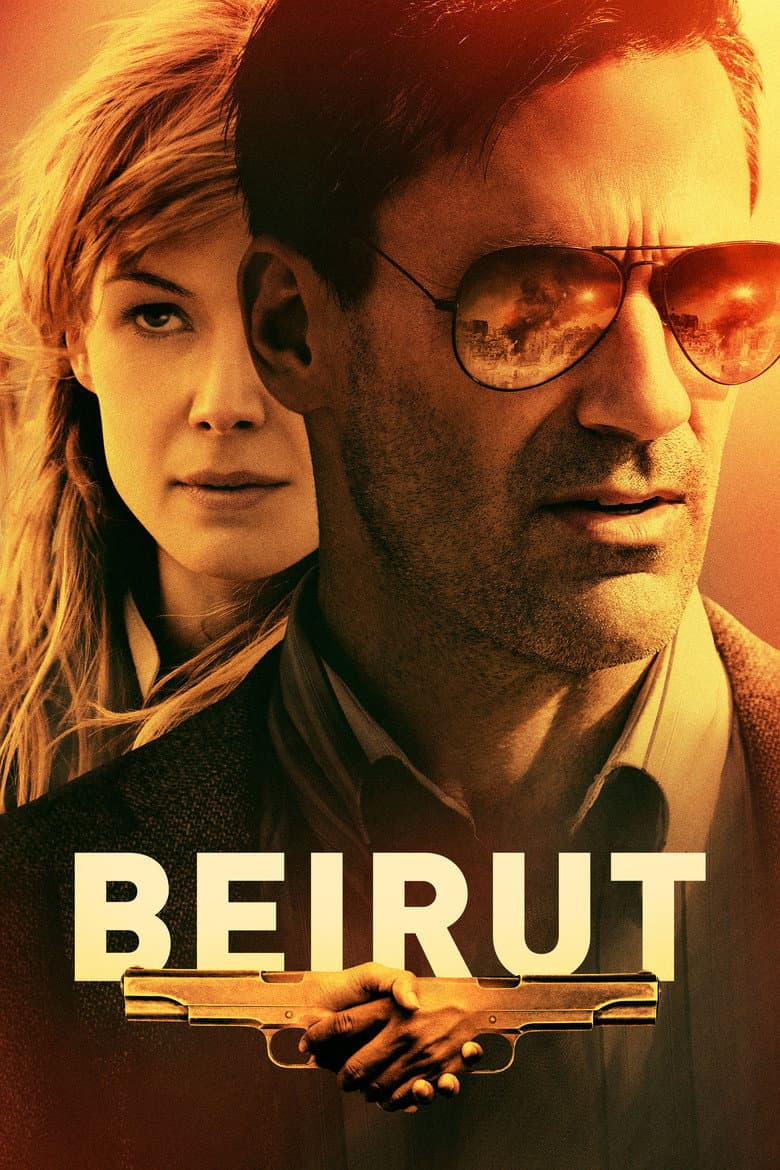
Beirut follows Mason Skiles, a former U.S. diplomat who has lost his wife and his old life. In 1982, the CIA pulls him back into a ruined Beirut to negotiate for Cal Riley, a friend held by a militant group. Mason must trade prisoners and secrets while Israel, Palestinian groups, Lebanese factions, and U.S. officials pursue their own plans. The film has a tense, grim, twist-heavy tone, but Mason solves problems mainly by talking rather than fighting.
The clearest identity-linked element is Sandy Crowder, a woman who works as a secret CIA officer while posing as a cultural aide. Sandy is smart, tough, and independent, and the story gives her control over key parts of the rescue. The film places an American hero at the center of a Lebanese conflict, so the story focuses more on foreign policy and personal guilt than on ordinary Lebanese life. Its main message supports negotiation and peace, while its criticism of U.S. agencies, Israel, and Palestinian factions stays tied to the 1980s conflict.
Community feedback
Was our 30% Woke rating accurate?
Breakdown
These are the editorial factors and ratings behind our score for Beirut.
Woke representation / casting
Sandy Crowder is a prominent woman in the secret CIA team, and the story presents her as sharp, tough, and independent in a male agency. Pike’s interview stresses that Sandy is not there mainly to fall for the handsome male lead, and the film gives her key work in the rescue. Mason remains the center, so this is one visible gender signal rather than a broad diversity-first cast.
24%
Woke political dialogue
Not present. The characters discuss the PLO, Israel, U.S. policy, religion, and the need to negotiate. The dialogue does not push modern identity, DEI, gender-role, or activist ideas.
0%
Identity-driven story themes
Sandy’s work matters more than her romance with Mason, and the story gives her control over major steps in the rescue. The film treats her toughness and career independence as part of her appeal rather than as a problem to fix. Mason remains the main hero, so this gender message is visible but limited.
24%
Western institutional / cultural critique
The film shows U.S. intelligence and State Department officials hiding facts and using allies as tools. The film also shows Israeli and Palestinian leaders making deals that put civilians at risk. The ending links the story to the Israeli invasion and a Reagan peace promise. This is a period foreign-policy critique, not a repeated message about present-day identity, capitalism, religion, or family life.
28%
Woke character or canon changes
Not relevant. The movie is an original spy story, and it does not change an established character or real historical person to make an identity point.
0%
Anti-woke backlash and complaints
Not present. The supplied X pass found no anti-woke reaction, and wider reports focused on Lebanese complaints about stereotypes, the lack of Lebanese actors, and white-savior framing. Those complaints did not say that the film was too woke or too left-wing.
0%
Creator track record context
Tony Gilroy has a supplied score of 40 and is known for political thrillers about government power and moral compromise. Brad Anderson has a supplied score of 12 and no recorded activist pattern. Monica Levinson, Shivani Rawat, and Dixie Chassay have supplied scores from 23 to 49 tied to work for women in film or diversity, while the other listed creators have low or zero supplied scores. This gives the film some political and industry context, but it does not show a strong identity-driven creator pattern.
28%
Production
Movie · 2017
An American sniper and his spotter engage in a deadly cat-and-mouse game with an Iraqi sniper.
Movie · 2017
A fast-talking lawyer transforms his body and takes a vow of silence, not to be broken until he finds out who killed his wife and daughter and has his revenge.
Movie · 2016
As a huge electrical storm sweeps towards Texas, lineman Beau Ginner is haunted by memories of his brother's death by lightning years earlier.
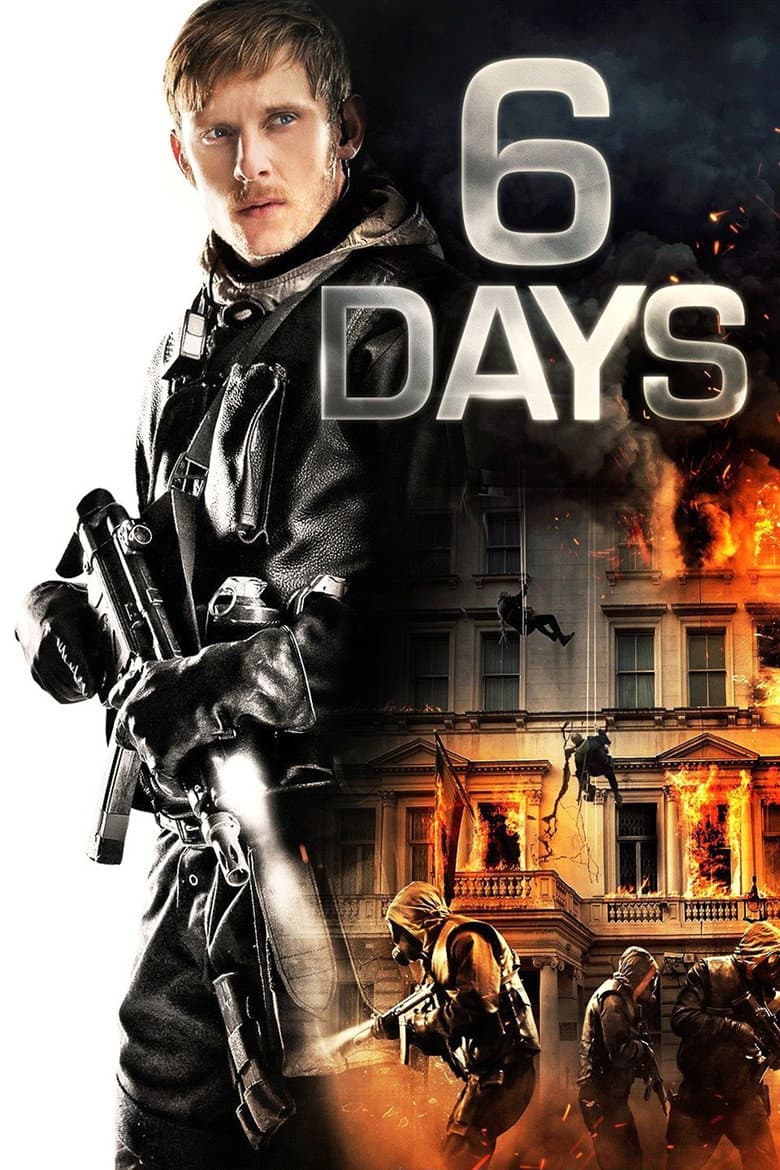
Movie · 2017
London, England, April 1980. Six terrorists assault the Embassy of Iran and take hostages. For six days, tense negotiations are held while the authorities decide whether a…
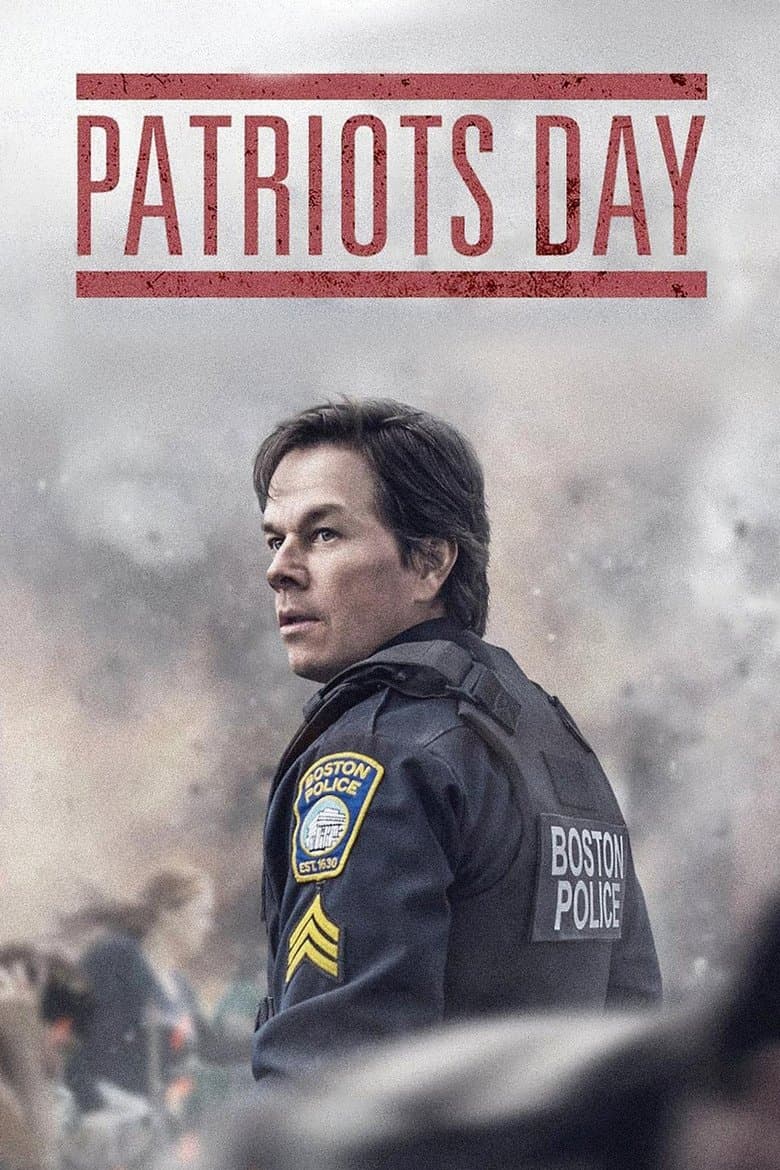
Movie · 2016
In the aftermath of an unspeakable act of terror, Police Sergeant Tommy Saunders joins courageous survivors, first responders and investigators in a race against the clock to hunt…
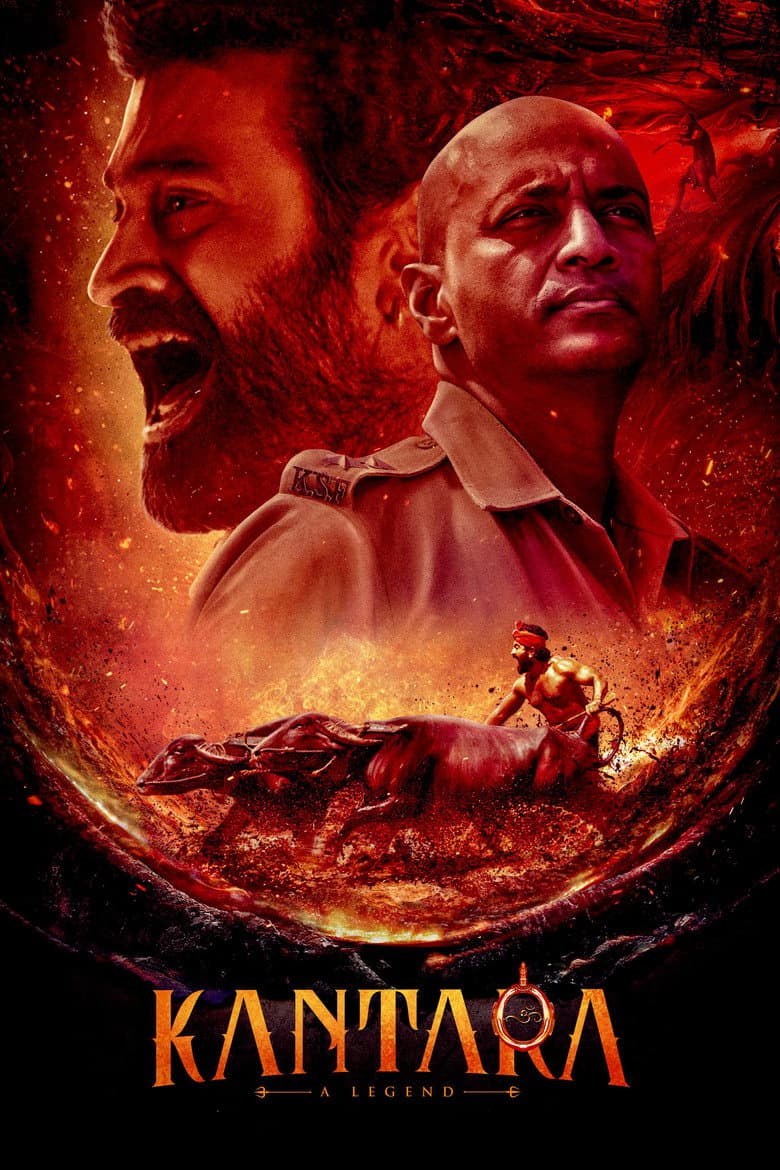
Movie · 2022
Shiva, a tribal vagabond lives with his mother in hamlet, stays away from the traditional Daivaradhane and Bhoota Kola legacy due to an unforgettable childhood incident.

Movie · 2016
In the fourth installment of the fighting franchise, Boyka is shooting for the big leagues when an accidental death in the ring makes him question everything he stands for.

Movie · 2025
A broker of lucrative payoffs between corrupt corporations and the individuals who threaten them breaks his own rules when a new client seeks his protection to stay alive.
