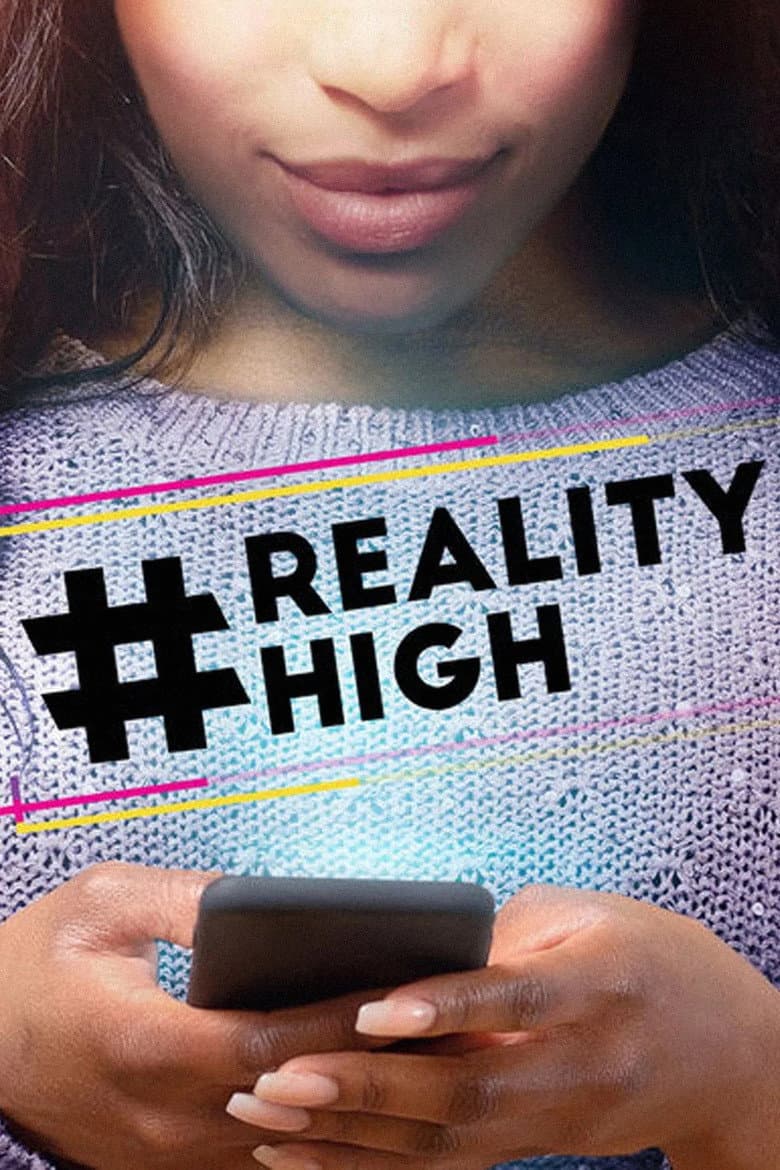
#RealityHigh is a teen comedy set at a California high school. Dani Barnes is a smart senior who wants a scholarship to study animal care at UC Davis. She has loved Cameron, a popular swimmer, since childhood, but his ex-girlfriend Alexa controls the school through her online fame. When Alexa pulls Dani into parties, shopping, and constant posts, Dani risks her grades, friendships, and good name. The movie uses a bright, silly tone while showing how quickly online attention can turn into bullying.
The film gives its central romance to two Black teenagers, while the main school group includes Latino, Asian, and other non-white students. A short final scene reveals that Miguel and Vinny are a couple, and the movie treats their kiss as an ordinary part of school life. Dani's story also uses self-acceptance and a warning against changing yourself for popularity, but it does not build the plot around race, gender politics, or activism. The main message concerns honesty, friendship, animal rescue, and the harm caused by chasing likes, so the identity-focused material stays visible but secondary.
Community feedback
Was our 37% Woke rating accurate?
Breakdown
These are the editorial factors and ratings behind our score for #realityhigh.
Woke representation / casting
The film places black actors Nesta Cooper and Keith Powers in the central romance. The main school group also includes a Latina rival, Asian students, and a gay couple. Fernando Lebrija described the cast as very diverse, which makes diversity part of the film's public appeal. The mix is visible across several important roles, but the plot does not turn those identities into a larger message.
48%
Woke political dialogue
Not present. The film has a one-line Hillary Clinton joke and a joke about disability law, but neither one argues for an identity or activist cause. Most dialogue concerns school, dating, money, sports, and social media.
0%
Identity-driven story themes
The film includes a short, positive same-sex relationship when Miguel and Vinny kiss at the end. The story also gives Dani a black female lead who learns to accept herself instead of copying Alexa. Dani's lesson is about honesty, friendship, and online fame, not a race or gender campaign. The queer and self-acceptance material is visible but secondary to the teen romance and bullying plot.
22%
Western institutional / cultural critique
Not present. The film criticizes online popularity, bullying, and shallow school status. It does not turn that warning into an activist attack on men, family, Christianity, traditional gender roles, or Western institutions.
0%
Woke character or canon changes
Not relevant. The movie is an original teen story with no established character, source, or historical figure changed.
0%
Anti-woke backlash and complaints
Not present. The supplied X pass found no anti-woke complaints, boycott talk, or review bombing. Reviewed audience and entertainment coverage focused on plot quality, drinking, social media, and general teen content rather than woke or DEI messaging. The evidence is thin, but no qualifying backlash was located.
0%
Creator track record context
Fernando Lebrija has a moderate record of calling for more Latino chances in Hollywood. Jane Fleming has a strong record of supporting women's representation and gender equality in the film industry. The three writers have low to modest public activist records, and the other producers have little documented identity-politics work. The group gives the film a moderate background signal, but it does not show a strong activist pattern across the whole team.
34%
Production
Movie · 2022
Exploring every facet of ‘Weird Al’ Yankovic’s life, from his meteoric rise to fame with early hits like ‘Eat It’ and ‘Like a Surgeon’ to his torrid celebrity love affairs and…
Movie · 2023
From his onstage tackle to the slap heard round the world, Dave Chappelle lets loose in this freewheeling and unfiltered stand-up comedy special.
Movie · 2023
A chaotic intervention. An action-packed stay in rehab. After a weird couple of years, John Mulaney comes out swinging in his return to the stage.
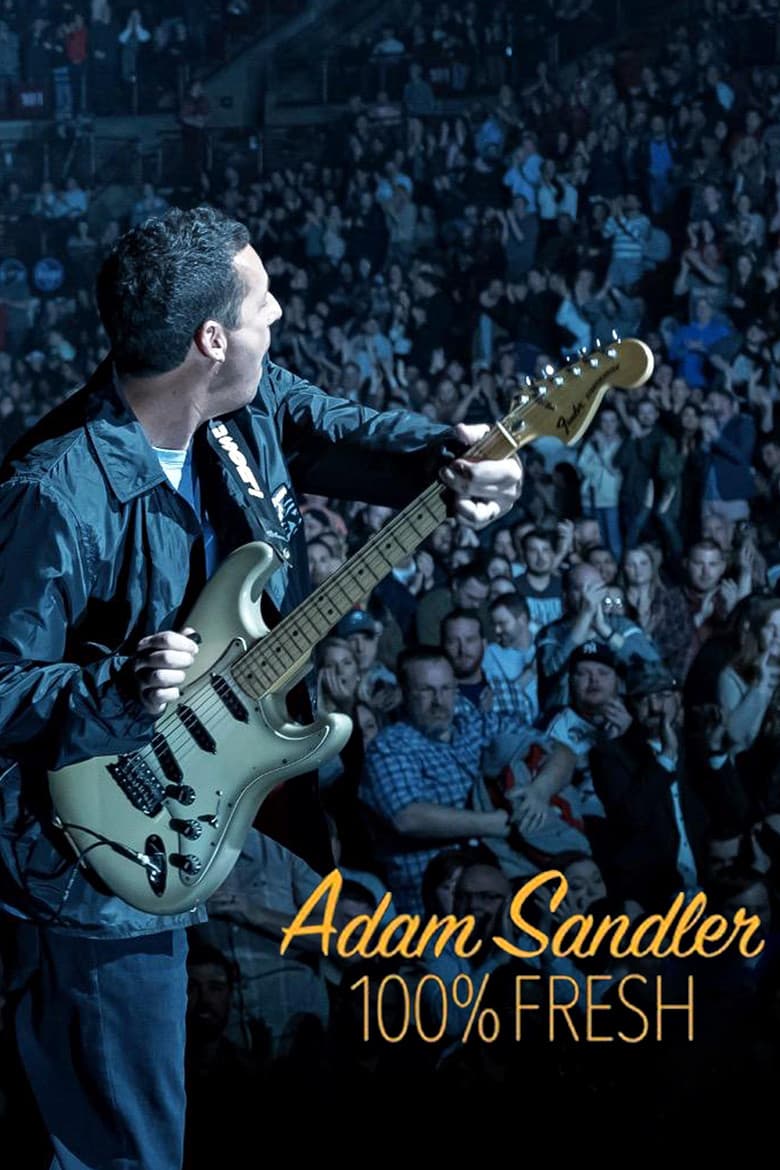
Movie · 2018
Adam Sandler takes his comical musical musings back out on the road, from comedy clubs to concert halls to one very unsuspecting subway station.
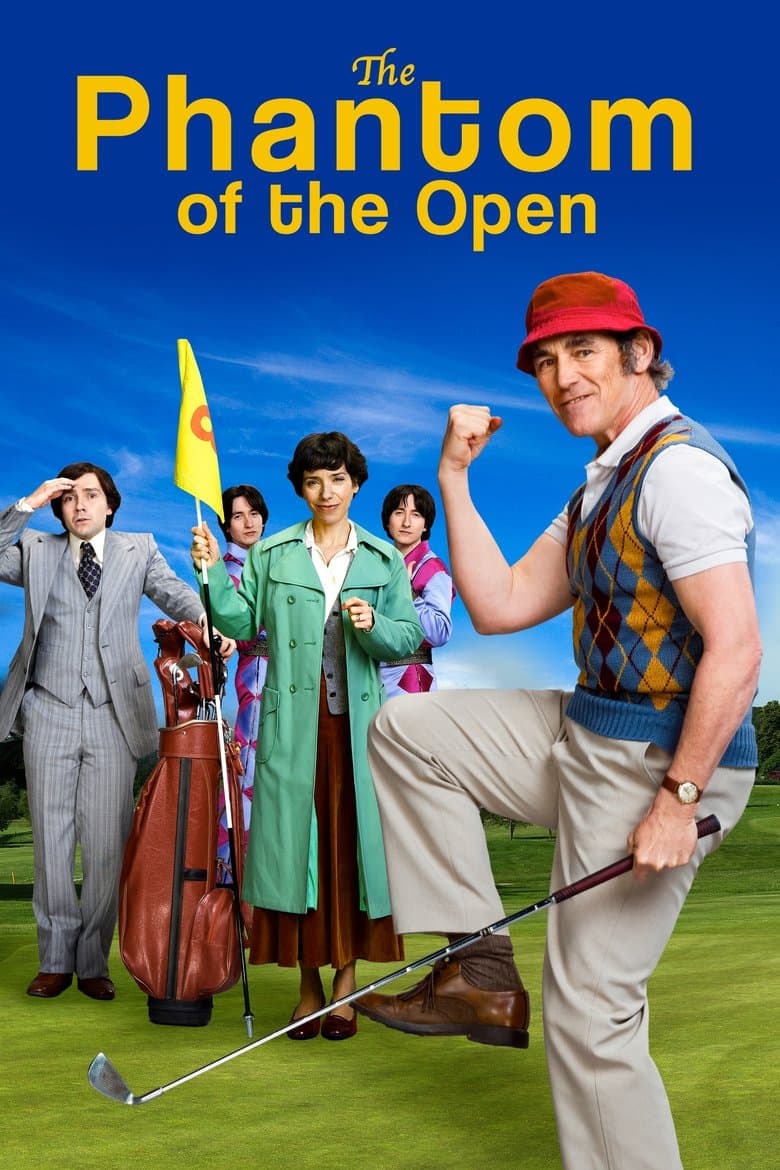
Movie · 2022
Maurice Flitcroft, a dreamer and unrelenting optimist, managed to gain entry to The British Open Golf Championship qualifying in 1976 and subsequently shot the worst round in Open…
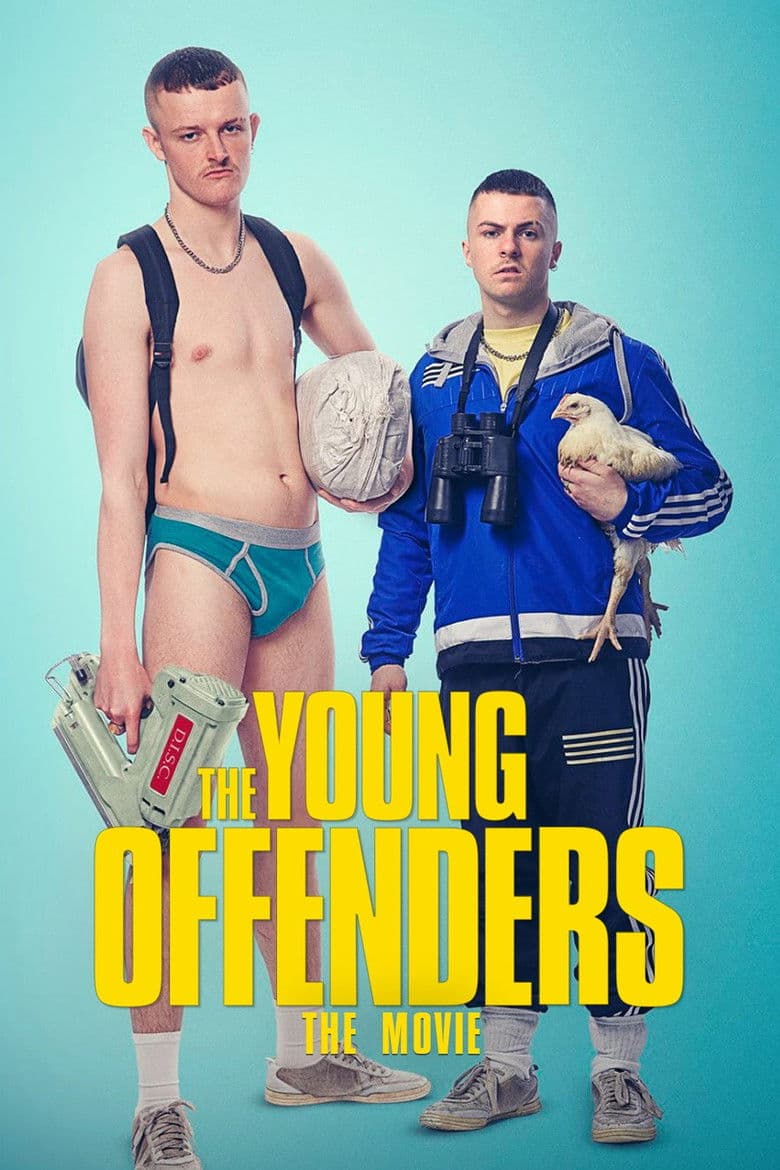
Movie · 2016
Two teenage boys from inner-city Cork steal bicycles and ride off on a 160km quest to find an unrecovered bale of cocaine worth 7,000,000 euros.
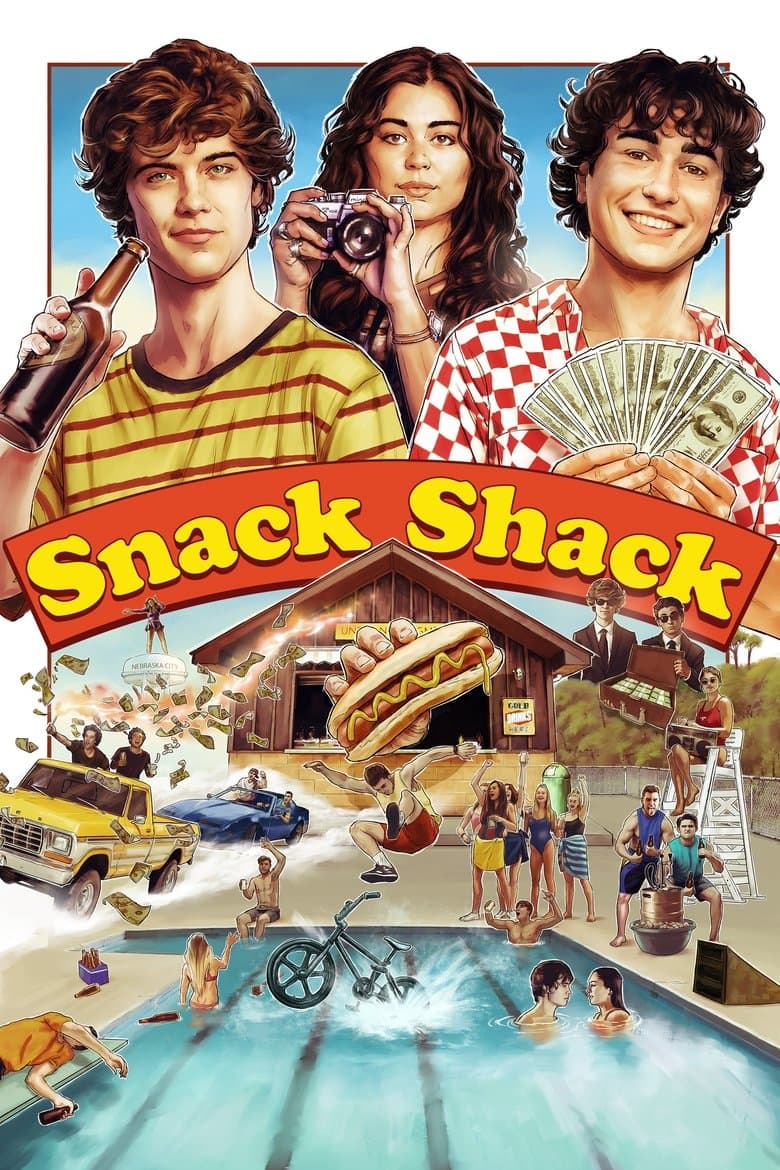
Movie · 2024
Inseparable best friends AJ and Moose decide to run the local pool's snack shack after their plan to sell home-brewed beer goes down the drain.
Movie · 2016
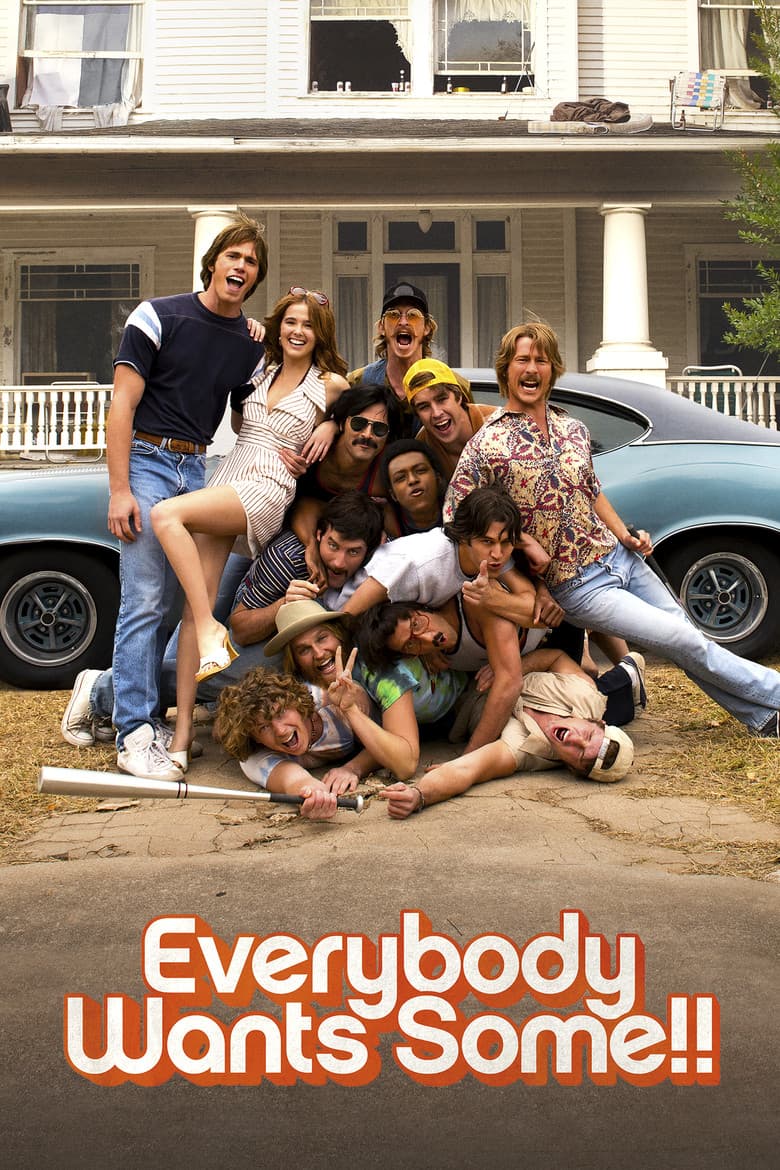
A comedy that follows a group of friends as they navigate their way through the freedoms and responsibilities of unsupervised adulthood.
