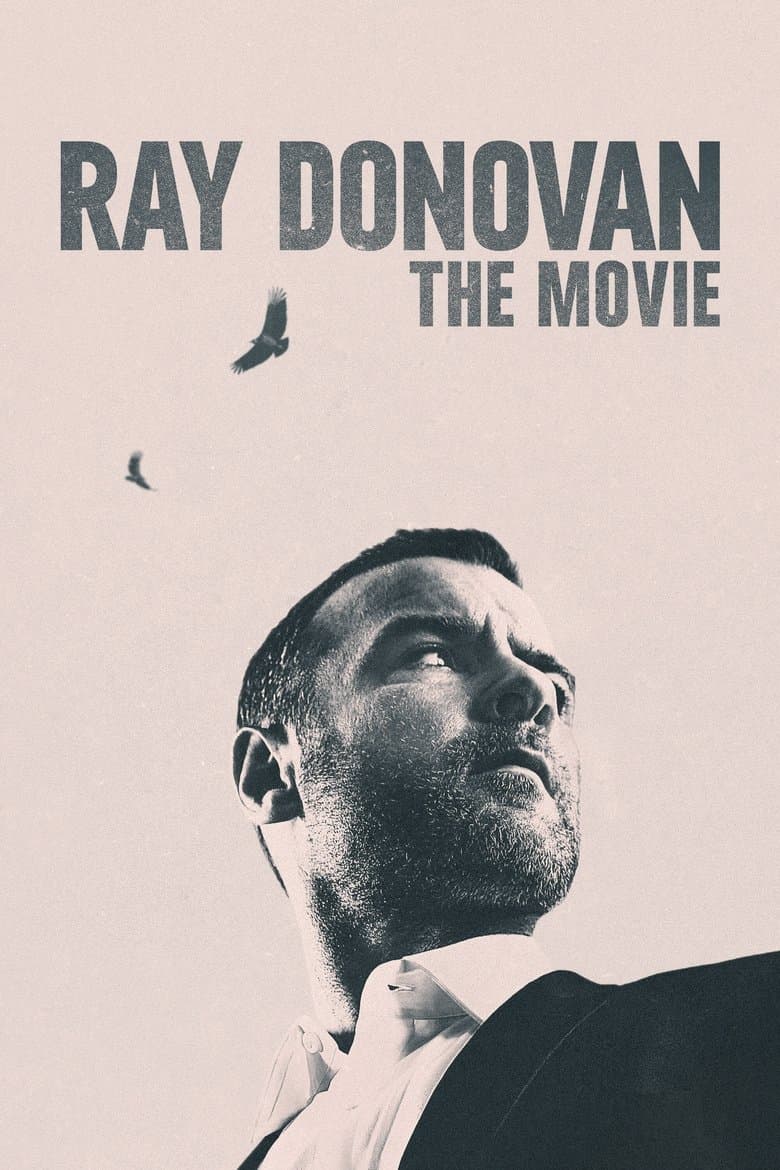
Ray Donovan is a private fixer who cleans up crimes for rich and famous clients. After a deadly mess caused by his father Mickey, Ray follows him from New York back to Boston. Ray wants to stop Mickey, but the trip forces him to face the abuse, loss, and violence that shaped his life. The film is dark, bloody, and sad, with family loyalty at its center.
Ray's daughter Bridget becomes central to the final choice, and Ray must face the damage his father passed to him. The film keeps Daryll as Mickey's Black son and Lena as Ray's established lesbian assistant, but neither identity becomes the main subject. The strongest social idea is that fathers can pass pain to their children when they hide fear and grief. The story ties Ray's damage to abuse by a Catholic priest, but it keeps that issue tied to his personal history and family violence.
Community feedback
Was our 21% Woke rating accurate?
Breakdown
These are the editorial factors and ratings behind our score for Ray Donovan: The Movie.
Woke representation / casting
Not present. The film keeps the established cast and family roles from the series. Daryll's identity fits his family history, and the movie does not present the casting as a diversity message.
0%
Woke political dialogue
Not present. The dialogue centers on crime, family loyalty, grief, violence, money, and trauma. It contains no modern DEI, gender, or identity-politics message.
0%
Identity-driven story themes
The film treats Ray's tough, silent way of living as part of the harm passed from father to son. Ray must face abuse, grief, and guilt instead of solving every problem with violence. Bridget pushes him to stop repeating the family pattern. The movie presents this as a family trauma story, not as a wider message about gender or identity.
26%
Western institutional / cultural critique
The film revisits Ray's abuse by a Catholic priest and shows how that wound shaped his distrust and violence. Ray's memories make the church part of the family's painful past. The movie does not turn this into a broad attack on Christianity or other Western institutions. The criticism stays tied to one priest and Ray's personal history.
17%
Woke character or canon changes
Not relevant. The movie continues the established characters from the series. No identity-related change to a character, real person, or historical event drives the story.
0%
Anti-woke backlash and complaints
Not present. The reported fan campaign asked Showtime to finish the canceled series, not to oppose woke or DEI content. Reviews focused on closure, pacing, and the film's short length. The separate X check also found no anti-woke complaints.
0%
Creator track record context
Liev Schreiber has publicly supported his transgender child and causes that help people affected by war. Producer Jason Weinberg supports LGBTQ families through Family Equality. David Hollander and most of the other listed producers have little public record of identity activism. The film's own interviews focus on inherited pain, family violence, and closure.
19%
Production
Movie · 2025
Two of New York's most notorious organized crime bosses, Frank Costello and Vito Genovese, vie for control of the city's streets.
Movie · 2021
When the aging Meyer Lansky is investigated one last time by the Feds who suspect he has stashed away millions of dollars over half a century, the retired gangster spins a…
Movie · 2019
Ulrich Mott is an eccentric and versatile social climber with grandiose plans to affect United States foreign policy.
Movie · 2018
On the night she plans on taking her own life, 17-year-old 'Lisa McVey' is kidnapped and finds herself fighting to stay alive and is raped.
Movie · 2019
In New York, former convict Pete Koslow, related to the Polish mafia, must deal with both Klimek the General, his ruthless boss, and the twisted ambitions of two federal agents…
Movie · 1994
Imprisoned in the 1940s for the double murder of his wife and her lover, upstanding banker Andy Dufresne begins a new life at the Shawshank prison, where he puts his accounting…
Movie · 2026
After his estranged son gets embroiled in a Nazi plot, self-exiled gangster Tommy Shelby must return to Birmingham to save his family — and his nation.
Movie · 2021
The seemingly casual reunion of three old friends at an out-of-the-way repair shop masks a hidden agenda fuelled by the arrival of a privileged young yuppie.
