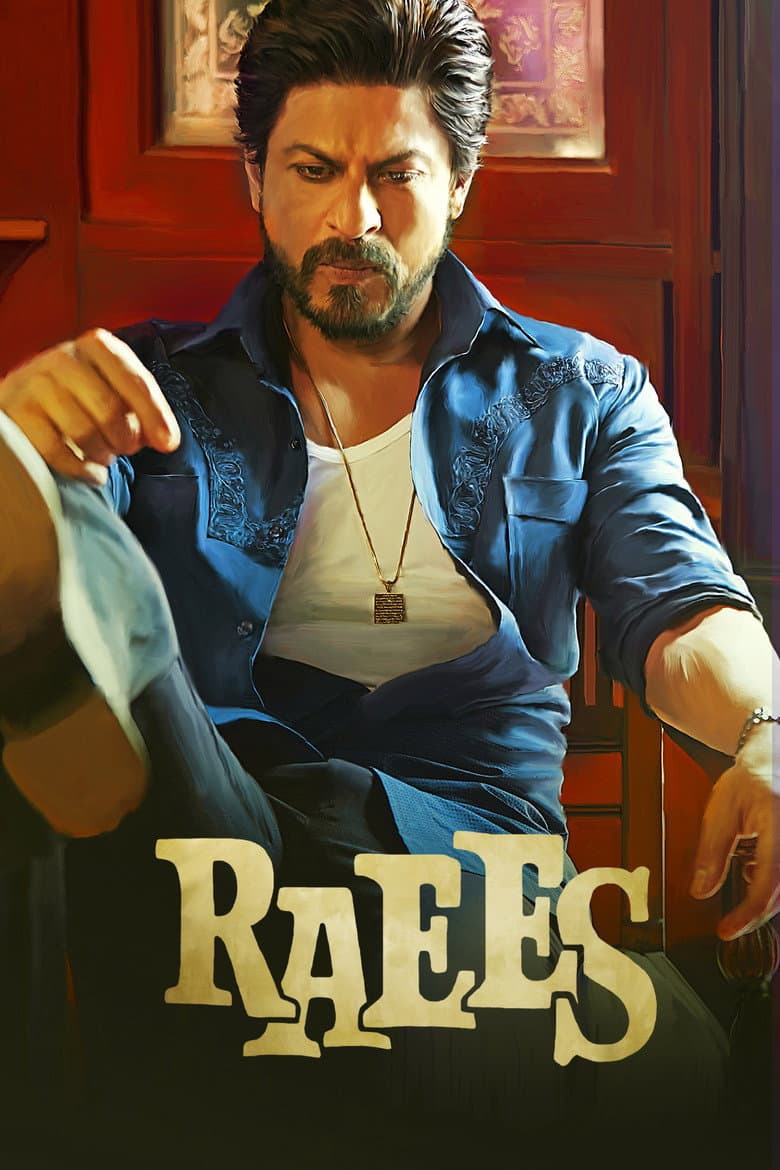
Raees follows a poor boy who grows into Gujarat’s biggest bootlegger over several decades. He builds power by moving illegal alcohol through a dry state, then uses his money and local loyalty to protect his neighborhood. ACP Majmudar, an honest police officer, spends years trying to stop him. The film mixes crime, romance, sharp jokes, songs, and loud action with a darker story about power and guilt.
The film makes Raees’s Muslim identity a clear part of the story, not a hidden detail. His mother teaches him that work matters more than religious labels, and he says business should not be divided between Hindus and Muslims. He helps people from both communities, but a Mumbai gangster tricks him into carrying explosives for a terrorist attack, so the story separates ordinary Muslims from violent extremists. These ideas return during his rise, his political links, and his final fight, but the main focus stays on the gangster’s fall and the long chase with the police.
Community feedback
Was our 41% Woke rating accurate?
Breakdown
These are the editorial factors and ratings behind our score for Raees.
Woke representation / casting
Not present. The Muslim lead and female lead fit the characters and setting. The film does not present its casting as a diversity goal.
0%
Woke political dialogue
Raees says that business has no Hindu-Muslim divide. The line presents cross-religious dealings as a good thing. The film also links religious identity to the later terrorist plot and Raees’s choice to reject that work. These points are clear but appear in a small number of scenes inside a long crime story.
28%
Identity-driven story themes
Raees is openly Muslim, and his faith appears in religious scenes, family life, and the way other characters discuss him. The story treats his care for Hindu and Muslim neighbors as part of his Robin Hood image. A Mumbai gangster uses him in an explosives plot, and Raees later turns against that plan. The film therefore makes a repeated point that Muslim identity does not equal terrorism, although the crime rise and police chase remain the main plot.
48%
Western institutional / cultural critique
Not present. The film criticizes corrupt Indian politicians and police. It does not frame that conflict around Western institutions, toxic masculinity, gender roles, Christianity, or anti-conservative social norms.
0%
Woke character or canon changes
Not relevant. Raees is presented as a fictional character. The film does not change a known character or established historical role.
0%
Anti-woke backlash and complaints
Not present. Reported objections targeted alleged criminal glorification, Pakistani casting, nationalism, and religious concerns. The separate X check found no anti-woke complaints.
0%
Creator track record context
The director has a recurring record of stories about communal violence, minorities, and public institutions. Producer Farhan Akhtar has a long public record on gender equality, and Ritesh Sidhwani has backed stories about LGBTQ people and marginalized groups. Casting director Honey Trehan often supports outsider, regional, and minority talent. Other supplied creator profiles show little activist context. This creates a moderate creator track record signal.
52%
Production
Movie · 2020
A reformed hunter becomes involved in a deadly game of cat and mouse when he and the local sheriff set out to track a vicious killer who may have kidnapped his daughter years ago.

Movie · 2022
A disgraced ex-cop seeks solace by moving to the woods, but his quiet life comes to an end when a private eye recruits him to investigate the murder of an eccentric TV star's wife.
Movie · 2008
Batman raises the stakes in his war on crime. With the help of Lt. Jim Gordon and District Attorney Harvey Dent, Batman sets out to dismantle the remaining criminal organizations…
Movie · 2020
Marcus and Mike are forced to confront new threats, career changes, and midlife crises as they join the newly created elite team AMMO of the Miami police department to take down…
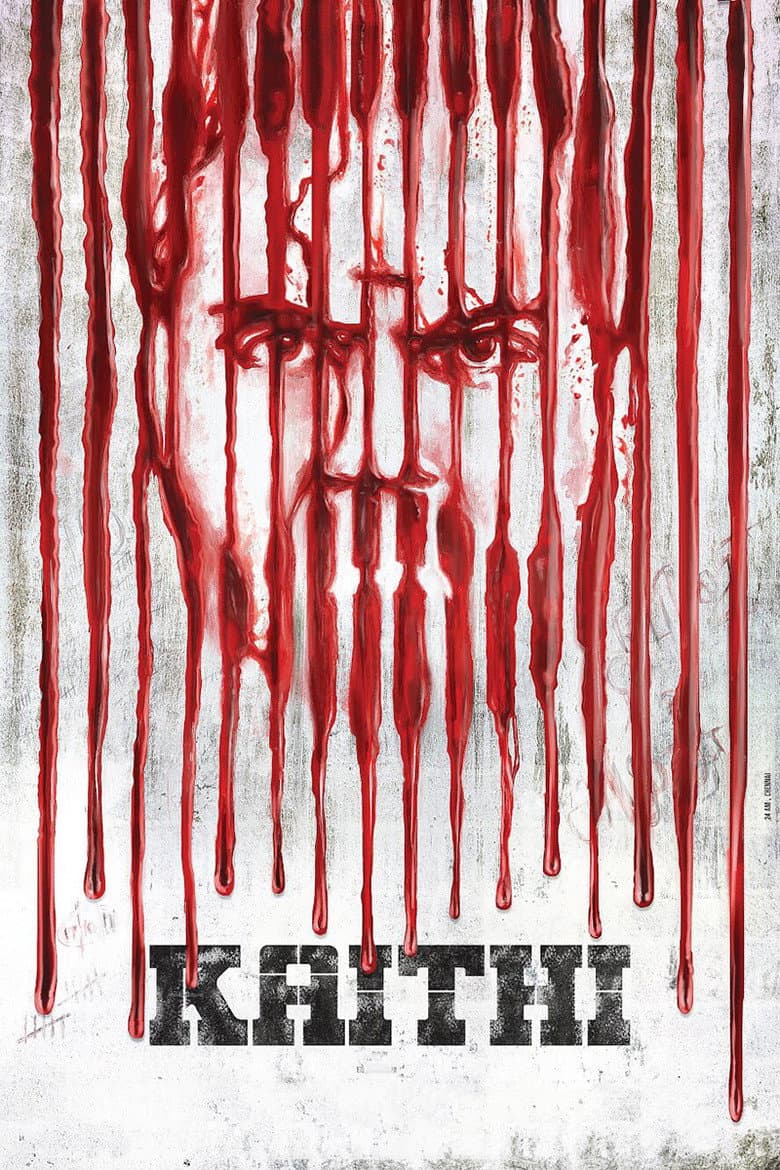
Movie · 2019
Dilli, a convicted criminal, is out on parole to meet his daughter. However, a drug bust sets him off on a mission to save the life of police officers.
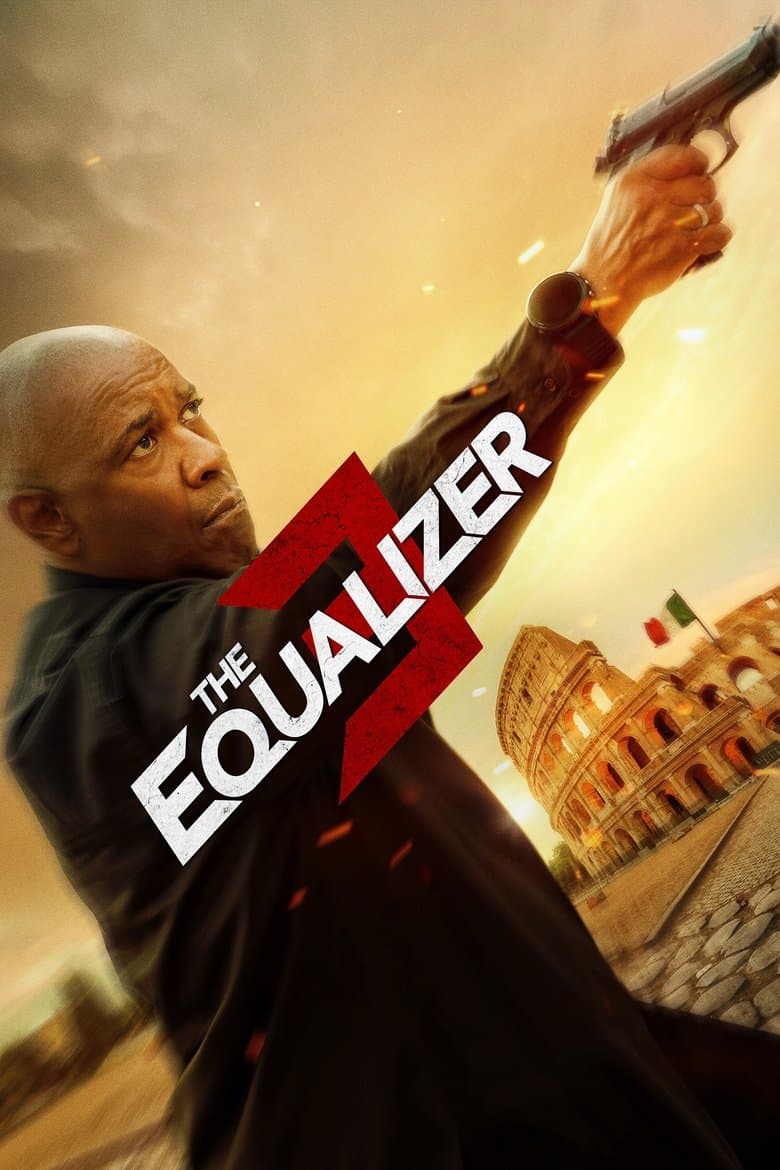
Movie · 2023
Robert McCall finds himself at home in Southern Italy but he discovers his friends are under the control of local crime bosses.
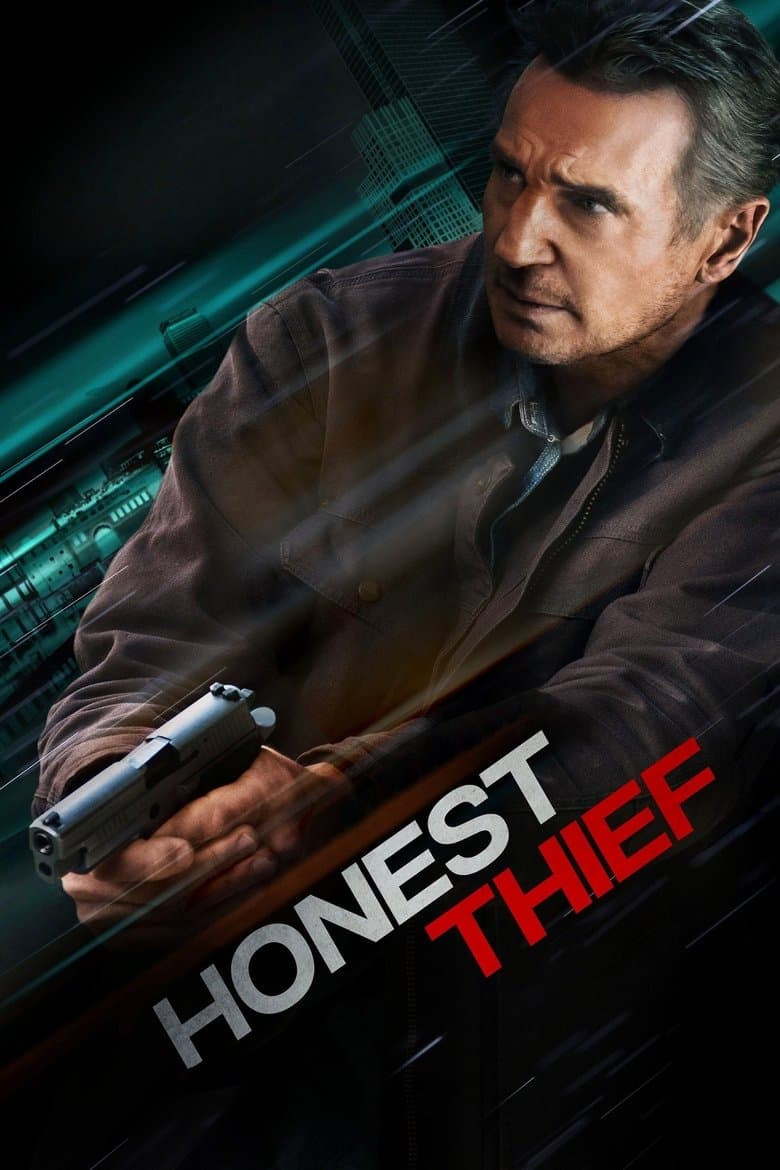
Movie · 2020
A bank robber tries to turn himself in because he's falling in love and wants to live an honest life...but when he realizes the Feds are more corrupt than him, he must fight back…
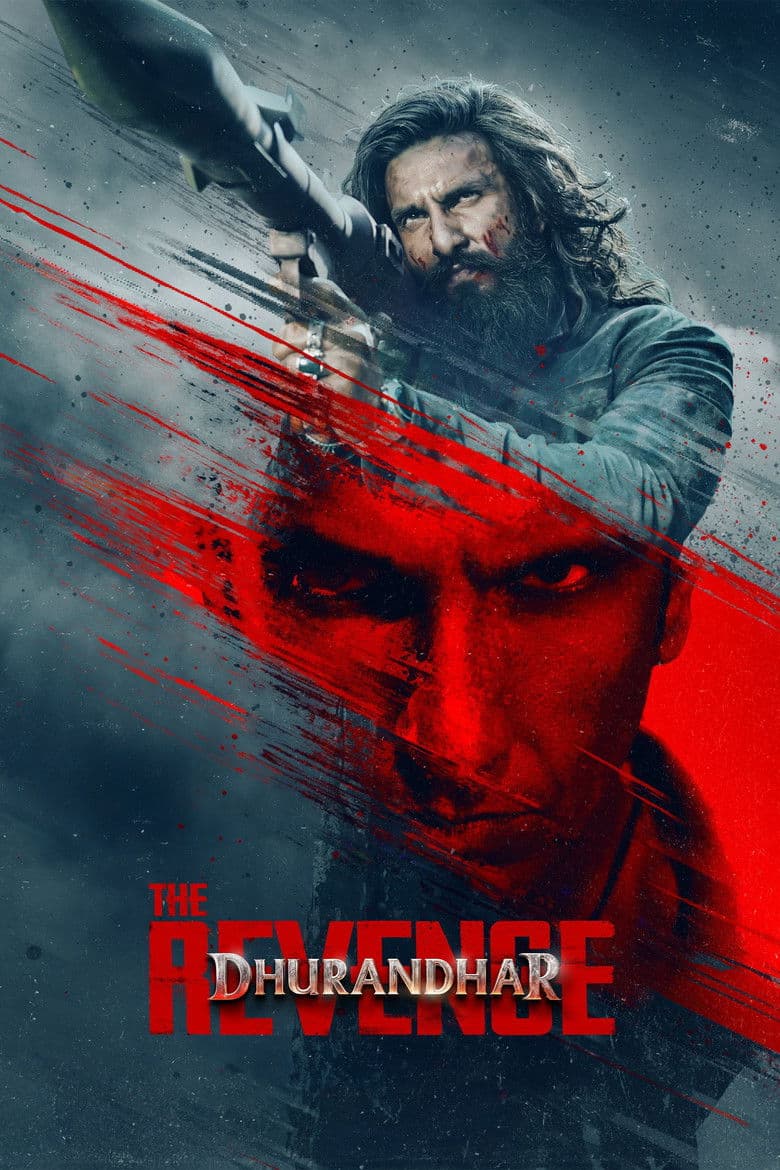
Movie · 2026
As rival gangs, corrupt officials and a ruthless Major Iqbal close in, Hamza's mission for his country spirals into a bloody personal war where the line between patriot and…
