
Last Looks follows Charlie Waldo, a former Los Angeles police detective who leaves the force after a serious mistake sends an innocent man to prison. He lives alone in a small home in the mountains and tries to own almost nothing. His former lover, private detective Lorena Nascimento, pulls him back into Los Angeles after a television star is accused of killing his wife. Waldo must question the star, his lawyers, studio workers, police contacts, and other people who hide secrets. The film mixes a murder case with rough jokes, fights, romance, and a look at a dishonest Hollywood world.
The film keeps its attention on crime, fame, guilt, and hidden deals in modern Los Angeles. Lorena works as a private detective and pushes Waldo back into the case. Jayne White teaches young children while struggling with her past and seeking excitement. Waldo's simple life includes concern about his carbon footprint, and the opening radio reports climate fears. The story ends up being about punishment, forgiveness, and whether a damaged man can return to society.
Community feedback
Was our 2% Woke rating accurate?
Breakdown
These are the editorial factors and ratings behind our score for Last Looks.
Woke representation / casting
Not present. The movie has a mixed cast in present-day Los Angeles, with women and minority actors in several roles. The film does not turn those casting choices into a message about identity or diversity.
0%
Woke political dialogue
Not present. The characters talk about the murder, police mistakes, Hollywood deals, and personal guilt. The opening radio mentions climate fears, but the film does not build a recurring activist message around that detail.
0%
Identity-driven story themes
Not present. Waldo's story is about guilt, work, romance, and solving a murder. Lorena and Jayne have clear roles, but race, gender, or sexuality does not drive their character arcs.
0%
Western institutional / cultural critique
Not present. The movie shows a rich television star, studio workers, and police making selfish or foolish choices. It uses these points for crime and Hollywood satire rather than a modern attack on Western culture, family life, religion, or capitalism.
0%
Woke character or canon changes
Not relevant. The movie adapts Howard Michael Gould's own crime novel. It does not change a known character, public figure, or historical event to make an identity point.
0%
Anti-woke backlash and complaints
Not present. Public discussion centered on the plot, the cast, Mel Gibson, and some race-related criticism. No clear anti-woke complaint said that the movie pushes DEI, identity politics, or left-wing messaging.
0%
Creator track record context
Tim Kirkby and Howard Michael Gould have no strong identity-politics record. Nicole Abellera Hallman has discussed inclusive casting in industry work. Charlie Hunnam's earlier queer role, Steven Shainberg's feminist description of Secretary, and Christina Weiss Lurie's social issue documentaries add limited background. These points are not clearly tied to Last Looks.
12%
Production
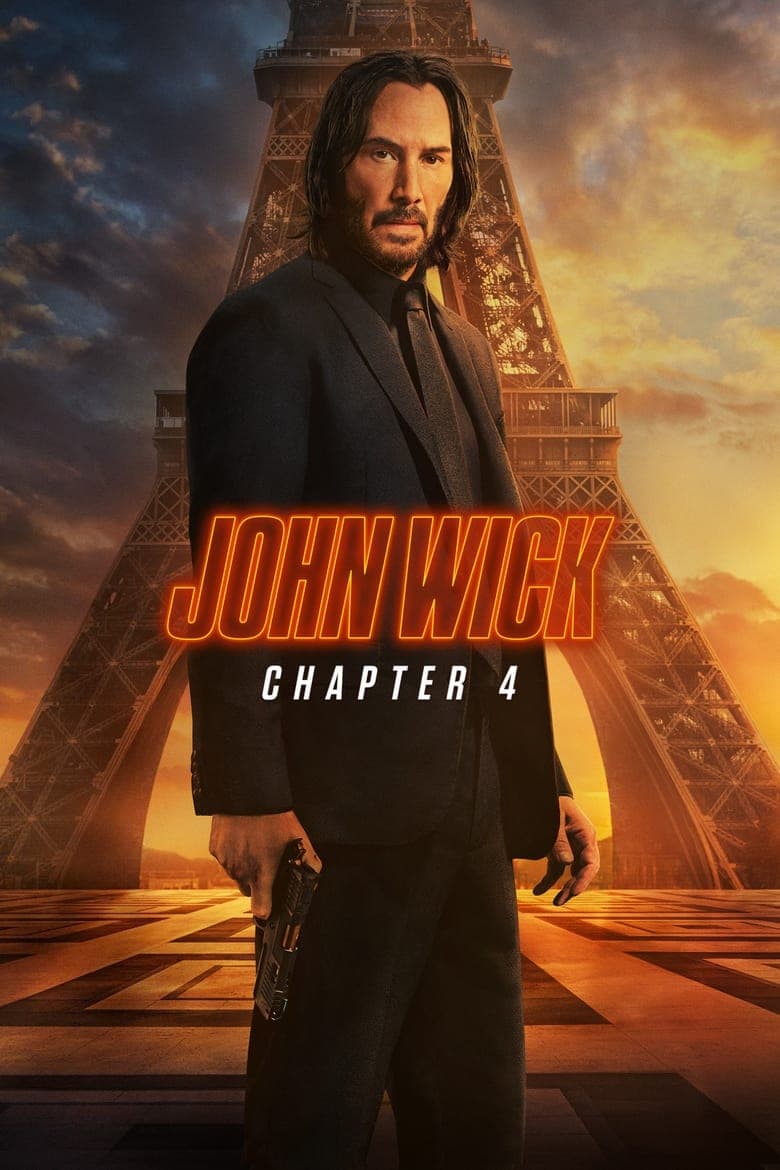
Movie · 2023
With the price on his head ever increasing, John Wick uncovers a path to defeating The High Table. But before he can earn his freedom, Wick must face off against a new enemy with…

Movie · 2020
Marcus and Mike are forced to confront new threats, career changes, and midlife crises as they join the newly created elite team AMMO of the Miami police department to take down…
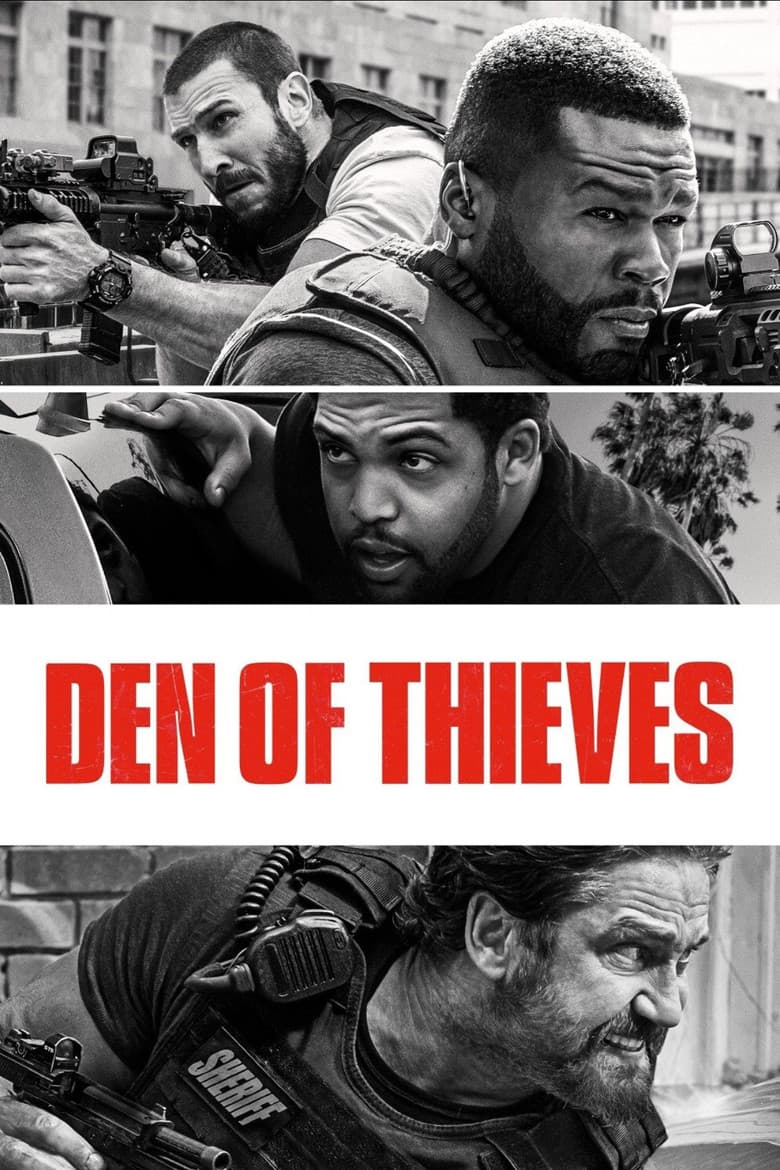
Movie · 2018
A gritty crime saga which follows the lives of an elite unit of the LA County Sheriff's Dept. and the state's most successful bank robbery crew as the outlaws plan a seemingly…

Movie · 2019
Struggling to make ends meet, former special ops soldiers reunite for a high-stakes heist: stealing $75 million from a South American drug lord.
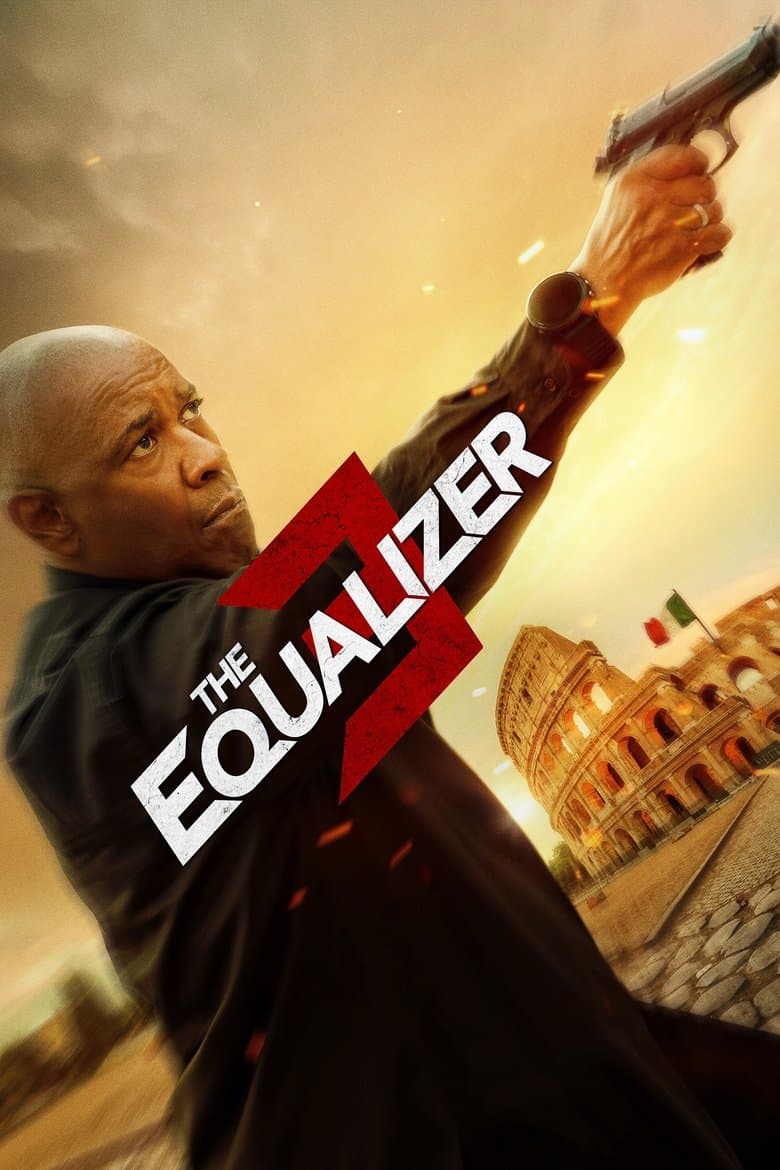
Movie · 2023
Robert McCall finds himself at home in Southern Italy but he discovers his friends are under the control of local crime bosses.
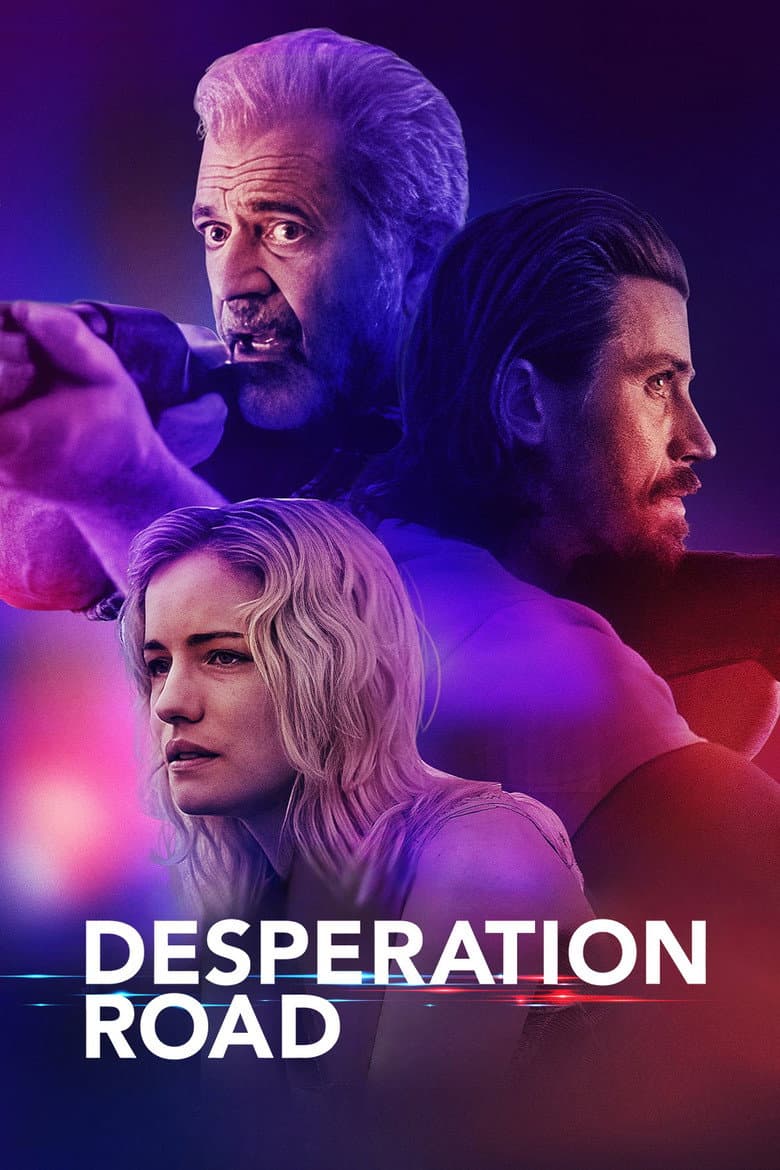
Movie · 2023
Ex-con Russell Gaines is attempting to rebuild his life with the help of his father, Mitchell. However, the arrival of Maben sends his new life into chaos, leading the pair to go…

Movie · 2022
Alex, an assassin-for-hire, finds that he's become a target after he refuses to complete a job for a dangerous criminal organization.

Movie · 2017
Quan is a humble London businessman whose long-buried past erupts in a revenge-fueled vendetta when the only person left for him to love – his teenage daughter – dies in an Irish…
