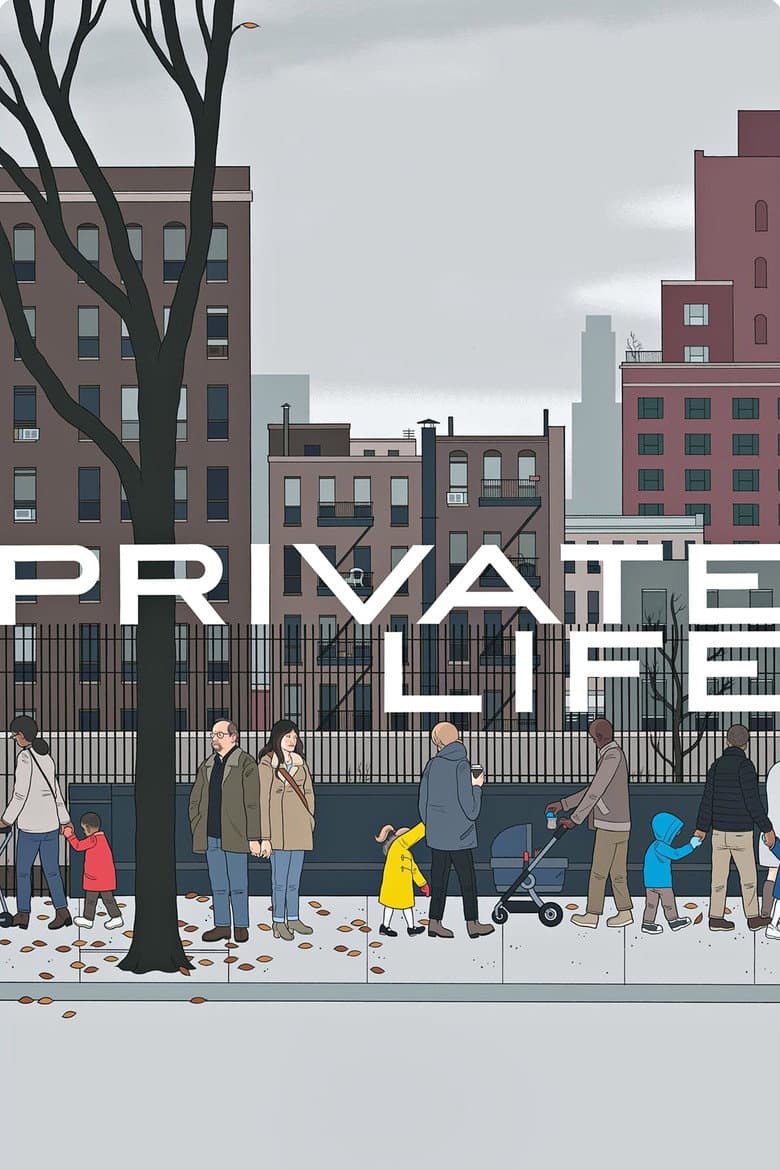
Private Life follows Rachel and Richard, a married New York couple in their 40s who want a child. Rachel writes books and Richard once directed theater, but he now sells pickles while they spend their money on fertility care. Failed treatments, an adoption attempt, and a new plan involving Rachel’s young step-niece put their marriage under heavy strain. The film is funny, painful, private, and often awkward.
The film keeps Rachel’s fertility, aging body, career, and fear of losing her chance at motherhood at the center of the story. Rachel says she was taught that she could build a career and have children later, while Richard argues that both of them share blame for waiting. The story also follows a young woman who wants a career and gives her eggs to help the couple, then shows the medical cost and emotional danger of that choice. These ideas give the film a clear feminist edge, but the main focus stays on marriage, family, money, regret, and hope rather than a wider political campaign.
Community feedback
Was our 42% Woke rating accurate?
Breakdown
These are the editorial factors and ratings behind our score for Private Life.
Woke representation / casting
Not present. The film centers on a white New York couple and their mostly white family circle. The cast is not presented as a diversity or identity statement.
0%
Woke political dialogue
Rachel says that “feminist ideology” taught her she could have a career and children later. Richard answers that they cannot blame second-wave feminism, Gloria Steinem, or Bella Abzug for their choices. The couple also jokes about The Handmaid’s Tale and briefly discusses a gay male couple seeking a family. These lines appear in a few arguments and jokes, but the film does not build them into a political speech.
32%
Identity-driven story themes
The film repeatedly centers Rachel’s fertility, aging body, career, and fear of losing the chance to have a child. Rachel connects her pain to the message that women can build a career and have children later. The story follows Sadie as she chooses a career path, rejects motherhood for now, and faces pressure over her eggs and future fertility. These themes shape the main plot, but the film treats them as personal tradeoffs and marriage problems rather than a broad activist program.
42%
Western institutional / cultural critique
The fertility system is shown as costly, invasive, and willing to sell hope to desperate couples. The film also shows Rachel angry at a sexist book cover and jokes about a theater space being replaced by Citibank. The characters question career and family rules that put pressure on women. The criticism stays tied to private money and family problems, rather than becoming a broad attack on Western institutions.
27%
Woke character or canon changes
Not relevant. The film uses original characters and is not an adaptation of established characters or real historical events.
0%
Anti-woke backlash and complaints
Not present. The reviewed news, Reddit, audience, and YouTube material did not show clear complaints that the film pushes woke or DEI ideas. The separate X research also found no anti-woke reaction.
0%
Creator track record context
Tamara Jenkins has a recurring focus on women’s bodies, fertility, family care, and women’s stories. Her title interviews frame this film around those subjects and also mention gentrification. Tony Osso has a sustained record of LGBTQ family documentaries, but script supervision is not the film’s main creative voice. The producers and casting director have little visible activist history, so the overall creator signal is moderate.
44%
Production
Movie · 2023
A curmudgeonly instructor at a New England prep school is forced to remain on campus during Christmas break to babysit the handful of students with nowhere to go.
Movie · 2018
Vignettes weaving together the stories of six individuals in the old West at the end of the Civil War. Following the tales of a sharp-shooting songster, a wannabe bank robber, two…

Movie · 2023
Two mismatched entrepreneurs – egghead innovator Mike Lazaridis and cut-throat businessman Jim Balsillie – joined forces in an endeavour that was to become a worldwide hit in…

Movie · 2022
Two lifelong friends find themselves at an impasse when one abruptly ends their relationship, with alarming consequences for both of them.

Movie · 2017
An aspiring actor in Hollywood meets an enigmatic stranger by the name of Tommy Wiseau, the meeting leads the actor down a path nobody could have predicted; creating the worst…

Movie · 2016
Two high school girls are best friends until one dates the other's older brother, who is totally his sister's nemesis.
Movie · 2023
Leo and Angela Russo live a simple life in Queens, surrounded by their overbearing Italian-American family. When their son finds success on his high school basketball team, Leo…
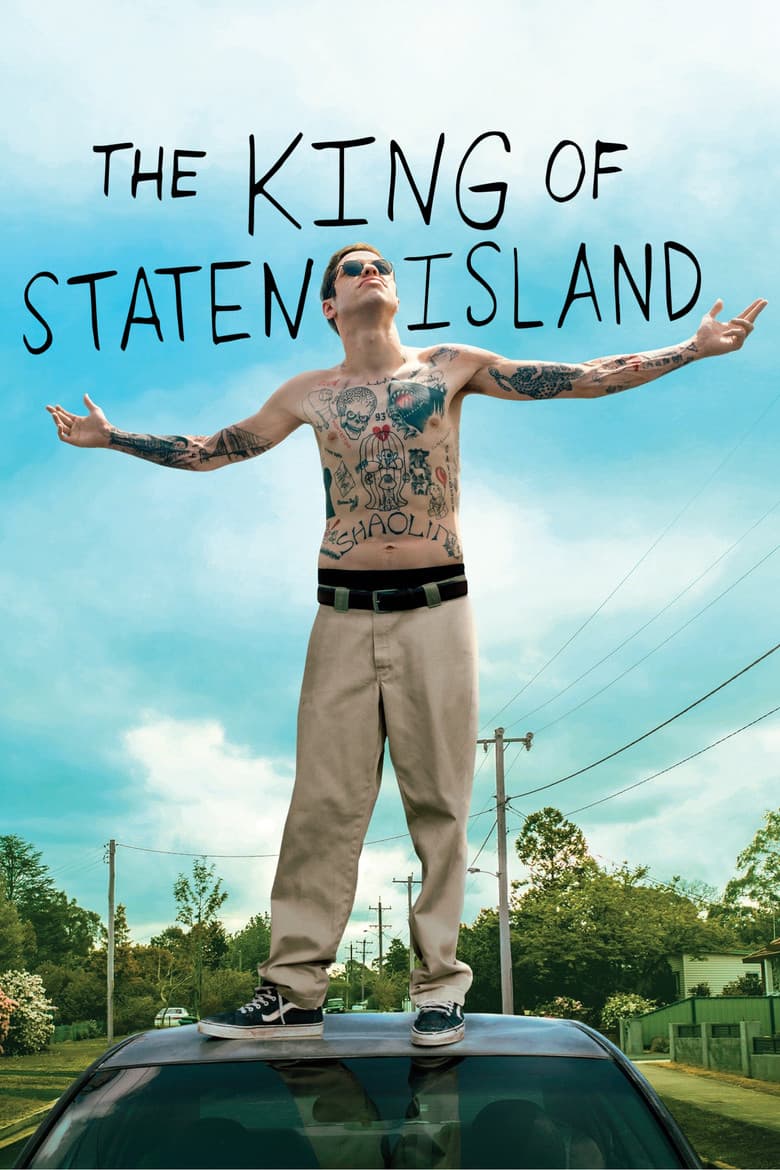
Movie · 2020
Scott has been a case of arrested development ever since his firefighter father died when he was seven. He's now reached his mid-20s having achieved little, chasing a dream of…
