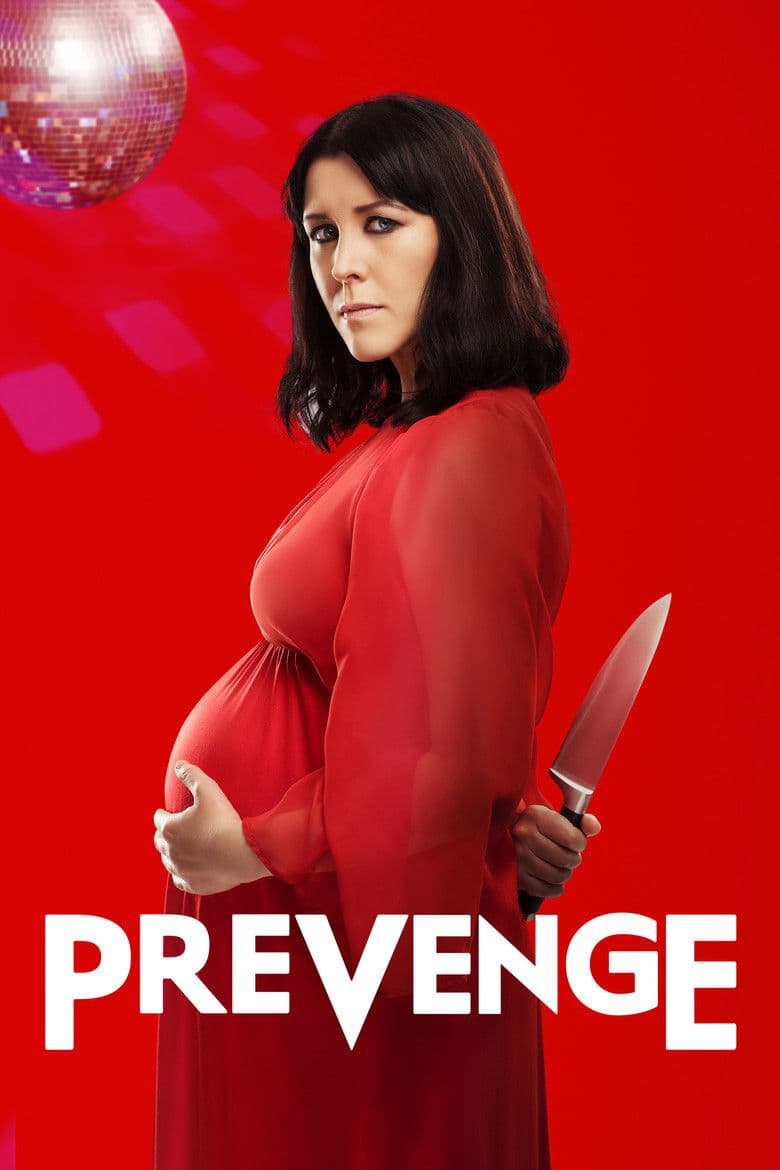
Ruth is a heavily pregnant widow living in a quiet British town. Her husband died in a climbing accident, and she believes the unborn baby is telling her to punish the people who caused his death. Ruth visits a midwife, follows her targets, and kills them with a kitchen knife. The film mixes black comedy, body horror, grief, and strange dreams.
Pregnancy and female identity drive almost every scene. The film shows Ruth being talked down to, judged at work, and treated as a body instead of a person. Several men are selfish, crude, or weak, while Ruth controls the meetings and the killings. The baby’s voice and the final birth turn her rage into a story about loss of control, motherhood, and the pressure to become a normal mother. Ruth must decide whether her violence comes from the baby or from her own grief.
Community feedback
Was our 66% Woke rating accurate?
Breakdown
These are the editorial factors and ratings behind our score for Prevenge.
Woke representation / casting
Ruth is a woman in the central killer role, and the film presents her as a female version of a lonely revenge hero. A woman also runs the company that rejects Ruth, and a woman serves as her midwife. Lowe publicly said she wanted a female version of a lonely revenge hero, so the lead choice carries a clear gender message. The small British cast has no clear race, sexuality, or disability casting message.
28%
Woke political dialogue
Ruth says that people treat pregnant women as irrational and as bodies instead of full people. The job interview centers on fears that maternity leave will hurt the company, and Ella tells Ruth to get motherhood out of her system. The baby also says that women can be cold and ruthless. These lines repeat the film’s gender argument, but the dialogue stays inside the black comedy and does not become a political speech.
38%
Identity-driven story themes
Ruth feels that pregnancy is taking over her body and erasing her old identity. The film turns her grief and anger into a violent search for control while the baby pushes her to kill. The story repeatedly attacks the idea that pregnant women must be sweet, calm, and grateful. Ruth becomes a morally troubling female loner, so the film questions why a woman cannot hold the kind of dark lead role often given to a man.
68%
Western institutional / cultural critique
The film presents pregnancy discrimination at work as cruel and unfair. Ruth’s targets are often selfish, sexually crude, or unwilling to accept responsibility. The story questions the social demand that a woman become a sweet and obedient mother. The film does not attack Christianity, capitalism as a system, or Western institutions broadly.
45%
Woke character or canon changes
Not relevant. Prevenge is an original story about Ruth and her unborn child. It does not change an established character, source story, or historical event.
0%
Anti-woke backlash and complaints
Not present. The separate X research found no anti-woke complaints, boycott talk, or right-leaning defense. Other searched reviews discuss feminism, motherhood, and film quality, but no clear anti-woke backlash was found.
0%
Creator track record context
Alice Lowe’s cached creator record shows a recurring feminist focus on sexism and complex female characters. Her title interviews frame the film as a response to the soft image of pregnancy and as a female version of Taxi Driver. The other cached producers have little documented activist or identity-focused history. This gives the title strong creator context even though the film remains a black comedy rather than a political campaign.
60%
Production
Movie · 2018
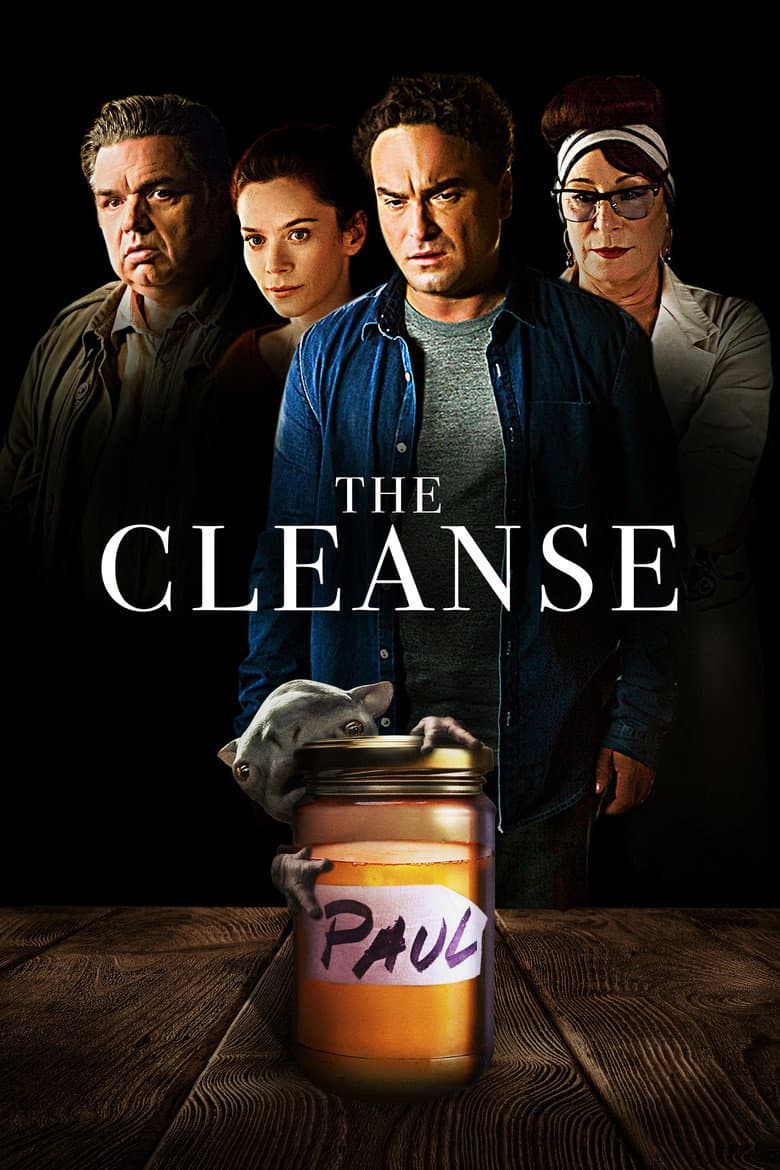
The story of a heartbroken man who attends a spiritual retreat, only to discover that the course releases more than everyday toxins and traumatic experiences.
Movie · 2016
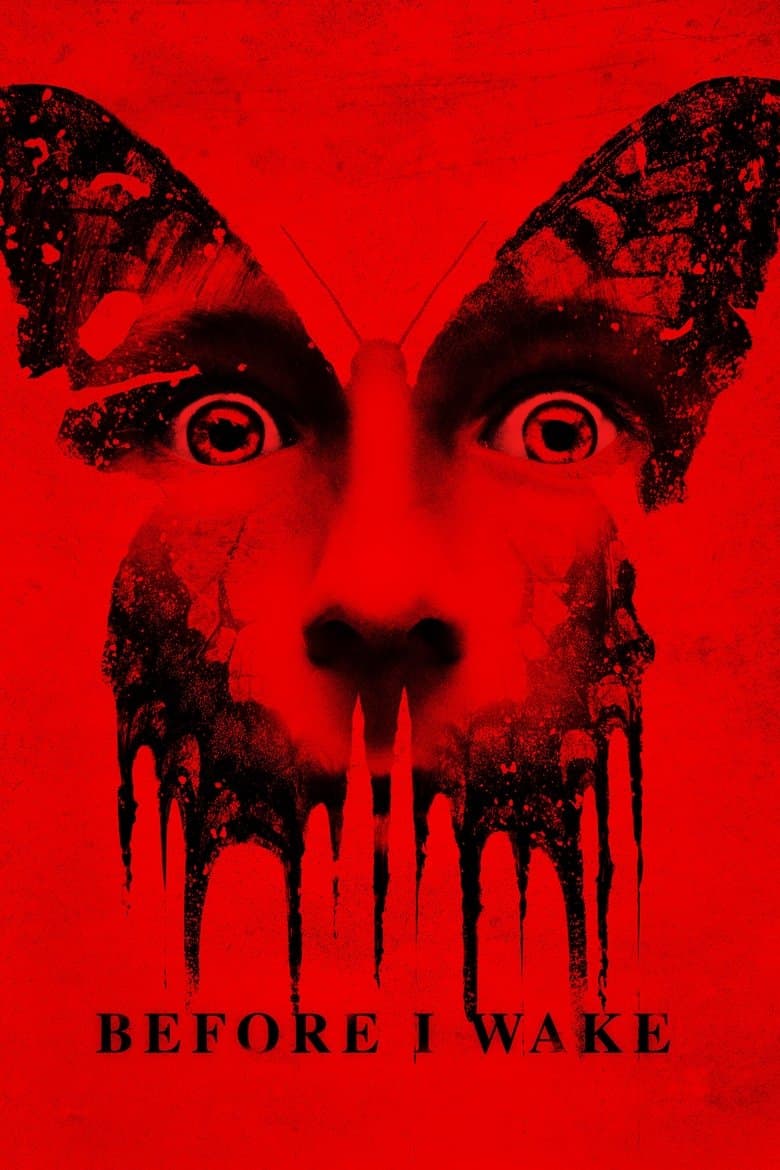
An orphaned child's dreams—and nightmares—manifest physically as he sleeps.
Movie · 2017
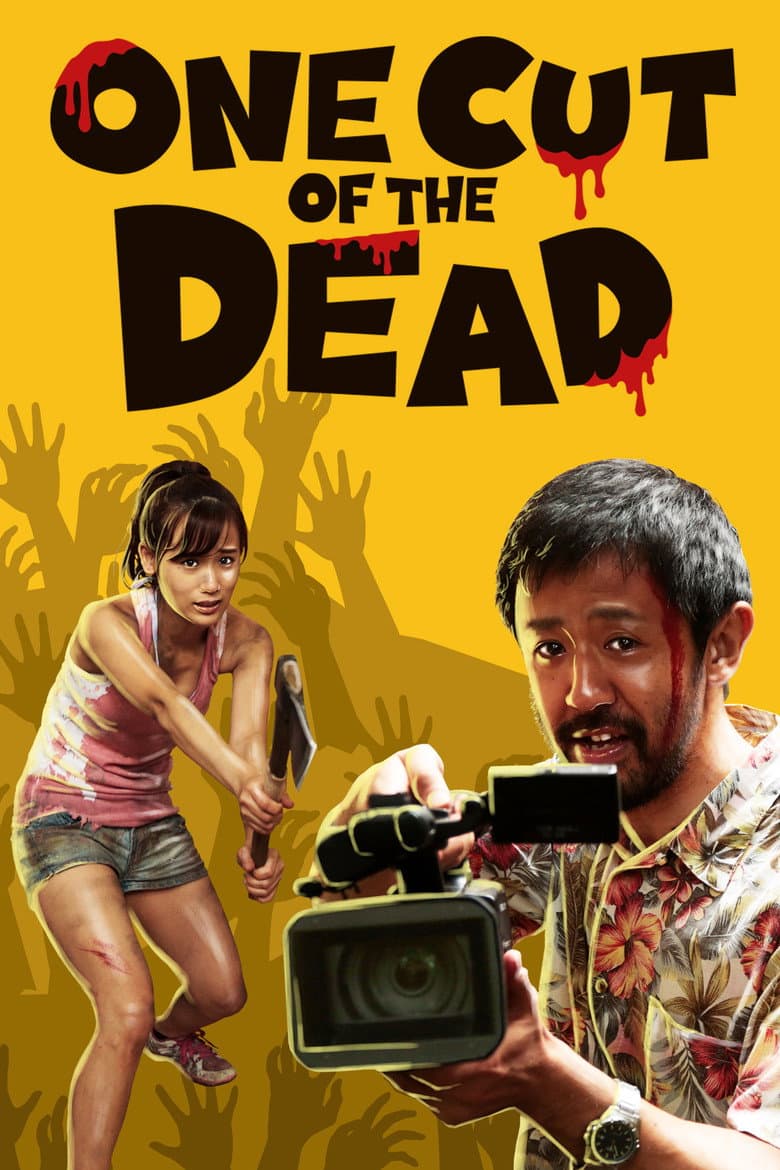
Real zombies arrive and terrorize the crew of a zombie film being shot in an abandoned warehouse, said to be the site of military experiments on humans.
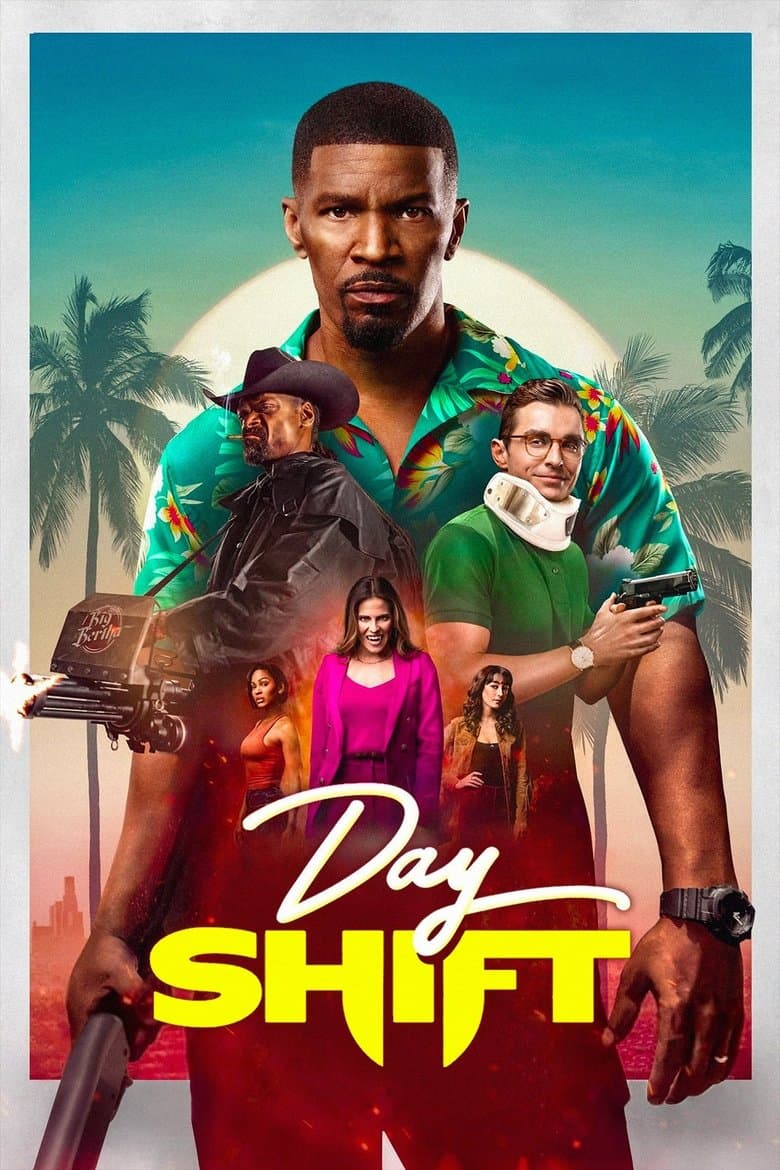
Movie · 2022
An LA vampire hunter has a week to come up with the cash to pay for his kid's tuition and braces. Trying to make a living these days just might kill him.
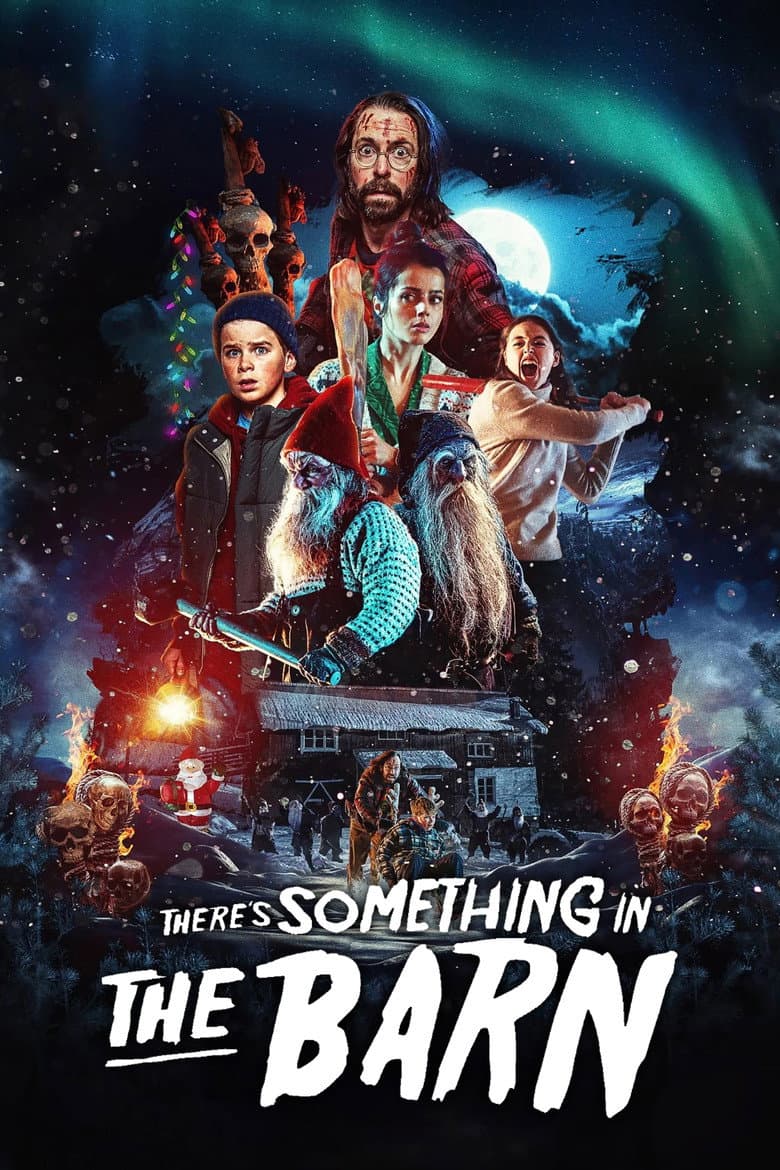
Movie · 2023
An American family fulfills their dream of moving back to their roots after inheriting a remote cabin in the mountains of Norway. But there's a surprise waiting for them.
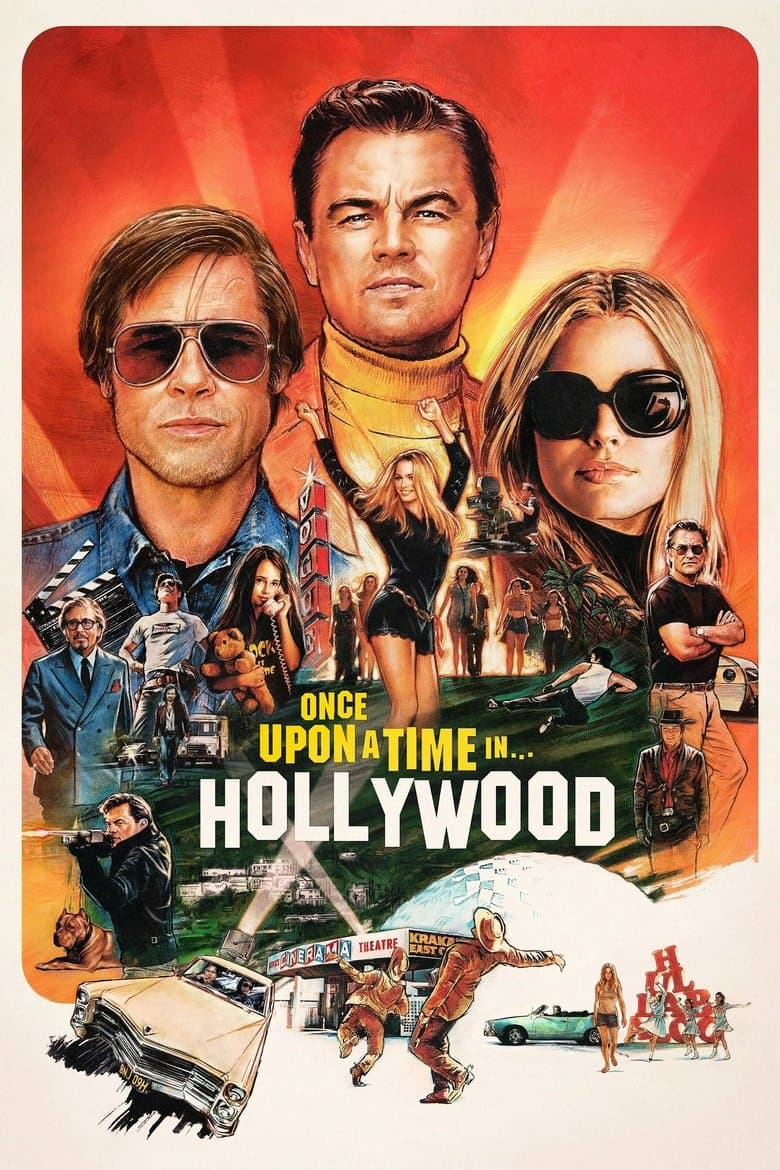
Movie · 2019
Los Angeles, 1969. TV star Rick Dalton, a struggling actor specializing in westerns, and stuntman Cliff Booth, his best friend, try to survive in a constantly changing movie…
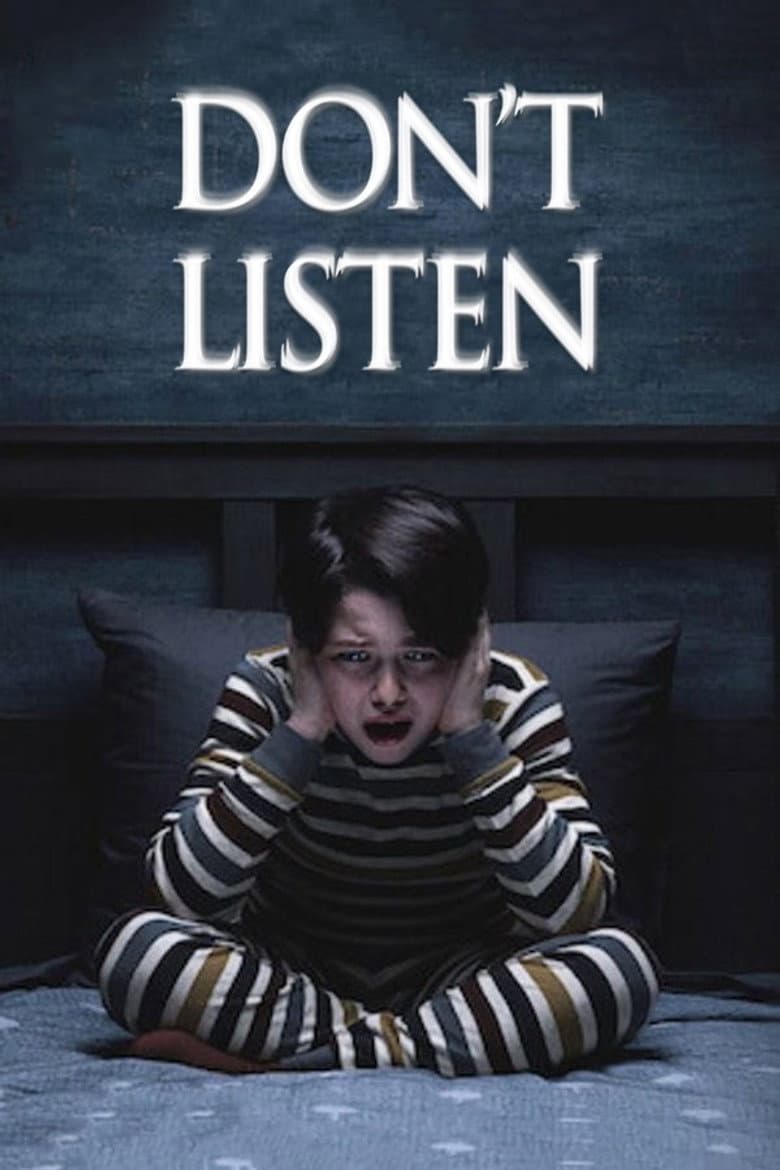
Movie · 2020
After a tragic turn of events at the new home he's fixing up, Daniel hears a ghostly plea for help, spurring him to seek out a famous paranormal expert.
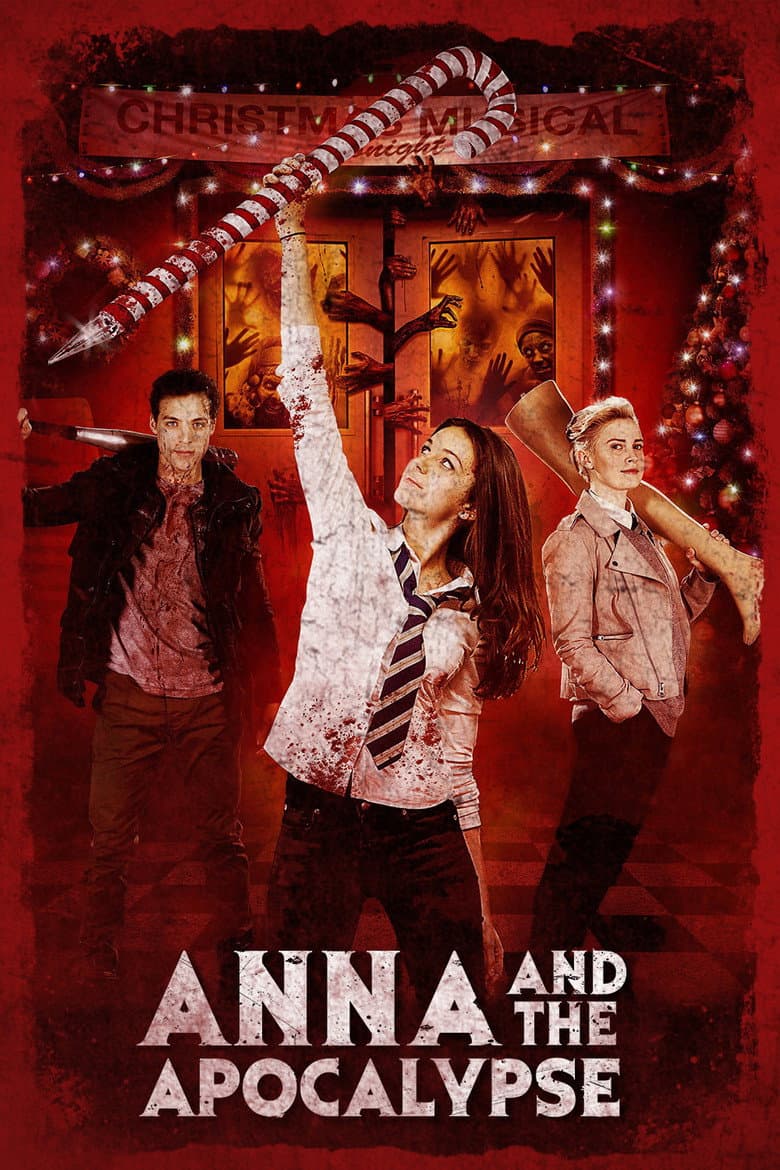
Movie · 2018
A zombie apocalypse threatens the sleepy town of Little Haven—at Christmas—forcing Anna and her friends to fight, slash, and sing their way to survival.
