
Pottersville follows Maynard Greiger, a kind shopkeeper in a small New York town that has fallen on hard times after its mill closes. After he finds his wife Connie with the town sheriff in animal costumes, Maynard gets drunk and runs through town in a rough gorilla suit. People mistake him for Bigfoot, and the story brings reporters, tourists, and new money to Pottersville. Maynard must choose between telling the truth and protecting the town that depends on the hoax. The movie mixes crude sexual jokes, monster-show parody, and a warm Christmas message about helping neighbors.
The film’s clearest identity element is its repeated focus on a local furry club and its animal-costume sex jokes. Connie and Sheriff Jack treat the club as a private lifestyle, while Maynard reacts with shock and confusion. The story gives the club a large part in the marriage conflict, the Bigfoot hoax, and the town’s final gathering. The main message supports kindness, local loyalty, and shared help, not a modern political or activist cause.
Community feedback
Was our 22% Woke rating accurate?
Breakdown
These are the editorial factors and ratings behind our score for Pottersville.
Woke representation / casting
Not present. The prominent roles are mostly white small-town characters, with no clear diversity-first pattern. The film gives no audience-visible message that its casting represents an identity cause.
0%
Woke political dialogue
Not present. The dialogue contains no modern DEI, gender-politics, or activist speech. The furry talk is about a private club and sexual jokes, not a political program.
0%
Identity-driven story themes
The furry subculture drives the opening marriage conflict and starts Maynard’s Bigfoot hoax. Connie, Sheriff Jack, and other townspeople treat animal costumes as a private lifestyle. One club member says he is proud to be a furry, which gives the group a small identity-pride moment. The film also mocks the group with repeated sex jokes, so the theme is strange and comic rather than an activist message.
35%
Western institutional / cultural critique
Not present. The closed mill and media craze create the plot’s economic trouble, but the film does not turn them into a modern attack on capitalism, men, Christianity, or Western institutions. The ending praises local kindness and shared help.
0%
Woke character or canon changes
Not relevant. The movie is an original comedy with only a loose name reference to It’s a Wonderful Life. It does not change an established character’s race, gender, sexuality, or hero role.
0%
Anti-woke backlash and complaints
Not present. The supplied X pass found no anti-woke complaints and gives X volume 0. Web reviews and audience posts focused on the furry joke, odd plot, and poor or cult appeal, not DEI, identity politics, or left-wing messaging. No reliable anti-woke boycott or news backlash was found.
0%
Creator track record context
Director Seth Henrikson and writer Daniel Meyer have cached scores of 0 and no known activist pattern. Producer Ron Perlman has a stronger left-wing public record, and casting director Bess Fifer has an inclusion-focused professional record. Michael Shannon has a milder liberal record, but these signals are not tied to the film’s content. Most other cached crew scores are low.
22%
Production
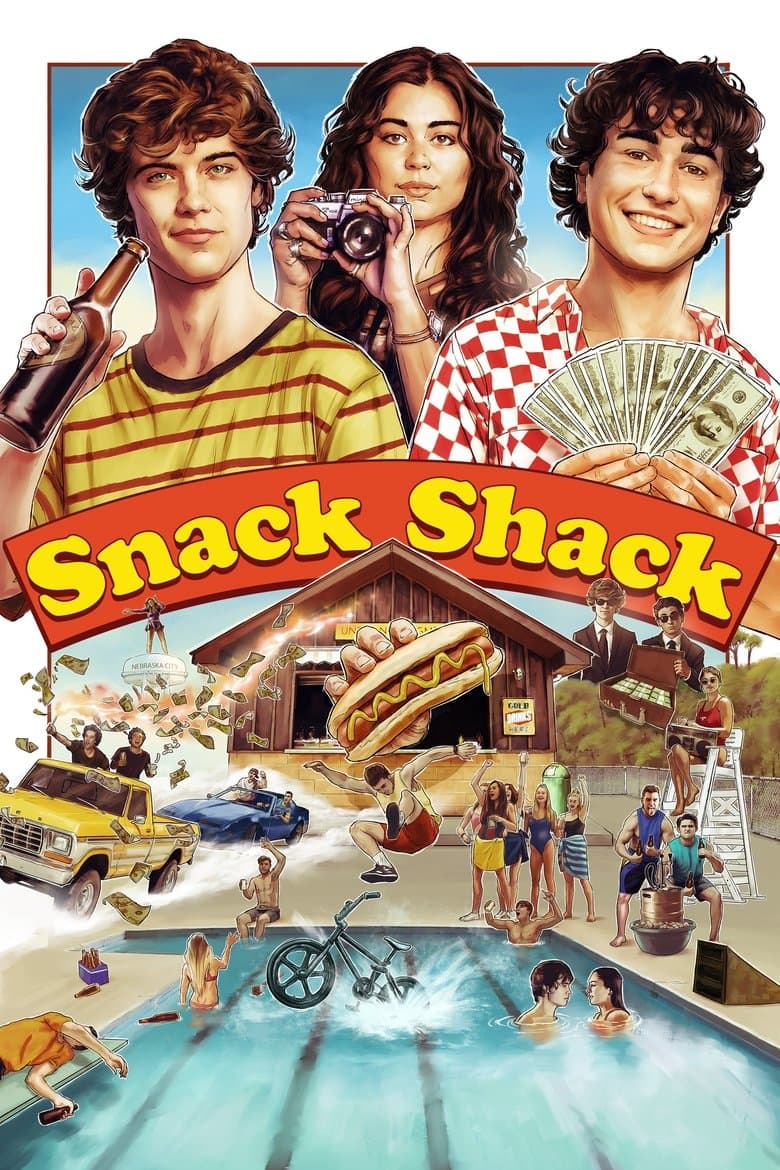
Movie · 2024
Inseparable best friends AJ and Moose decide to run the local pool's snack shack after their plan to sell home-brewed beer goes down the drain.
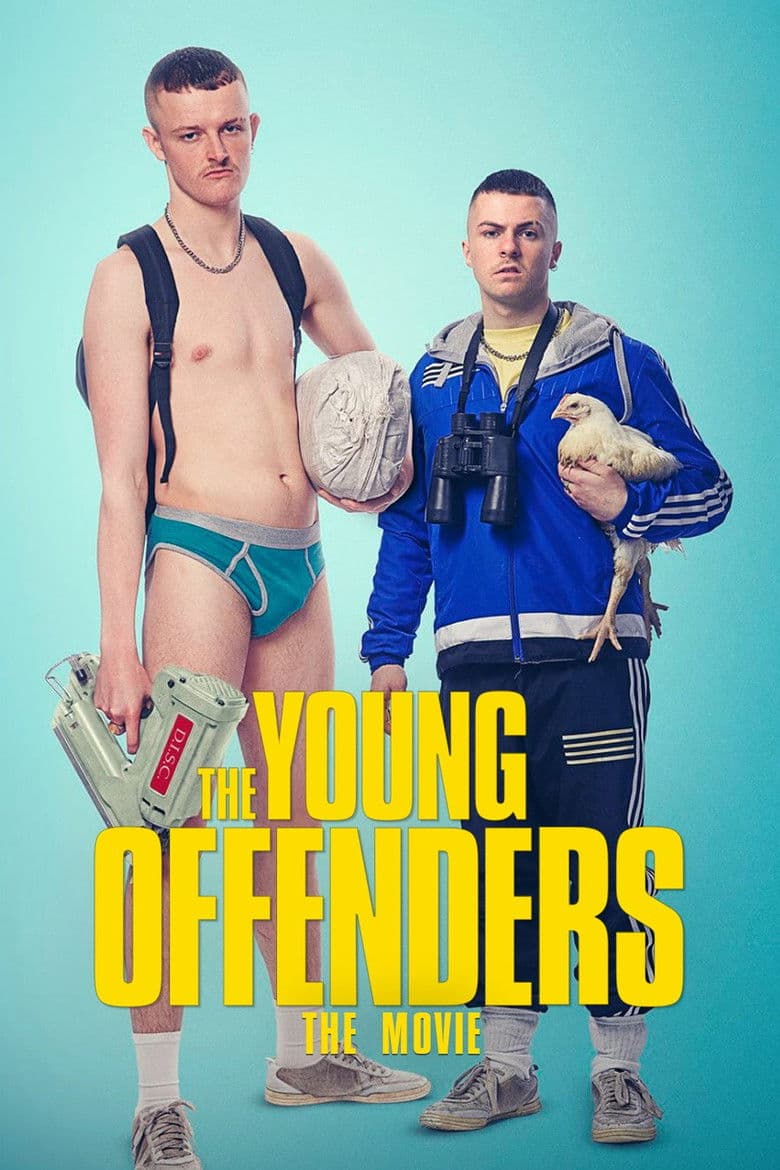
Movie · 2016
Two teenage boys from inner-city Cork steal bicycles and ride off on a 160km quest to find an unrecovered bale of cocaine worth 7,000,000 euros.
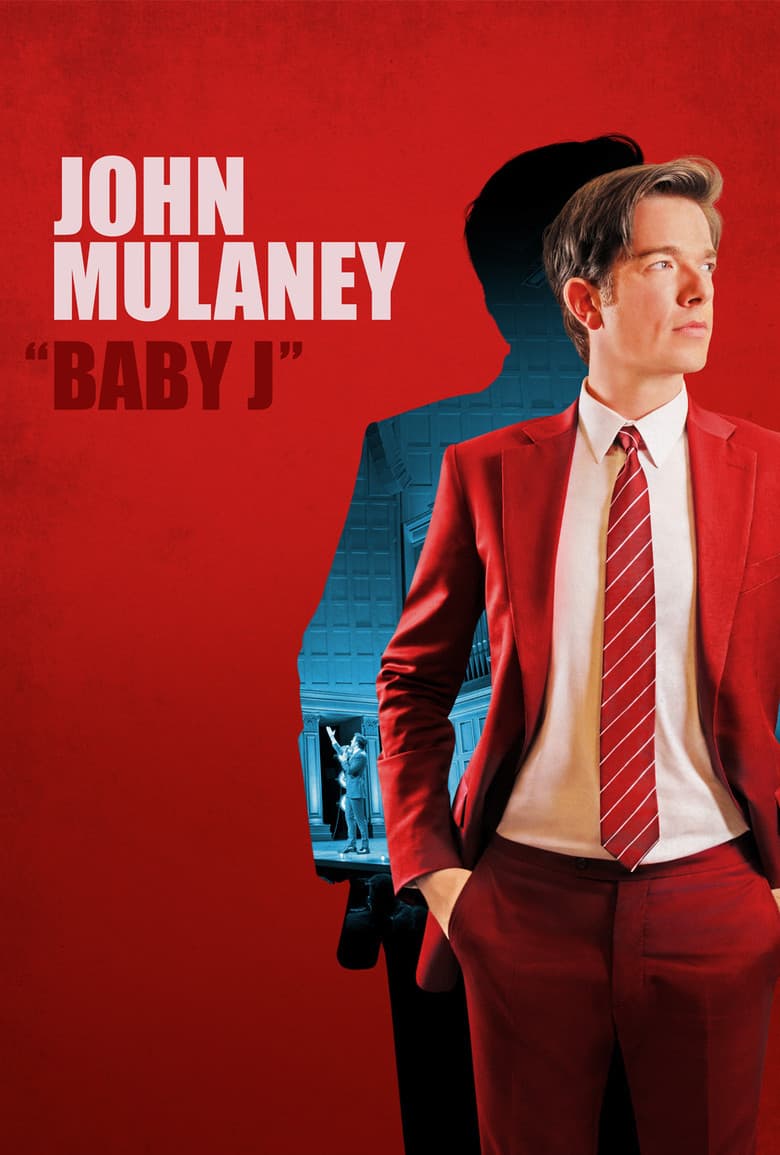
Movie · 2023
A chaotic intervention. An action-packed stay in rehab. After a weird couple of years, John Mulaney comes out swinging in his return to the stage.
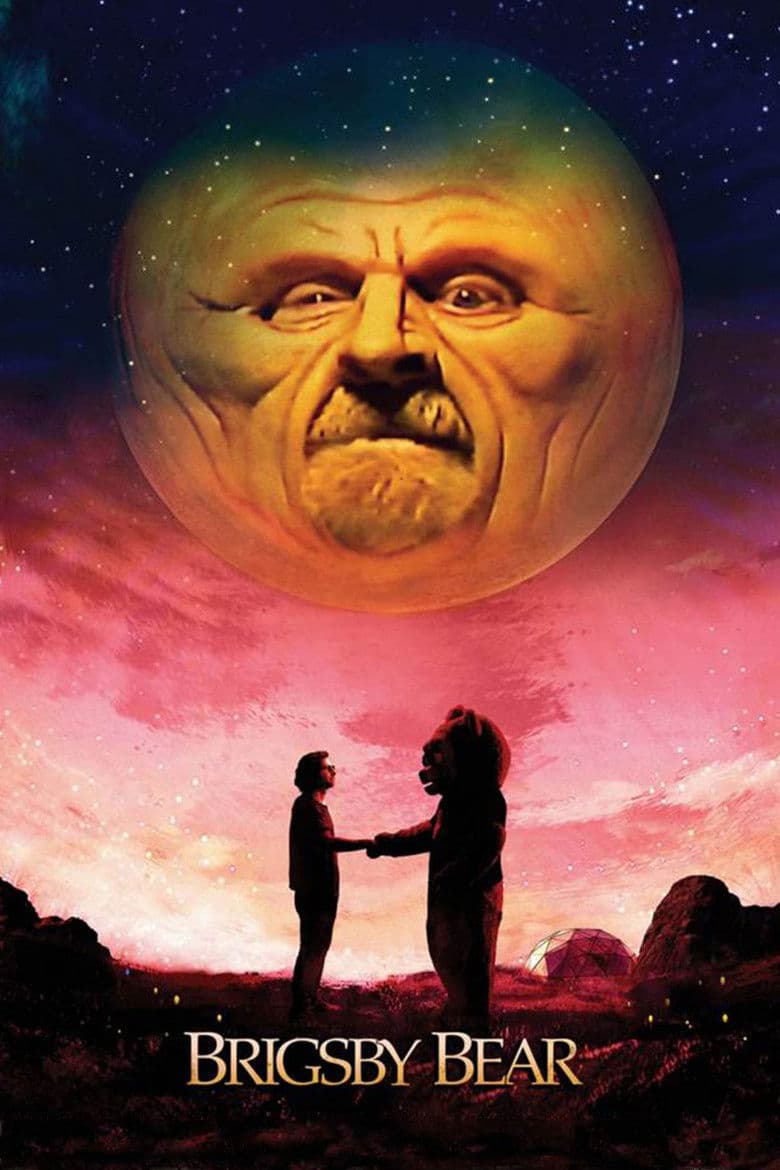
Movie · 2017
Brigsby Bear Adventures is a children's TV show produced for an audience of one: James. When the show abruptly ends, James's life changes forever, and he sets out to finish the…
Movie · 2022
Exploring every facet of ‘Weird Al’ Yankovic’s life, from his meteoric rise to fame with early hits like ‘Eat It’ and ‘Like a Surgeon’ to his torrid celebrity love affairs and…
Movie · 2018
Adam Sandler takes his comical musical musings back out on the road, from comedy clubs to concert halls to one very unsuspecting subway station.
Movie · 2016
A comedy that follows a group of friends as they navigate their way through the freedoms and responsibilities of unsupervised adulthood.
Movie · 2023
From his onstage tackle to the slap heard round the world, Dave Chappelle lets loose in this freewheeling and unfiltered stand-up comedy special.
