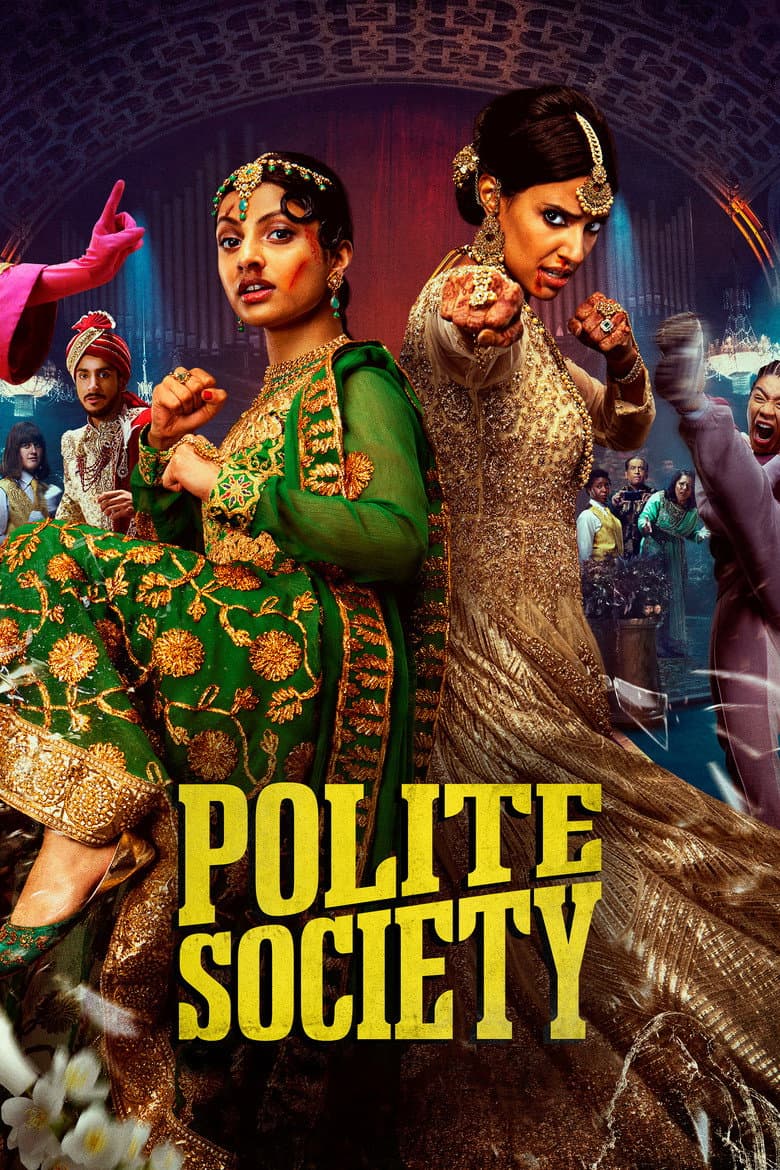
Ria Khan is a British Pakistani teen in London who trains in martial arts and dreams of becoming a movie stunt performer. Her older sister Lena once planned an art career, but then accepts a fast engagement to a rich doctor. Ria thinks the wedding is wrong and plans a wild rescue with her school friends. The movie is a loud, funny action-comedy with fight scenes, dance numbers, and a silly secret-lab twist.
A normal viewer would notice girl-power and sisterhood themes right away. The story centers on young women fighting for their own dreams against “be a good daughter, marry well” pressure, and it turns marriage-and-baby expectations into a full villain plot. South Asian family life and culture are front and center on purpose, and the director has talked about wanting a South Asian girl to lead a big action movie. There is clear feminist energy and representation focus, but it is not mainly about race lectures or Western politics. It is more about family rules, gender roles, and women staying free.
Community feedback
Was our 68% Woke rating accurate?
Breakdown
These are the editorial factors and ratings behind our score for Polite Society.
Woke representation / casting
Clear focus on a British Pakistani Muslim family and a girl action lead. Friends and school cast look mixed on purpose as modern London. Manzoor refused a white-family rewrite. This is identity-centered casting viewers notice, but it matches the story world rather than a random race-swap of known white heroes.
52%
Woke political dialogue
Talk and conflict push against “good girl” rules, teacher and parent career pressure, and marry-and-settle expectations. Feminism shows more in plot and fights than long activist speeches. Some lines about women’s roles and anger are easy to hear, but not constant slogans about race or DEI.
40%
Identity-driven story themes
Sisterhood, female freedom, and career dreams vs marriage and fertility control drive the whole film. The villain plan treats a woman as a body for babies. South Asian womanhood and girl-power action are hard to miss. Not a queer-led story, but gender and cultural identity are core, not background.
66%
Western institutional / cultural critique
Hits traditional gender roles, community praise of sons, and polite family rules that box women in. School adults also doubt “unserious” girl dreams. Less about attacking the West, churches, or capitalism; more about old family and marriage norms and female anger against them.
48%
Woke character or canon changes
Not present in this title.
0%
Anti-woke backlash and complaints
No clear wave of right-leaning or anti-woke claims that the film pushes DEI or identity politics. Coverage was mostly positive reviews and mild quality debate, not a major backlash story.
0%
Creator track record context
Driven mainly by Manzoor’s pattern of Muslim and South Asian women’s stories and open talk about representation on this film. Connor’s mid-range indie/diversity-leaning credits and Kaempfer’s underrepresented slate support the context; Working Title producers score low for activism.
54%
Production
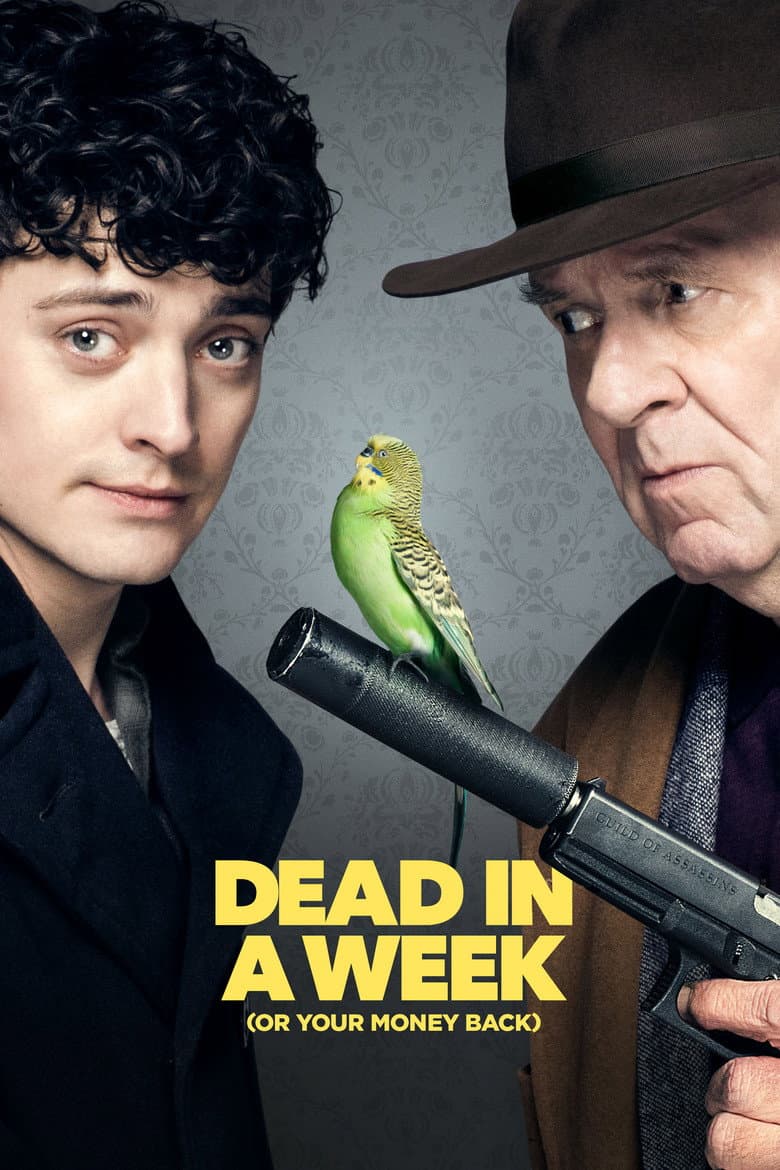
Movie · 2018
William has failed to kill himself so many times that he outsources his suicide to aging assassin Leslie. But with the contract signed and death assured within a week (or his…
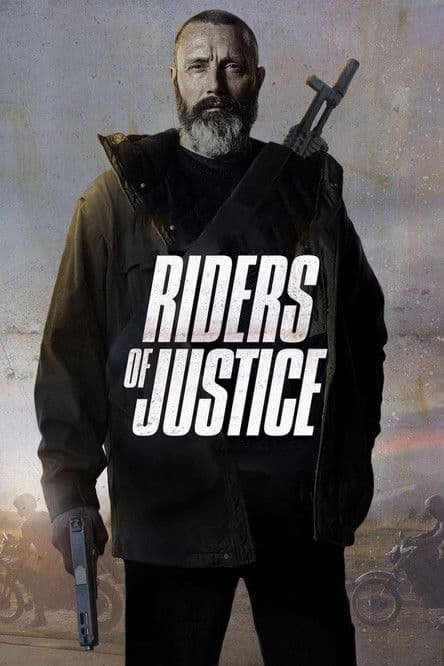
Movie · 2020
Markus returns home to care for his daughter when his wife dies in a tragic train accident. However, when a survivor of the wreck surfaces and claims foul play, Markus suspects…
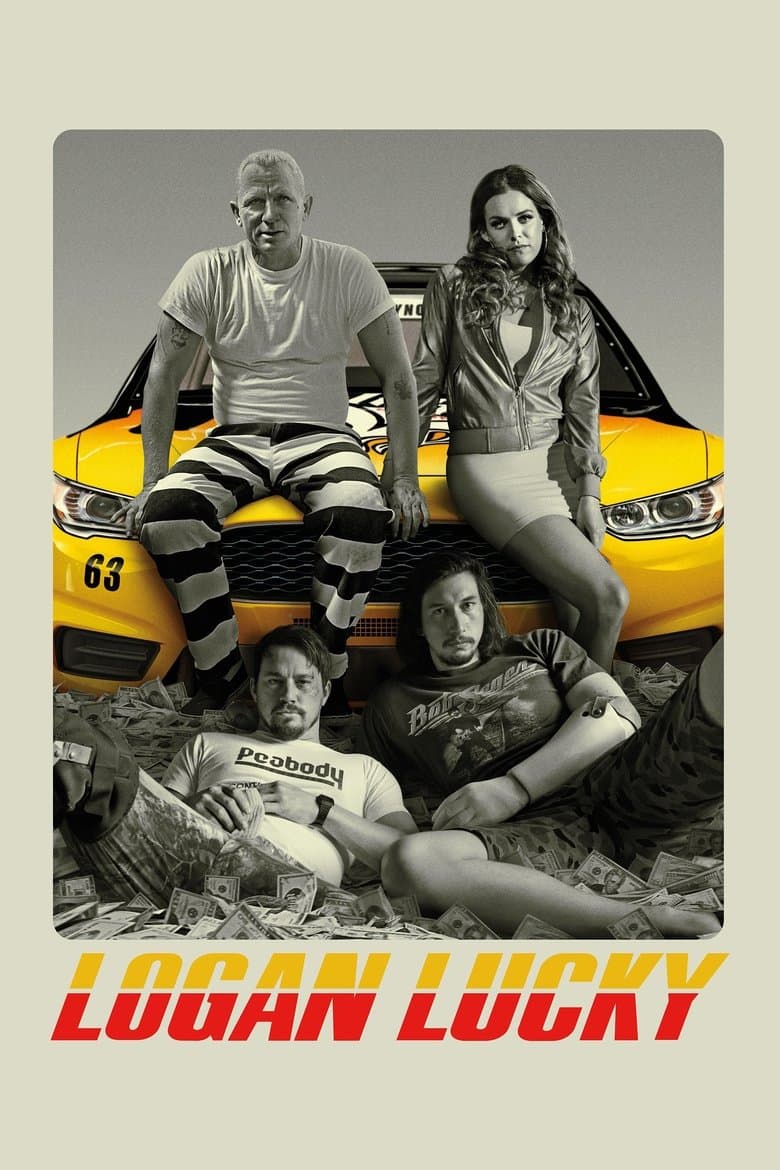
Movie · 2017
Trying to reverse a family curse, brothers Jimmy and Clyde Logan set out to execute an elaborate robbery during the legendary Coca-Cola 600 race at the Charlotte Motor Speedway.
Movie · 2025
A former teenage getaway driver gets dragged back into her unsavory past when a former employer offers her a chance to save the life of her chronically unreliable ex-boyfriend.
Movie · 2016
A pair of cops investigating a drug invasion stumble upon a mysterious bank vault.
